In-Ex Design Co., Ltd.
Homes Embracing Natural Light|Key Points for Home Building|Daylighting Strategy and Response to Seasonal Variations in Light
Author: Qurasuki Editorial Department
The brightness and warmth provided by sunlight are significant factors that directly affect human physical and mental well‑being. When designing homes to capture natural light, a multifaceted evaluation is essential—considering site orientation, the influence of surrounding buildings, and seasonal changes in solar altitude. It is valuable to consider not only large south‑facing openings but also the soft illumination from the north and the morning and evening sun from the east and west, thereby leveraging a variety of light sources. Equally important are detailed design measures—such as eaves, overhangs, and window placement—to avoid excessive solar heat gain. By employing illuminance calculations and simulation techniques, an optimal strategy for admitting natural light can be realized.
Understanding the Relationship Between Orientation and Windows.
To maximize natural light intake, it is fundamental to understand the movement of the sun. South-facing windows provide stable light throughout the day, east-facing windows capture refreshing morning light, and west-facing windows admit warm evening light. North-facing windows do not receive direct sunlight, offering soft and uniform illumination. Understanding the quality of light from each orientation and arranging windows according to the room’s function creates a comfortable lighting environment.
Bring Light Deep into the Space with Clerestory and High-Side Windows.
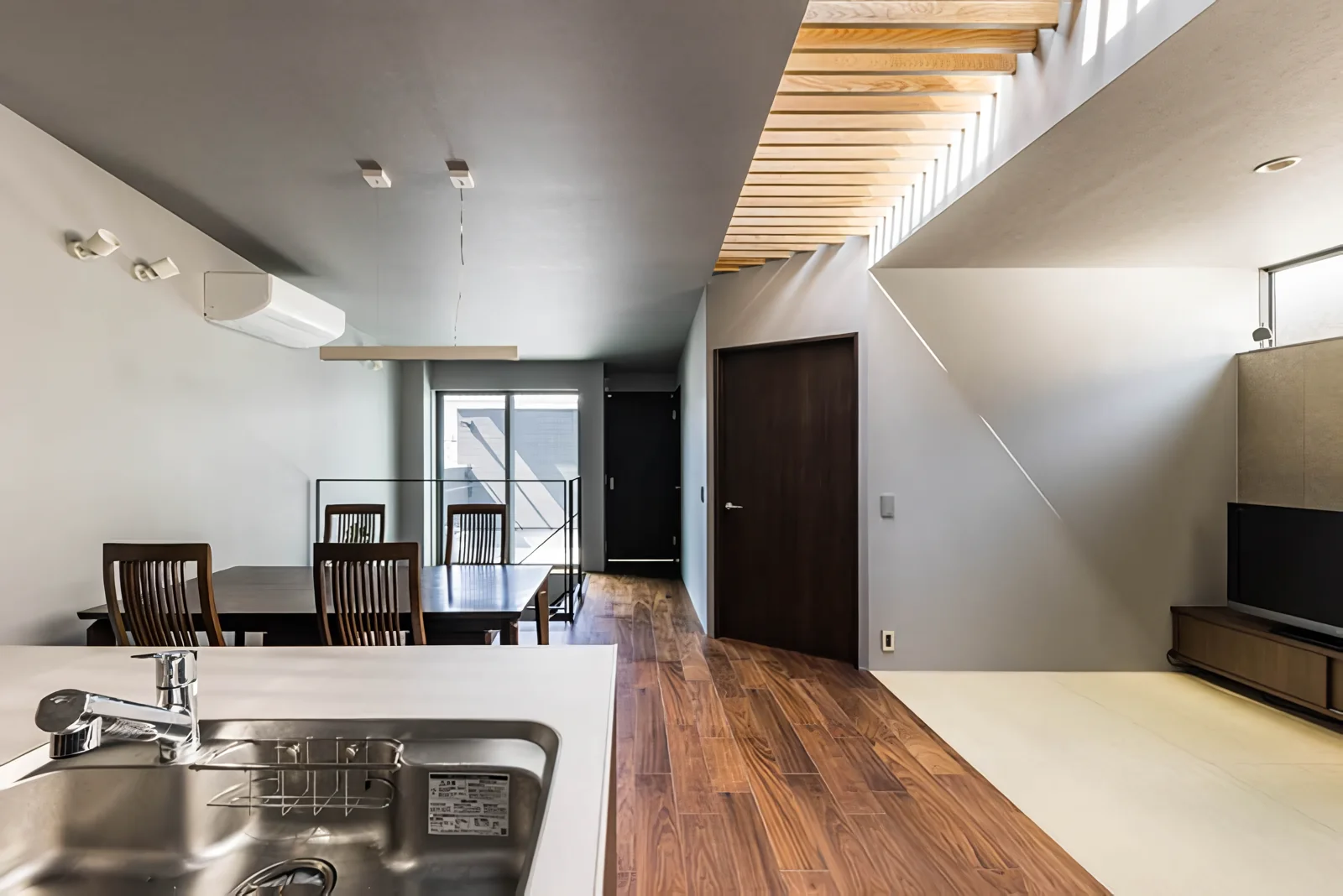
Even when large windows cannot be installed on the south side, incorporating windows at a high elevation (high-side windows) allows natural light to penetrate deep into the interior. This strategy effectively ensures brightness while maintaining privacy, making it particularly suitable for urban residences. Light entering through clerestory windows reflects off ceilings and walls, softly illuminating the space.
Introducing Light Directly from Above through Skylights.
Skylights (top lights) are considered to provide three times the daylighting effect compared to wall-mounted windows. The light descending directly from above illuminates the entire room brightly and imparts a sense of openness. However, due to the need for protection against summer solar heat gain and potential water leakage, it is crucial to select high-performance products and ensure proper installation.
Bringing Light to the First Floor through an Atrium.
The method of channeling light entering through windows on the second floor down to the first floor via an atrium is an effective way to diffuse light vertically. By designing the staircase within the atrium, both natural lighting and spatial connectivity are achieved simultaneously. The light-filled atrium brightens and opens up the entire home.
Reflecting Light with White Walls and Ceilings.
To effectively diffuse natural light, it is beneficial to use bright colors such as white or light gray on walls and ceilings. The reflected light brightens the entire room, ensuring sufficient illumination even with small windows. Choosing colors that work with the light is key to creating a bright living space.
Enjoying Light and Shadow with Slit Windows.
The light entering through narrow slit windows creates beautiful shadows on the walls. This design effectively admits natural light while maintaining privacy, making it suitable for walls facing roads or neighboring properties. The movement of light beams over time adds a dynamic quality to the space, reflecting a design that emphasizes the quality of light.
Delivering Light in All Directions from the Courtyard.
By incorporating a courtyard at the center of the site, natural light can be distributed to all surrounding rooms. This configuration, which is closed off externally yet open internally, is an ideal approach to ensure brightness while maintaining privacy. Living spaces encircling the courtyard embrace not only light but also breeze and greenery.
Eaves and Light Control.
The high summer sun is blocked by the eaves, while the low winter sun is allowed to enter the interior. By calculating the projection depth of the eaves, it becomes possible to control the light according to the seasons. This is a fundamental principle of passive design, embodying the wisdom to balance comfort and energy efficiency.
Soft Light Through Glass Blocks.
Glass blocks transmit light while obstructing direct views, making them suitable for bathrooms, entrances, and similar spaces. The light is diffused, creating a soft and ethereal ambiance. They are also highly valued for their design qualities and are appreciated as materials that enhance the experience of natural light.
Bedroom Layout to Wake Up with the Morning Sun.
By positioning the bedroom on the east side to allow the morning sunlight to enter, occupants can naturally wake up. This alignment helps regulate the circadian rhythm, fostering a healthy daily routine. Incorporating sheer curtains to adjust the intensity of light ensures a comfortable awakening experience.
The Beauty of Shadows Created by Light.
Natural light changes its angle over time, continuously altering the shadows. Appreciating this transition is one of the essential pleasures of a home illuminated by natural light. Shadows cast by wall textures, furniture, and plants add character and depth to the space. It is crucial to design both light and shadow thoughtfully.
Design Minimizing Artificial Lighting.
By maximizing the intake of natural light, artificial lighting during the day can be kept to a minimum. Reducing the number of lighting fixtures creates a cleaner space and also saves on electricity costs. Designing to fully leverage the benefits of natural light contributes to a sustainable lifestyle.






 Single-Story Houses|Introduction to Examples by Floor Plan & Room Type|A Home That Breathes with the Seasons, Defined by Spreading Horizontal Lines and the Warmth of Materials
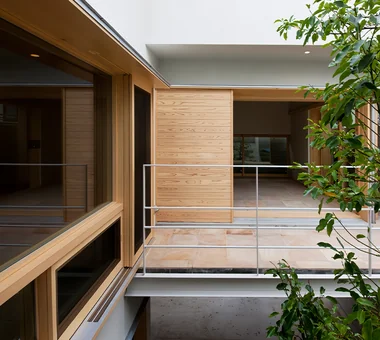 House with Wooden Window Sashes|Custom Home Examples by Architectural Offices|Warm Materiality
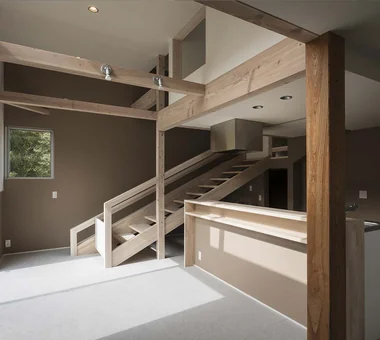 Homes Designed for Living with Dogs|Introduction to Examples by Floor Plan & Room Type|From Material Selection to Workflow Planning, a Form of Home that Achieves Comfortable Coexistence
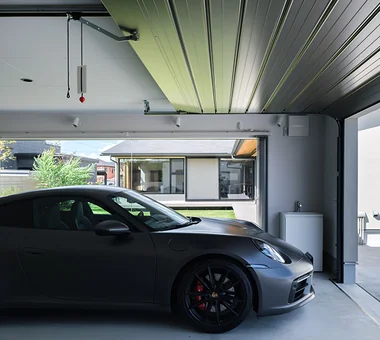 Garage Houses|Custom Home Examples by Architectural Offices|A Home for Living with Your Beloved Car
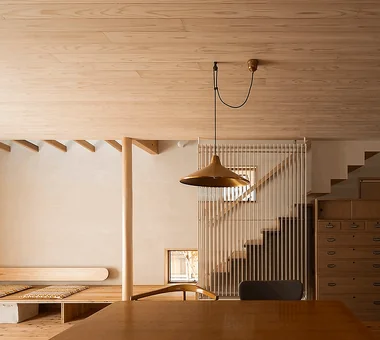 Stylish Dining Spaces|Key Points for Home Building|Creating Spaces That Enrich Mealtime
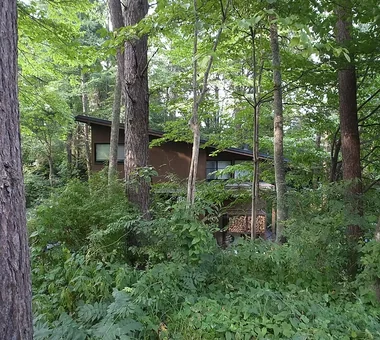 Homes in Harmony with Nature|Introduction to Examples by Floor Plan & Room Type|A way of living that enjoys daily life in harmony with nature, feeling the seasons and embracing the wind and light