Atelier Cotocoto
Circulation Flow|Pros and Cons|Layouts That Enable Continuous Flow
Author: Qurasuki Editorial Department
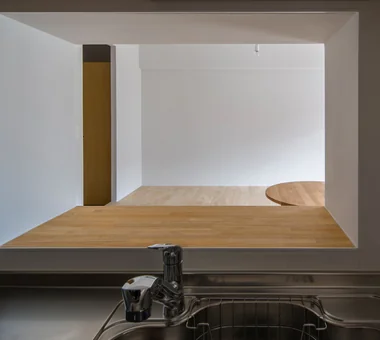
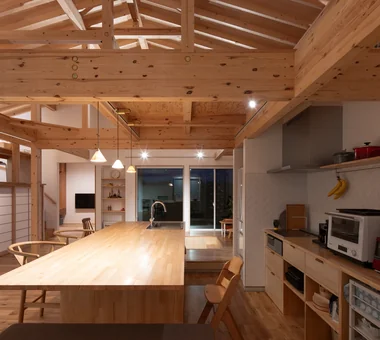
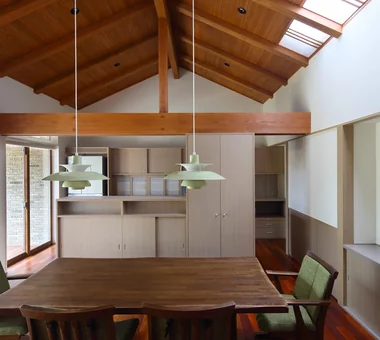
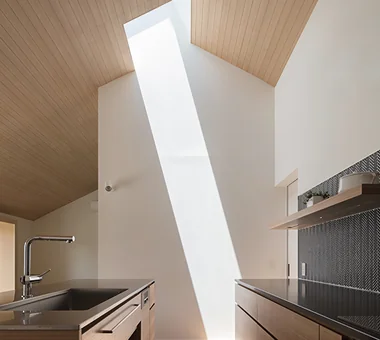
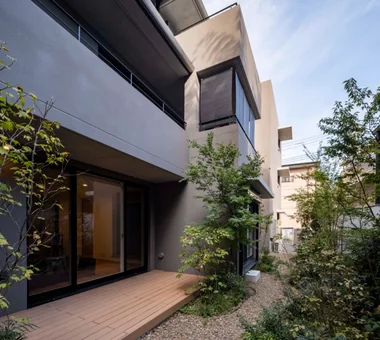
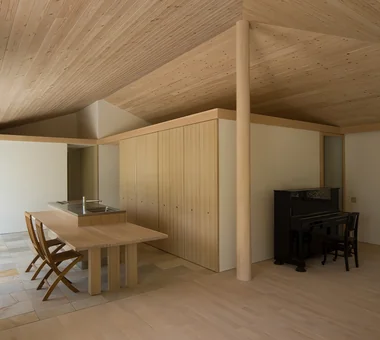
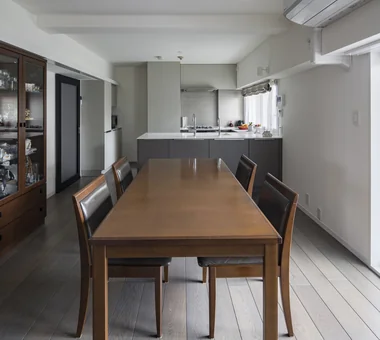
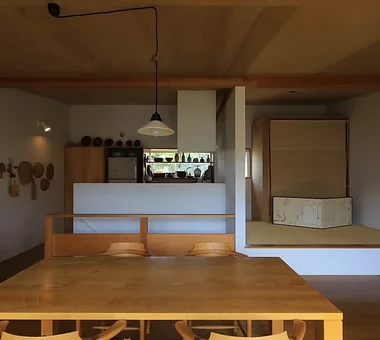
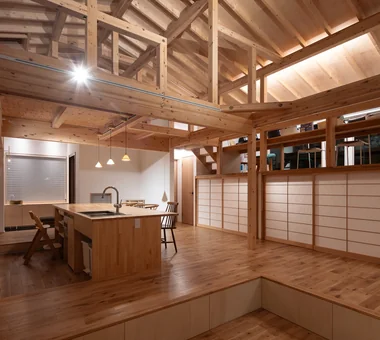
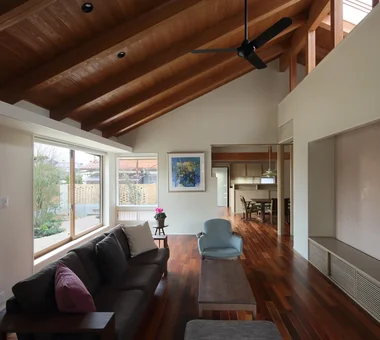
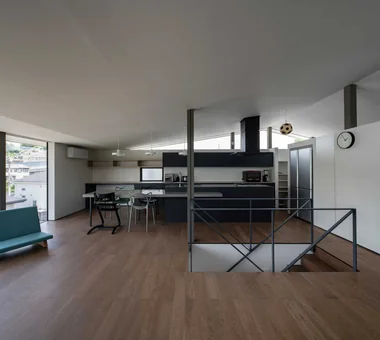
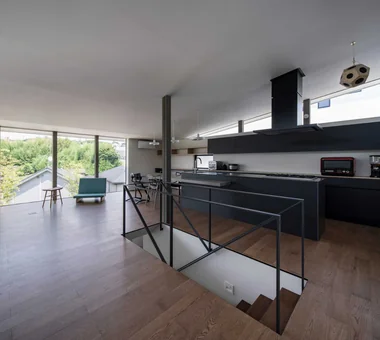
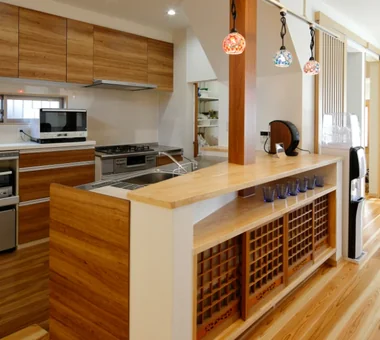
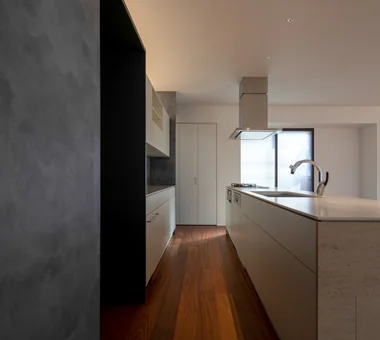
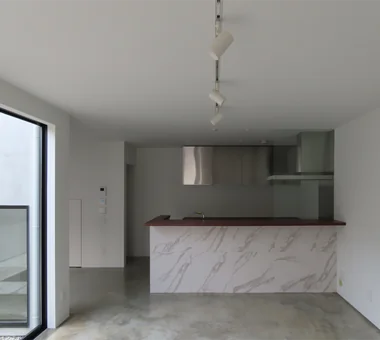
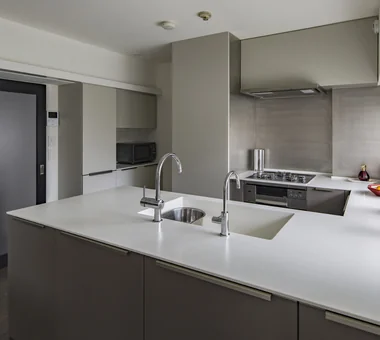
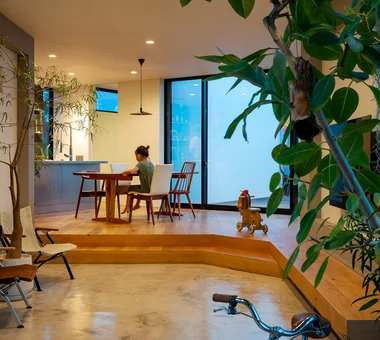
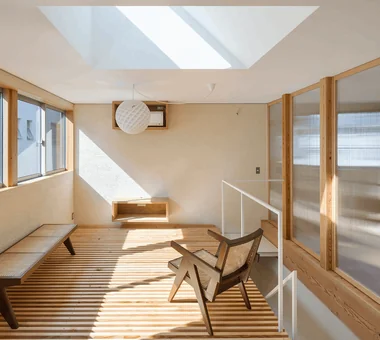
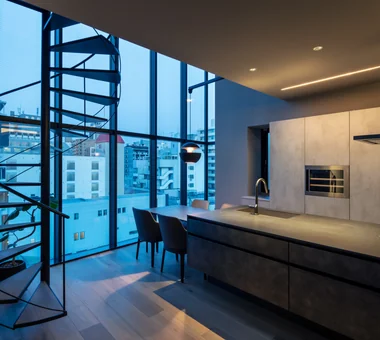
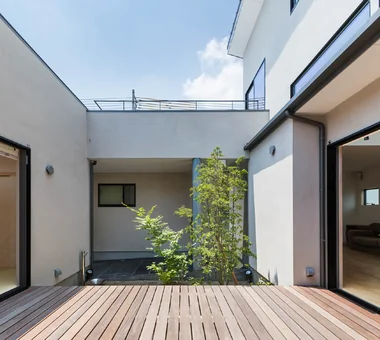
Circulation pathways refer to a spatial planning concept that avoids dead ends within a residence by securing multiple routes for movement. A typical example is the ‘loop circulation path’ centered around the kitchen, allowing continuous access through the pantry, service entrance, and dining area. Another common pattern connects household chores by routing from the entrance through the washroom and laundry area back to the kitchen. The primary advantage of incorporating circulation pathways lies in streamlining daily tasks such as serving meals, cleaning up, and laundry trips, thereby significantly reducing the time spent on household chores. Moreover, the absence of dead ends creates visual permeability, enhancing the perceived spaciousness of the interior. This design approach also harmonizes well with natural lighting and ventilation strategies; for instance, placing windows along both sides of the circulation path facilitates natural airflow, improving indoor environmental quality. However, simply increasing the number of corridors is insufficient. Effective design necessitates concurrent consideration of zoning, furniture arrangement, corridor width, level changes, and storage capacity. Corridor widths must allow comfortable passage for people and wheelchair users, maintaining sufficient clearance. Floor material transitions should avoid abrupt level changes or incorporate gentle slopes to ensure barrier-free accessibility.

Time-Saving in Household Tasks, Visual Transparency, Daylighting, and Ventilation: Enhancing Comfort and Efficiency through Circulation Pathways.
Circulation Flow|Advantages
Circulation pathways are a design strategy that organizes daily movements to minimize inefficiencies in the home. In household chores, establishing a loop—such as kitchen → pantry → service entrance → dining area—facilitates smooth handling of grocery deliveries, meal preparation, and cleanup. Similarly, consolidating the laundry sequence—washing → drying → folding → storage—in close proximity reduces the number of trips, creating valuable time savings. This is particularly beneficial for dual-income families and households with young children, easing the morning and evening rush and reducing stress. Visually, continuous circulation routes without dead ends generate lines of sight that make spaces feel larger despite the same floor area. Installing windows on both sides of these pathways creates natural ventilation corridors, potentially reducing reliance on mechanical ventilation systems. Coordinating daylighting and airflow during the design phase enables simultaneous achievement of bright, airy interiors throughout the day. Circulation routes can also be functionally integrated—for example, by placing utility counters or storage along corridors, transforming the path into a workspace or organization area and shortening distances to storage. Introducing a drop zone near the entrance supports a natural flow from arrival to handwashing to unloading, helping contain dirt and clutter. Employing movable partitions or mobile furniture enhances adaptability, accommodating lifestyle changes such as converting parts of the circulation path into hobby rooms or studies after children move out.
Reduced Usable Floor Area, Privacy and Acoustic Challenges: Key Considerations in Designing Circulation Pathways.
Circulation Flow|Disadvantages
While circulation pathways enhance convenience, they also present notable design trade-offs. Allocating space for corridors consumes floor area that might otherwise serve as living or storage space, potentially diminishing storage capacity and thus undermining the benefits of the circulation layout. Furthermore, increased pathways can facilitate visual and acoustic transmission; if living rooms and private spaces like bedrooms or studies connect directly via circulation routes, noise and sightlines can impede concentration and rest—an important consideration for home offices and study areas. Structural and mechanical complexities also arise; relocating load-bearing walls or introducing large openings to create circulation routes may require reinforcement or additional beams. An increase in exterior doors and windows along circulation paths demands careful insulation, airtightness measures, and ventilation planning. From a safety and accessibility standpoint, even minor level changes or floor material transitions can elevate fall risks and complicate future renovations. Without aligning the circulation design with the occupant’s actual lifestyle, there is a persistent risk that the circulation pathways become underutilized or impractical layouts.
Ensuring Practicality through Clear Zoning, Visual and Acoustic Controls, and Lifestyle Verification.
Circulation Flow|Countermeasures for Disadvantages
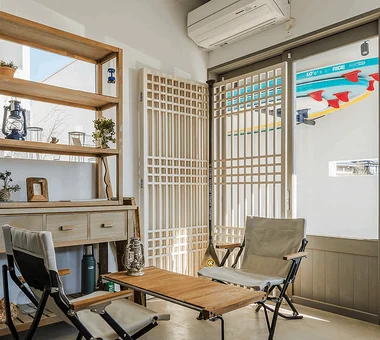
To leverage the advantages of circulation pathways while mitigating drawbacks, it is crucial to define objectives early in the design process. Public zones for guests and dining, private zones such as bedrooms and studies, and service zones including kitchens and laundry areas should be distinctly separated. Limiting circulation primarily to service zones preserves spatial efficiency. Visual privacy can be enhanced with half-walls, louvers, or movable partitions strategically placed to separate areas without obstructing daylight or airflow. Acoustic control measures include installing sliding doors in studies and positioning storage along corridor walls to act as sound buffers. Utilizing furniture as visual and acoustic barriers is a common practical approach. Floor transitions should be level or gently sloped using durable finishes to reduce future maintenance burdens. Incorporating movable partitions and mobile furniture supports adaptability for future functional changes. Integrating a thorough understanding of occupant routines—such as guest frequency, cleaning and laundry schedules, and anticipated family composition changes—into the design process enables informed decisions on circulation extent, storage capacity, and fixture specifications. This approach ensures a practical design that maximizes convenience while minimizing disadvantages.
-
Narrow House|Introduction to Architecture Firms|Great Potential Within a Small Footprint2026-05-11|Qurasuki Editorial Department -
Compact House|Custom-built homes by architecture firms|Living Abundantly in Compact Homes2026-05-11|Qurasuki Editorial Department -
Homes for Antique Enthusiasts|Introduction to Architecture Firms|Living with the Patina of Time2026-05-11|Qurasuki Editorial Department -
Homes Embracing Natural Light|Custom-built homes by architecture firms|A Residence Where Light Changes Over Time2026-05-11|Qurasuki Editorial Department -
Homes for Design Enthusiasts|Introduction to Architecture Firms|Designing Everyday Living2026-05-11|Qurasuki Editorial Department -
Homes Featuring Wood-Burning Stoves|Case Studies|A Design of Warmth Where the Flicker of Fire Embraces Life2025-10-13|Qurasuki Editorial Department