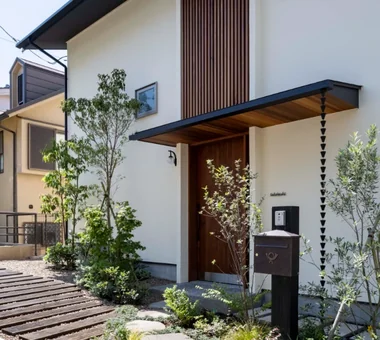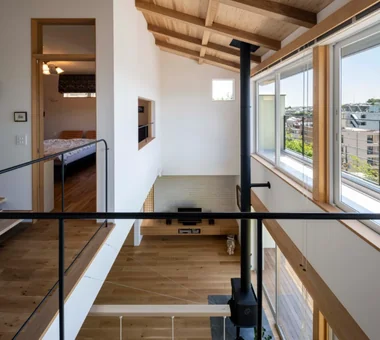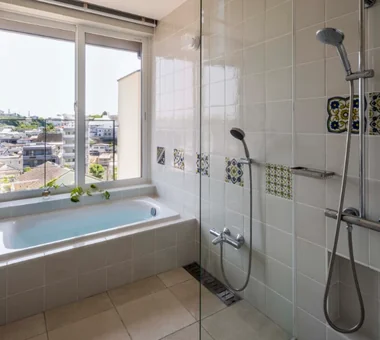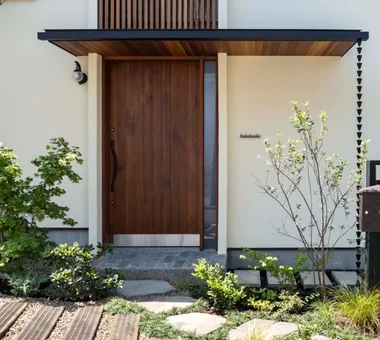
株式会社 SPAZIO建築設計事務所
Homes with Scenic Views|Custom-built homes by architecture firms9Picks|A Residence Where the View Becomes Part of Everyday Living
Author: Qurasuki Editorial Department
When constructing a house on a site with expansive views, the core of the design lies in how those vistas are 'framed' and how they are experienced in daily life. It is not enough to simply provide large windows; by carefully considering eye level, the geometry and placement of openings, and the sequence of views perceived from interior spaces, the architectural relationship with the landscape can be orchestrated to maximize the richness of the outlook. Equally important are strategies to secure privacy while preserving views, and measures to respond to solar exposure and prevailing winds. The architectural office discerns the site's potential and proposes homes in which the scenery naturally integrates as part of everyday living.

Residential House in Tarumi
In-Ex Design Co., Ltd.
House in Hamura
Mochizuki Architectural Atelier
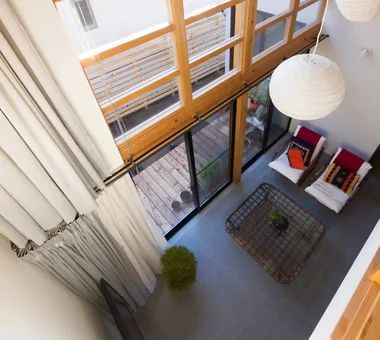
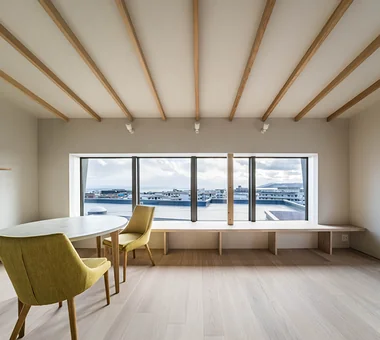
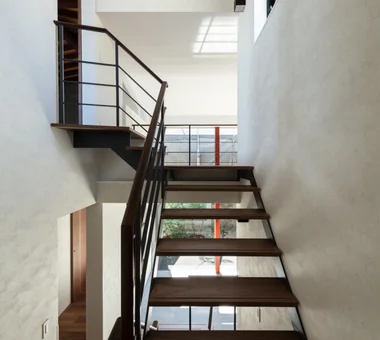
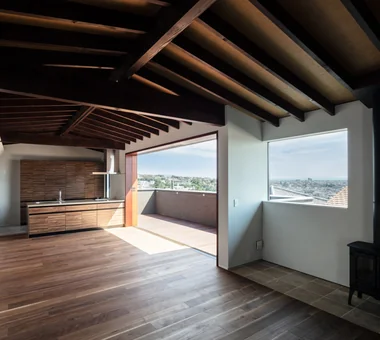
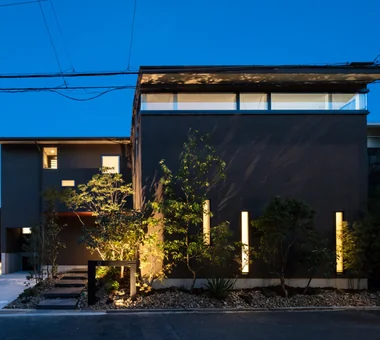
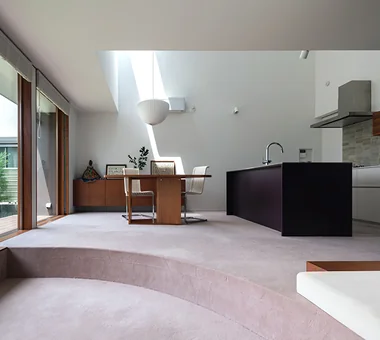
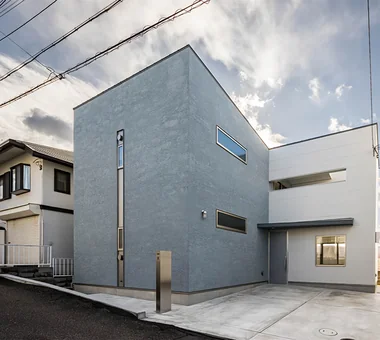
The site is a corner lot in a suburban residential neighborhood, with a park resembling a copse extending to the east. The primary living spaces are located on the second floor; continuous openings from the kitchen through the dining to the living area capture borrowed views, while ceiling heights are varied. The living area is set one step higher and incorporates a built-in sofa and a study corner with expansive views. The exterior is characterized by a mono-pitched roof and horizontal windows, with a change in cladding between the upper and lower sections. The interior is unified in a calm, restrained palette.
House in Hamadera
Coo Planning
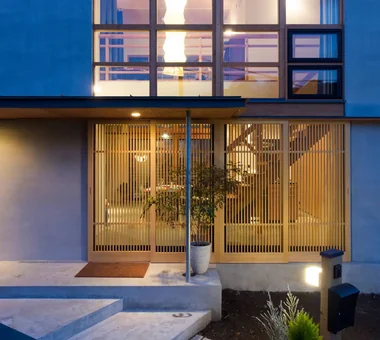
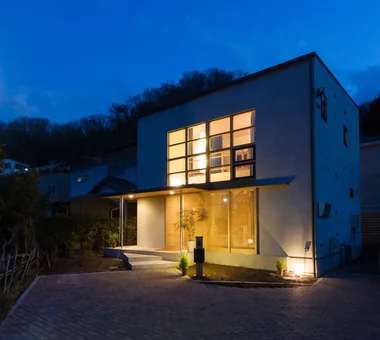
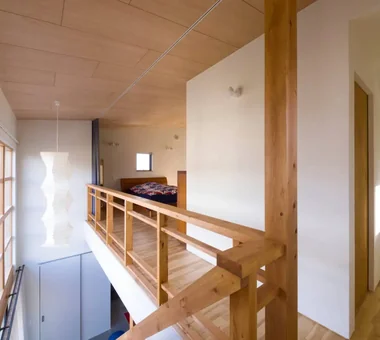
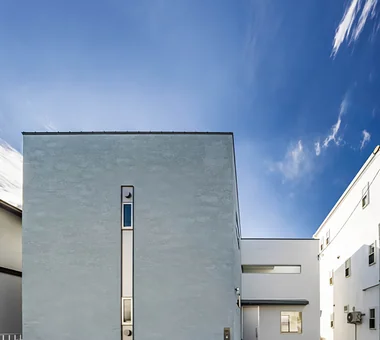
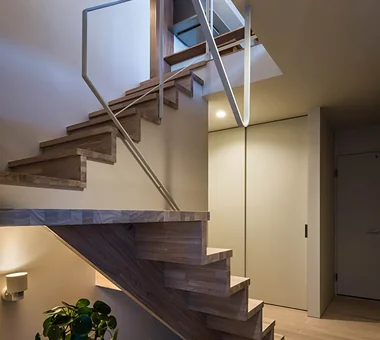
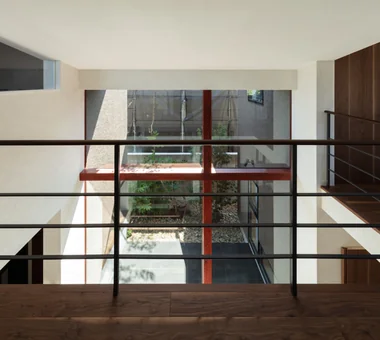
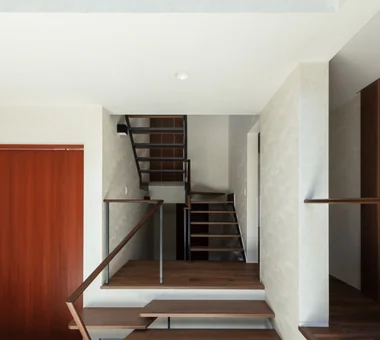
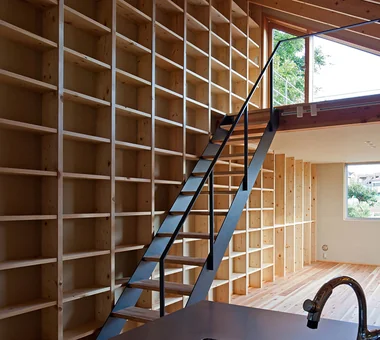
This residence is located in a quiet residential neighborhood in Sakai City, Osaka Prefecture. The subdivision parcel is somewhat deep relative to its frontage: the street in front runs almost due north and is 4 meters wide, the east and west sides are tightly flanked by neighboring properties, and a verdant Shinto shrine sits to the south. The interior is arranged as a skip-floor configuration that exploits ceiling heights and materiality; full-width built-in bookshelves line the east and west elevations, the shrine's greenery is framed by a cruciform window, and daylight from a skylight admits light, natural ventilation, and a sense of greenery into the spaces.
House in the Northern District
Abax Architects
House in Toda
KASA ARCHITECTS
This house in Toda City, Saitama Prefecture responds to an environment of surrounding factories, warehouses, and heavy traffic by adopting a closed composition toward the street. An internal courtyard brings in daylight and natural ventilation while maintaining separation from the exterior, creating a calm residential environment. By engaging with its context, the dwelling produces a rich, inward‑focused living realm.
House in Futtsu
Yu Architectural Design Studio
House on Katase Coast
Kurashi no Jōzōsho
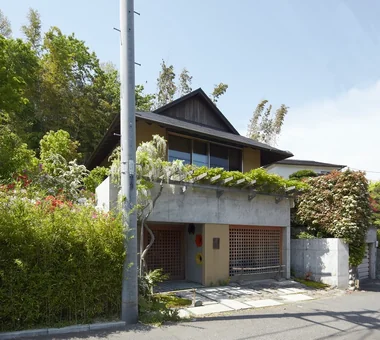
This rebuilt residence for a couple is located in a neighborhood that still retains the nostalgic character of historic Shōnan. While respecting the long‑cherished landscape and collective memories, we preserved the existing trees and pursued an architectural presence appropriate to the site. A façade color palette selected to harmonize with the surrounding context, together with the greenery that will be shaped by maturing planting, lends the home a rich and nuanced expression. It is a quiet, refined dwelling that connects the community’s memories to the future.
House in Tsujido Higashi Kaigan
Tada Architectural Design Office
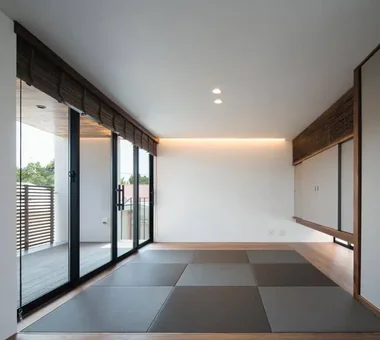
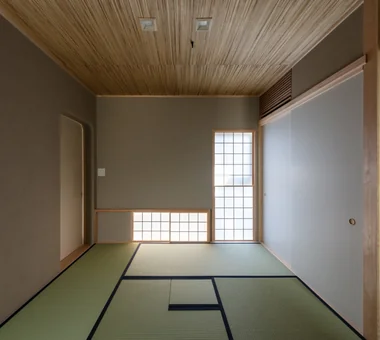
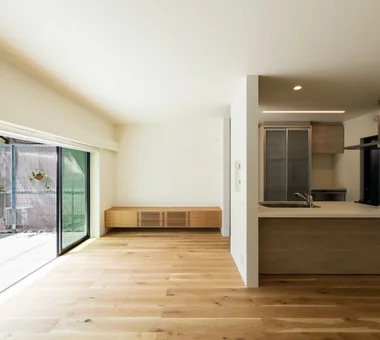
A flag‑lot site five minutes from the Shonan Kugenuma beach. Originally conceived as a two‑storey scheme, the proposal was revised to a small single‑storey house to enable comfortable living in close contact with the abundant natural surroundings. The south façade is composed of a sequence of timber joinery units that can be opened fully to admit the southerly breeze. The floor finish is solid chestnut timber with underfloor heating; the bathroom is constructed on‑site using Towada stone with conventional/site‑built methods; walls and ceilings are finished with luan plywood (commonly termed “shina” plywood) as a cost‑management measure. Due to sandy ground conditions the building sits on a raised foundation, and underfloor storage has been provided beneath a slightly elevated tatami platform, creating varied sightlines into the garden.
Hybrid House Along the Tokigawa River
H₂O Design Office
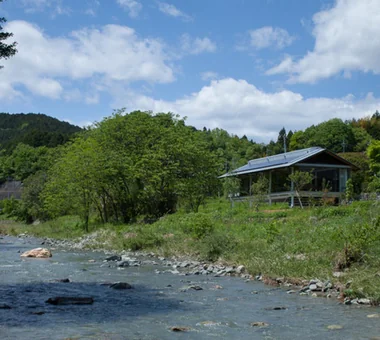
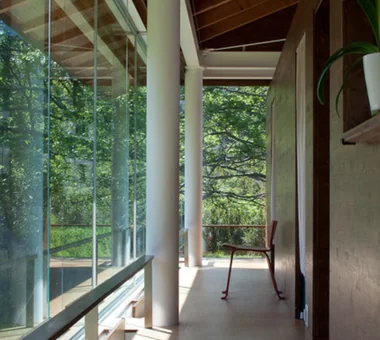
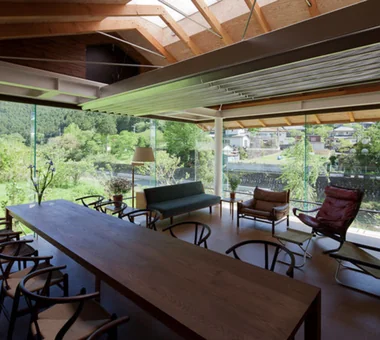
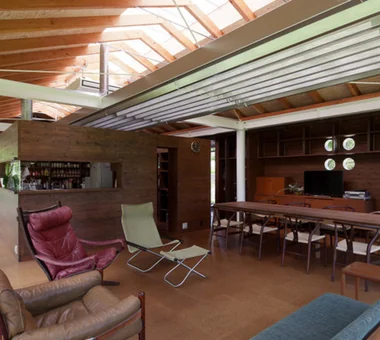
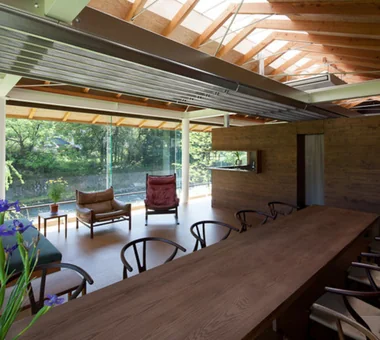
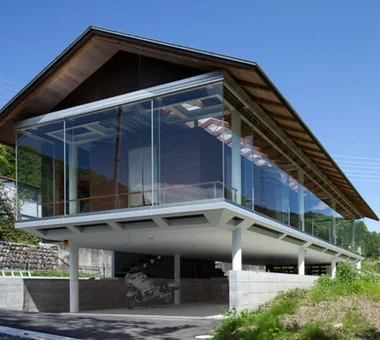
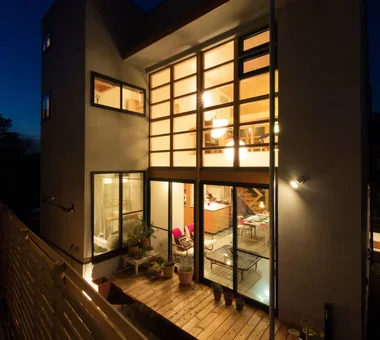
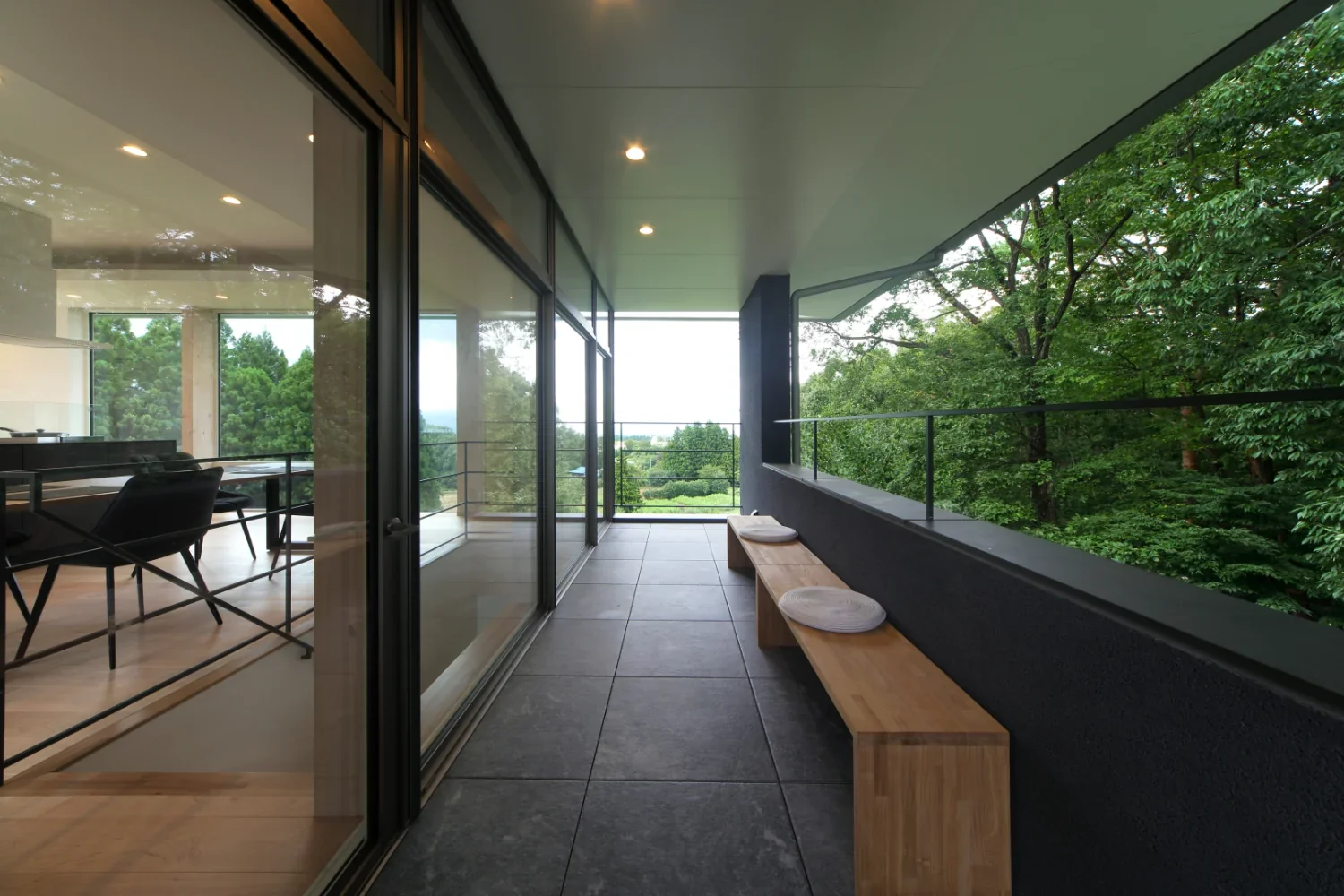
This glass house, a steel-wood-glass hybrid structure, is located within a 50 km radius of the city center on an approximately 220-tsubo site (≈727 m²) on the north bank of the Tokigawa River in Saitama Prefecture. It faces directly onto the Tokigawa with the Chichibu mountain range as its backdrop. The second-floor living level is organized as a looped circulation pattern, achieving an integrated thermal environment and daylighting under a single roof. Because the exterior walls have no operable openings, the building is equipped with a ventilation system that employs horizontally projecting, louver-like operable devices cantilevered from the second-floor slab combined with buoyancy-driven (stack) ventilation to exhaust air via a rooftop mechanical ventilator.
-
Concrete Houses|Case Studies|The Intrinsic Strength of Materials and Geometric Sculptural Beauty2026-06-24|Qurasuki Editorial Department -
Skip Floor|Custom-built homes by architecture firms|Volumetric Richness Created by Level Differences2026-05-11|Qurasuki Editorial Department -
Stylish Lofts|Key Points for Home Building|Strategies for Maximizing Space on Limited Sites2026-03-02|Qurasuki Editorial Department -
Narrow House|Custom-built homes by architecture firms|Abundant Living Within a Compact Site2026-05-11|Qurasuki Editorial Department -
Hotel‑inspired Residence|Custom-built homes by architecture firms|The Extraordinary within Everyday Life2026-05-11|Qurasuki Editorial Department -
The Simple House|Key Points for Home Building|Essential Spatial Design: Strategies for Eliminating Excess2026-03-02|Qurasuki Editorial Department