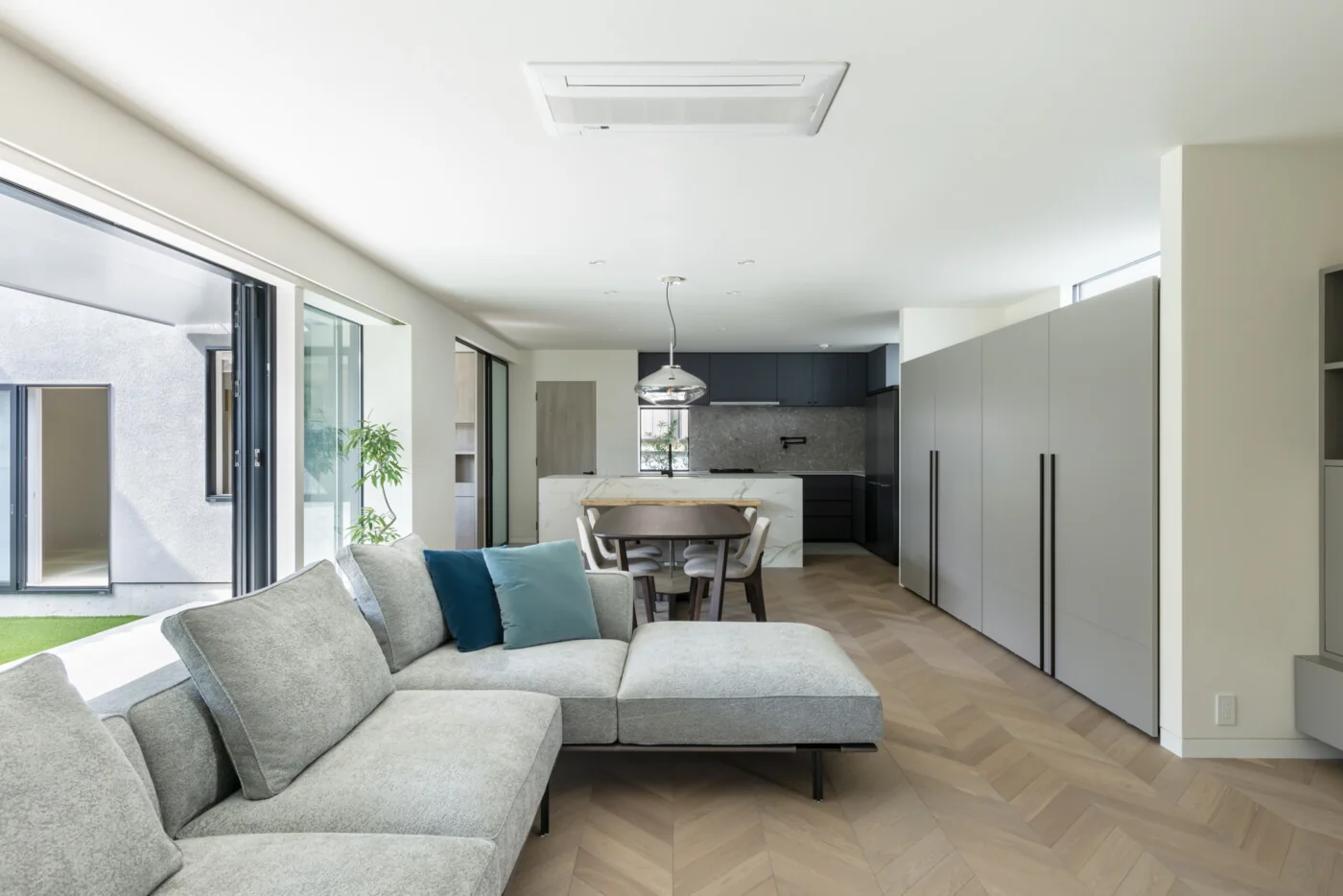
Abax Architects
Modern Residences|Key Points for Home Building|Refined Spatial Design Integrating Functionality and Aesthetics
Author: Qurasuki Editorial Department
Modern design originated in the artistic movements of the early 20th century and continues to operate as a fundamental architectural aesthetic. Principles such as the integration of functionality and aesthetics, the removal of superfluous ornament, and the honest use of materials remain pertinent to contemporary residential design. True modernism, however, is not merely a pursuit of the new; it embodies an attitude that seeks to fully realize the lifestyle and technological potentials of its time. Through rectilinear composition, a clear color strategy, and the use of materials such as glass, steel, and concrete, refined spaces are produced—modern homes that achieve aesthetic fulfillment without compromising practicality.
Composition Emphasizing Horizontal Lines.
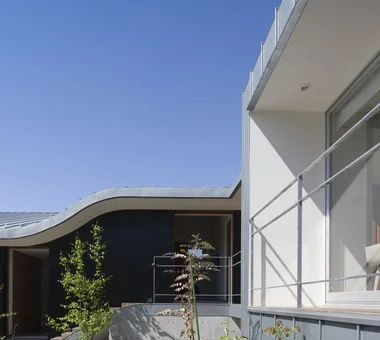
A defining characteristic of modern architecture is the elegant, horizontally extending lines. Features such as extended eaves, continuous windows, and flat roofs create a serene yet powerful presence reminiscent of the horizon. By emphasizing the horizontal plane, a sense of stability and expansiveness is simultaneously achieved, culminating in a contemporary aesthetic. The pursuit of horizontality integrated with the structural system forms the foundation of modern architectural design.
Connecting Interior and Exterior with Large Openings.
Expansive glass surfaces integrate the interior with the garden seamlessly. Techniques such as minimizing the visible frame of the sash and connecting windows at the corners create a more open and inviting space. However, selecting glass and sash systems with high thermal insulation performance is a prerequisite for maintaining comfort. Strive to maximize openness while balancing structural safety and aesthetic quality.
Defining Space with the Contrast of White and Black.
In modern design, the contrast of brightness—such as white walls paired with black window frames, and white ceilings contrasted with dark floors—is highly effective. This contrast imparts a sense of tension within the space and clearly delineates the contours of each element. By eliminating intermediate tones, a more contemporary and sharp impression is achieved. The boldness of the color scheme decisively characterizes the modern interior.
Urban Expression with a Flat Roof.
The flat roof is an iconic element of modern architecture. Its simple box-shaped silhouette imparts an urban and sophisticated impression. While thorough waterproofing and drainage planning are prerequisites, there is also the advantage of utilizing the rooftop space. The flat roof creates a contemporary residence that opens up toward the sky.
Creating Expression Through the Combination of Different Materials.
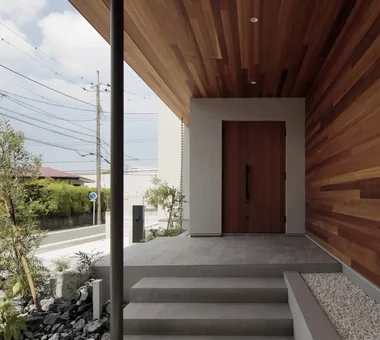
In modern design, combining different materials such as concrete and wood, or glass and steel, generates a rich expression. By clearly defining the boundaries between materials and accentuating their individual characteristics, the contrast between materials adds depth to the space. The selection of materials and the method of combining them determine the quality of the design.
Creating Fluid Spaces with an Open Plan.
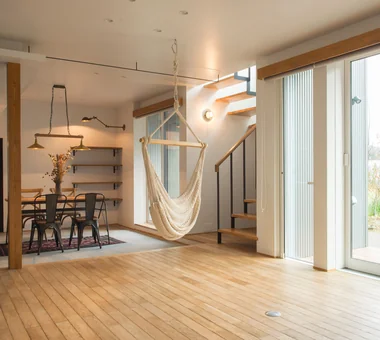
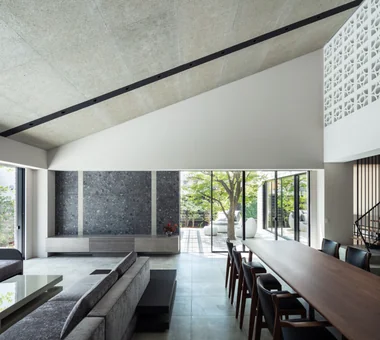
Rather than dividing the space with numerous walls, creating a large, open-plan room allows light and air to flow freely throughout the residence. The living, dining, and kitchen areas are visually connected, enabling occupants to remain aware of family presence while engaging in different activities. Flexibility is maintained by gently partitioning the space as needed using movable partitions or furniture.
Integrating Lighting into Architecture.
In modern spaces, lighting fixtures are designed to avoid asserting themselves as distinct objects. Through lighting strategies integrated with the architecture—such as downlights, indirect lighting, and linear lighting—the design focuses on the light itself. Maintaining a flat ceiling plane enhances the abstraction of the space. The seamless integration of lighting critically determines the refinement of modern design.
Composed of Geometric Forms.
Modern architecture is composed of clear geometric forms. The volumetric composition combining rectangular and cubic shapes, as well as the use of pure forms such as circles and triangles, brings order and beauty to the architecture. Avoiding complex shapes and structuring spaces with simple geometry is a fundamental principle of modern design.
Lightness Achieved Through Cantilevers.
By employing cantilevered structures for balconies, eaves, and staircases, a sense of suspension and lightness is created. Although this requires advanced structural calculations, the visual impact is significant, producing an expression characteristic of modern architecture. This is the essence of modern design, where structural beauty and aesthetic appeal converge.
Controlling Light and Airflow through the Courtyard.
Even in densely built urban sites with challenging conditions, incorporating a courtyard allows for the introduction of natural light and ventilation. A design that is closed to the exterior yet open to the interior achieves a balance between privacy and an expansive living environment. The circulation path centered around the courtyard also enriches the spatial experience in a modern residence.
Integration with the Space through Custom-Made Furniture.
Custom-made furniture, designed integrally with the architecture rather than using commercially available pieces, completes the modern space. Counters and shelves constructed to flow continuously from the walls are perceived as part of the architecture, enhancing the spatial unity. Blurring the boundaries between furniture and architecture is a hallmark of modern design.
The Aesthetics of Exposed Structure.
By exposing structural elements such as steel columns and beams, as well as concrete frameworks, a modern sense of robustness is achieved. The structure itself becomes a design feature, and the beauty born from necessity dominates the space. The coexistence of structure and design enables the realization of modern architecture.



 Homes for Antique Enthusiasts|Introduction to Architecture Firms|Living with the Patina of Time
 Hotel‑inspired Residence|Introduction to Architecture Firms|A Home Where the Extraordinary Becomes Everyday
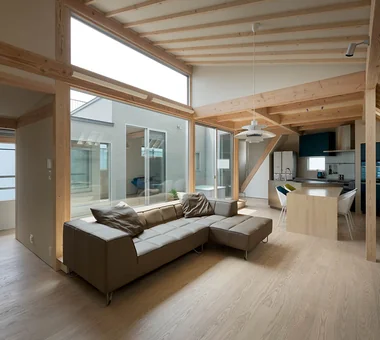 Two-Family House|Introduction to Architecture Firms|Balanced Connections Respecting Each Household's Lifestyle
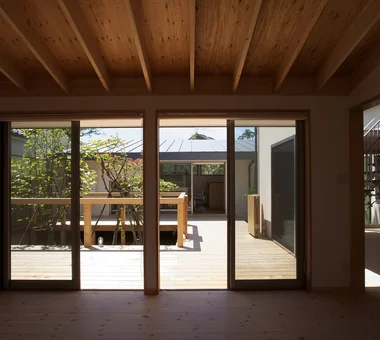 Two-Family House|Case Studies|Spatial Design for Mutual Respect of Lifestyles and Values
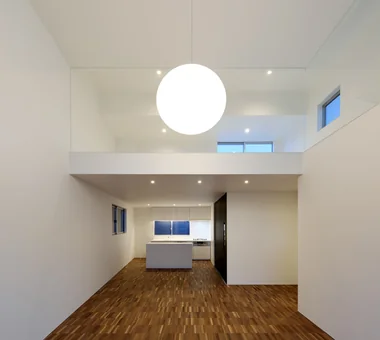 Minimalist Design Residences|Case Studies|A life of functional beauty and tranquility, where empty space and materials harmonize
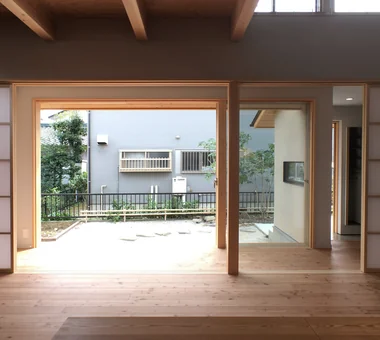 Modern Japanese-Style Residence|Key Points for Home Building|A Wa-Modern Space Where Traditional Beauty and Contemporary Functionality Resonate