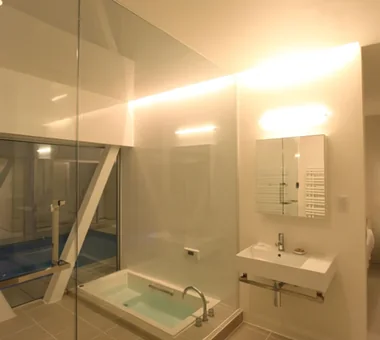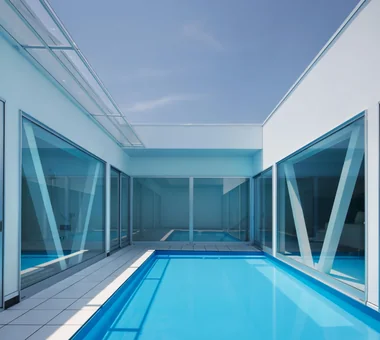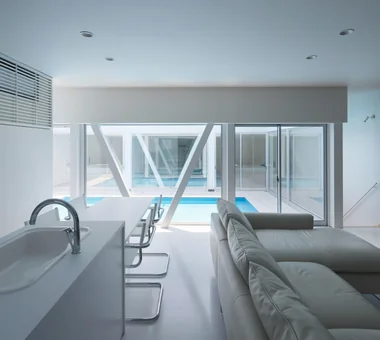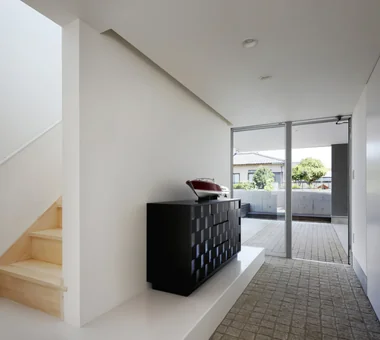
Mitsuhiro Kojima Architects
Glass-Enclosed Residences|Custom-built homes by architecture firms7Picks|The Richness of Light and Transparency
Author: Qurasuki Editorial Department
A glass-clad residence is a form of open architectural expression that blurs the boundary between interior and exterior while richly admitting light and views. At the same time, large glazed surfaces must address challenges such as thermal performance, privacy, and summer solar shading. The design office approaches these issues comprehensively—selecting glass types and performance specifications, employing eaves and lattices for solar control, and orienting openings with regard to neighboring sites and streets—to reconcile transparency with comfort. We present homes that integrate the changing qualities of natural light into everyday living.
ssrh
「ha」 hosaka hironobu architect associate
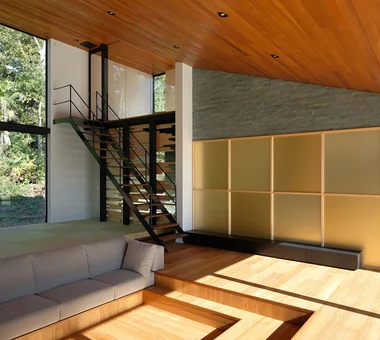
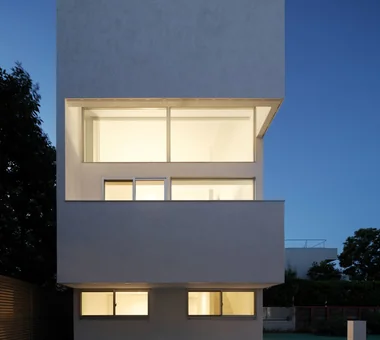
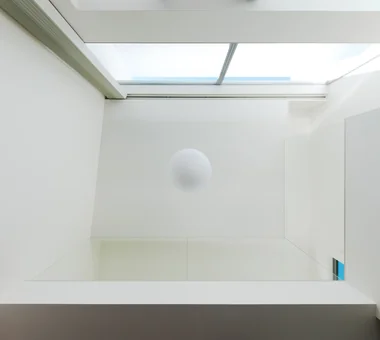
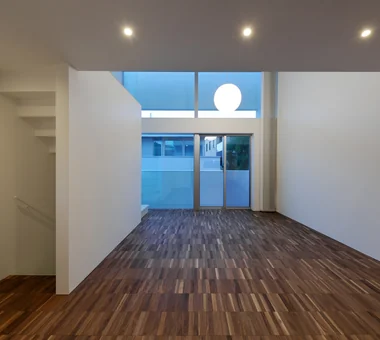
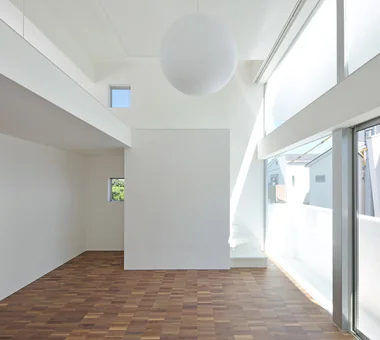
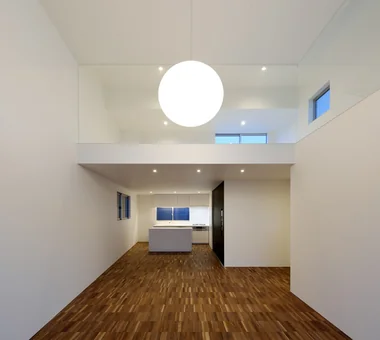
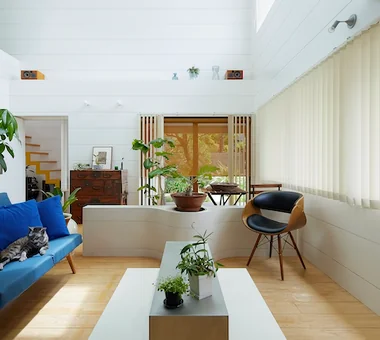
A monumental curtain wall provides an overwhelming sense of openness to the 1.5‑storey double‑height living space. The loft adjoining the double‑height void is enclosed by glass walls and, in dialogue with the large exterior openings, generates further spatial breadth and transparency. Generous natural light envelops the entire residence, and its changing character over time is part of the appeal. Distinctive accent flooring sharpens the space and reinforces the impression of a sophisticated interior.
SAKURA House
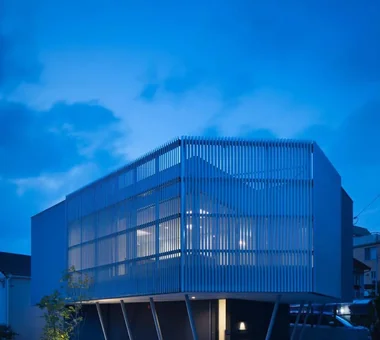
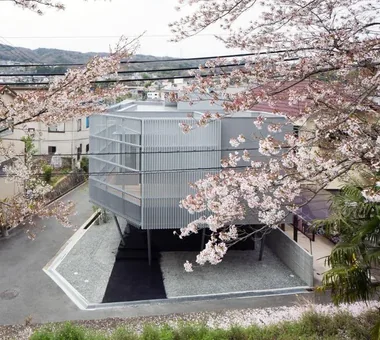
Kumi Inoue Architects
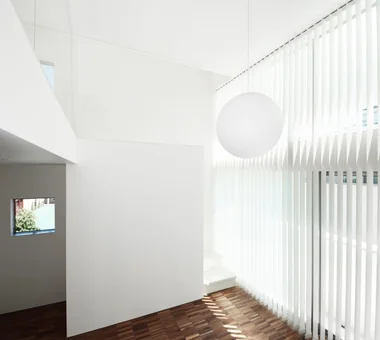
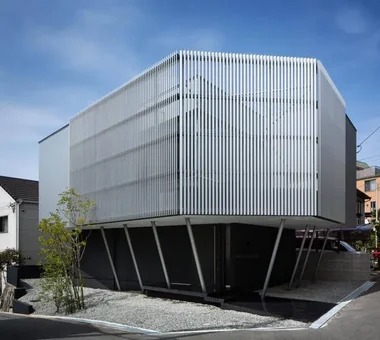
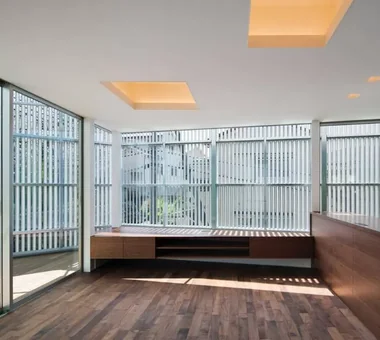
This residence was conceived to celebrate the borrowed-scenery of nearby cherry trees. Primary living spaces are located on the second floor; a louvered screen that envelops the living room mitigates external sightlines while elegantly framing the cherry blossom vista. The louvers’ angles have been calibrated to best showcase the blossoms and to provide effective solar shading, creating an interior environment with reduced direct sunlight and enhanced comfort.
House on Kataokayama | Living beneath a large roof spanning the terrace.
Yoshihiro Yamamoto Architects Associates
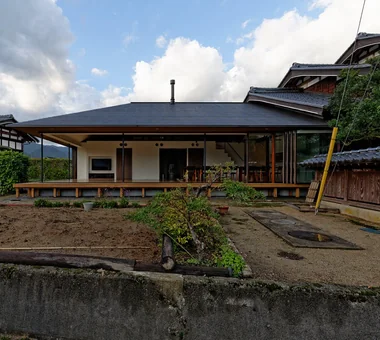
A residence sited on a terrace extending from the Yamato River floodplain; from the upper level it commands panoramic views over the towns of Ōji and Sangō and the mountain ridge from Mt. Shigi to Mt. Ikoma. The site falls approximately 3.0 m from the center and then steps down a further c. 4.5 m via a retaining wall. Bedrooms and closets are arranged on the lower tier within a high foundation that also functions as earth retention, while the upper tier secures a horizontal plane where the kitchen, stair and wet-service areas are distributed. A large gabled roof admits ventilation and daylight through lateral slits, and the highly ambulatory space beneath the eaves is conceived as the core of daily life, permitting an approach from the parking area. Materiality and chroma are restrained, with finishes executed in a clean, minimal linear manner.
Hybrid House Along the Tokigawa River
H₂O Design Office
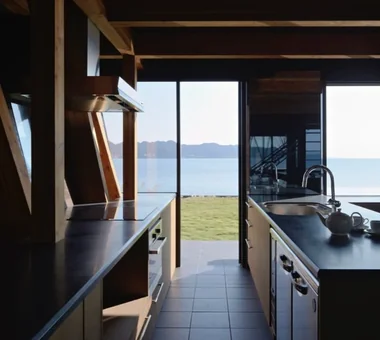
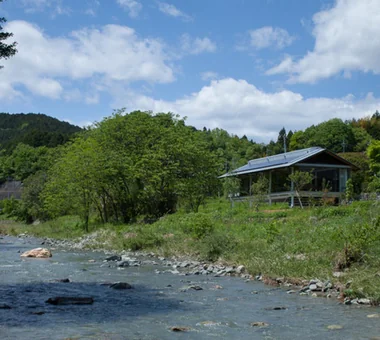
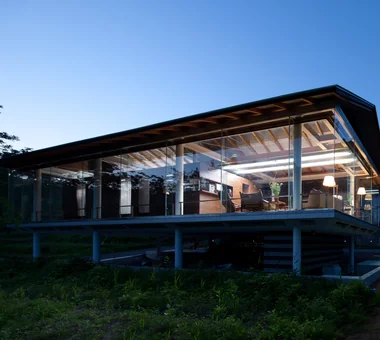
This is a glass house with a hybrid structure of steel, timber, and glass, built on a site of approximately 220 tsubo along the Tokigawa stream in the northwestern part of Saitama Prefecture, about 50 km from the city center. It faces the Chichibu mountain range and opens onto an environment where the clear stream and seasonal changes can be enjoyed. The second-floor living spaces are arranged with a circulatory flow, with a design that prioritizes an integrated thermal environment and abundant daylighting. Instead of providing openings in the exterior walls, the building is equipped with an environmental control system that combines horizontal louvers on projecting floors with gravity-driven (stack) ventilation, connected to topside mechanical exhaust.

House of a Potter
Tatsumi Negishi Architectural Studio
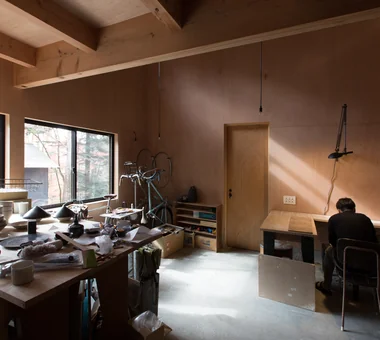
This is a residence for a family of four planned on a site adjacent to a forest at the foot of Mount Fuji. It also serves as a creative base for the husband, a ceramist, and the wife, an illustrator, and the theme is to incorporate the forest scenery into daily life. The living area is a double-height space that opens widely toward the forest, and a black earthen floor (doma) echoes the exterior scoria, blurring the boundary between inside and outside. The building keeps its height low, sitting quietly as if to nestle against the forest.
Kotonoha
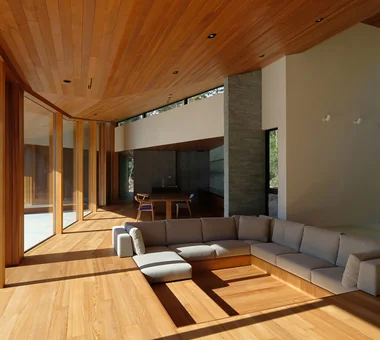
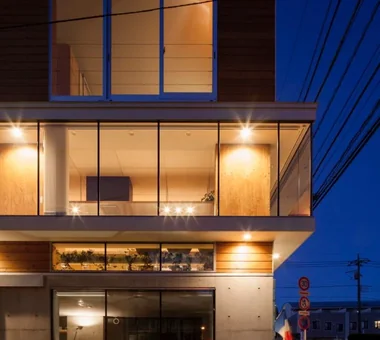
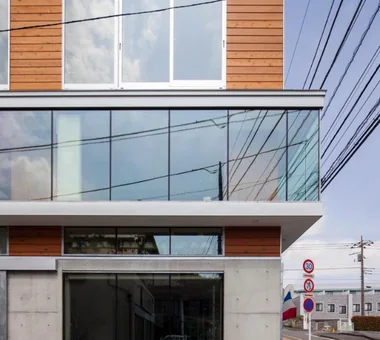
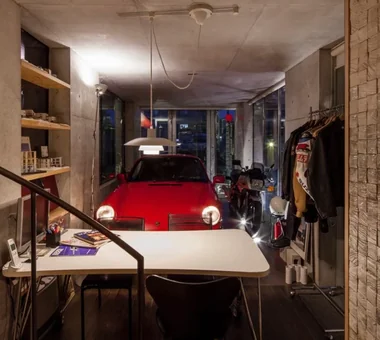
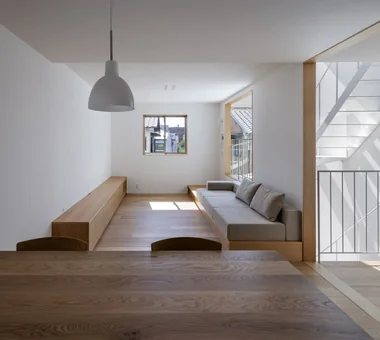
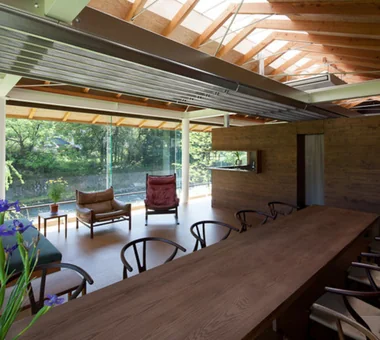
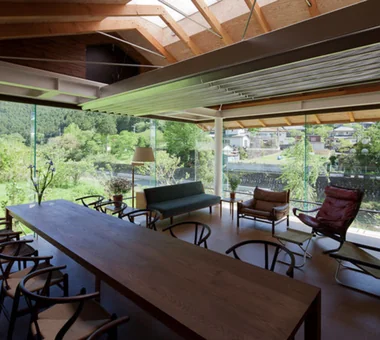
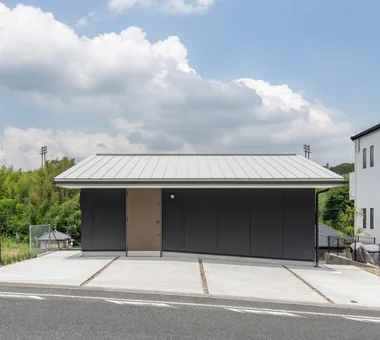
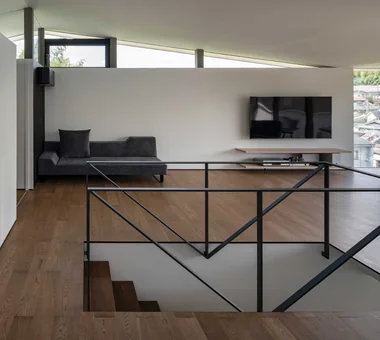
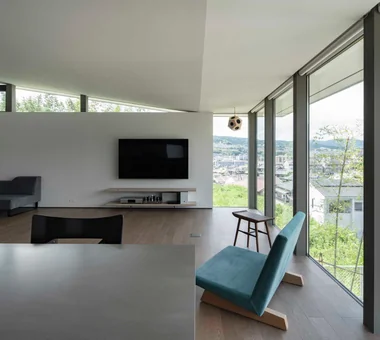
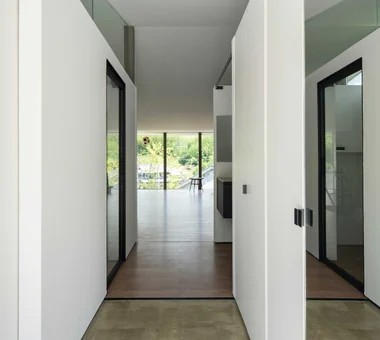
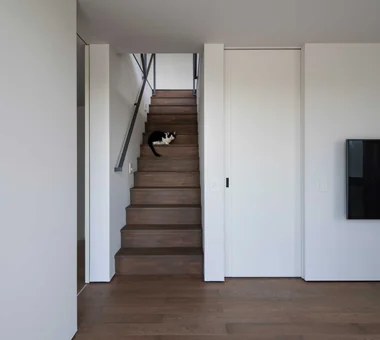
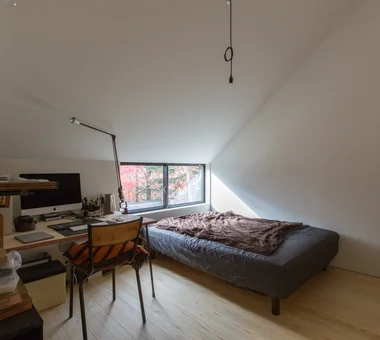
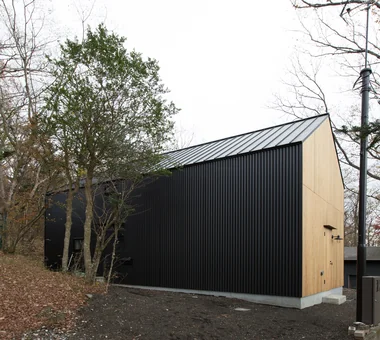
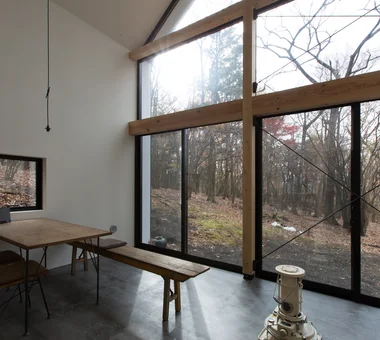
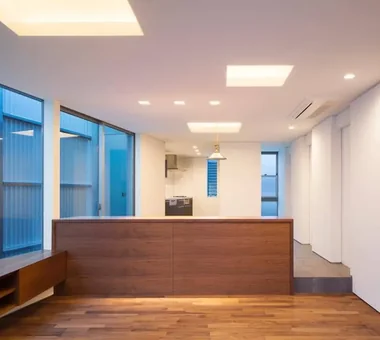
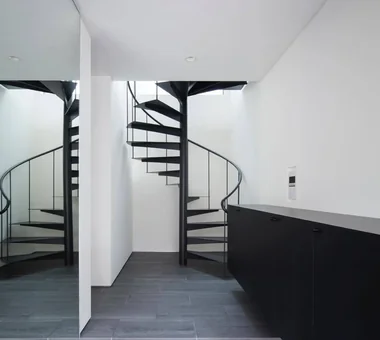
Mitsuhiro Kojima Architects
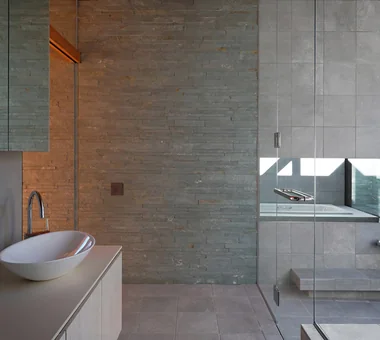
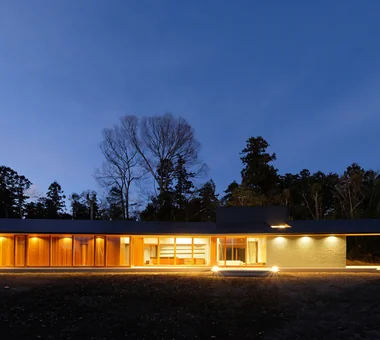
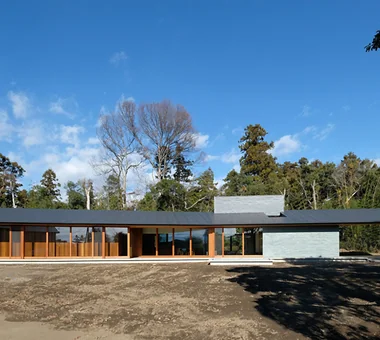
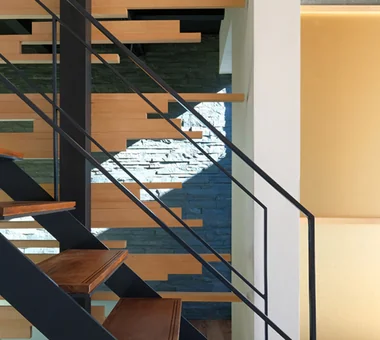
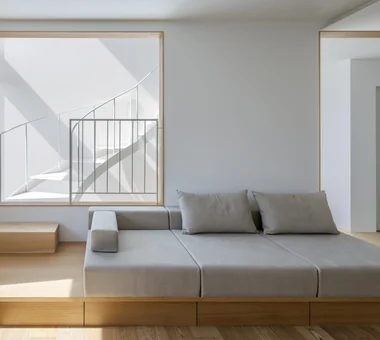
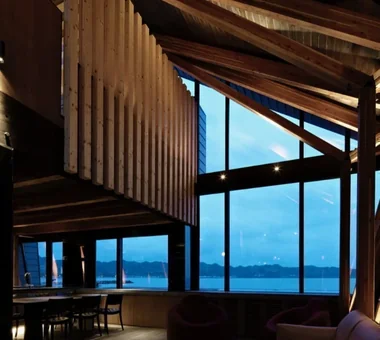
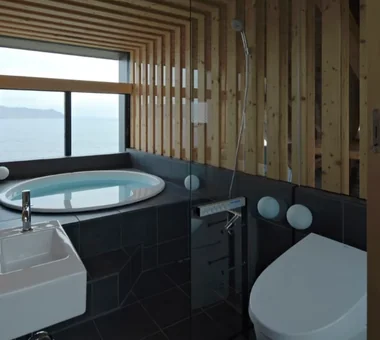
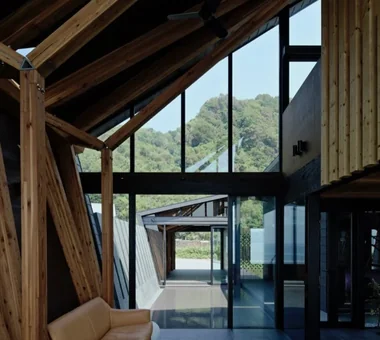
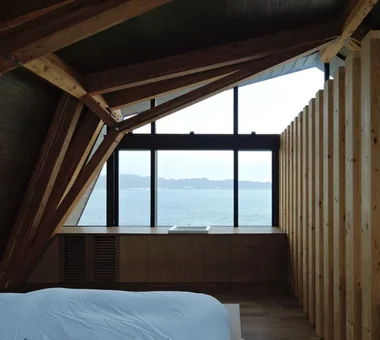
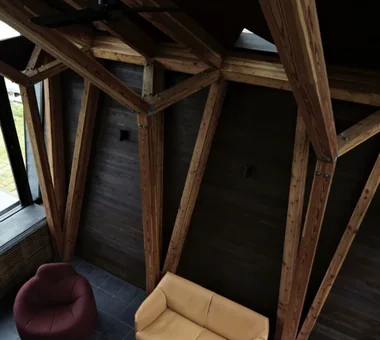
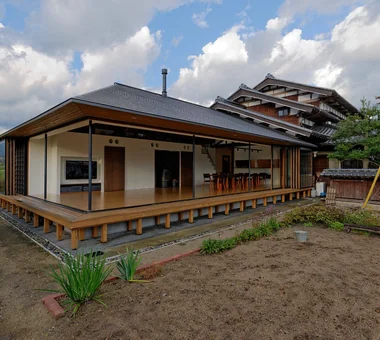
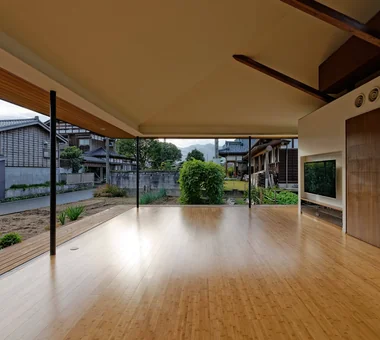
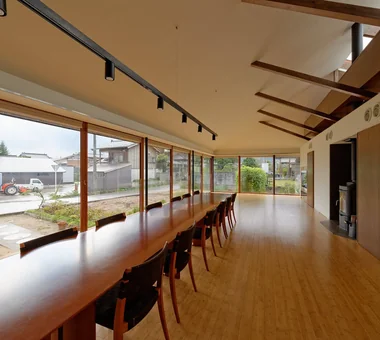
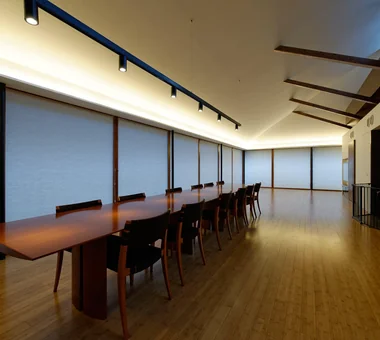
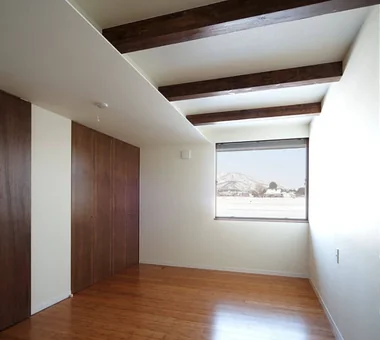
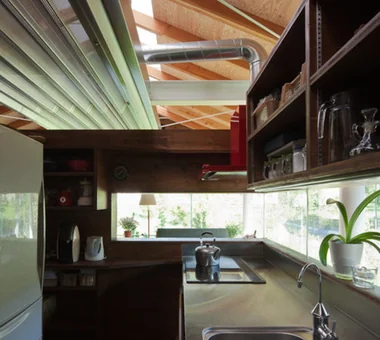
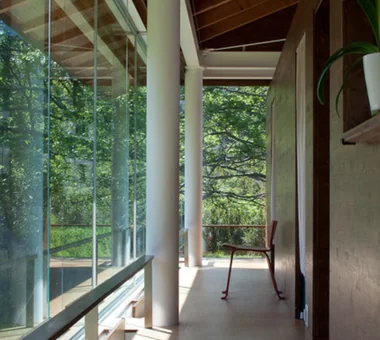
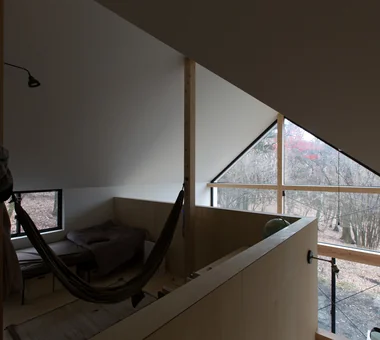
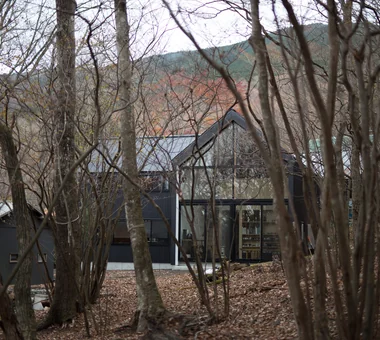
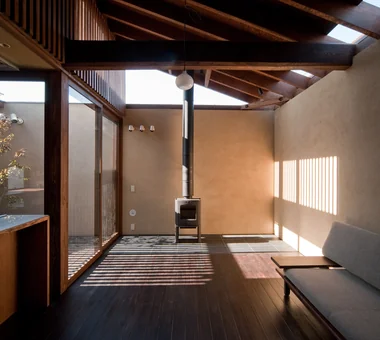
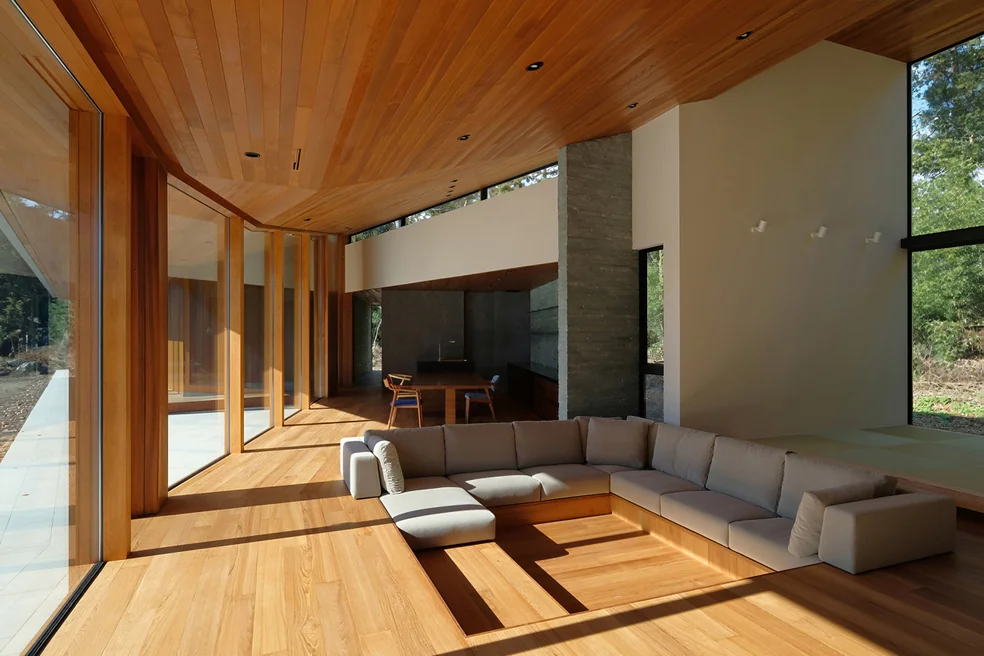
This residence, built on a site surrounded by abundant trees, is themed around living in close harmony with nature. Evoking the scene of fallen leaves overlapping, four roof planes are brought together, under which the family’s living spaces unfold. The roofs gently envelop the spaces while, through gaps between walls and roofs, they direct sightlines and awareness toward the surrounding natural elements—trees, sky, and ground. By drawing the shifting qualities of light and breeze into everyday life and arranging spaces so occupants can perceive seasonal and temporal changes, the design achieves a rich living environment in which family and nature are calmly connected.
House with Extended Eaves
an Archi-Lab. First-Class Architect Office
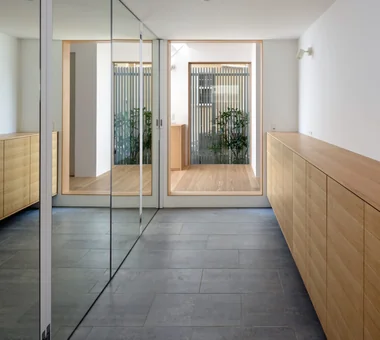
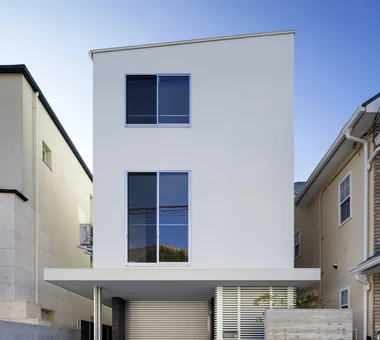
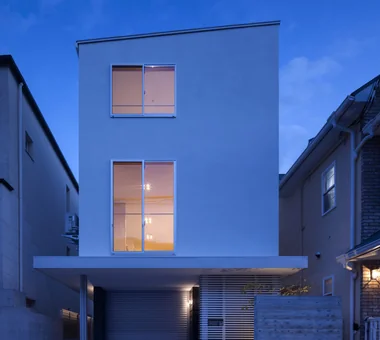
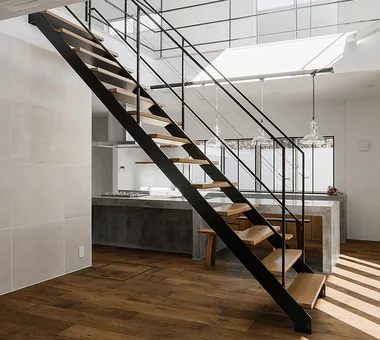
This is an urban residence designed for a dual-income couple and their children. While demanding high functionality on a limited site—including five private rooms, ample storage, a garage, and an elevator—the design transforms the residual spaces created by skillfully carving the building into enhanced qualities of the living environment. Beneath a large overhanging eave that covers the entire site are arranged a front garden, circulation pathways, and bicycle parking, and a three-story atrium stairwell channels daylight and natural ventilation. The dwelling reconciles a high-density program with a sense of openness, proposing a new richness for urban housing.
-
Circulation Flow|Custom-built homes by architecture firms|Designing for Ease of Living with Continuous Circulation2026-05-11|Qurasuki Editorial Department -
The Simple House|Custom-built homes by architecture firms|The Richness of Negative Space2026-05-11|Qurasuki Editorial Department -
Glass-Enclosed Residences|Introduction to Architecture Firms|Inviting Light and Views into the Interior2026-06-24|Qurasuki Editorial Department -
Glass-Enclosed Residences|Key Points for Home Building|Maintaining Privacy While Achieving a Sense of Openness2026-06-24|Qurasuki Editorial Department -
Stylish Children's Rooms|Key Points for Home Building|Flexible Spaces Adaptable to Growth2026-03-02|Qurasuki Editorial Department -
Spiral Staircase|Introduction to Architecture Firms|A Sculptural Centerpiece at the Heart of the Space2026-05-13|Qurasuki Editorial Department