Far East Design Lab.
House with a Doma|Key Points for Home Building|Design Strategies for Leveraging Transitional Indoor–Outdoor Spaces as Multifunctional Areas
Author: Qurasuki Editorial Department
The doma is a long-established element in Japanese houses that functions as an intermediate zone between interior and exterior. In contemporary practice, the doma can be used more freely and creatively while retaining the custom of removing shoes. It has the potential to accommodate a variety of functions — workspaces, galleries, bicycle-stand storage, and more. From a planning standpoint, practical issues are important: clearly segregating areas for outdoor footwear versus shoes-off zones, controlling privacy through level changes, designing effective drainage, and selecting durable floor materials. Additionally, careful daylighting and natural ventilation strategies can transform the doma from a mere ancillary space into a place that plays a central role in daily life.
An Ambiguous Zone Connecting Interior and Exterior.
The doma is a rich, ambiguous space that is neither fully exterior nor interior. It allows for activities without removing shoes, making it versatile for tasks such as gardening, bicycle maintenance, and DIY projects. By incorporating the traditional Japanese doma concept into modern residences, the scope of daily living is expanded.
Spacious Earthen Floor Area Extending from the Entrance.
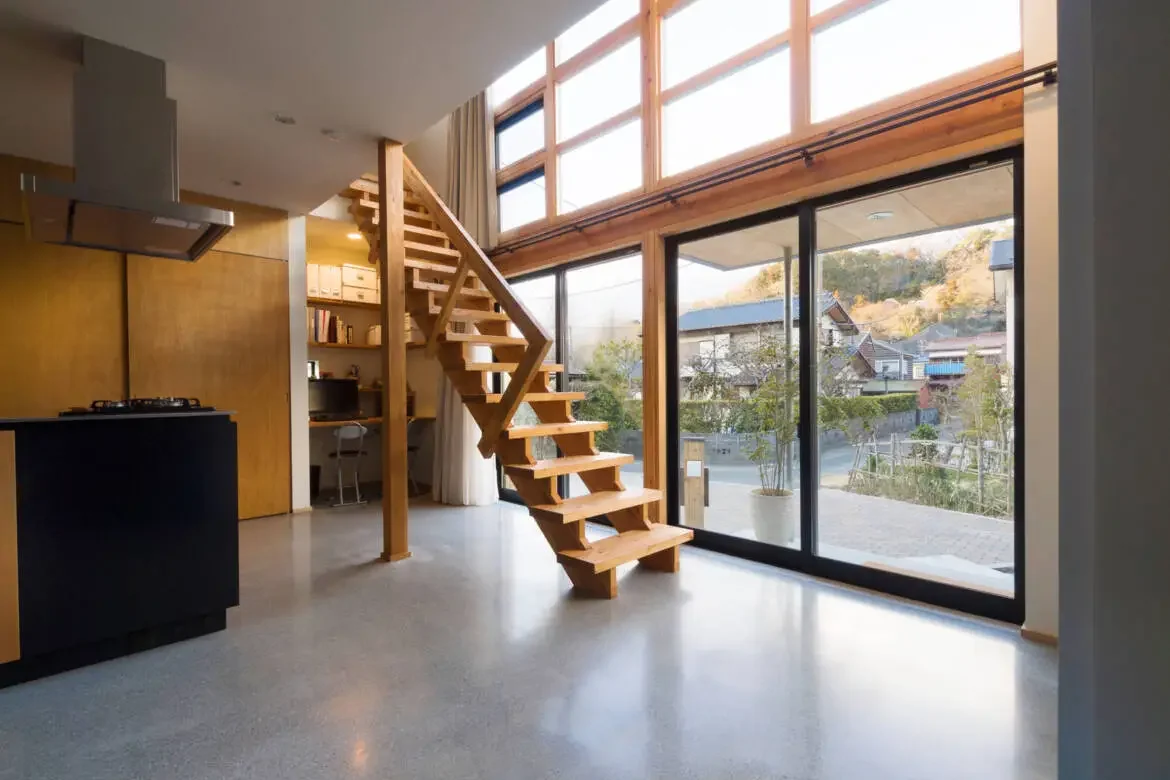
By extending the earthen floor beyond the entrance to the living room and kitchen, a dynamic spatial experience is created. This design enhances practicality by allowing bicycles and strollers to be pushed directly inside and providing a temporary storage area for shopping bags. The earthen floor becomes an integral part of the daily circulation, resulting in a flexible and functional living environment.
Flooring Materials: Mortar and Tiles.
For earthen floors, hard and durable materials such as mortar finishes, tile installations, or exposed aggregate surfaces are suitable. The atmosphere can vary significantly depending on the color and texture, so select materials that harmonize with the overall design of the residence. The choice of material ultimately defines the character of the earthen floor.
Seating Area Utilizing Level Differences.
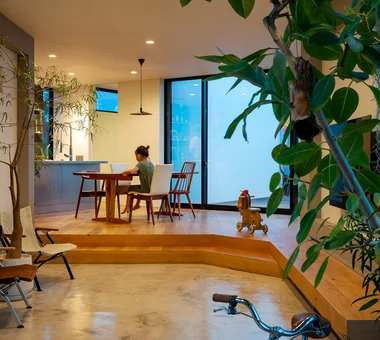
By incorporating a level difference between the earthen floor and the interior floor, the stepped section serves as a seating area. Occupants can sit on the interior side to put on shoes or sit on the earthen floor side to enjoy views of the garden, enabling versatile usage. The level difference creates a distinct place within the space.
Compatibility with Wood-Burning Stoves.
Installing a wood-burning stove on an earthen floor allows you to leverage the floor's fire-resistant properties. Tasks such as carrying in firewood and cleaning out ashes can be performed on the earthen floor without concern for dirt or damage. The lifestyle centered around the warmth of the fire harmonizes exceptionally well with the earthen floor.
Storage for Bicycles and Motorcycles.
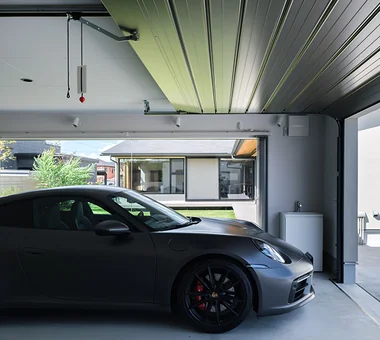
With a dirt floor area, bicycles and motorcycles can be stored indoors. This eliminates concerns about theft and provides protection from rain and wind. Maintenance work can also be performed on the dirt floor, allowing the space to function as an area to enjoy your hobby. The dirt floor thus serves as a garage for your prized vehicles.
Earthen Floor as a Workspace.
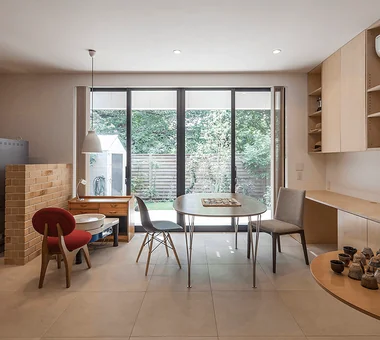
For activities that involve dirt and mess, such as DIY projects, pottery, and gardening, an earthen floor provides an ideal workspace. It allows for the use of water and tolerates floor soiling without concern, enabling full concentration on the task at hand. By installing workbenches and shelving, the space can also function effectively as a professional-grade atelier.
Ideal for Living with Pets.
For households with dogs, the earthen floor area allows for wiping paws after walks and storing pet supplies. This space provides a comfortable environment for pets, functioning as an intermediate zone between the interior and exterior. The earthen floor plays a significant role in harmonious living with pets.
Thermal Insulation, Airtightness, and Thermal Environment.
Since the earthen floor tends to become cold during winter, enhancing thermal insulation and airtightness improves comfort. Conversely, it also offers the benefit of feeling cooler in summer. Adjusting the thermal environment according to the seasons is key to ensuring year-round comfort.
Multipurpose functionality enabled by storage shelving.
By installing storage shelves on the walls of the earthen floor area, a variety of items such as shoes, outdoor equipment, tools, and gardening supplies can be organized efficiently. Both open shelves and those with doors can be selected according to the intended use. Enhanced storage capacity improves the functionality of the earthen floor space.
A Place for Family Gatherings.
By integrating the earthen floor area with the dining and living spaces, it becomes a lively place where the family gathers. Placing tables and chairs on the earthen floor allows for dining, children’s play, and other flexible uses. The earthen floor becomes the focal point of daily life.
Fusion of Tradition and Modernity.
The doma is a traditional Japanese space, but by integrating it with contemporary design, a new appeal emerges. Combining modern furniture and lighting creates a unique blend of Japanese and Western aesthetics. While inheriting tradition, create a doma that suits modern living.



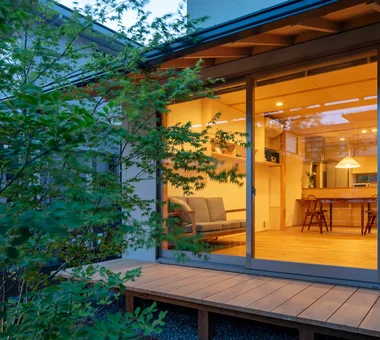

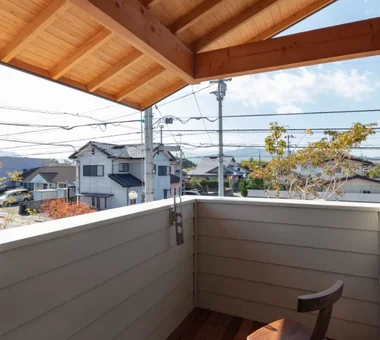
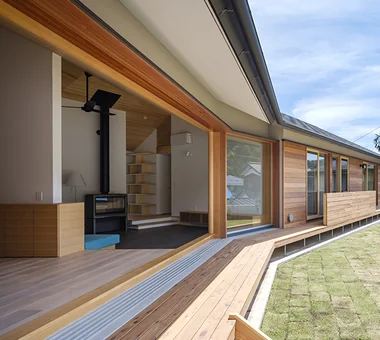 Single-Story Houses|Key Points for Home Building|Realizing a Stair-Free Lifestyle and Efficient Spatial Layout
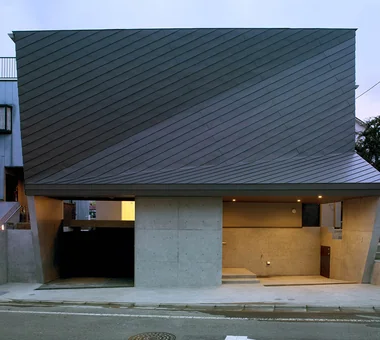 Homes for Design Enthusiasts|Introduction to Examples by Floor Plan & Room Type|A Home That Balances Sensibility and Livability, Elegantly Composing Materials, Light, and Negative Space
 House with a Doma|Introduction to Architecture Firms|A Rich Transitional Space Connecting Interior and Exterior
 Stylish Studios|Key Points for Home Building|Daylighting and Environmental Design Supporting Creative Activities
 Garage Houses|Custom Home Examples by Architectural Offices|A Home for Living with Your Beloved Car
 Compact House|Key Points for Home Building|Design Strategies for Living Well in Compact Homes