Mitsuhiro Kojima Architects
Contemporary Design Residences|Custom-built homes by architecture firms8Picks|Expressions of Contemporary Living
Author: Qurasuki Editorial Department
Contemporary design is an architectural approach that pursues refined spaces without being confined to a specific style, flexibly integrating contemporary lifestyles, materials, and technologies. It eschews excessive ornamentation without becoming overly sterile, judiciously combining natural materials and industrial products to maintain a balance between function and aesthetics. The architectural practice values a lasting universality while adapting to shifts in the era, proposing spaces that are responsive to the lifestyles of their inhabitants.

The Form of the Wind
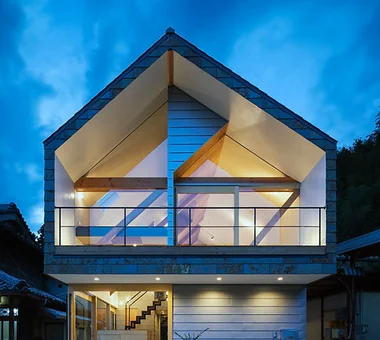
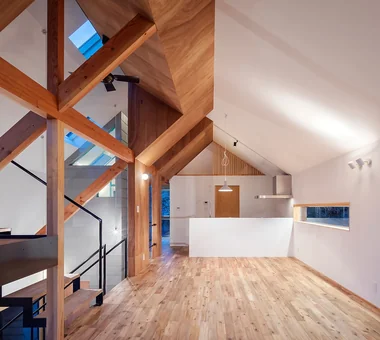
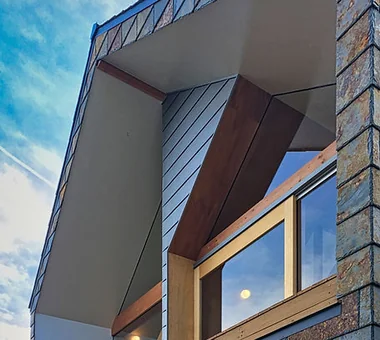
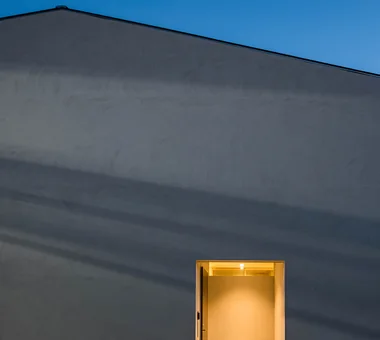
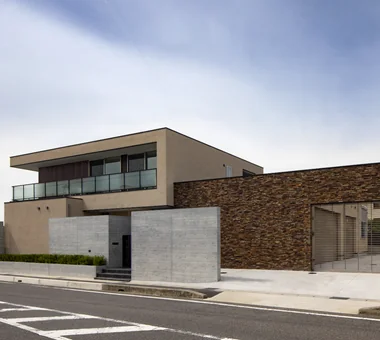
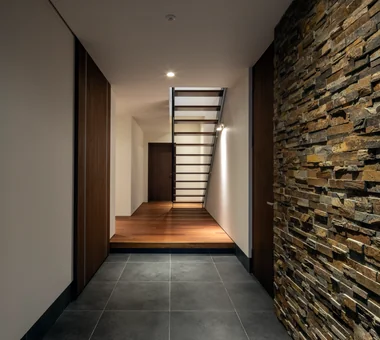
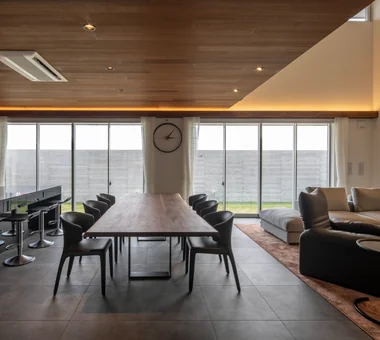
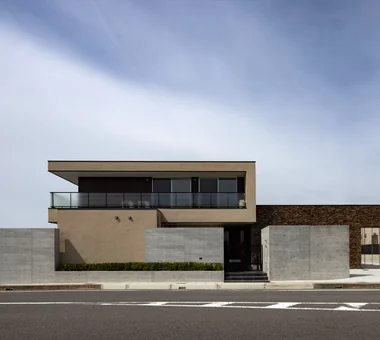
Mitsuhiro Kojima Architects
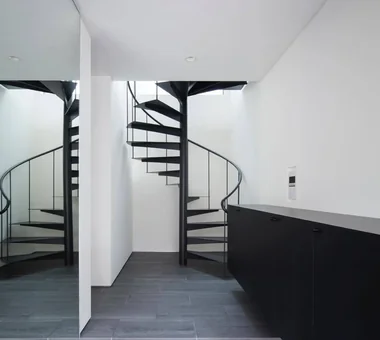
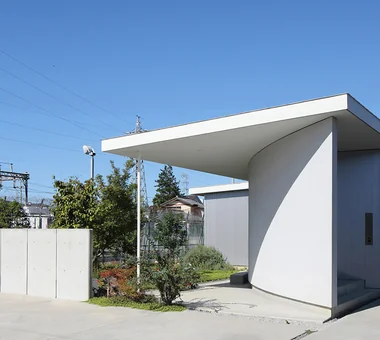
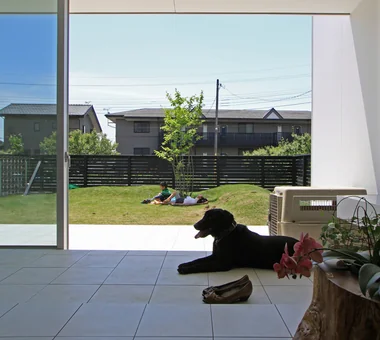
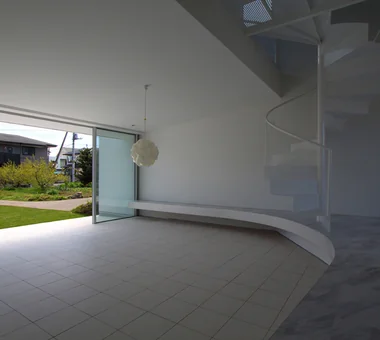
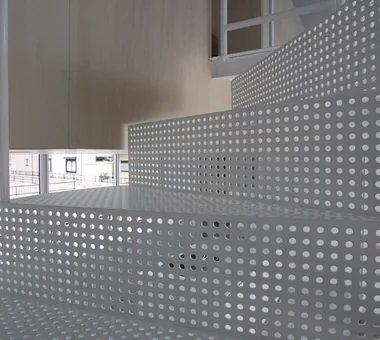
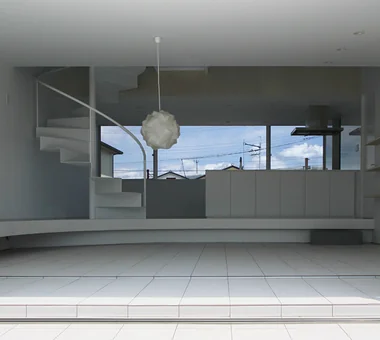
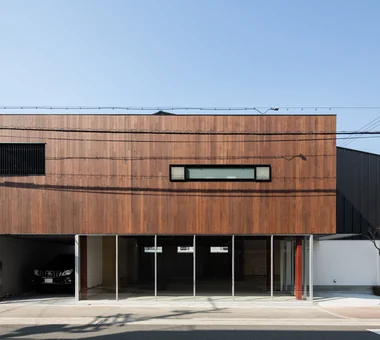
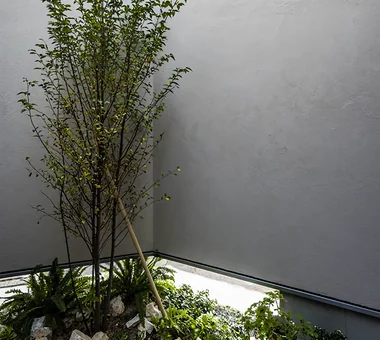
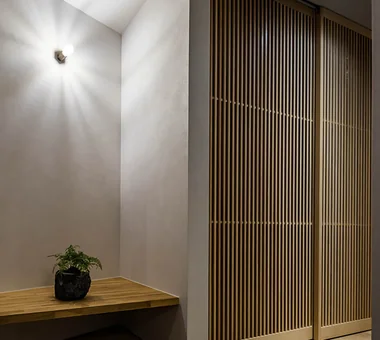
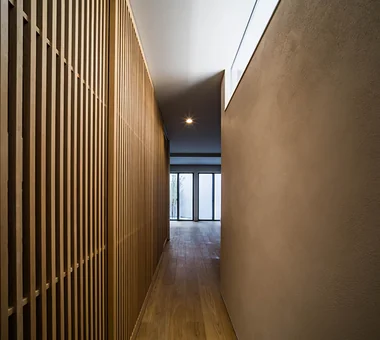
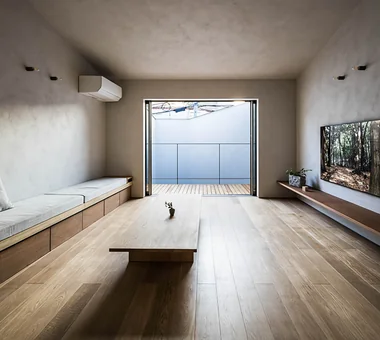
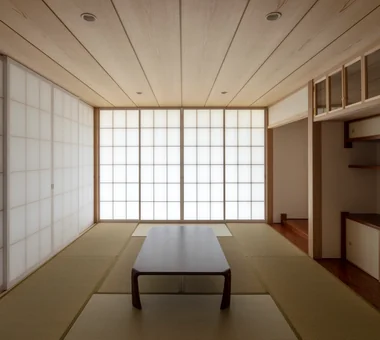
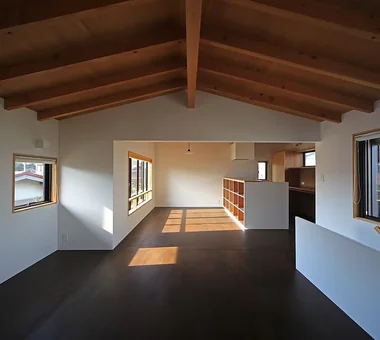
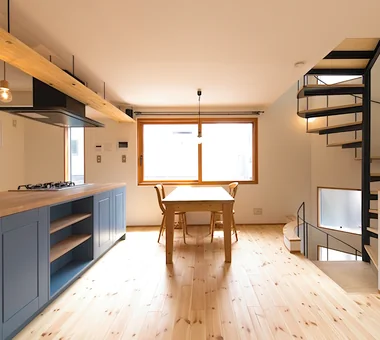
This is a residence in Isesaki City, Gunma Prefecture, known as one of Japan’s hottest regions. Responding to the client’s desire to live comfortably without relying on air conditioning, we reinterpreted the wisdom of traditional Japanese houses in a contemporary way. We carefully analyzed wind patterns, ground heat, and seasonal solar exposure, and constructed an environment that harnesses natural forces. Furthermore, by manipulating ceiling slopes, changes in floor level, and wall heights, we skillfully control sightlines to reconcile a sense of openness with privacy. Even now, after three summers since completion, no air-conditioning has been installed, and the house affords comfortable living while allowing residents to feel the passage of the seasons.

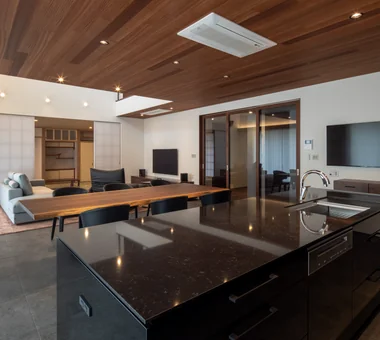
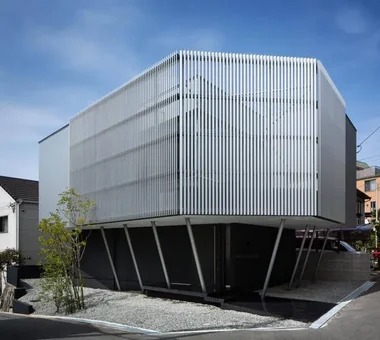
House in Miyakojima
Abax Architects
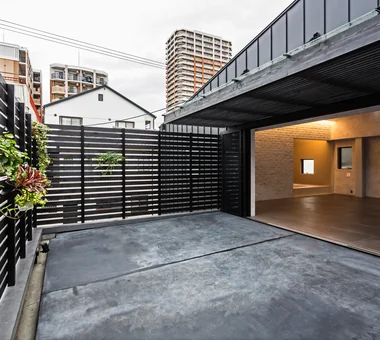
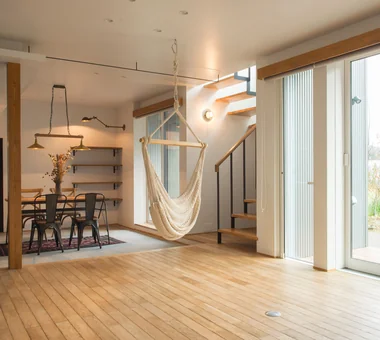
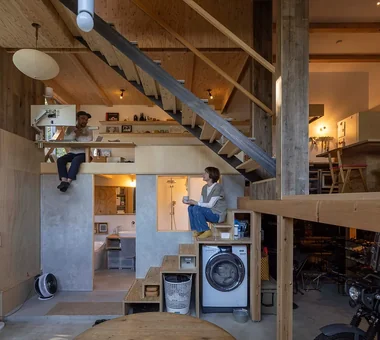
This is a plan with the first floor occupied by a tenant and the residence located on the second floor. The spacious living room flows onto a large terrace, producing a seamless indoor–outdoor space used as outdoor living. At the suggestion of the design-loving client, distinctive materials were introduced throughout to compose a dynamic, expansive volume. It is an open, enjoyable home where friends naturally gather.
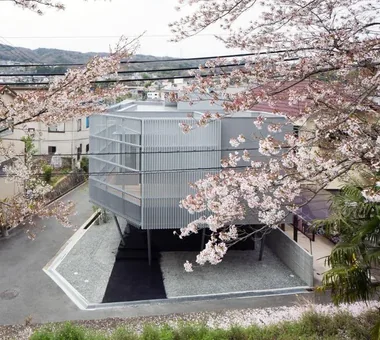
SAKURA House
Kumi Inoue Architects
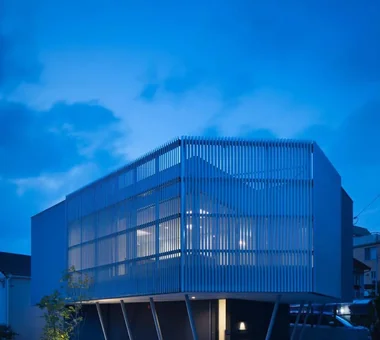
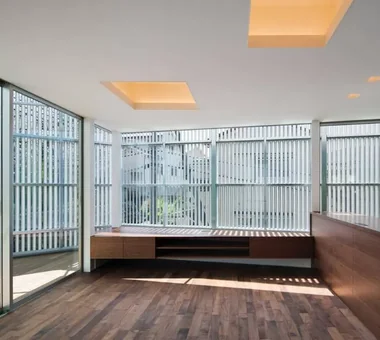
This residence was conceived to celebrate the borrowed-scenery of nearby cherry trees. Primary living spaces are located on the second floor; a louvered screen that envelops the living room mitigates external sightlines while elegantly framing the cherry blossom vista. The louvers’ angles have been calibrated to best showcase the blossoms and to provide effective solar shading, creating an interior environment with reduced direct sunlight and enhanced comfort.
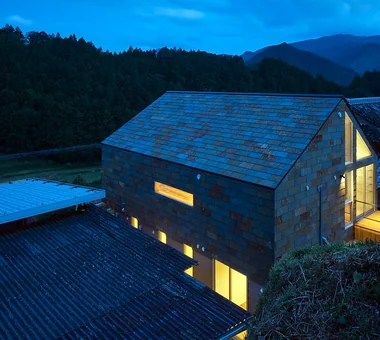
YAMANARI — House Embracing the Mountain Ridge
YIA Ishiue Yoshihiro Architectural Design Office
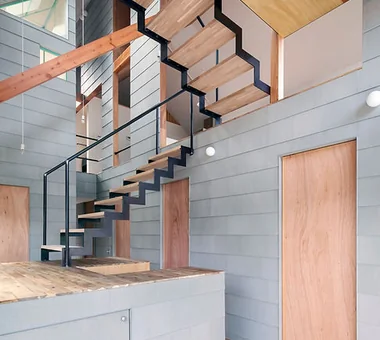
A residence for a young couple who cultivate sudachi, embraced by Tokushima’s abundant mountain ranges. Taking advantage of the elevated site, an open plan was designed with a second‑floor living room and a tatami corner that look out over the expansive greenery. The relationship with the main house is mediated by a generous earthen‑floored doma and a double‑height void, creating a gentle connection while appropriately controlling sightlines to achieve a comfortable sense of distance. Interiors using natural materials—such as Lauan plywood and solid acacia timber—respond to the surrounding landscape, allowing the occupants to feel the changing seasons close at hand.
Residence in Moriguchi
In-Ex Design Co., Ltd.
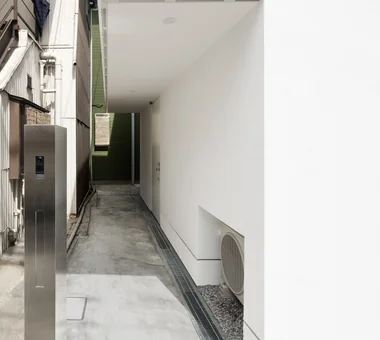
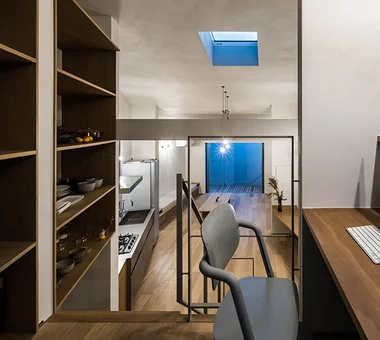
Situated close to a shopping arcade, this is a “windowless house” built on a mere 19-tsubo hexagonal site. The building wraps around the full perimeter of the lot, creating a quiet interior world cut off from the street’s bustle. Exterior spaces are inserted at both ends of the two-storey volume, and living areas are arranged along the circulation that connects them. Without distinct room partitions, the spaces are loosely zoned by use and activity, accommodating the occupants’ flexible patterns of living. An inventive urban dwelling, it feels closed yet conveys a rich sense of spatial expansiveness.
W Residence
Masahiko Sawamura Architect and Associates
A house where a gentle breeze passes through.
Karuizawa Counterpoint
PODA Architects
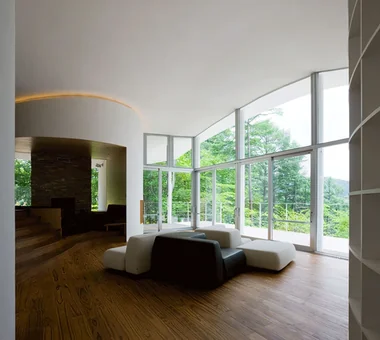
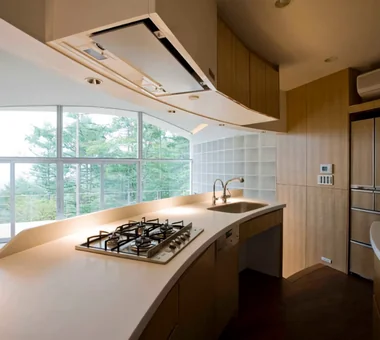
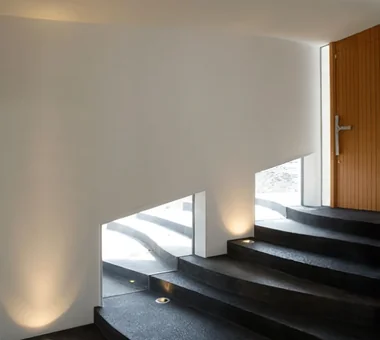
A villa built on a sloped site in Karuizawa, where an undulating concrete roof, stepped floors, and curved walls bring a time-based experience of strolling through the forest into the interior. Pursuing "freedom and the unpredictable," the house is designed so its interior cannot be easily anticipated from the exterior; the roof transforms along the approach into an arch that covers visitors and the roof over the parking area offers an immediate "mountain walk." The roof’s undulations are reflected in the ceiling, and terraced stepped floors and trunk-like curved walls with niches containing bookshelves, a kitchen, and a fireplace create varied behaviors and shifts in sightlines, allowing one to experience expansive views and a polyphonic landscape.
odmh
「ha」 hosaka hironobu architect associate
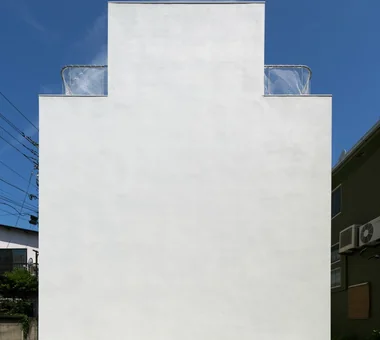
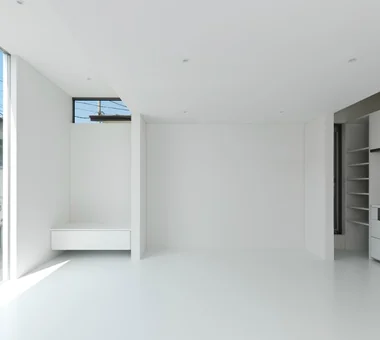
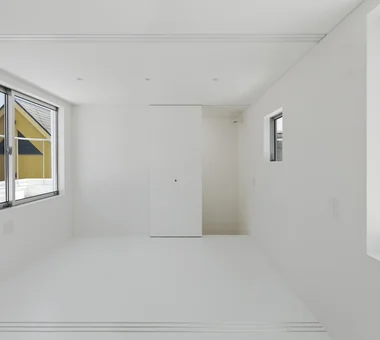
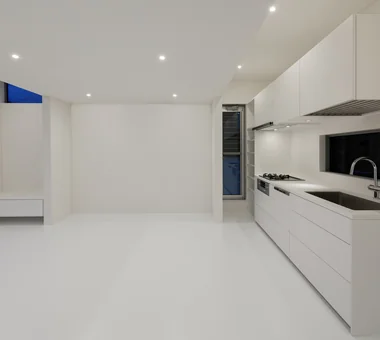
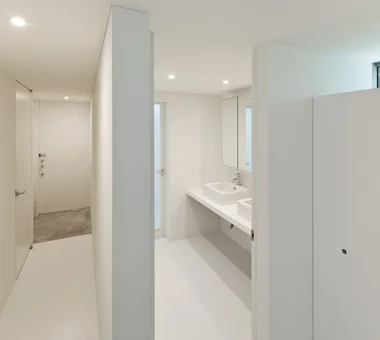
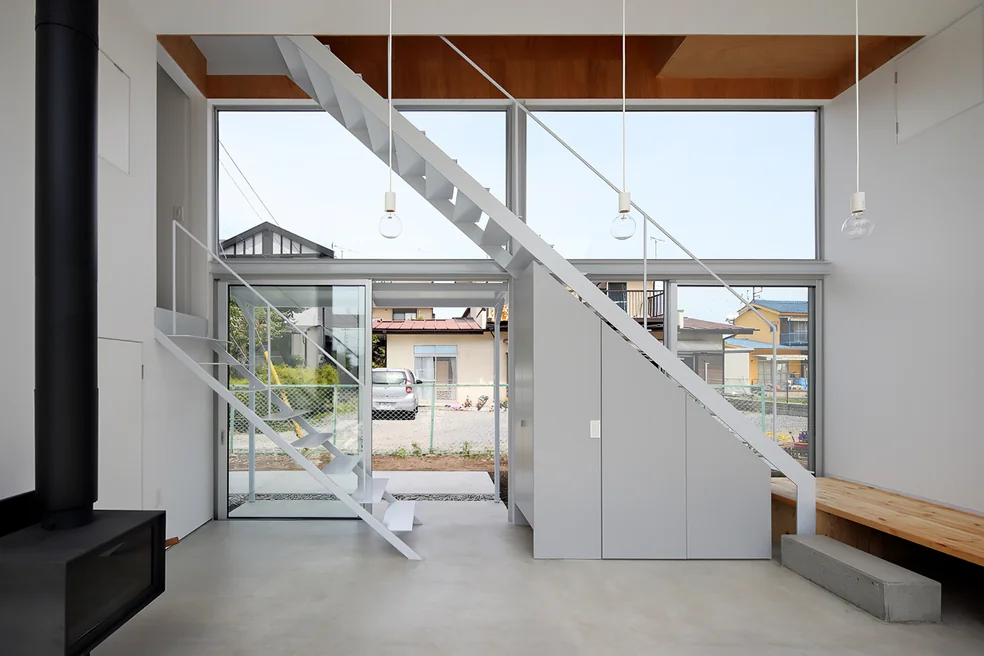
A minimal residence unified inside and out in a single “white” tone. The emblematic single-pane picture window boldly frames the landscape while blurring the boundary between architecture and the exterior. That translucent opening unsettles the perception of scale, creating depth and expansiveness that exceed the actual dimensions. Within a rigorously pared-back design, the dwelling acquires a distinctive character and presence. A singular minimal house in which stillness and tension coexist.
-
Concrete Houses|Key Points for Home Building|Design and Insulation Strategies Emphasizing Material Texture2026-06-24|Qurasuki Editorial Department -
Homes for Antique Enthusiasts|Introduction to Architecture Firms|Living with the Patina of Time2026-05-11|Qurasuki Editorial Department -
Second-Floor Living|Custom-built homes by architecture firms|Enjoying Views and Light on the Upper Floor2026-05-11|Qurasuki Editorial Department -
House of Wood|Custom-built homes by architecture firms|A Home Embracing the Warmth of Wood2026-05-11|Qurasuki Editorial Department -
Narrow House|Introduction to Architecture Firms|Great Potential Within a Small Footprint2026-05-11|Qurasuki Editorial Department -
Skip Floor|Custom-built homes by architecture firms|Volumetric Richness Created by Level Differences2026-05-11|Qurasuki Editorial Department