Kurashi no Jōzōsho
Second-Floor Living|Custom-built homes by architecture firms9Picks|Enjoying Views and Light on the Upper Floor
Author: Qurasuki Editorial Department
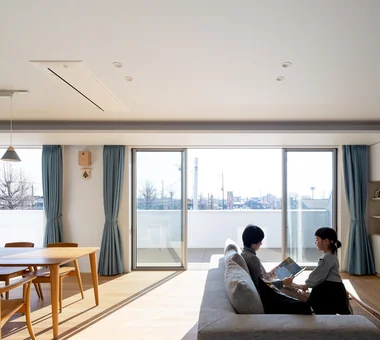
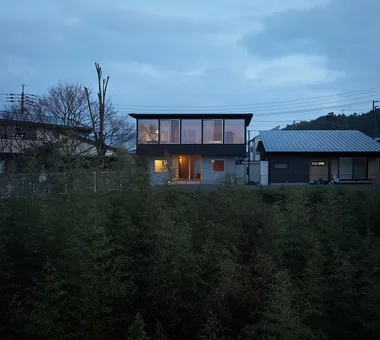
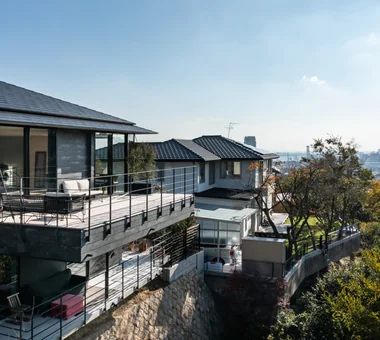
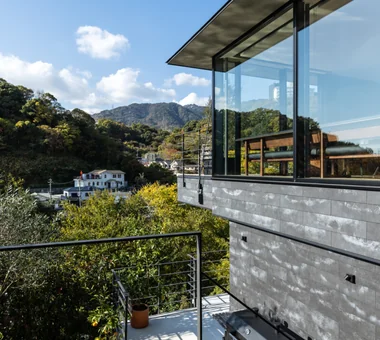
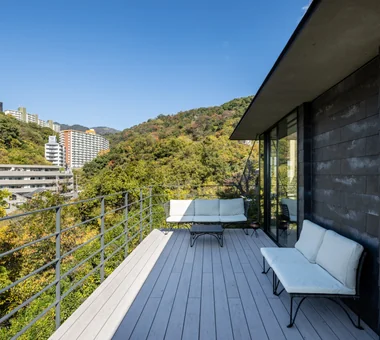
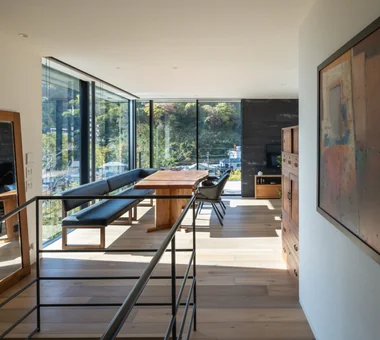
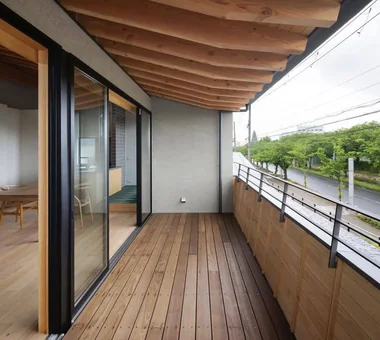
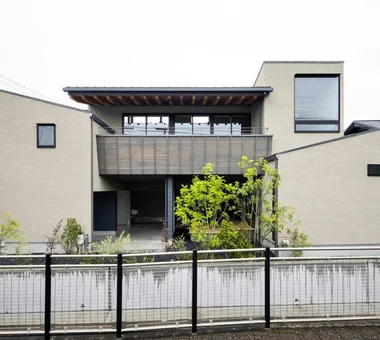
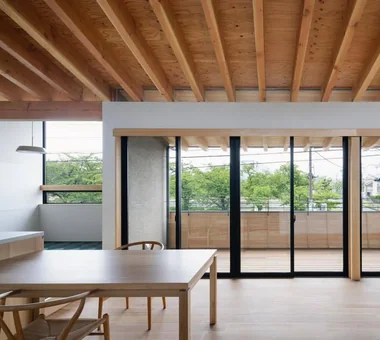
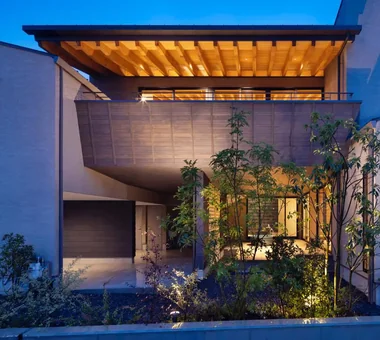
In densely built urban neighborhoods and on scenic sloped sites, locating the living room on the second floor can simultaneously address multiple issues such as daylighting, natural ventilation, views, and privacy. By concentrating private rooms and wet areas on the first floor and making the second floor the public living space, a home can be realized in which the daytime living area receives abundant light and breezes. At the same time, it is prudent to consider practical matters such as the circulation for bringing in daily shopping and provisions, and future measures for accessibility and universal design. Architectural practices carefully read the site conditions and the family’s lifestyle to propose homes that maximize the potential of second‑floor living. Please see the examples that convey a strong sense of openness.

Residence with an Atelier
T-Architectural Studio
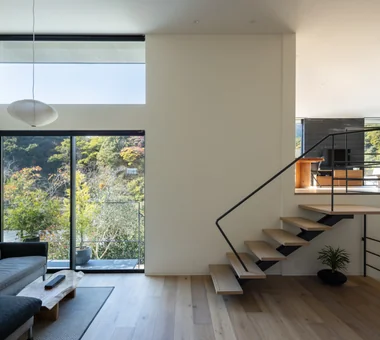
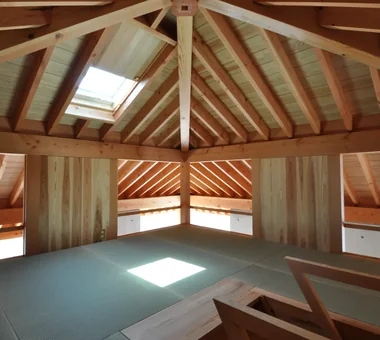
This residence, which incorporates an attached design atelier, employs thick timber cladding on the exterior finished in white, and maintains a reduced overall height to harmonize with the surroundings. Changes in floor levels and ceiling heights articulate the atelier, private zones, and communal areas while maintaining spatial continuity. A loft, roof balcony, multiple access points, and generous landscaping create a strong interior–exterior relationship and sense of extension. The staircase is treated as a key element of spatial composition and is expressed through a variety of configurations.
-
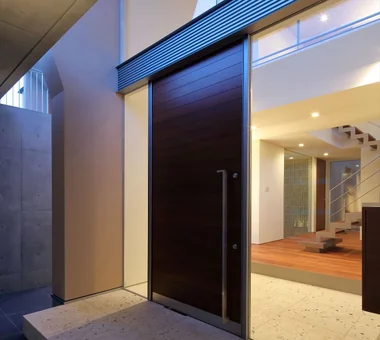
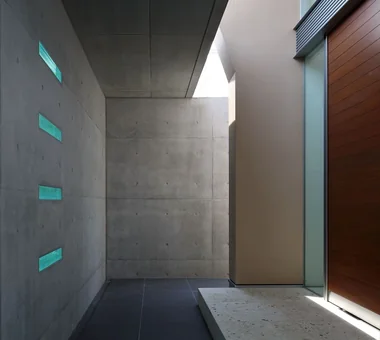
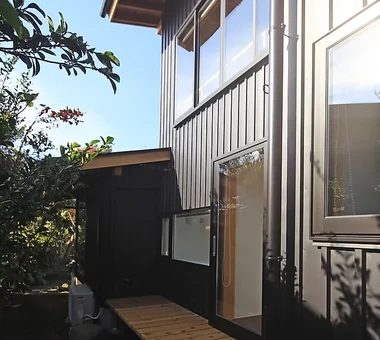
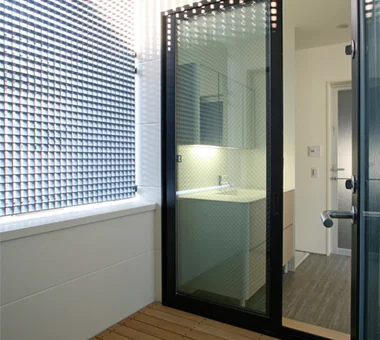
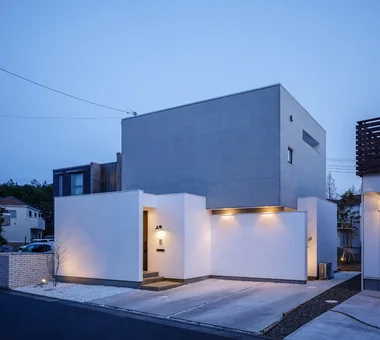
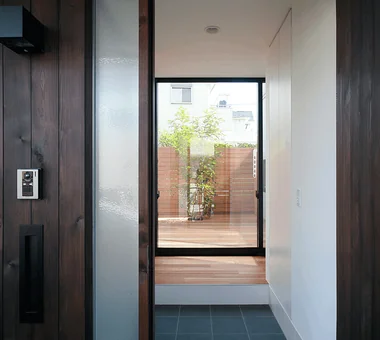
The atelier entrance exemplifies a flexible approach to access points.
T-Architectural Studio3-4-20 Tsujido Higashikaigan, Fujisawa City, Kanagawa Prefecture, Japan -
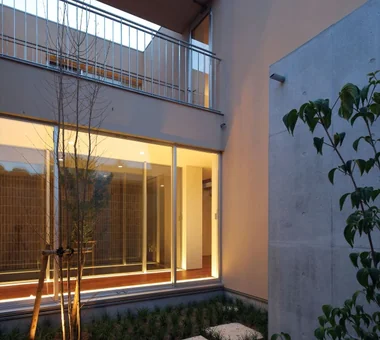
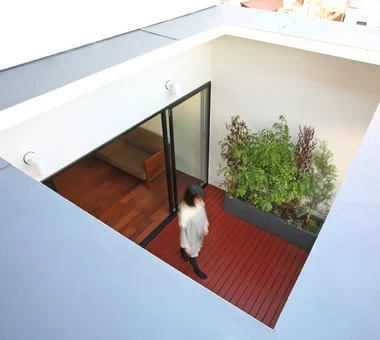
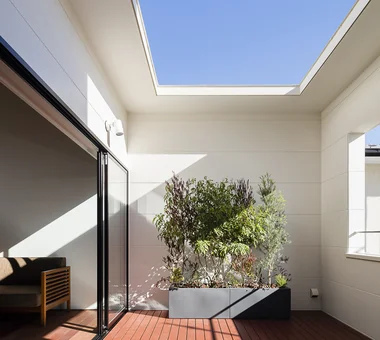
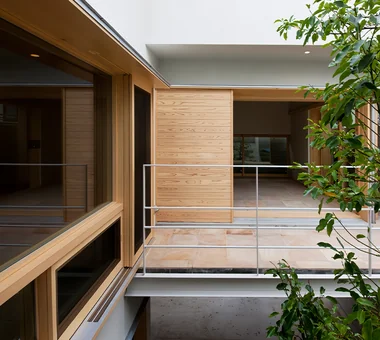
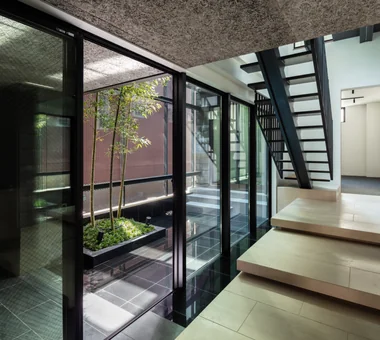
Lush planting gently mediates the connection between interior and exterior.
T-Architectural Studio3-4-20 Tsujido Higashikaigan, Fujisawa City, Kanagawa Prefecture, Japan -
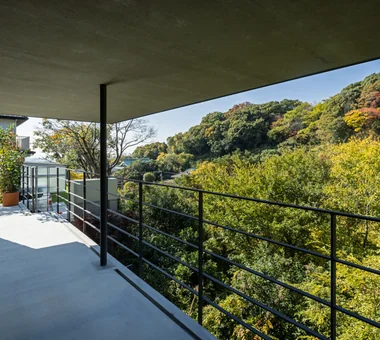
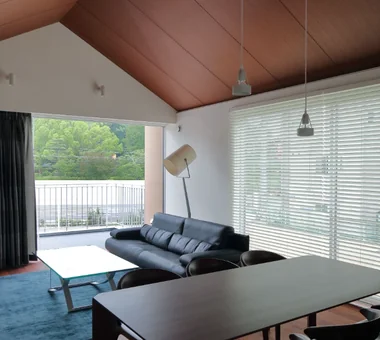
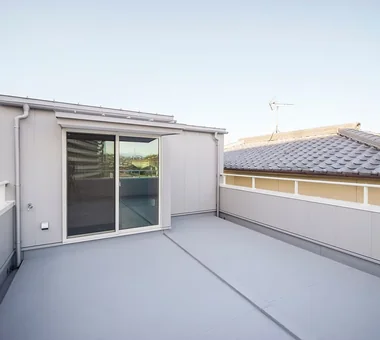
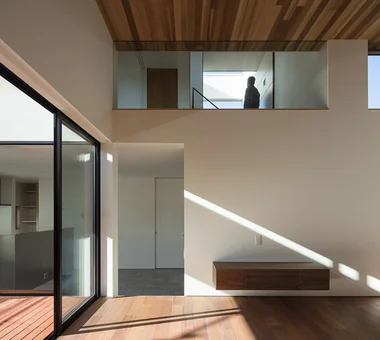
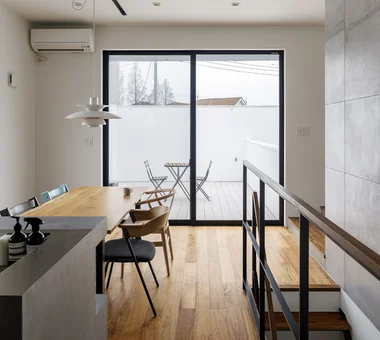
From the living and dining rooms, the space extends outward to the roof balcony.
T-Architectural Studio3-4-20 Tsujido Higashikaigan, Fujisawa City, Kanagawa Prefecture, Japan -
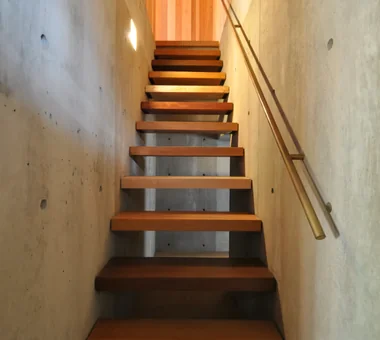
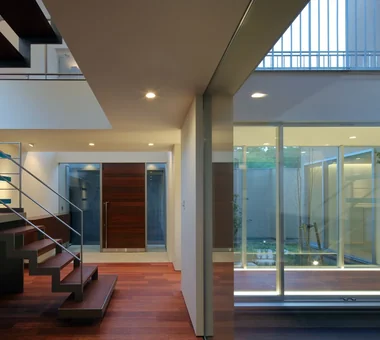
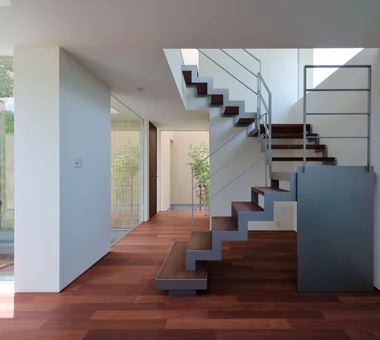
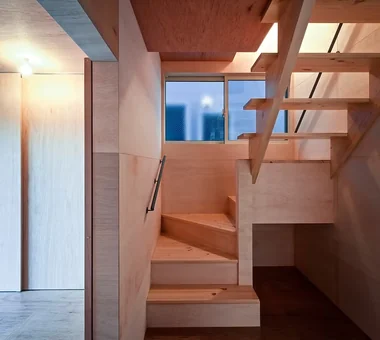
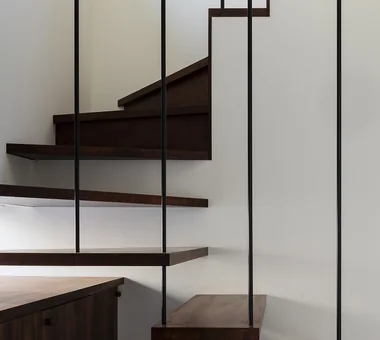
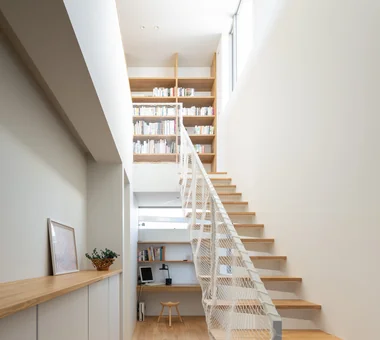
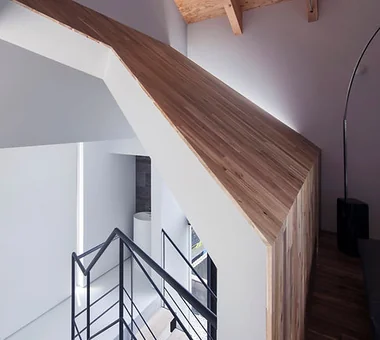
The staircase serves as a crucial spatial and experiential element within the house.
T-Architectural Studio3-4-20 Tsujido Higashikaigan, Fujisawa City, Kanagawa Prefecture, Japan -
Subtle variations in wall colors add dimensionality to the interior spaces.
T-Architectural Studio3-4-20 Tsujido Higashikaigan, Fujisawa City, Kanagawa Prefecture, Japan -
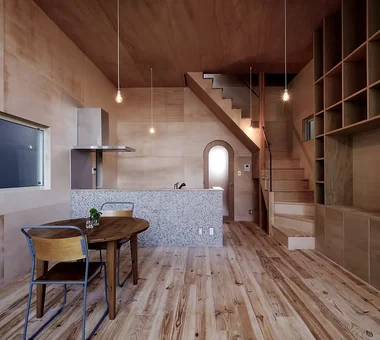
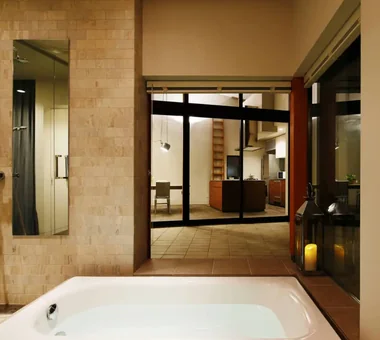
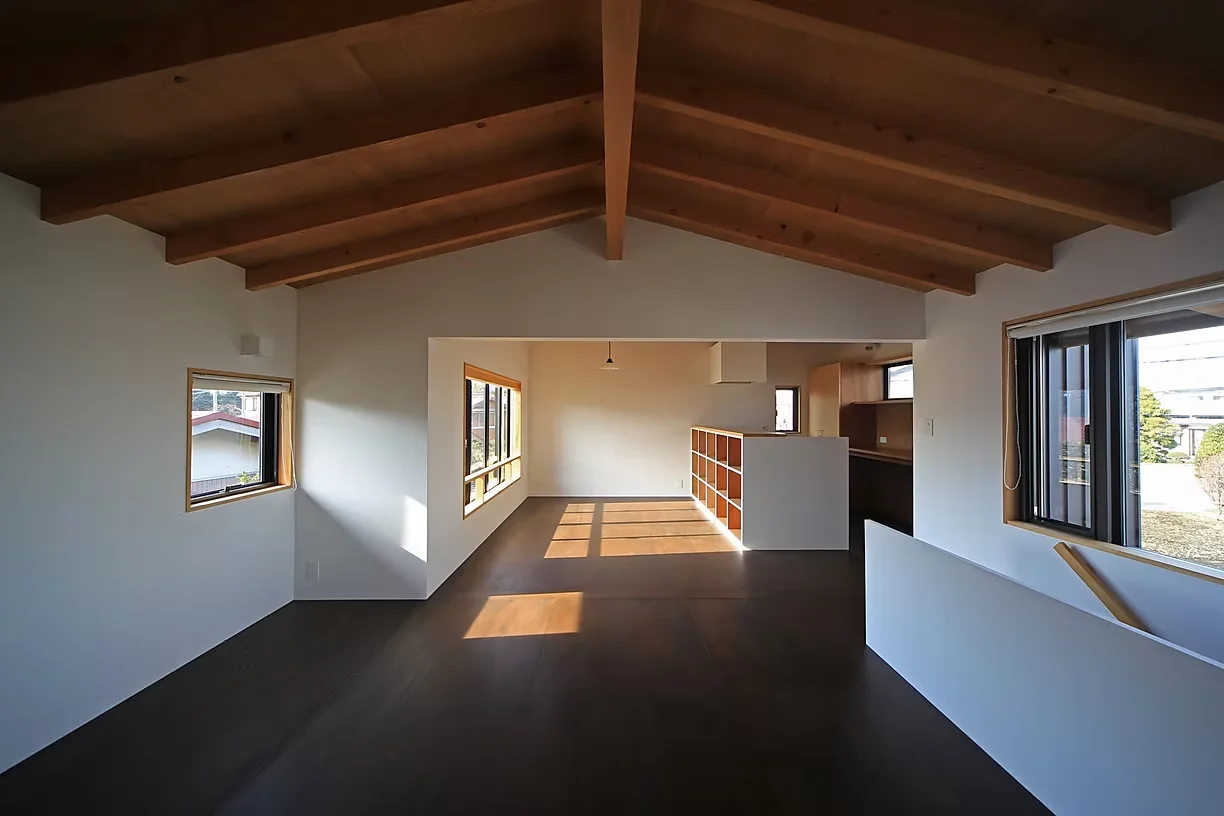
Spatial divisions are articulated through changes in floor levels and ceiling heights.
T-Architectural Studio3-4-20 Tsujido Higashikaigan, Fujisawa City, Kanagawa Prefecture, Japan
SAKURA House
Kumi Inoue Architects
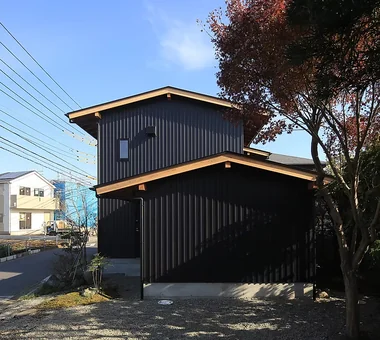
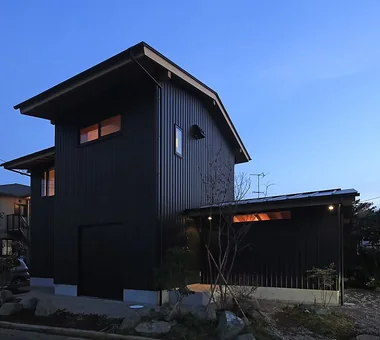
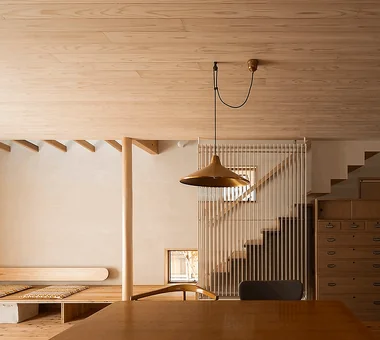
This residence was conceived to celebrate the borrowed-scenery of nearby cherry trees. Primary living spaces are located on the second floor; a louvered screen that envelops the living room mitigates external sightlines while elegantly framing the cherry blossom vista. The louvers’ angles have been calibrated to best showcase the blossoms and to provide effective solar shading, creating an interior environment with reduced direct sunlight and enhanced comfort.
House in Hamura
Mochizuki Architectural Atelier
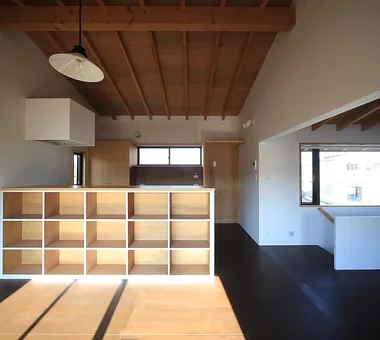
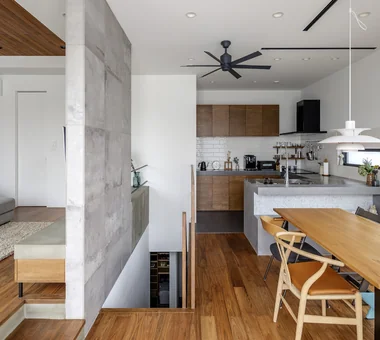
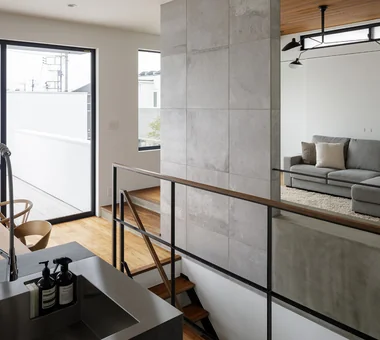
The site is a corner lot in a suburban residential neighborhood, with a park resembling a copse extending to the east. The primary living spaces are located on the second floor; continuous openings from the kitchen through the dining to the living area capture borrowed views, while ceiling heights are varied. The living area is set one step higher and incorporates a built-in sofa and a study corner with expansive views. The exterior is characterized by a mono-pitched roof and horizontal windows, with a change in cladding between the upper and lower sections. The interior is unified in a calm, restrained palette.
Uenoshiba Residence
Abax Architects
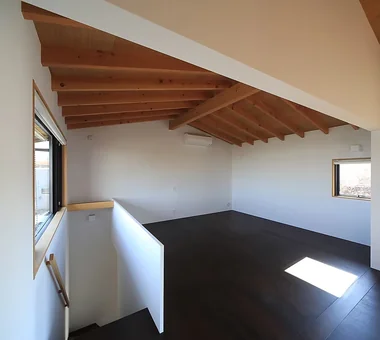
This residence of just under 40 tsubo (approximately 130 square meters) is situated on an elevated site within a quiet residential neighborhood. Because the west-facing side affords open views, the living and dining spaces are located on the second floor to secure abundant daylight and vistas. The interior makes generous use of timber to create a warm atmosphere, and the furniture and kitchen were custom designed and fabricated.
Unuma House
Kota Goto Architectural Studio
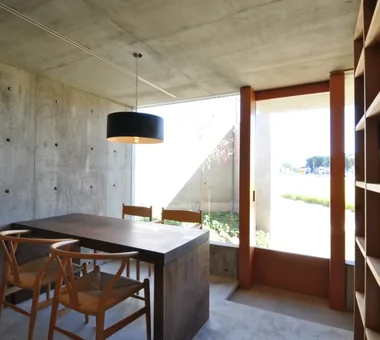
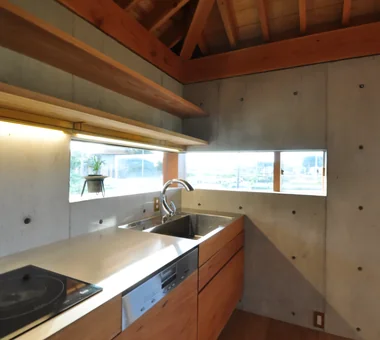
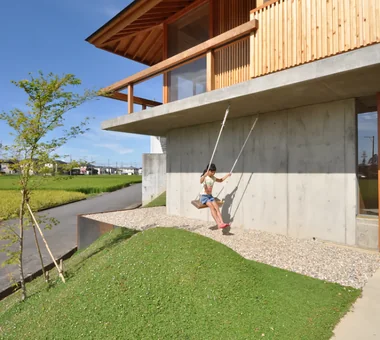
An architect's own residence located at the northern edge of the Nōbi Plain on a site with a pronounced level change where the plain meets upland terrain. The square plan is rotated 45° to reconcile openness and privacy by avoiding direct sightlines from the main road and neighboring houses. The site's elevation difference is used so that primary living spaces are on the second floor. A hybrid concrete-and-wood structure leaves materials exposed to express their natural qualities. The layout centers on the dining area and allows for continuous circulation so that, except for sleeping, daily life takes place on the second floor. Materials such as solid timber, brass, and stone were chosen to develop patina over time and to harmonize with the southern rural landscape.
House in Toyoshiki
Yu Architectural Design Studio
Clip Box
KICHI ARCHITECTURAL DESIGN
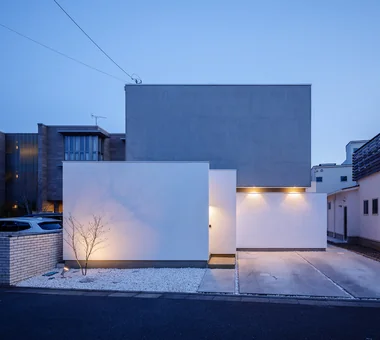
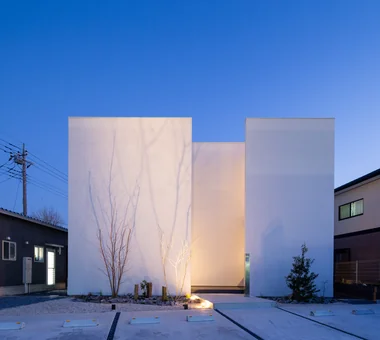
Located in an urban residential neighborhood, “Clip Box” is a dwelling that creates a rich spatial experience within a compact footprint. The exterior, where three white planes interlock with a mortar-finished wall, attains a pronounced sense of depth through the shadows cast by the layered walls. Internally, a skip-floor (split-level) living area connects to the dining space via a staircase. Smooth, efficient circulation that consolidates the necessary functions provides a comfortable living environment.
-
The second-floor living-dining-kitchen area connects effortlessly with the balcony and the split-level living room, creating a sense of lightness.
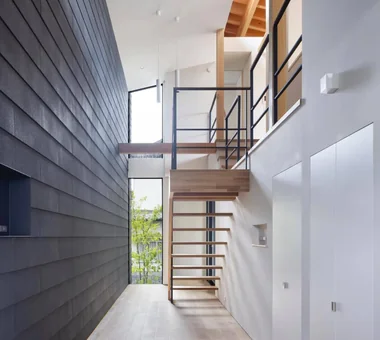
KICHI ARCHITECTURAL DESIGN4-6-3 Kenkyu Gakuen, Tsukuba City, Ibaraki Prefecture, Japan -
-
-
The randomly overlapping walls create protrusions and recesses that impart a rhythmic visual cadence.
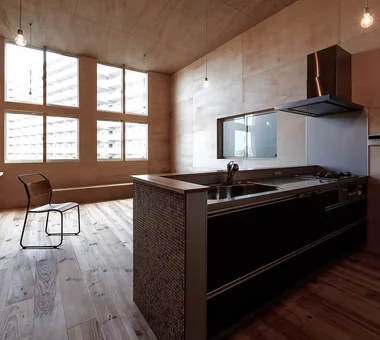
KICHI ARCHITECTURAL DESIGN4-6-3 Kenkyu Gakuen, Tsukuba City, Ibaraki Prefecture, Japan -
-
House in Kotani
Kurashi no Jōzōsho
-
-
Springtime vistas of the northern cherry tree framed by thoughtfully designed windows
Kurashi no Jōzōsho4-14-12 Honkugenuma, Fujisawa City, Kanagawa Prefecture -
-
Careful preservation of existing vegetation to protect the traditional landscape character
Kurashi no Jōzōsho4-14-12 Honkugenuma, Fujisawa City, Kanagawa Prefecture -
-
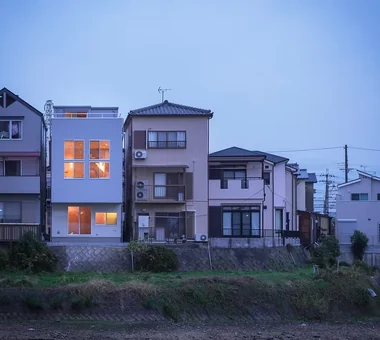
Residential House in Tarumi
In-Ex Design Co., Ltd.
-
-
-
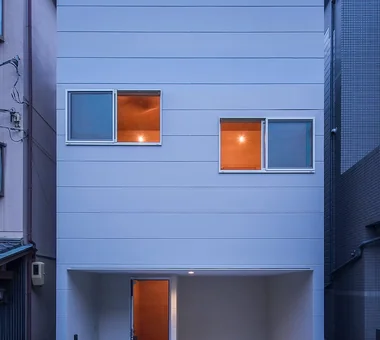
A closed box faces the street, while the office space is set back and opens to the street level.
In-Ex Design Co., Ltd.4-59 Takanoizumicho, Sakyo Ward, Kyoto City, Kyoto Prefecture -
-
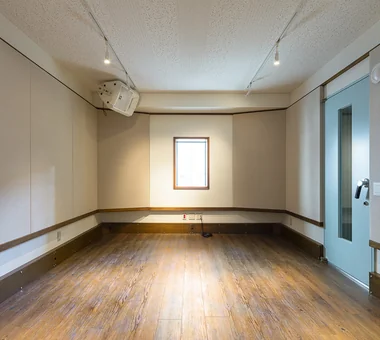
Functions not only as a studio but also as a meeting space.
In-Ex Design Co., Ltd.4-59 Takanoizumicho, Sakyo Ward, Kyoto City, Kyoto Prefecture -
Also serves as an exhibition space integrating interior and exterior.
In-Ex Design Co., Ltd.4-59 Takanoizumicho, Sakyo Ward, Kyoto City, Kyoto Prefecture
-
Homes Featuring Wall-Mounted Bookshelves|Custom-built homes by architecture firms|A Residence Surrounded by Books2026-05-11|Qurasuki Editorial Department -
Concrete Houses|Custom-built homes by architecture firms|The Aesthetics of Concrete and Comfortable Residential Environments2026-06-24|Qurasuki Editorial Department -
Circulation Flow|Introduction to Architecture Firms|Seamlessly Connected: The Secret to Comfortable Living2026-05-11|Qurasuki Editorial Department -
Minimalist Design Residences|Introduction to Architecture Firms|Spatial Beauty Distilled to Its Essence2026-05-11|Qurasuki Editorial Department -
Second-Floor Living|Pros and Cons|Layouts Enhancing a Sense of Openness2026-01-27|Qurasuki Editorial Department -
Glass-Enclosed Residences|Key Points for Home Building|Maintaining Privacy While Achieving a Sense of Openness2026-06-24|Qurasuki Editorial Department