T-Architectural Studio
House of Wood|Custom-built homes by architecture firms9Picks|A Home Embracing the Warmth of Wood
Author: Qurasuki Editorial Department
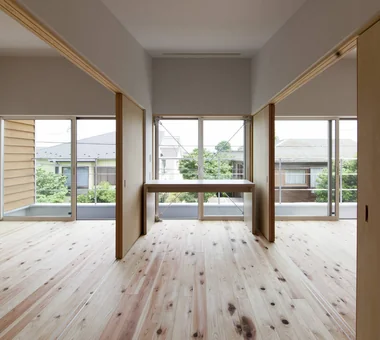
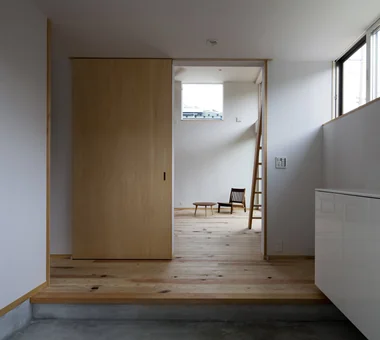
Wood has long been cherished as a material for dwellings for its warm tactile qualities, scent, and the beautiful patina it develops over time. Even within the category of "wooden houses," expressions are diverse. The atmosphere created by wood varies greatly depending on its application — from interior finishes such as solid wood flooring and wooden joinery, to the expression of structural beauty through exposed beams and columns, to dynamic spatial compositions employing CLT (cross‑laminated timber) and large‑section timber members. Architectural firms design timber residences for long‑term, comfortable living by combining the client's desired expression of wood with technical considerations such as species selection, detailing, and connections. Explore these examples of homes where the inherent qualities of the material are quietly present.

House in Hamadera
Coo Planning
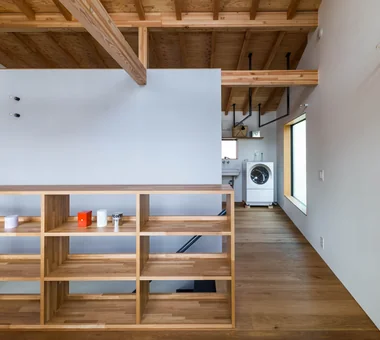
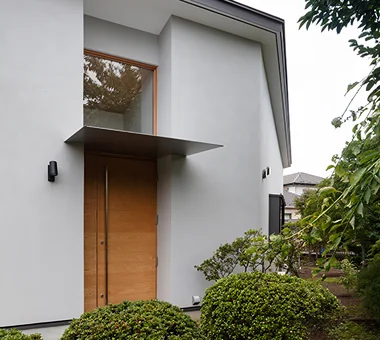
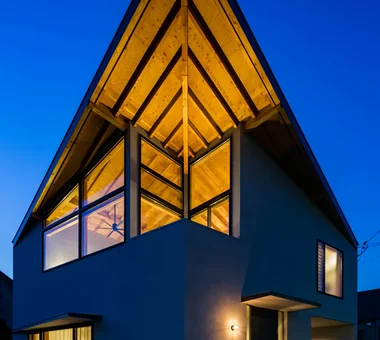
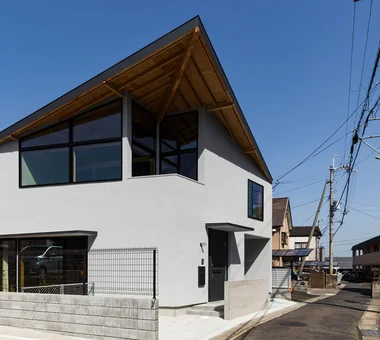
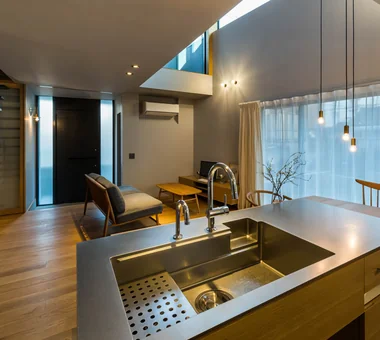
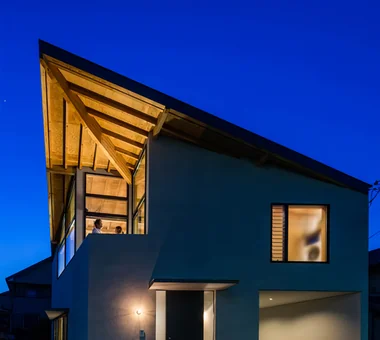
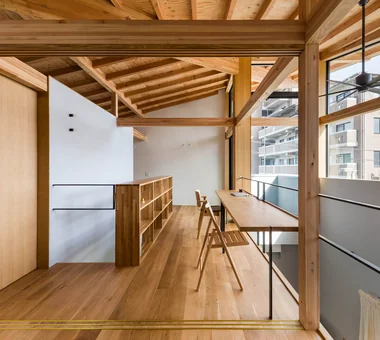
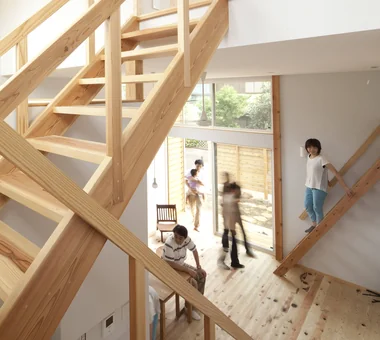
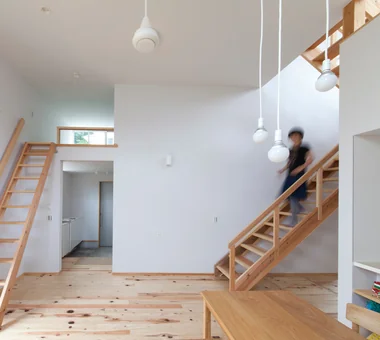
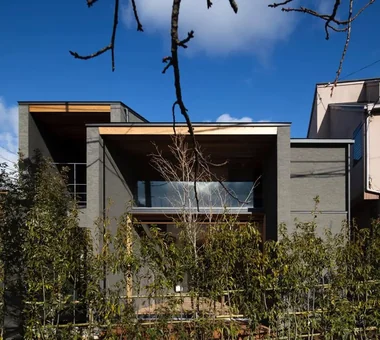
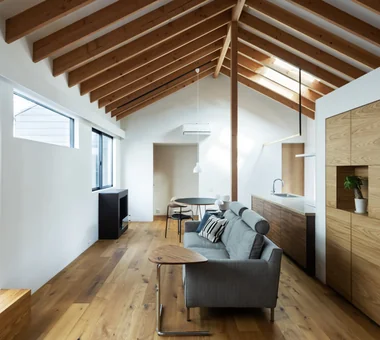
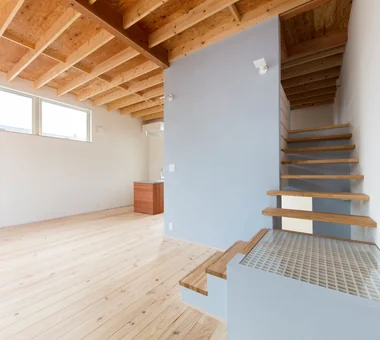
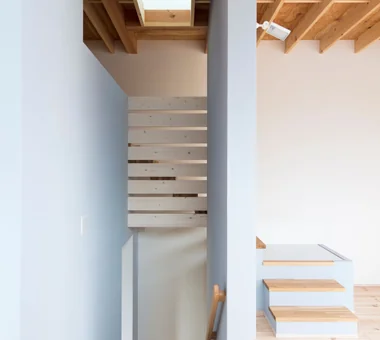
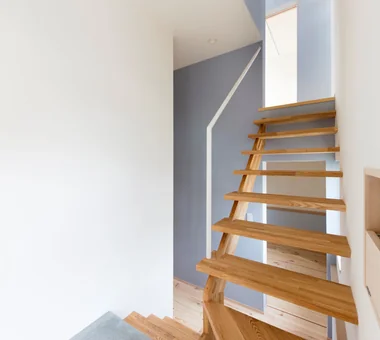
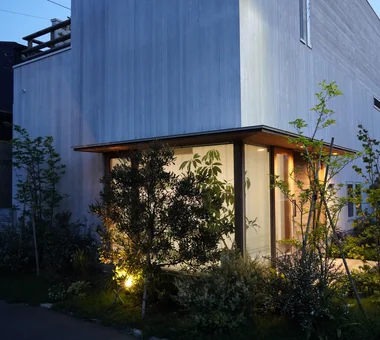
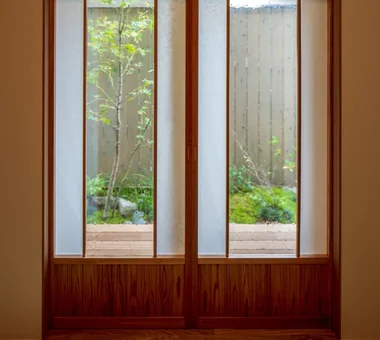
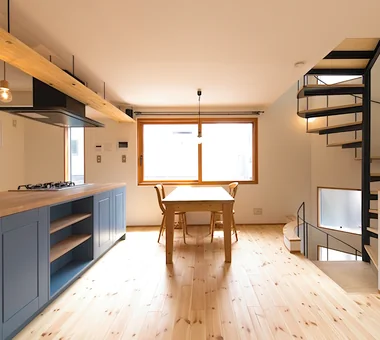
This residence is located in a quiet residential neighborhood in Sakai City, Osaka Prefecture. The subdivision parcel is somewhat deep relative to its frontage: the street in front runs almost due north and is 4 meters wide, the east and west sides are tightly flanked by neighboring properties, and a verdant Shinto shrine sits to the south. The interior is arranged as a skip-floor configuration that exploits ceiling heights and materiality; full-width built-in bookshelves line the east and west elevations, the shrine's greenery is framed by a cruciform window, and daylight from a skylight admits light, natural ventilation, and a sense of greenery into the spaces.
Kamakura Plus
Far East Design Lab.
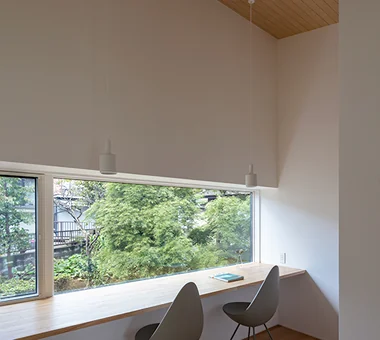
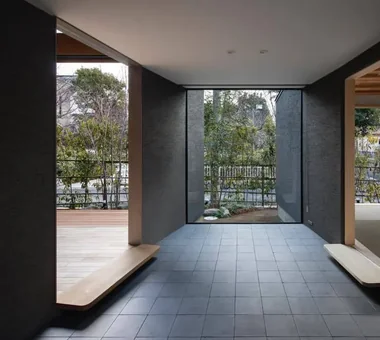
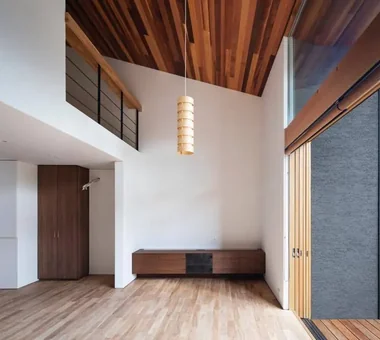
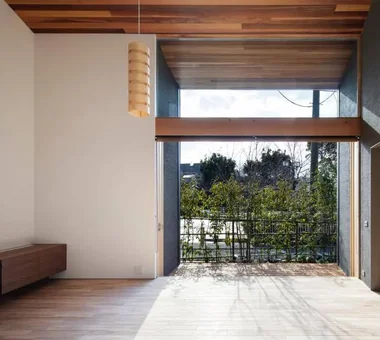
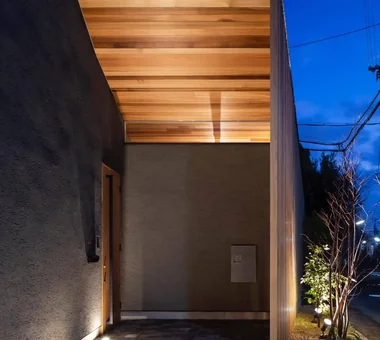
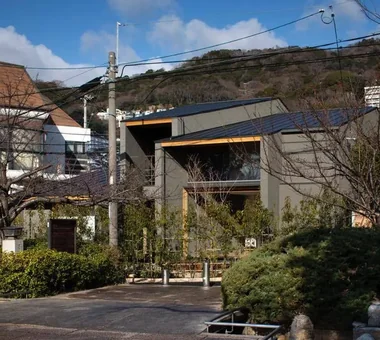
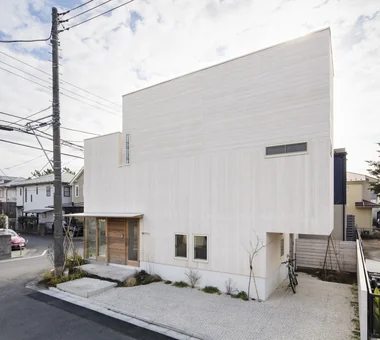
This residence is situated within Kamakura’s verdant surroundings. The site lies at the end of a narrow lane in a tranquil location with mountain views extending to the north and south. To capture these natural vistas, large two‑story‑high windows are provided on the north and south elevations, allowing views of the garden and surrounding greenery from the first‑floor living/dining/kitchen (LDK) and the second‑floor bedroom connected via a double‑height void. On the street side, wooden lattice doors are installed and curtains provided internally, enabling layered control of privacy through the modulation of sightlines and daylight.
Higashiura House
Kota Goto Architectural Studio
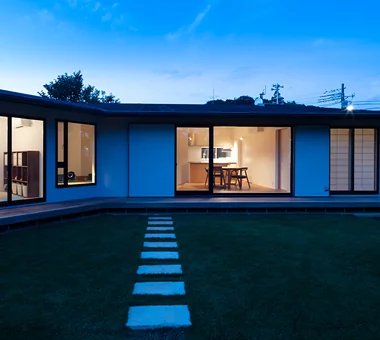
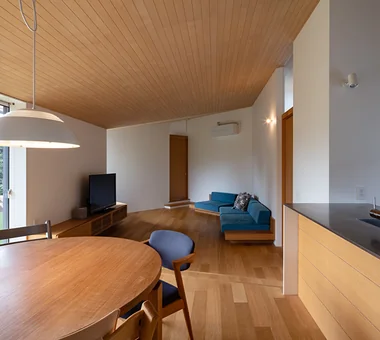
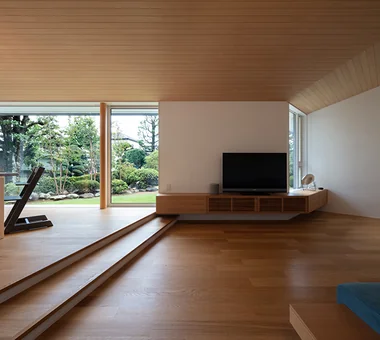
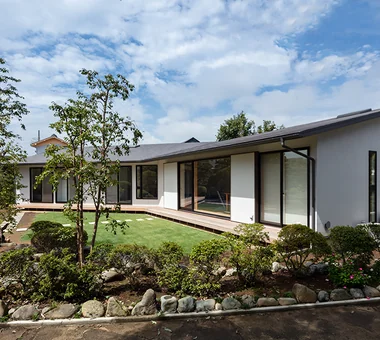
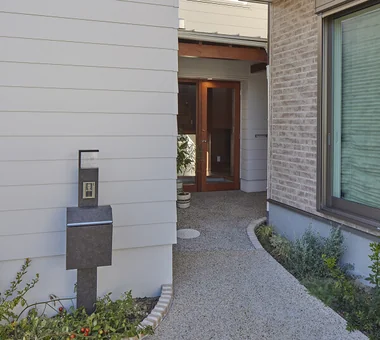
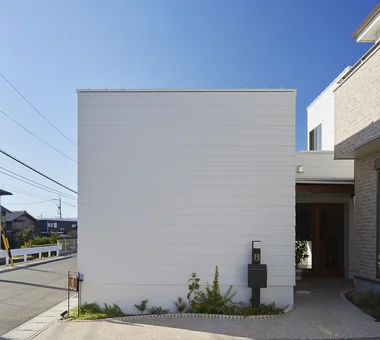
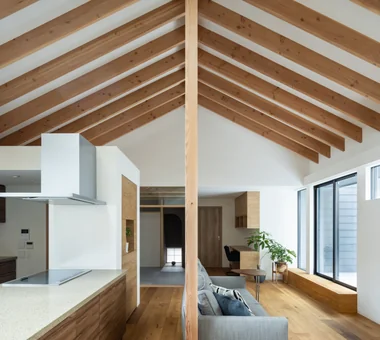
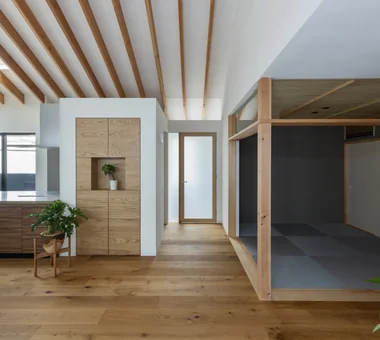
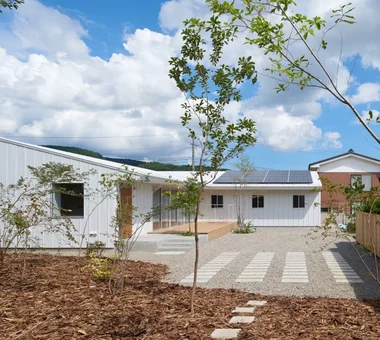
A residence sited in a longstanding residential neighborhood on the Chita Peninsula. The design gives form to the owner's wish for a living arrangement with a sunken kotatsu while valuing connections to the local community. By raising part of the living-room floor to create a sunken-kotatsu and offsetting southern sightlines from interior views, the scheme achieves both openness and privacy. The extensive use of solid cedar enriches the space as it matures. The house is designed to integrate gently with the surrounding streetscape and to grow alongside the local landscape.
House in Karuizawa
Kurashi no Jōzōsho
Set within a quiet villa enclave in Karuizawa, this residence was conceived for a retired couple and their cherished cat. Sited to embrace a richly natural environment—where the murmur of a stream and the whisper of trees are integral—the architecture is deliberately restrained in scale and expression so as not to dominate the landscape. The approach, which crosses a bridge en route to the entrance, functions as an intentional sequence of evolving views. Seasonal vistas framed by the windows and the subtle interplay of light and shadow impart a calm, poignant quality to daily life.
Allo Musica
Tada Architectural Design Office
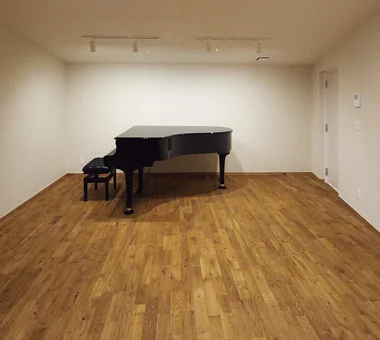
A small music hall sited along the Hokusei Line of the Sangi Railway. The project secures the maximum possible floor area by leveraging unused space within an adjacent residence. Constructed in timber, it achieves a sound-insulation performance of 50 dB and places particular emphasis on acoustic qualities appropriate for concerts and music instruction.
House on a Sloping Street
Tenkosha First-Class Architects Office
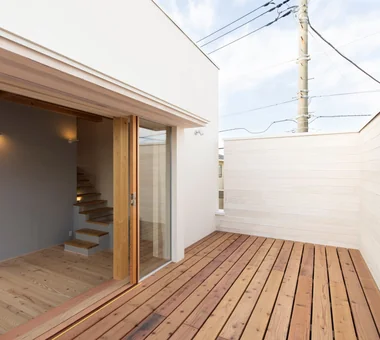
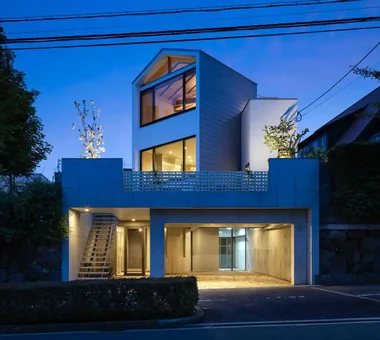
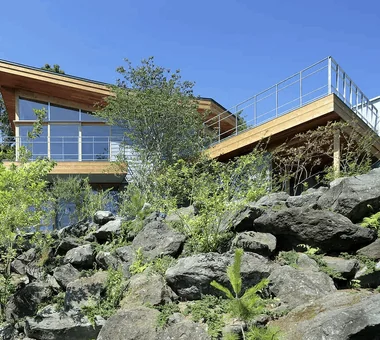
A new-build project on a flat 93-tsubo (approximately 307.6 m²) site in Shiroyama, Odawara City, Kanagawa Prefecture. Due to a narrow entrance and a steep approach, the existing building was demolished after the access was widened. As a countermeasure against potential collapse of the western cliff, the design provides an increased setback and an elevated foundation to ensure safety, and the building is sited centrally on the plot. A large persimmon tree at the center of the site has been preserved. Apitong timber is used for the exterior cladding and the wood deck; the living room features a double-height void and fixed glazing, ensuring a continuous visual and spatial connection between the garden greenery and the first and second floors.
Residence in Otsu
In-Ex Design Co., Ltd.
A House Living in Harmony with Wood
Ringo Studio
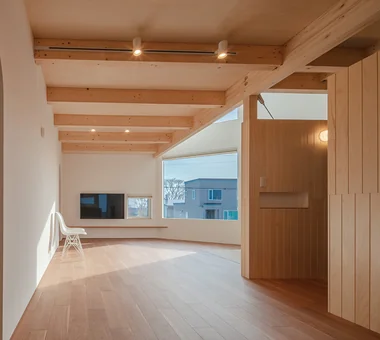
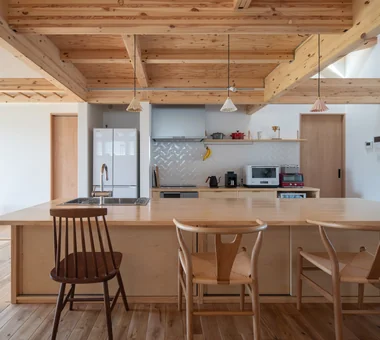
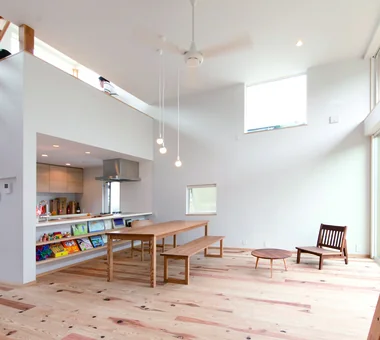
The site is located approximately 2 km from Ōmiya Station in a Category I Low‑Rise Residential Zone. Because the area around Ōmiya Park is designated as a scenic guidance district within a protected landscape, the project was planned under conditions of a 40% building coverage ratio and reserving 10% of the site as green space. The square plan is shifted to the north, providing a garden and large openings to the south; the garden, positioned along the extension of the private access road, admits wind and light and incorporates the neighbouring property’s ginkgo as a borrowed view. A split‑level (skip‑floor) arrangement supplements usable floor area and connects a main volume with generous ceiling heights to a subordinate low‑ceiling volume in an open, integrated manner. By employing prefecture‑sourced Nishikawa cedar as both structural timber and finish material, the interior is kept free of excessive subdivision, preserving a sense of spatial continuity and a coherent material expression.
House for Music and Astronomical Observation
Yu Architectural Design Studio
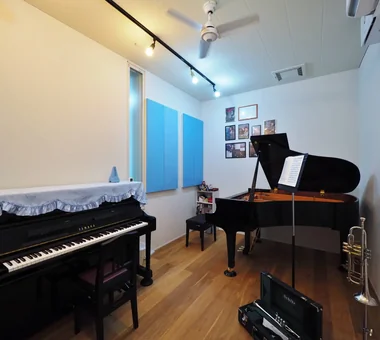
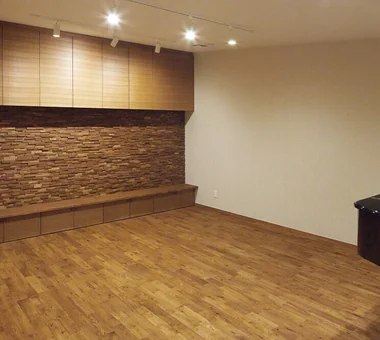
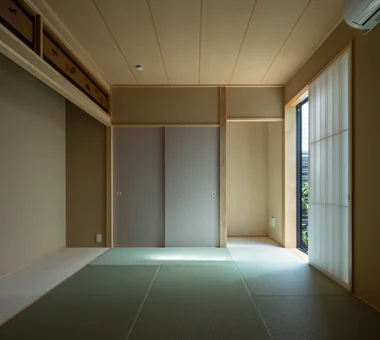
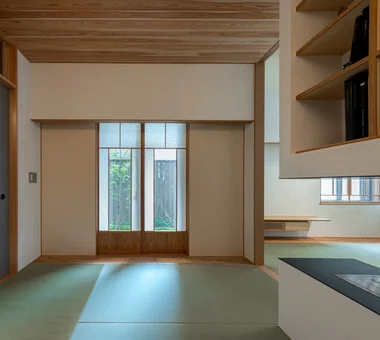
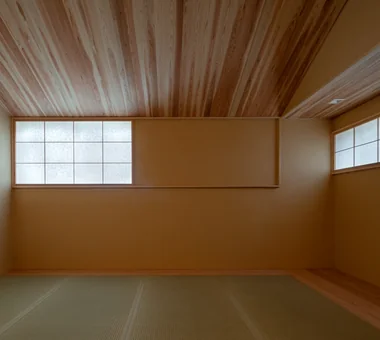
A residence with an integrated soundproof room, sited on a lane plot surrounded on all sides by neighboring houses; the sound insulation performance is equivalent to Dr70. The soundproof room, configured for piano and trumpet use, is fitted with adjustable sound-absorbing panels to control reverberation. The overall building design subtly employs a musical-staff motif. A generously sized balcony is provided on the second floor to afford expansive sky views even within a densely built residential area. The living room is arranged for floor-level living with tatami flooring and incorporates a vivid sky-blue accent, creating an atmosphere that blends retro and modern sensibilities.
-
Hotel‑inspired Residence|Introduction to Architecture Firms|A Home Where the Extraordinary Becomes Everyday2026-05-11|Qurasuki Editorial Department -
Homes Featuring Traditional Tea Rooms|Introduction to Architecture Firms|Embedding the Extraordinary Within Everyday Life2026-06-24|Qurasuki Editorial Department -
Homes Embracing Natural Light|Key Points for Home Building|Daylighting Strategy and Response to Seasonal Variations in Light2026-03-02|Qurasuki Editorial Department -
Two-Family House|Case Studies|Spatial Design for Mutual Respect of Lifestyles and Values2026-01-27|Qurasuki Editorial Department -
House with a Doma|Case Studies|Expanding the Scope of Living: A Space in the Home that Gently Connects Inside and Out2025-10-13|Qurasuki Editorial Department -
Modern Japanese-Style Residence|Case Studies|Living with the changing seasons, a timeless space of tranquility woven from wood and earthen walls2025-10-13|Qurasuki Editorial Department