Archiplace
Stylish Studios|Key Points for Home Building|Daylighting and Environmental Design Supporting Creative Activities
Author: Qurasuki Editorial Department
In ateliers serving as stages for creative activities, daylighting and color temperature are particularly critical. Additionally, planning must incorporate functional layouts tailored to the nature of the work, as well as measures addressing dust and noise. By earnestly considering individual creative practices and striving to create an environment that maximally supports these activities, the quality and efficiency of work can be significantly enhanced.
Ensuring Adequate Floor Area and Ceiling Height.
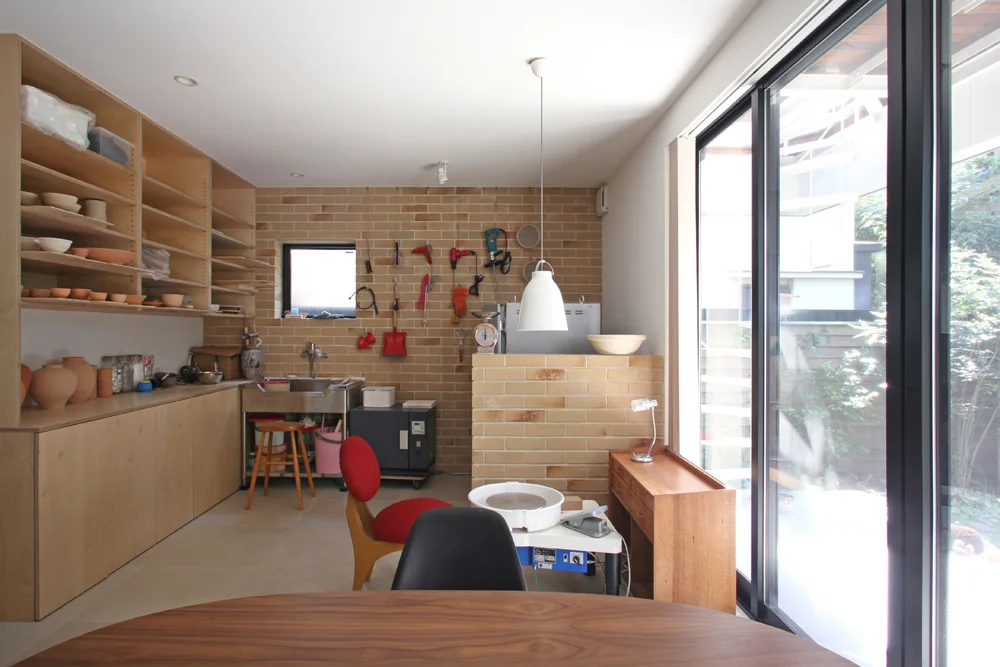
An atelier requires dedicated workspace for creating artworks as well as storage space for finished pieces and materials. For painting, sufficient floor area to accommodate large canvases is essential, while sculpture demands space to place three-dimensional works. Ceiling height is equally important; a height of over 3 meters provides a sense of openness and accommodates large-scale artworks. A spatial scale that conveys a sense of expansiveness enhances creative motivation.
Ensuring North-Facing Daylighting.
For ateliers, north-facing windows are considered ideal for daylighting. This orientation prevents direct sunlight from entering, providing a stable and soft light throughout the day. Consistent color perception regardless of the time of day is crucial for the creation of paintings, photographs, and similar works. Incorporating large windows or skylights can ensure adequate brightness.
Workbenches and Production Spaces.
Workspaces tailored to the production requirements are essential, including workbenches extending across the entire wall surface and large tables centrally positioned. Constructing robust custom workbenches ensures stability when placing heavy materials. The height should be determined based on whether tasks are performed standing or seated, taking into account the actual working posture.
Enhanced Storage and Organization.
An atelier houses a wide variety of items including art materials, tools, supplies, and completed works. Having ample storage that allows for effective organization enables focused creative activity. Plan storage solutions that utilize adjustable shelving and open shelves to ensure visibility and easy access. Designated areas for leaning canvases and drawers for categorizing small tools are also effective.
Installation of Display Spaces.
Having a space to exhibit created works and view them objectively allows for the assessment of their level of completion. Utilizing wall surfaces like a gallery or providing areas to lean artworks enables the atelier to serve both production and exhibition functions. Thoughtful lighting design further enhances the visual appeal of the works.
Selection of Flooring Materials and Cleanability.
The atelier floor is prone to contamination from paint, clay, and shavings. It is important to select flooring materials that are easy to clean and do not readily show stains. Materials such as exposed concrete slabs and floor tiles are suitable. Choosing flooring that does not require concern about dirt allows for uninhibited creative activities.
Ventilation and Air Quality.
In studios, volatile substances such as oil painting solvents and adhesives are sometimes used. Installing exhaust fans with sufficient ventilation capacity and large operable windows ensures a constant supply of fresh air. This is crucial for health and also contributes to maintaining concentration.
Installation of Faucets and Sinks.
Having faucets dedicated to washing brushes and tools facilitates smoother production processes. Providing a larger sink allows for washing buckets and sizable equipment. Finishing the floor with water-resistant materials ensures that tasks involving water can be performed safely and without concern.
Ensuring Delivery Access and Circulation Paths.
Circulation paths for the transportation of large canvases, materials, and finished works are crucial. If the atelier is located far from the main entrance, transportation becomes challenging. Ideally, the atelier should be situated near the entrance or have direct access from the exterior. Additionally, verify that the width and height of openings are sufficient to accommodate large artworks.
Temperature and Humidity Control and Artwork Preservation.
Artworks and materials can be affected by temperature and humidity. In particular, oil paintings, Japanese paintings, and sculptures require proper environmental conditions for storage. Planning for the installation of air conditioning and dehumidification systems helps maintain artworks in optimal condition.
Privacy and an Environment Conducive to Concentration.
Creative activities require a quiet environment that fosters concentration. By situating the workspace away from other rooms and strategically positioning windows to block external views, an undisturbed creative space can be achieved. At the same time, it is important to maintain a sense of proximity that allows connection with family members when needed, rather than complete isolation.
Anticipating Future Expansion.
As activities within the atelier evolve, there may be opportunities to open classrooms or utilize the space as a gallery in the future. Planning with considerations such as sufficient area to accommodate multiple users, circulation paths allowing direct external access, and proximity to restrooms and plumbing facilities enables adaptability for expanded uses. A flexible design approach creates an atelier that remains functional and relevant over time.


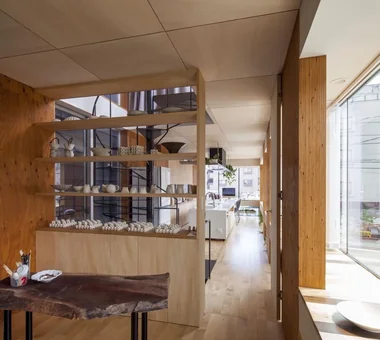

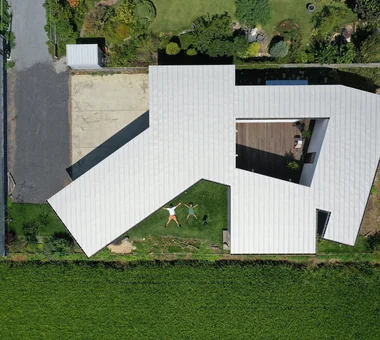 Single-Story Houses|Introduction to Examples by Floor Plan & Room Type|A Home That Breathes with the Seasons, Defined by Spreading Horizontal Lines and the Warmth of Materials
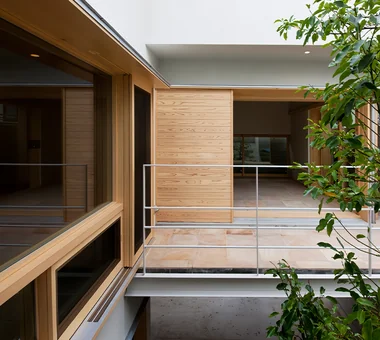 House with Wooden Window Sashes|Custom Home Examples by Architectural Offices|Warm Materiality
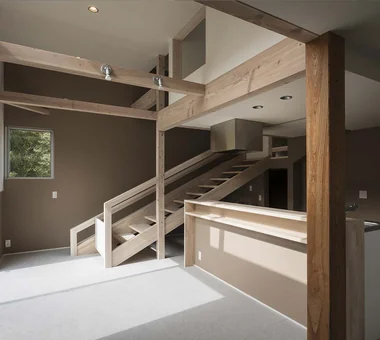 Homes Designed for Living with Dogs|Introduction to Examples by Floor Plan & Room Type|From Material Selection to Workflow Planning, a Form of Home that Achieves Comfortable Coexistence
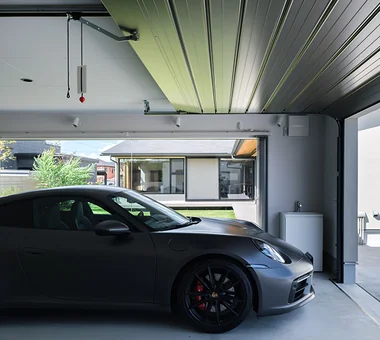 Garage Houses|Custom Home Examples by Architectural Offices|A Home for Living with Your Beloved Car
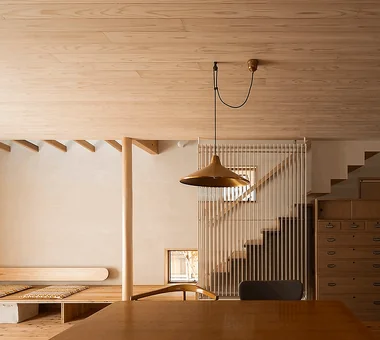 Stylish Dining Spaces|Key Points for Home Building|Creating Spaces That Enrich Mealtime
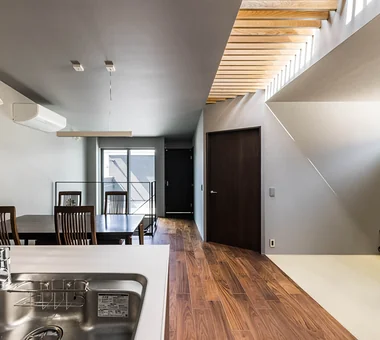 Homes Embracing Natural Light|Key Points for Home Building|Daylighting Strategy and Response to Seasonal Variations in Light