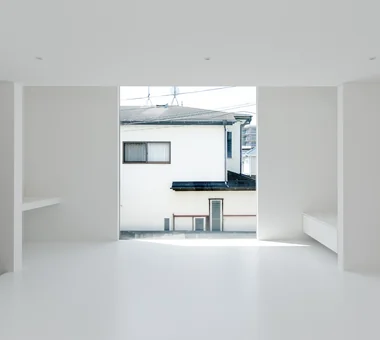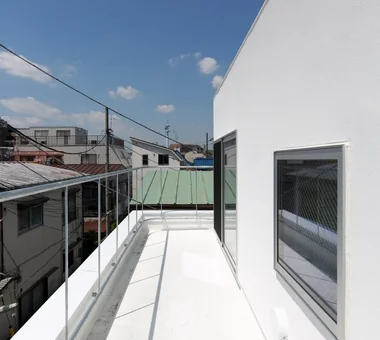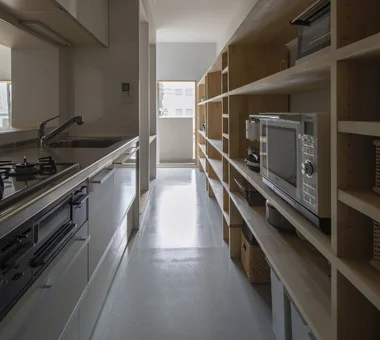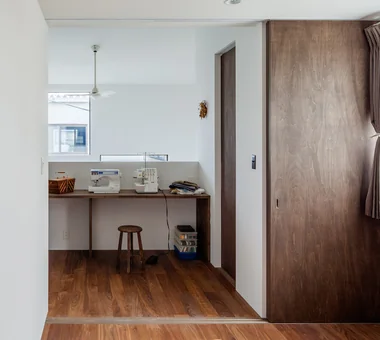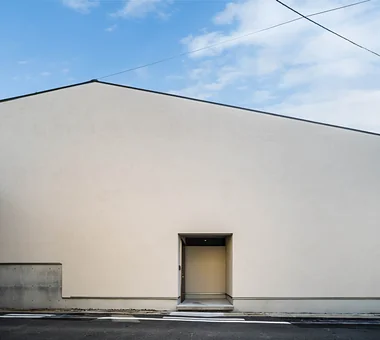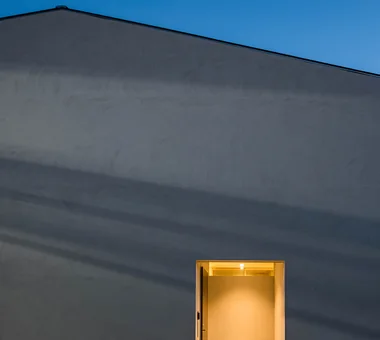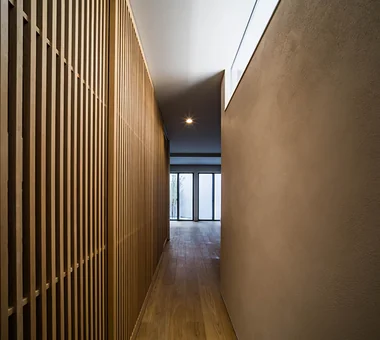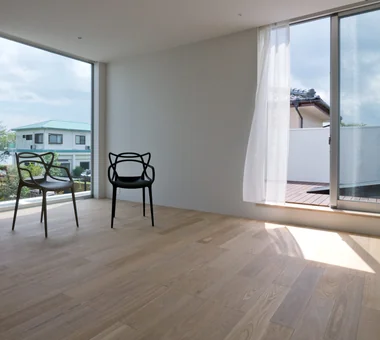
「ha」 hosaka hironobu architect associate
Minimalist Design Residences|Custom-built homes by architecture firms8Picks|A Richer Home Through Restraint
Author: Qurasuki Editorial Department
Minimal-design residences are not merely houses with fewer possessions; they arise from an architectural attitude that carefully selects every element to elicit the essential beauty of space. By eliminating superfluous ornament, a dwelling in which materials, light and space themselves communicate requires both exacting design precision and a deep understanding of materials. The architectural practice refines detail resolution, the material palette, and the composition of openings while concurrently developing plans that reliably satisfy everyday functional needs. The attention paid to what remains unseen inhabits the space as a quiet richness. We present examples of homes designed for living in calm, removed from the bustle of daily life.

House in Toyoshiki
Yu Architectural Design Studio
Studio Apartment with Private Garden and Large Desk | D#102
Yoshihiro Yamamoto Architects Associates
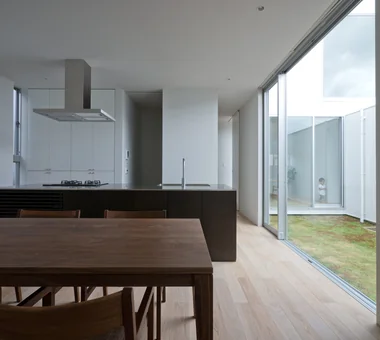
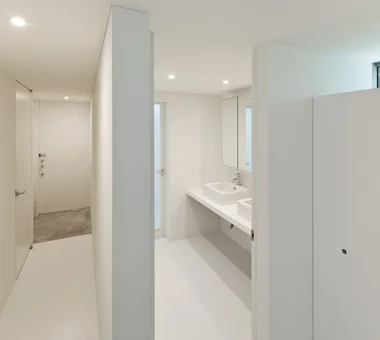
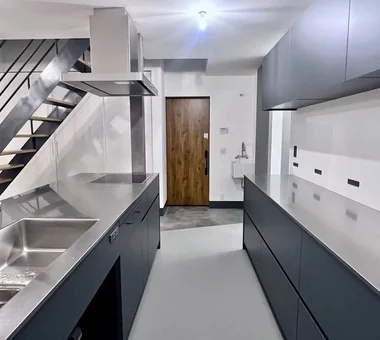
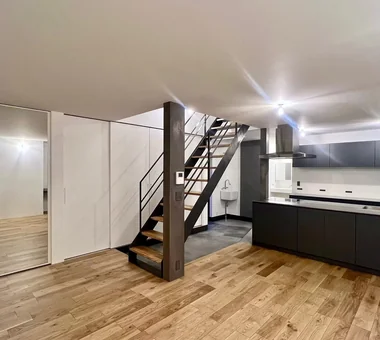
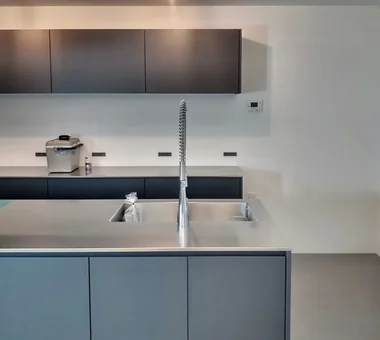
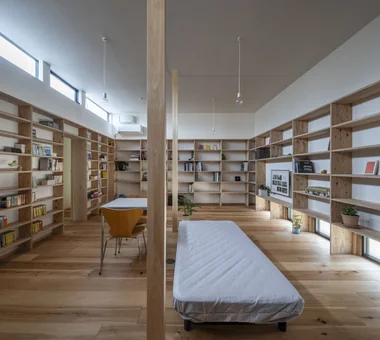
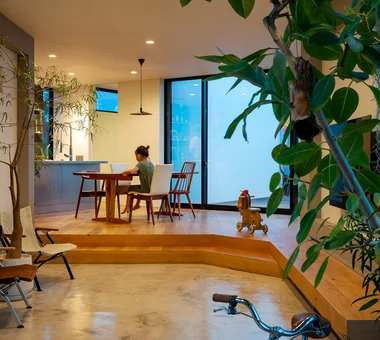
This project is a comprehensive renovation of a 20-year-old, developer-built rental property. The studio unit was reconfigured into a simple, more spacious layout, with a long table—serving as kitchen, dining and desk—acting as the spatial focal point. The modular bathroom that previously faced the corridor was reworked during the equipment upgrade to provide a dedicated washbasin and dressing/laundry room. Finishes include solid oak plank flooring, a wood deck, mortar-finished floors, and site-fabricated timber joinery.
House in Takarazuka
Coo Planning
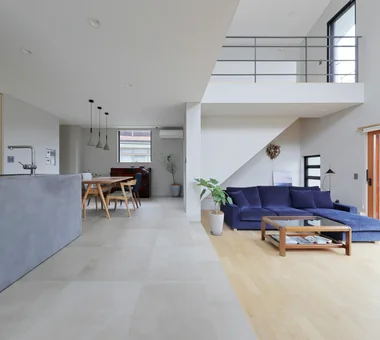
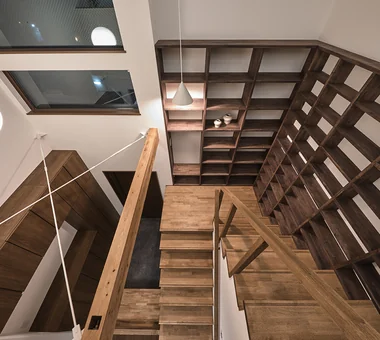
Located in a quiet residential area of Takarazuka City, Hyōgo Prefecture, this residence originated from a client consultation during the site search: a parcel with an existing house was acquired and, following demolition, the design progressed. The corner site has a gentle longitudinal slope along the street, which is integrated into both the plan and sectional organization. To address the challenging conditions of a narrow, irregularly shaped corner lot with a slope, the house is configured as a split-level composition comprising one basement level and three above-ground floors.
Komagawa House
Kumi Inoue Architects
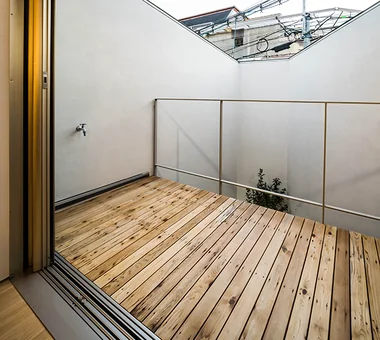
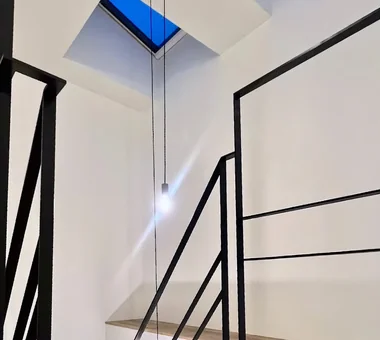
This residence, sited on an 18-tsubo (approximately 59.5 m²) lot in a residential area of Higashisumiyoshi Ward, Osaka, is designed to withdraw from the bustle of the adjacent shopping street. To achieve this, the entrance is located on the second floor, accessed via an exterior staircase and mediated by a terrace that leads into the interior. The terrace functions as an intermediary zone between inside and outside, providing an expanded sense of living. The second floor is divided into two volumes, with a Japanese-style room arranged like a detached annex, creating small moments of richness and tranquility in everyday life.
House Behind the School Building
an Archi-Lab. First-Class Architect Office
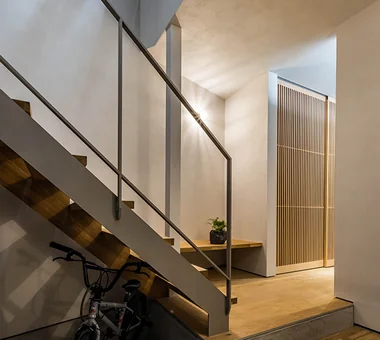
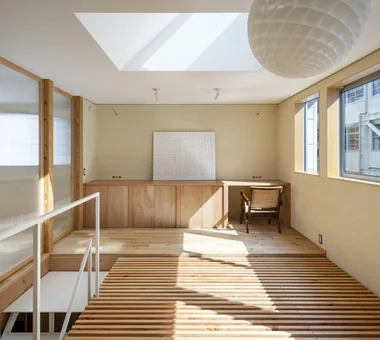
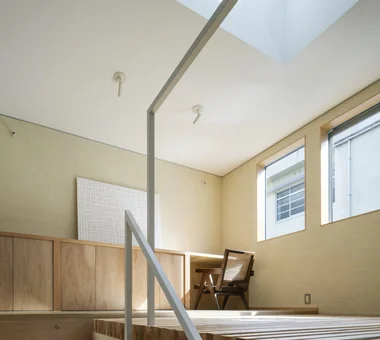
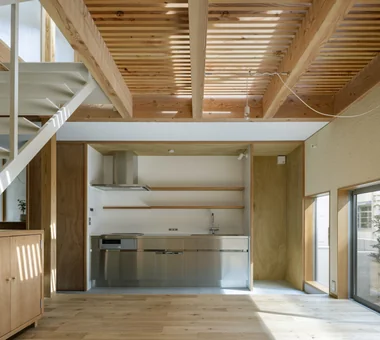
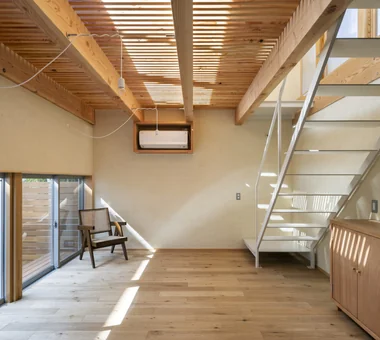
A compact lot with a 6.5 m frontage and 9.5 m depth, totaling 19 tsubo (approximately 63 m²). The site faces a 4.0 m‑wide road to the north, is flanked by neighboring houses to the east and west, and is tightly bordered to the south by a three‑storey school building. In response to the client's request for a 'bright house', the design provides a sheltered veranda and a small garden margin on the south side, and links interior and exterior with a low, tea‑house‑like crawl‑in opening. A small forecourt and an earthen‑floored doma in front of the entrance establish a route from the alley to the courtyard, and the entrance door is positioned outside the fire‑wall line. Privacy is graduated across four rooms; the second‑floor living room functions as a pool of light, while a louvered, slatted floor conveys daylight and natural ventilation to the lower level.
Residence in Moriguchi
In-Ex Design Co., Ltd.
yakh
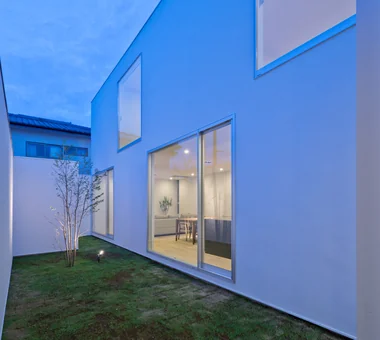
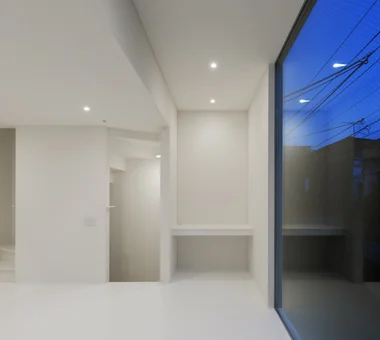
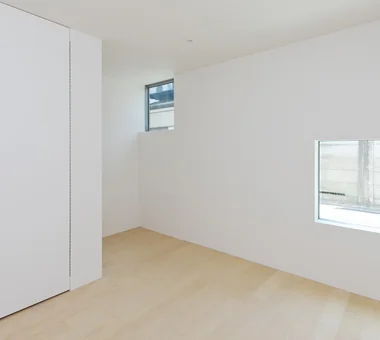
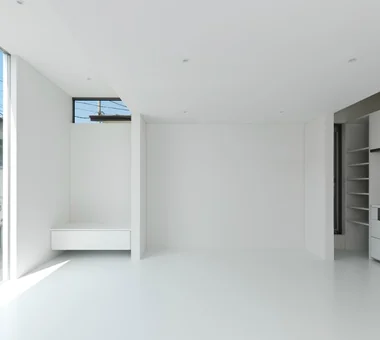
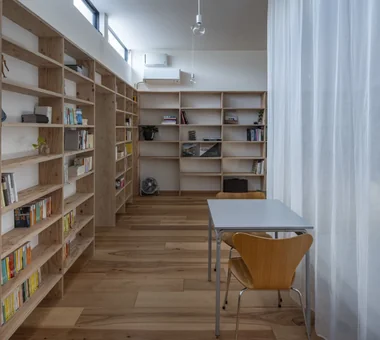
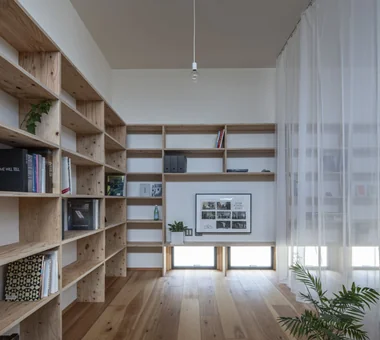
「ha」 hosaka hironobu architect associate
House in Tateyama
Tada Architectural Design Office
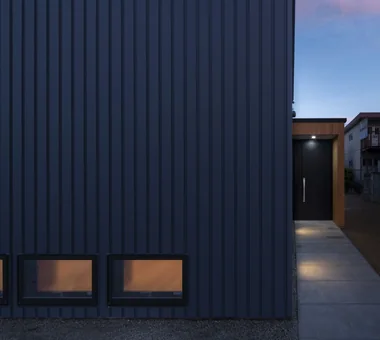
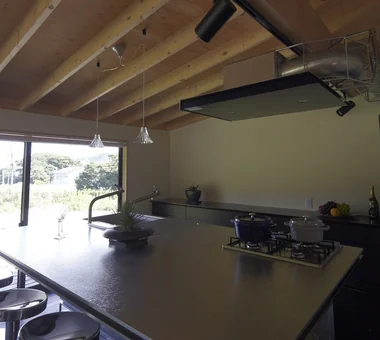
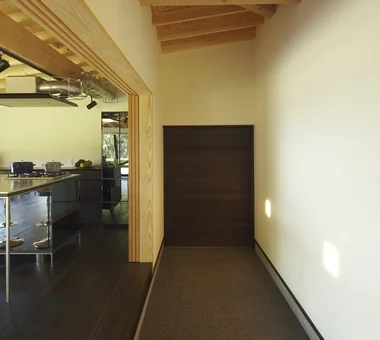
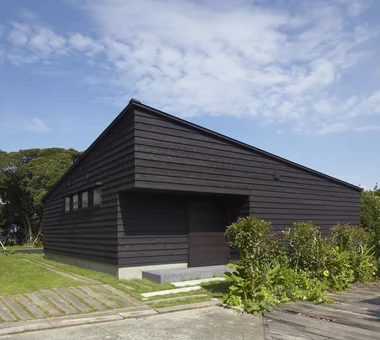
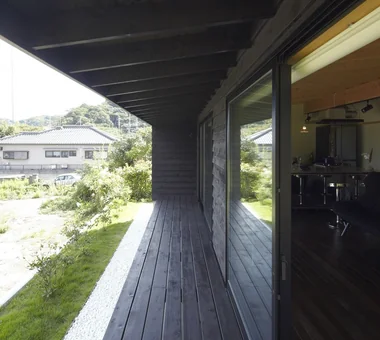
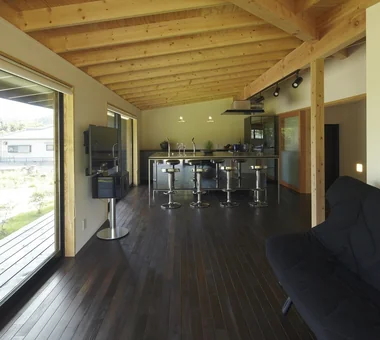
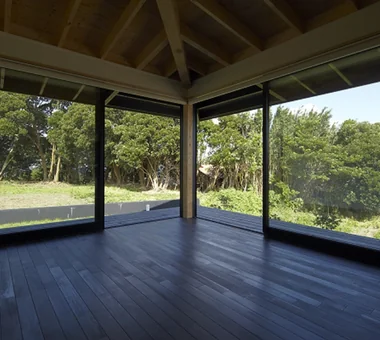
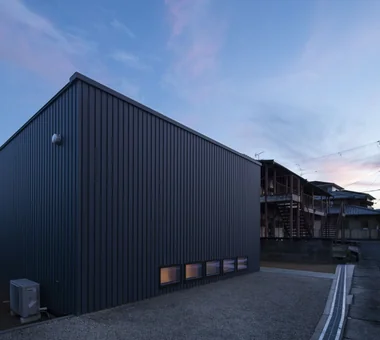
This residence is situated within a Quasi‑National Park in Tateyama City, Chiba Prefecture. It is broadly open toward the seaward northeast while the southwest elevation is intentionally kept as closed as possible. The entry contains an enlarged earthen‑floored mudroom to accommodate fishing activities, and the living room opens onto a deep, eaves‑protected veranda (nure‑en). A diagonal roof framework, featuring a ridge beam that rises toward the south, is articulated within the interior, and the exterior cladding—primarily timber—is detailed with measures to mitigate salt corrosion.
-
House of Wood|Case Studies|The Expression of Wood Weaves a Life: A Deeper Connection with Wood Over Time2025-10-13|Qurasuki Editorial Department -
Stylish Living Rooms|Key Points for Home Building|Practical Approaches to Enhancing the Quality of Relaxation Environments2025-10-20|Qurasuki Editorial Department -
Homes in Harmony with Nature|Introduction to Architecture Firms|A Residence That Integrates Nature's Bounty into Everyday Life2026-05-11|Qurasuki Editorial Department -
Homes for Design Enthusiasts|Case Studies|A Home That Balances Sensibility and Livability, Elegantly Composing Materials, Light, and Negative Space2026-05-17|Qurasuki Editorial Department -
Homes Designed for Living with Cats|Case Studies|A Relaxing and Secure Home for Cats and People, Tailored to the Cat's Personality and Lifestyle2025-10-13|Qurasuki Editorial Department -
Narrow House|Case Studies|A Rich Lifestyle Maximizing Limited Land2026-01-27|Qurasuki Editorial Department