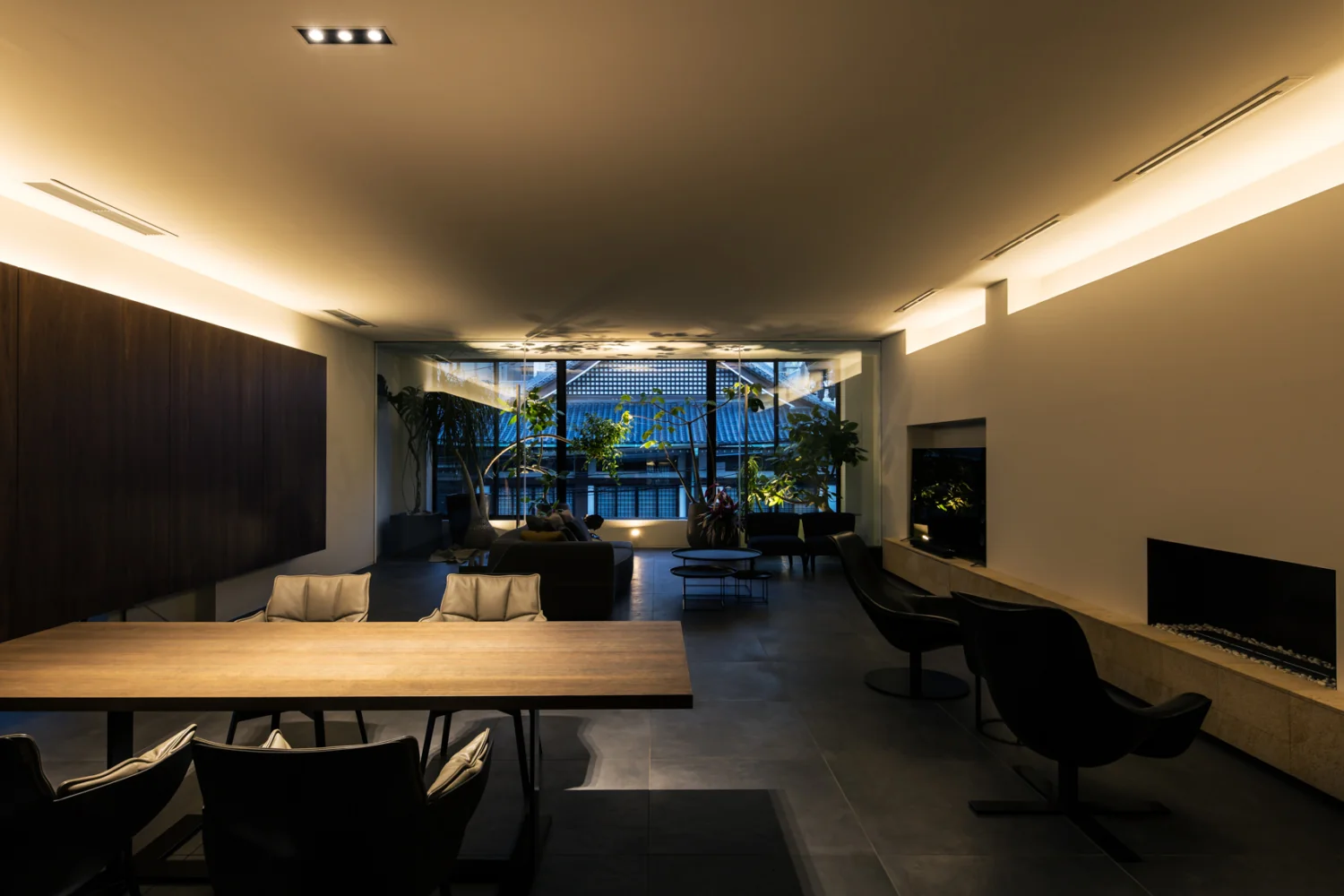
Abax Architects
Homes for Design Enthusiasts|Key Points for Home Building|Realizing an Aesthetic Space through the Integration of Architecture and Interior Design
Author: Qurasuki Editorial Department
Valuing one's relationship with beauty and the sensibility to refine the everyday environment through design are important perspectives when conceiving architecture. For design-minded individuals, a home is both a canvas for expressing personal aesthetic convictions and a place of everyday living. This requires deliberate color planning, thoughtful combinations of materials, the orchestration of light and shadow, and holistic coordination with furniture and fixtures. By creating cohesive spaces in which architecture and interior design function as one, occupants can sustain a sense of aesthetic fulfillment in daily life.
Facade Design with a Focus on Detail.
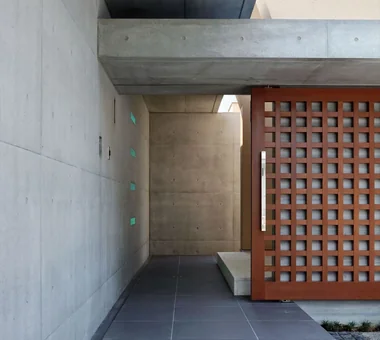
The exterior, serving as the face of the house, greatly influences the overall design impression. By planning all elements—such as material combinations, window placement, eave projections, and color schemes—with a sense of unity, a beautiful facade can be achieved. Considering harmony with the streetscape as well as the appearance from both distant and close viewpoints further enhances the design’s completeness. The exterior serves as a platform to express the resident’s aesthetic sensibility.
Pursuing the Beauty of Details.
The quality of a design is reflected in the resolution of its details. By meticulously designing each junction—such as the presentation of door frames, the intersection between floors and walls, and the integration of lighting fixtures—the overall elegance is elevated. Advancing the process through verification not only with drawings but also with models and mock-ups ensures highly refined details. A commitment to detail ultimately defines the true value of the design.
Adding Depth to Spaces Through Material Texture.
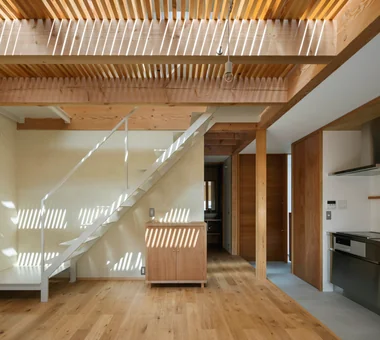
In highly designed homes, the choice of materials greatly influences the spatial impression. By leveraging the inherent textures of solid wood, stone, metal, glass, and plaster finishes, among others, the space becomes richly engaging not only visually but also tactilely. We recommend physically handling samples and considering their aging characteristics during selection. The choice of materials generates depth in design.
Imbuing Spaces with Character through Light Design.
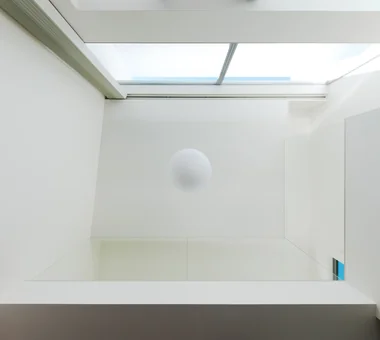
By designing the manner and angle at which light enters a space, the environment can be transformed dramatically. Through thoughtful consideration of window shapes and placements—such as skylights, high-side windows, and slit windows—spaces gain dynamic expressions that change throughout the day. Furthermore, integrating lighting design cohesively with the architecture enhances the beauty of the space at night. Mastering the manipulation of light is fundamental to architectural design.
Spatial Composition Calculated Based on Sightline Flow.
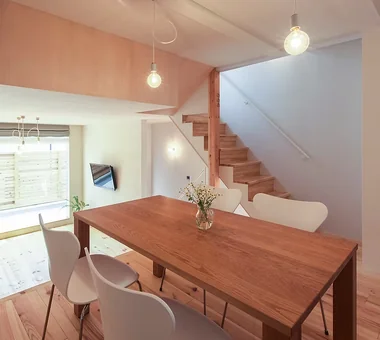
By meticulously designing the flow of sightlines—considering what is visible from each vantage point—depth and drama are introduced into the space. Awareness of the continuity of sightlines, such as from the entrance to the living room, from the living room to the garden, and from the staircase to the atrium, creates a three-dimensional perception of the space. The deliberate design of sightlines enhances the quality of the residential experience.
Planning Furniture as an Integral Part of Architecture.
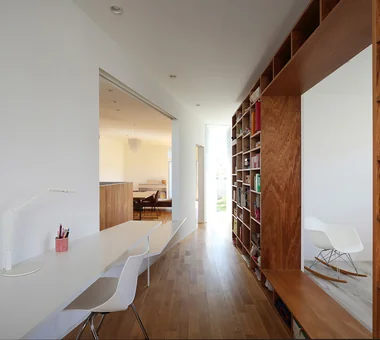
In highly design-oriented homes, integrating furniture planning with the architecture creates a sense of unity. Having custom-built furniture designed by the architect or carefully selecting ready-made pieces to suit the space enhances the overall interior quality. The ideal design is a space where furniture and architecture engage in a harmonious dialogue.
Unified Color Scheme Throughout the Entire Space.
By coordinating the colors of all elements—including walls, floors, ceilings, fixtures, furniture, and curtains—across the entire space, a refined environment is achieved. Harmonizing hues and tones, as well as strategically placing accent colors, creates order and rhythm within the space. Establishing a color palette in advance and adhering to it for all selections ensures a cohesive and unified design.
Imparting Character to a Space Through a Distinctive Feature.
Homes with a high degree of design sophistication often feature distinctive elements that serve as spatial symbols, leaving a lasting impression. Whether it is a spiral staircase, a grand atrium, an impressive fireplace, or an art-like custom wall, establishing a singular feature that embodies the essence of the home creates a memorable environment. While considering the overall balance, select one key element to serve as the focal point.
Completing the Space with Designer Furniture.
Masterpiece furniture and contemporary designer pieces are artworks in their own right. By carefully selecting and arranging furniture to complement the architectural space, the overall quality of the environment is elevated. From iconic works by Eames, Wegner, and Le Corbusier to creations by emerging contemporary designers, there is the pleasure of choosing pieces that resonate with one’s sensibility. Furniture selection is an integral part of the design process.
Design That Elegantly Reveals Structure.
A design approach that intentionally exposes structural elements such as columns, beams, and bracing—typically concealed—integrating them as part of the overall aesthetic. The visibility of steel or timber frameworks creates spaces where structural rationality and beauty converge. This allows for the appreciation of structural elegance while ensuring seismic resistance and safety.
Design Incorporating Aging and Weathering.
Highly designed homes consider not only the moment of completion but also how they evolve over time. By selecting materials that develop a patina with age—such as solid wood turning a rich amber hue or brass acquiring a subdued tarnish—the home becomes increasingly cherished the longer it is lived in. Design that embraces the temporal dimension creates truly enriched living environments.
A Venue for Expressing the Resident's Sensibility.
A home with a focus on design serves as a platform to express the resident's values, aesthetic sensibility, and way of life itself. Rather than selecting from trends or catalogs, it is essential to pursue what one truly finds beautiful. The process of articulating one's sensibility through dialogue with the designer and shaping it into form becomes an invaluable experience.
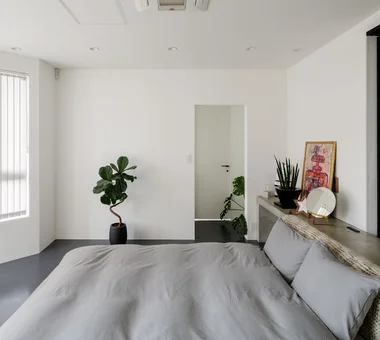

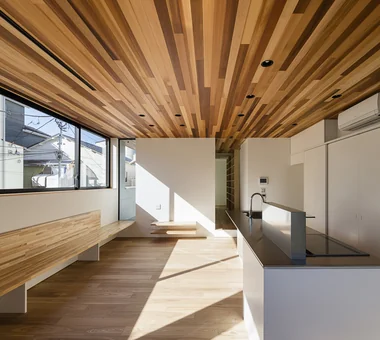

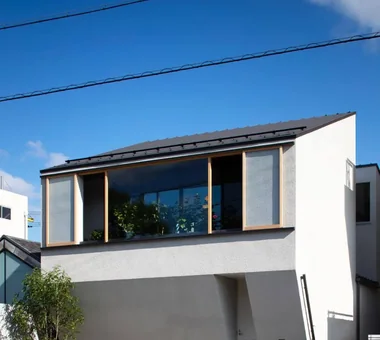




 Contemporary Design Residences|Introduction to Architecture Firms|Homes Reflecting Contemporary Sensibilities
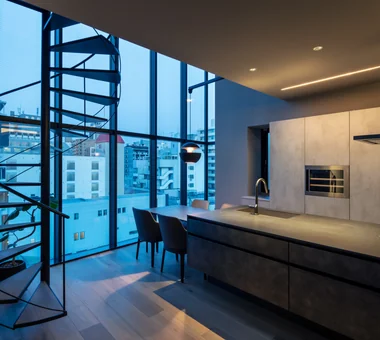 Spiral Staircase|Custom-built homes by architecture firms|Harmonizing Aesthetics and Functionality
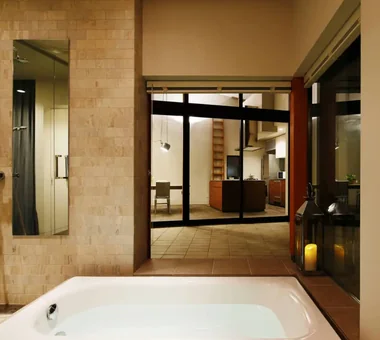 A Residence for Relaxation|Key Points for Home Building|Multisensory Spatial Design for Resetting Body and Mind
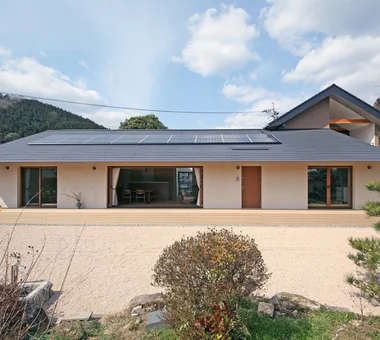 Modern Japanese-Style Residence|Custom-built homes by architecture firms|A Residence Where Japanese Aesthetics Meet Contemporary Living
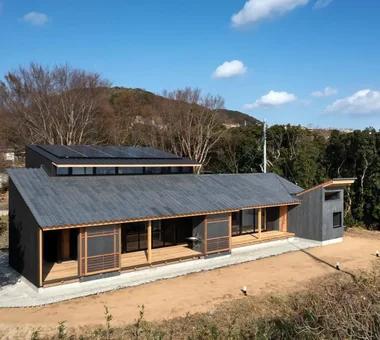 Homes in Harmony with Nature|Introduction to Architecture Firms|A Residence That Integrates Nature's Bounty into Everyday Life
 House with a Doma|Case Studies|Expanding the Scope of Living: A Space in the Home that Gently Connects Inside and Out