YIA Ishiue Yoshihiro Architectural Design Office
Stylish Gardens|Key Points for Home Building|Landscape Design Emphasizing Connection with Nature
Author: Qurasuki Editorial Department
The garden serves as a space that integrates daily life with nature and is a vital area influencing the mental health of the family. The selection of trees and flowering plants, the texture of paved surfaces, and the design of background fences and hedges create an environment that evokes the changing seasons and fosters a sense of tranquility. Through a practical plan that includes maintenance and management, the garden becomes a place that deepens emotional attachment over time.
Setting the Purpose and Concept of the Garden.
Clearly defining how the garden will be used is the starting point of the design process. The required size and facilities vary depending on the intended use, such as a home vegetable garden, a children's playground, a Japanese garden for viewing, or a terrace for BBQ. By establishing a concept that considers the family's lifestyle and potential future changes, the garden will become a space that can be cherished for a long time.
Circulation and Usability.
Ease of access from the interior to the garden significantly influences the frequency of garden use. By arranging direct exits from the living and dining areas, the garden can be enjoyed on a daily basis. Additionally, circulation within the garden itself is crucial; consider the placement of pathways, water faucets, and storage sheds to design an efficient and user-friendly garden.
Planting Plan and Tree Species Selection.
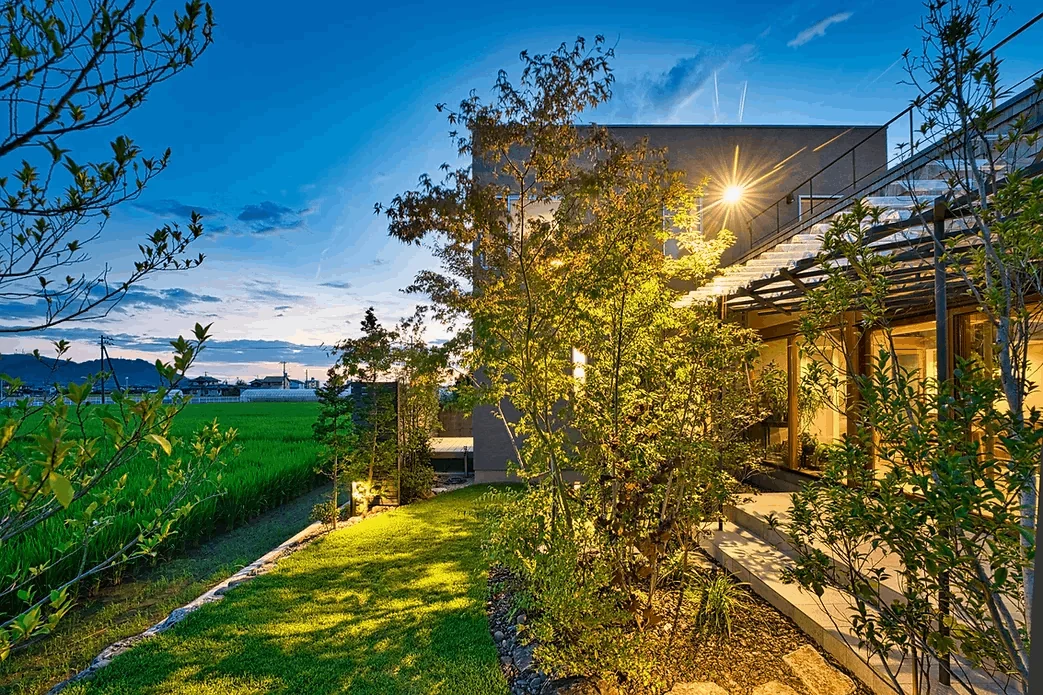
Selecting plants that define the garden's atmosphere requires careful consideration of the mature size of trees and the maintenance effort involved. Evergreen trees provide year-round greenery, while deciduous trees offer seasonal variation. Choosing species suited to sunlight exposure, soil conditions, and climate ensures healthy growth. The arrangement of plantings should also take into account views from interior spaces.
Water Faucets and Irrigation Equipment.
Having water faucets in the garden is convenient for watering plants and cleaning. Choose fixtures such as freestanding faucets or wall-mounted faucets, considering both functionality and design aesthetics. Installing an automatic irrigation system can reduce the effort required for watering. In cold regions, measures to prevent freezing during winter are also necessary.
Creating a Nighttime Garden Ambiance through Lighting Design.
Garden lighting is crucial for both security and aesthetic purposes. By combining uplights on trees, footlights along pathways, and bracket lights on terraces, the garden is beautifully illuminated at night. The nighttime view from indoors is captivating, and the outdoor experience is greatly enhanced.
Balance Between Privacy and Openness.
By moderately shielding views from neighboring houses and the street, you can relax in the garden with peace of mind. Privacy can be secured without creating a closed-off feeling by effectively arranging hedges, fences, and plantings. It is important to consider the flow of wind and light to maintain a balance with openness.
Selection of Paving Materials.
The choice of paving materials for approaches, terraces, and garden paths significantly influences the overall ambiance of the garden. Materials such as stone, brick, tile, gravel, and turf each impart a distinct character. It is essential to consider factors such as slip resistance and maintenance requirements when selecting materials. Combining different materials can create a dynamic and richly textured garden environment.
Treatment of Fences and Boundaries.
The boundaries with adjacent properties are planned to clearly define legal divisions while also considering design aesthetics. Various options are available, including wooden fences, aluminum fences, hedges, and block walls. Harmonizing these elements with the building's exterior creates a cohesive unity throughout the entire site.
Enjoying the Changes of the Four Seasons.
Japan is blessed with beautiful four seasons. Gardens that transform their appearance with each season—from spring blossoms, summer shade, autumn foliage, to winter snow scenes—enrich daily living. By thoughtfully balancing evergreen and deciduous trees and planting seasonal flowers and plants, one can enjoy the garden throughout the entire year.
Provision of Outdoor Storage.
Having designated storage spaces for gardening tools, hoses, fertilizers, and children's outdoor play equipment used in the garden is highly convenient. Installing sheds or storage rooms, or incorporating storage beneath benches, helps maintain a tidy garden environment. Selecting aesthetically designed storage units ensures that the garden's visual appeal is preserved.
Harmony and Unity with the Building.
By designing the garden as an extension of the building in an integrated manner, a sense of cohesion is created throughout the entire site. Selecting landscaping and paving materials that harmonize with the exterior wall colors, materials, and roof shapes achieves a cohesive and aesthetically pleasing living environment. It is also important to plan with consideration of the garden views from the interior.
Layout Anticipating Future Growth.
Plantings grow over time. Although they may be small when first planted, they will mature significantly after 10 or 20 years. It is essential to arrange them with their eventual size in mind. Consider the distance from buildings and power lines, as well as root expansion patterns, and plan the landscaping with a long-term perspective.



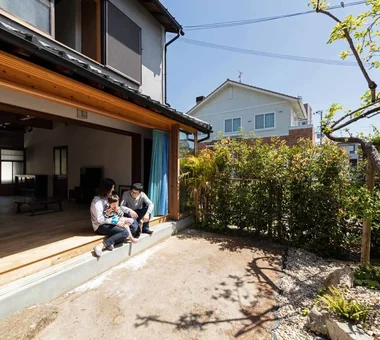
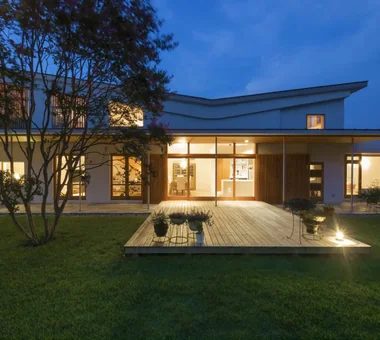 House with Outdoor Living Space|Introduction to Architecture Firms|Living Where Interior and Exterior Become One
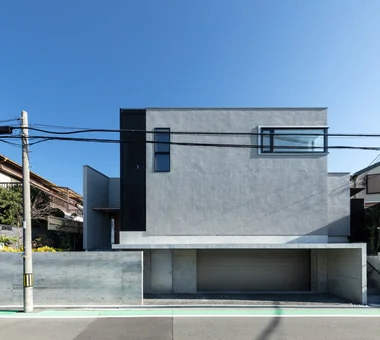 Modern Residences|Introduction to Architecture Firms|The Fusion of Rationality and Beauty
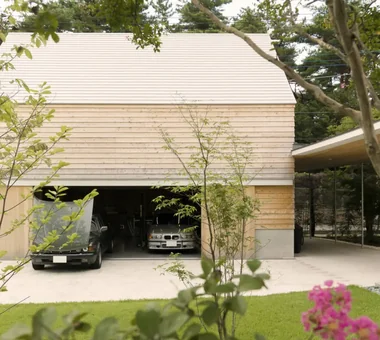 Garage Houses|Introduction to Architecture Firms|A Home for Living with Your Beloved Car
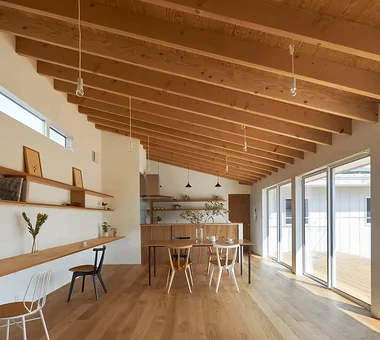 Stylish Living-Dining-Kitchen Space|Key Points for Home Building|Spatial Composition and Planning Tips to Enhance Family Time
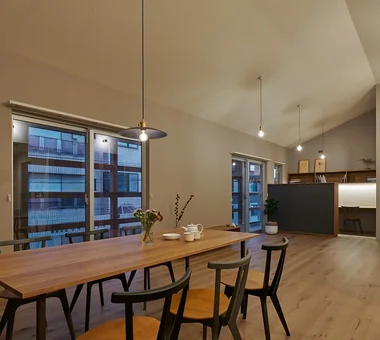 House with Second-Floor Living Room|Introduction to Architecture Firms|Open Views, Transformed Living
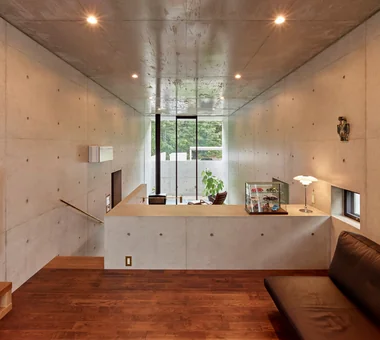 Concrete Houses|Introduction to Architecture Firms|Architecture That Speaks Through Materiality