Atelier Cotocoto
House of Wood|Case Studies|The Expression of Wood Weaves a Life: A Deeper Connection with Wood Over Time
Author: Qurasuki Editorial Department
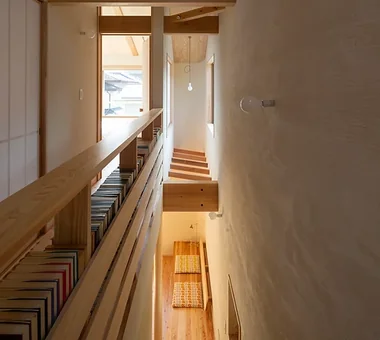
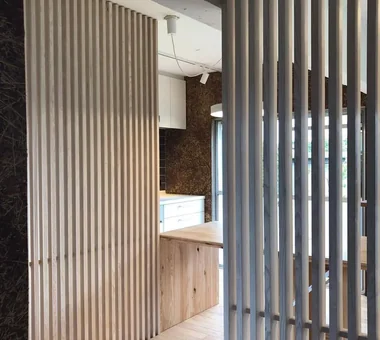
In a wooden house, the inherent warmth and aroma of the material gently envelop daily life. Beams and rafters create a rhythm on the ceiling, while the fine lines of lattices and fittings organize the space and enhance the beauty of shadows. Flooring, pillars, and beams gain a richer luster with use, their character deepening along with the life lived there.
By designing with weatherproofing and ventilation in mind, wood can maintain its beauty for a long time. Selecting timber based on strength and using thoughtful joinery techniques provide a sense of security, creating a home that balances the charm of the material with structural integrity.

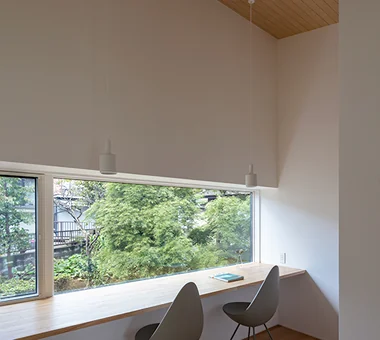
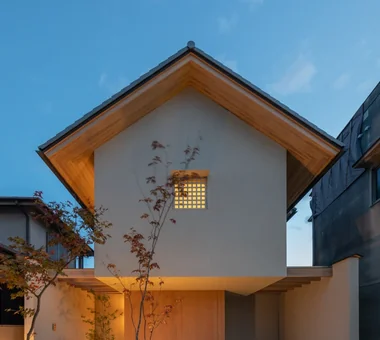
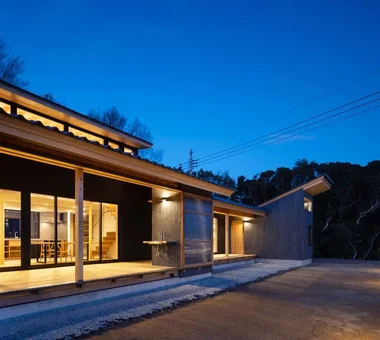
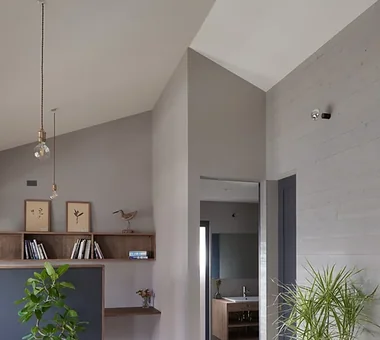
Shadows woven by wood cladding and lattices; harmonizing with light through the expression of eaves and wood grain.
House of Wood |Exterior
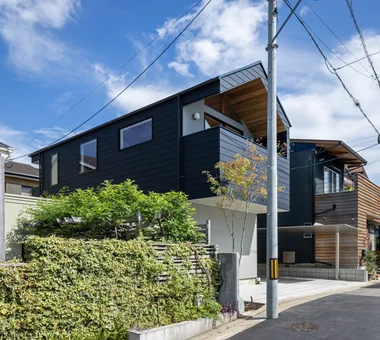
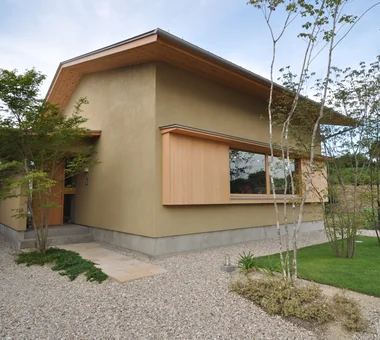
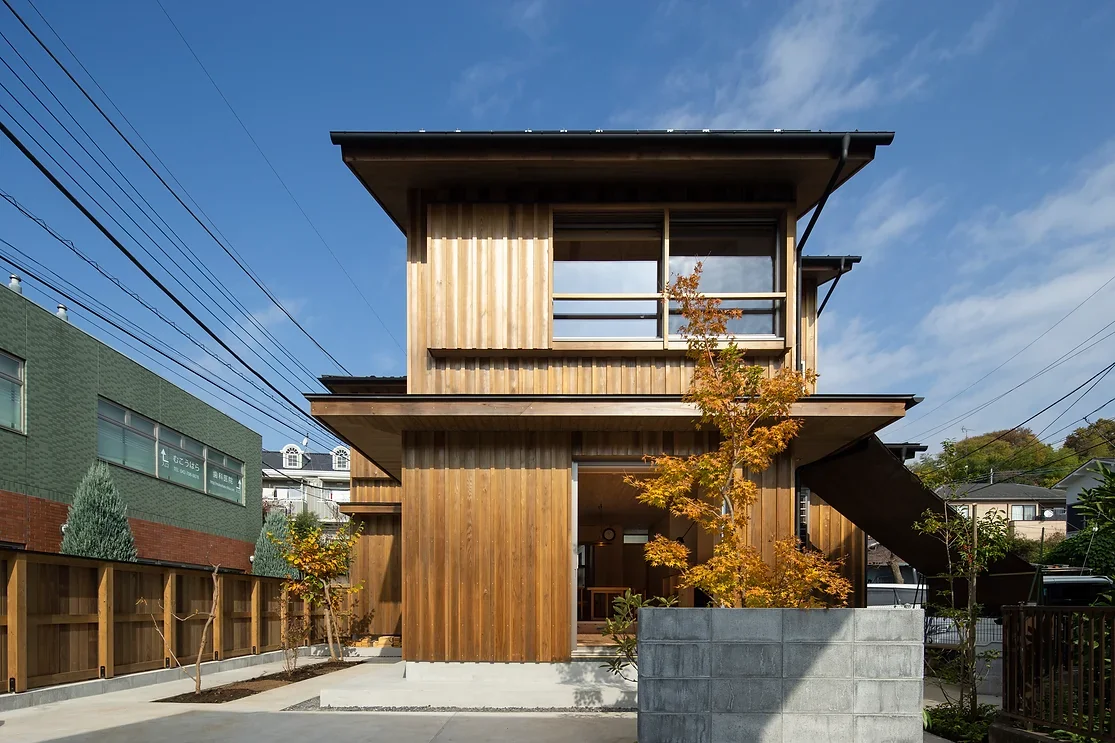
Using wood on the exterior allows a house to blend into the streetscape while radiating its own unique presence. The impression of wood cladding changes depending on its orientation—vertical or horizontal—and how it's partitioned. Lattices soften the facade's frontality, serving to block views from the outside while allowing wind and light to pass through.
Furthermore, the extension of the eaves and canopies not only provides shelter from rain but also blocks the harsh summer sun and lets in winter sunlight. Wood changes its color over the years, but by embracing this transformation as part of the design, the building gains more character over time.
Family time connected by materials; a design approach that integrates circulation, light, sound, and storage.
House of Wood |LDK
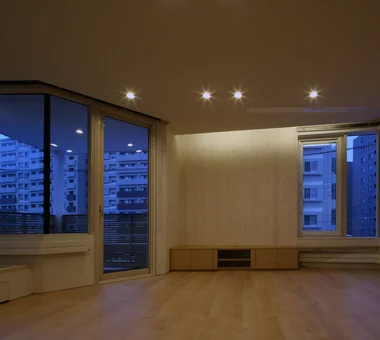
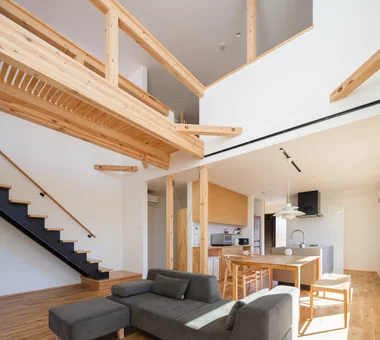
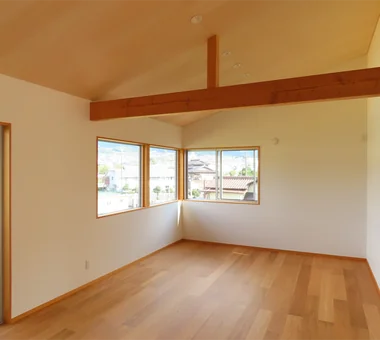
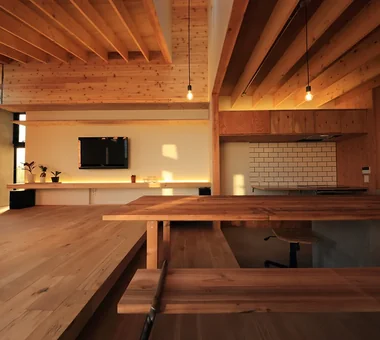
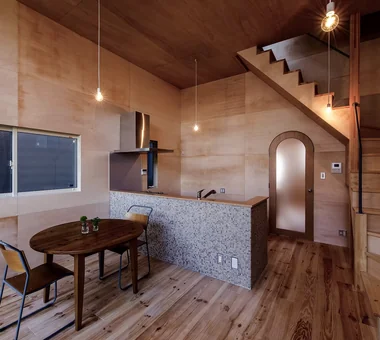
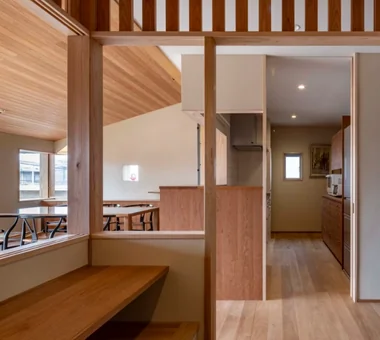
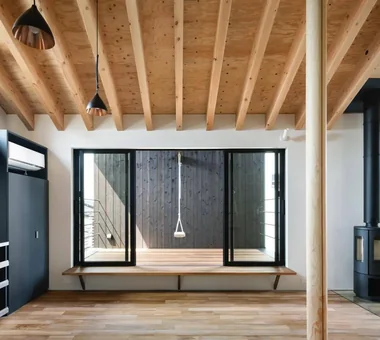
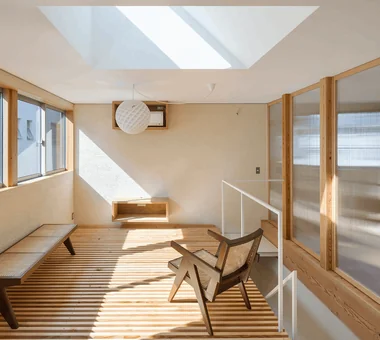
The LDK, where the family spends most of their time, is the place where the charm of wood can be felt most deeply. Beams and rafters create a sense of spaciousness, and the rhythm drawn by the lines of wood enhances comfort. The wood grain of the floors and walls shows different expressions throughout the day, depending on the natural light and illumination.
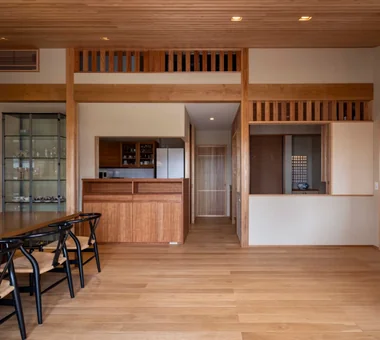
Using lattices can softly divide the space while maintaining sightlines, achieving a balance between openness and tranquility. Unifying the texture of furniture and custom-made fixtures creates a sense of cohesion in daily life, resulting in an LDK that gently envelops family time.
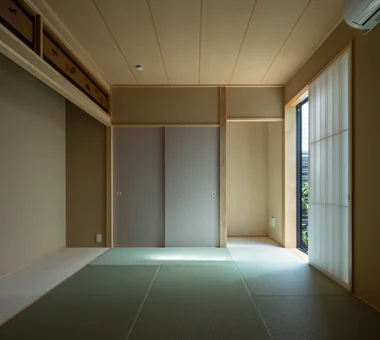
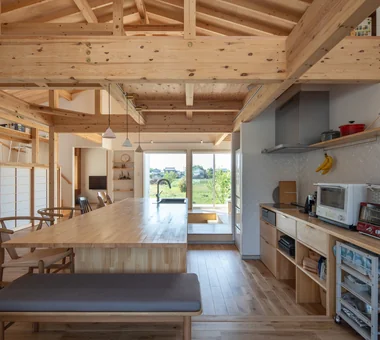
The shadows of wood that enhance the dining table; a dining room alive with the beauty of aging.
House of Wood |Dining Area
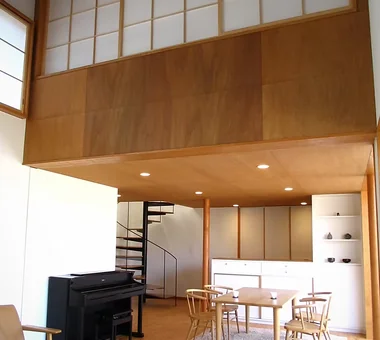
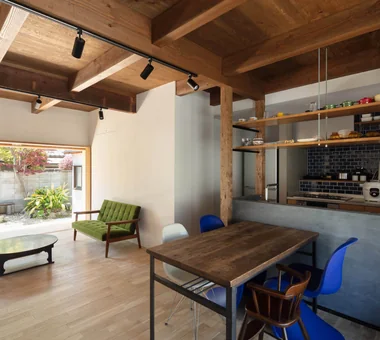
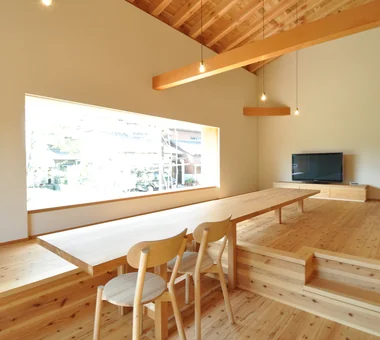
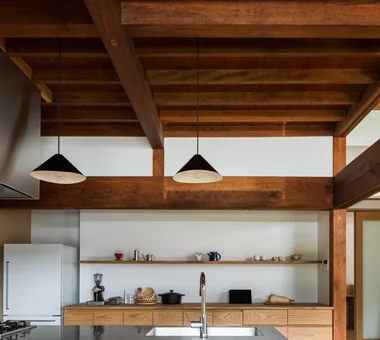
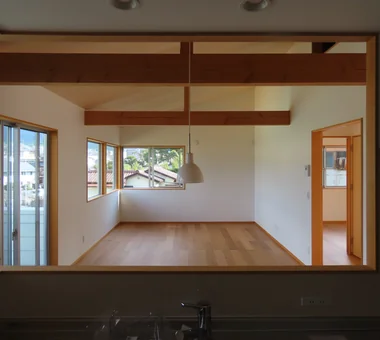
In a dining room, the relationship between tangible materials and light determines the impression of a meal. Dimensions are decided based on circulation around the table, the movement of chairs, and the act of serving, while the line of sight is refined by ceiling height and lighting placement.
In coordination with the kitchen, priority is given to an efficient workflow that reduces burden, and a ventilation plan is developed to ensure both openness and odor control. The color temperature of the lighting is fundamentally warm to enhance the color of the food, supplemented by task lighting for practicality. When windows are positioned as frames to capture outdoor scenery or greenery, dining time becomes richer.
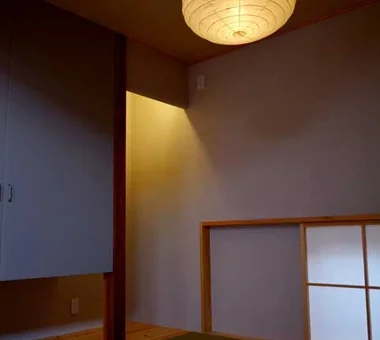
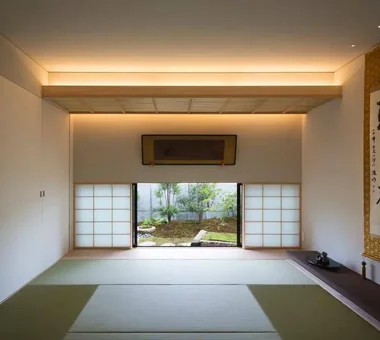
A Japanese-style room where light and shadow create tranquility, adapted for modern living.
House of Wood |Japanese-style room
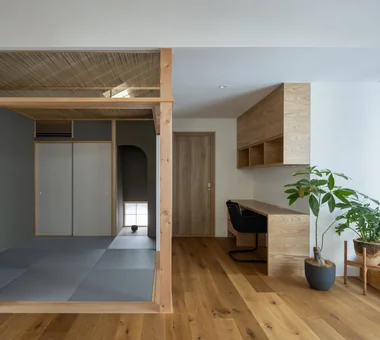
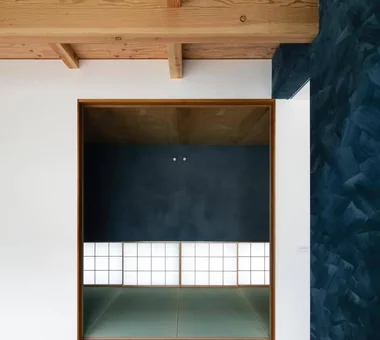
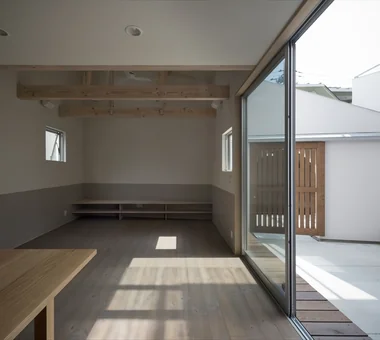
A Japanese-style room can be used for multiple purposes if it is designed with adaptability for modern lifestyles. Continuity with the LDK, through level changes or connected openings, creates a sense of spatial connection. The relationship between indoors and outdoors can be adjusted by manipulating partitions or the "engawa" (veranda), and a sense of the seasons is enhanced by coordination with plants and the garden.
Soft light filtering through "shoji" screens or lattices creates shadows, harmonizing with "tatami" mats and wooden floors to produce a calm atmosphere. With a design that considers humidity and ventilation, the wood remains stable and maintains its beautiful condition for a long time.
-
A Residence for Relaxation|Introduction to Architecture Firms|A Home That Unwinds You Every Time You Return2026-05-11|Qurasuki Editorial Department -
Narrow House|Pros and Cons|Transforming Smallness into Quality of Living2026-01-27|Qurasuki Editorial Department -
Single-Story Houses|Case Studies|A Home That Breathes with the Seasons, Defined by Spreading Horizontal Lines and the Warmth of Materials2025-10-13|Qurasuki Editorial Department -
Hotel‑inspired Residence|Key Points for Home Building|Transforming the Residence into a Resort: Hotel‑Like Spatial Design2026-05-17|Qurasuki Editorial Department -
Second-Floor Living|Case Studies|A Home That Embraces Light, Wind, and Scenery for an Open and Airy Lifestyle2026-01-27|Qurasuki Editorial Department -
A Home for Culinary Enthusiasts|Case Studies|A Form of Pleasant Daily Life Where Cooking Time Takes Center Stage2025-10-13|Qurasuki Editorial Department