12mm Architects
Compact House|Case Studies|Spatial design that transforms a limited floor area into comfort
Author: Qurasuki Editorial Department
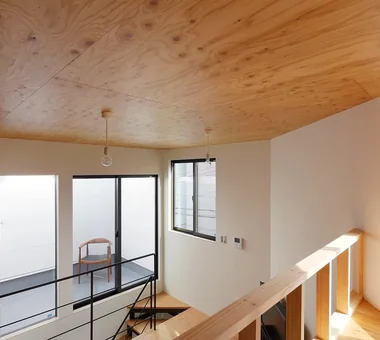
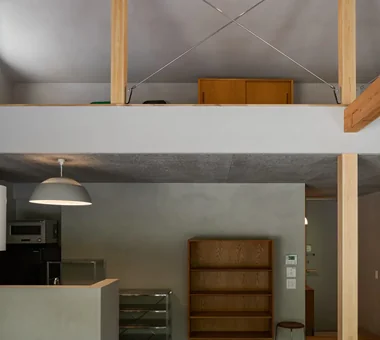
A compact house is not simply a small dwelling; it is a residence in which required functions are carefully organized to enable an efficient, uncluttered way of life. Reducing floor area lowers construction and utility costs, making it easier to allocate budget to higher-quality materials and performance—an attractive advantage. Thoughtful ceiling-height strategies and the use of unobstructed sightlines can make interiors feel larger than their actual footprint. Integrating storage into wall surfaces and under-stair areas helps to minimize domestic clutter. Because space is limited, compact houses demand careful consideration of circulation, daylighting, and furniture layout; when these elements are well resolved, the design yields a living environment that feels generous and comfortable.

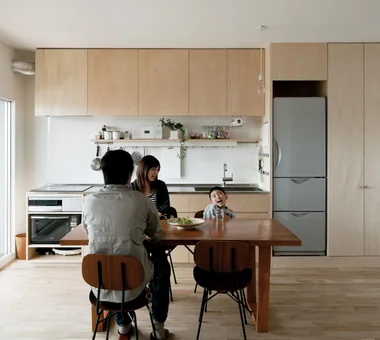
An LDK for compact houses that feels open, preserves comfortable family proximity, and avoids a cramped atmosphere
Compact House |LDK
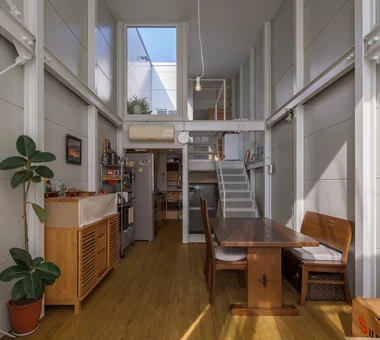
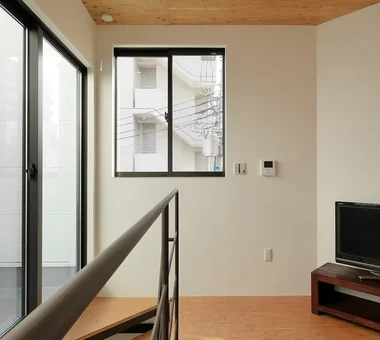
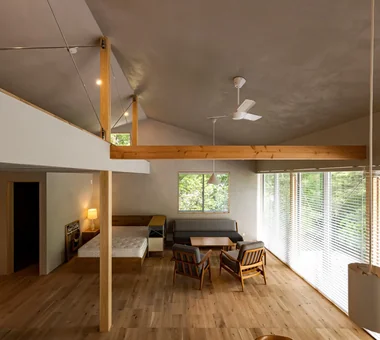
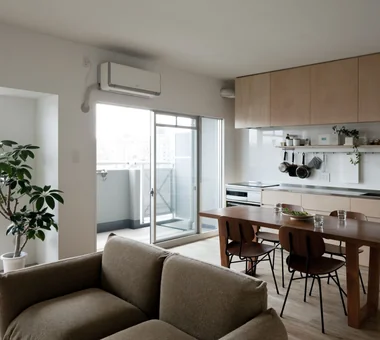
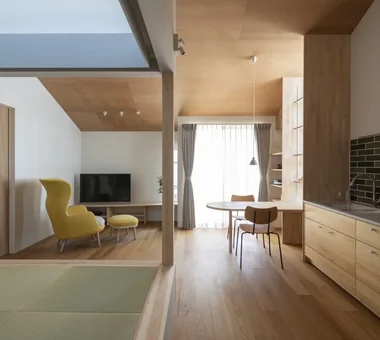
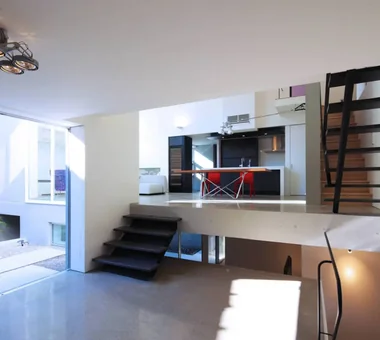
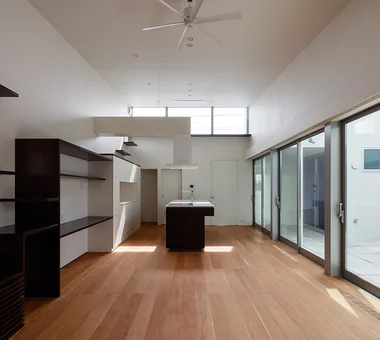
In the LDK of a compact house, the way spaces connect is more important than raw square footage. Gently linking the kitchen, dining and living areas creates a sense of openness even within a limited floor area. Many designs limit off-the-shelf furniture in favor of built-in storage and integrated bench seating. Placing windows to preserve sightlines and continuing floor or ceiling materials across adjacent zones enhance the perception of spatial continuity beyond the measured area. Compact LDKs also benefit from improved heating and cooling efficiency. Such layouts naturally encourage family members to spend time together, fostering daily communication—a distinctive advantage of compact living.
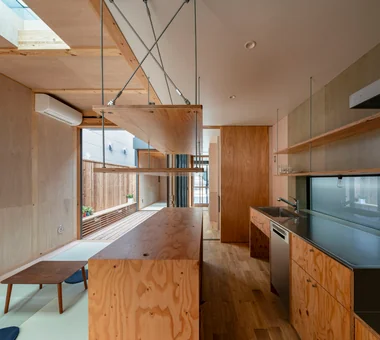
A kitchen for compact houses that balances efficiency and comfort in a limited footprint
Compact House |Kitchen
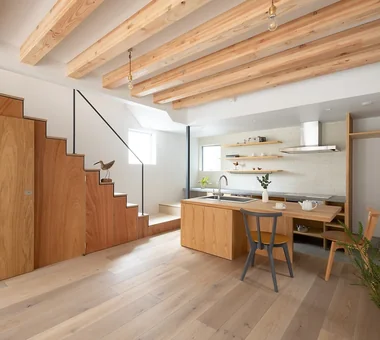
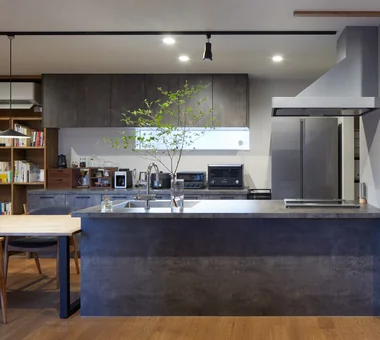
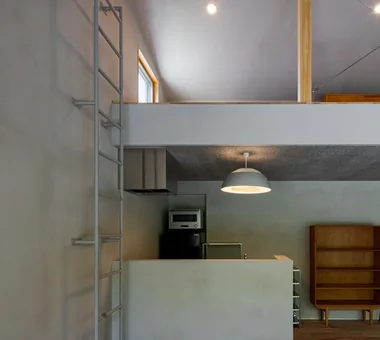
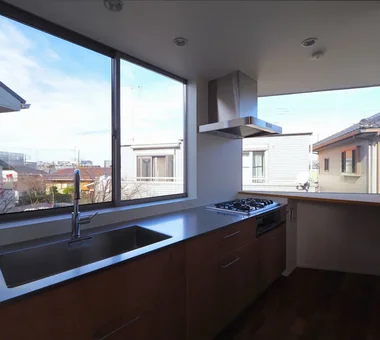
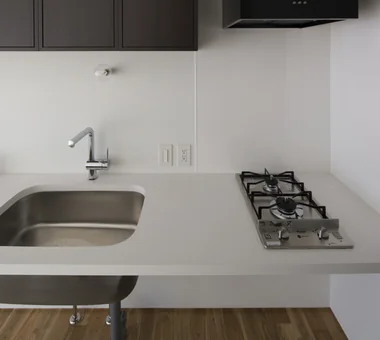
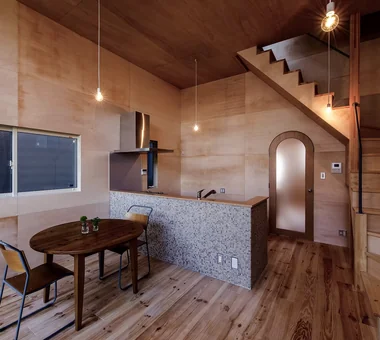
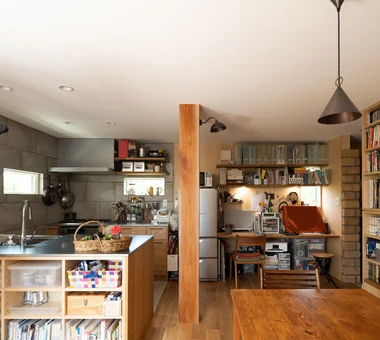
In compact-house kitchens, shortening circulation routes reduces the burden of daily chores. Efficient placement of refrigerator, sink and cooktop can make a small kitchen highly functional. Open-plan kitchens integrated with the dining area or minimalist layouts that consolidate storage along the rear wall are popular. Reducing overhead cabinets to maintain visual openness is another common strategy to avoid a cramped feeling. Because the kitchen strongly influences the overall impression of a compact home, careful selection of materials and lighting design is essential. Choosing tactile, high-quality materials such as timber or stainless steel brings a sense of refinement and calm to a small space.
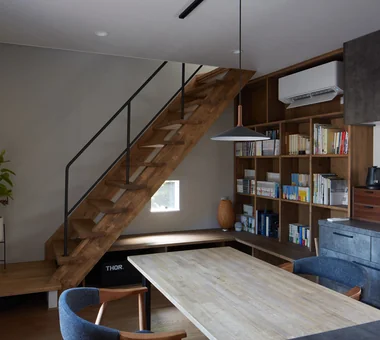
A dining area that makes mealtimes more pleasant by using space efficiently
Compact House |Dining Area
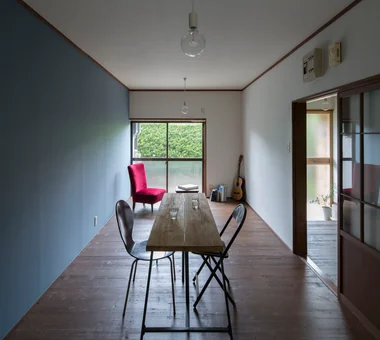
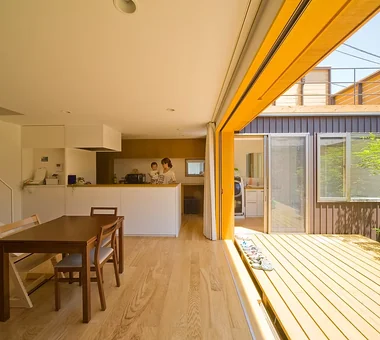
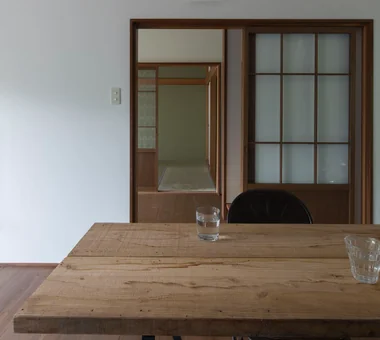
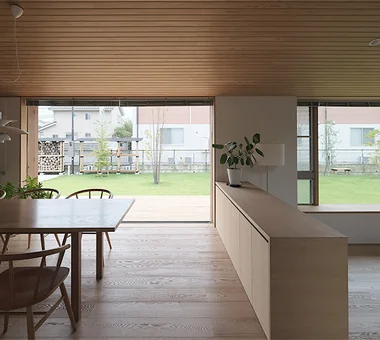
In compact-house dining areas, how limited space is shared is a key consideration. Layouts that position the dining area alongside the kitchen to facilitate serving and clearing are increasingly common. Custom-built benches can increase seating capacity while preserving circulation width. Even without large furniture, arranging the dining area to allow outward views at the window creates a relaxed atmosphere for meals. In compact dwellings the dining area often doubles as a workspace or a children's study, so careful planning of lighting and electrical outlet locations is important. Flexible design tailored to lifestyles enhances everyday usability.
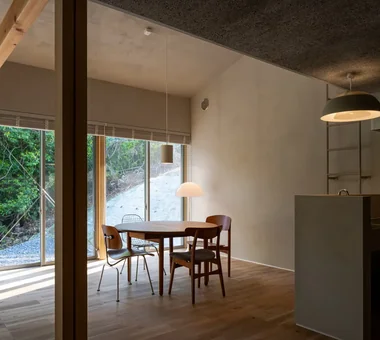
An exterior design that harmonizes with the streetscape—how small houses can achieve striking presence
Compact House |Exterior
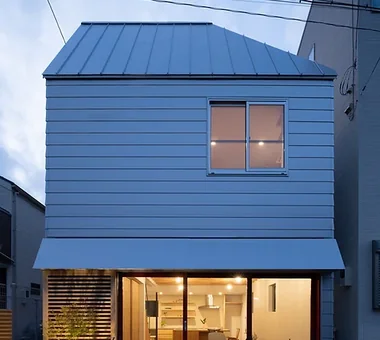
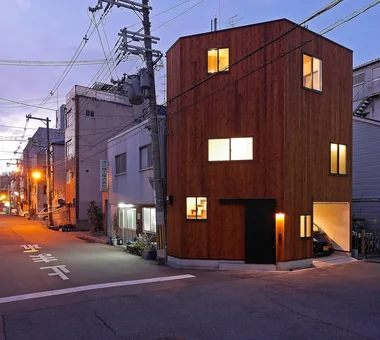
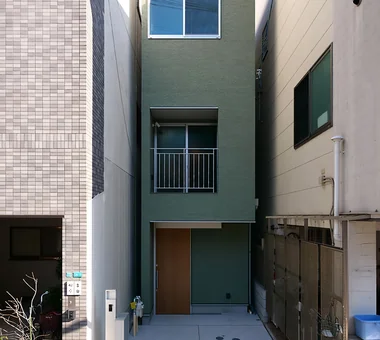
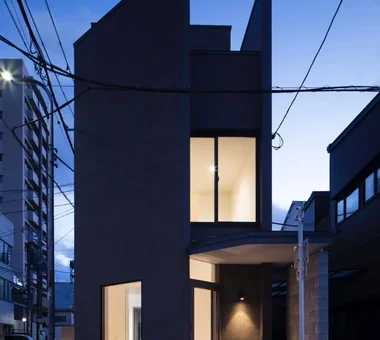
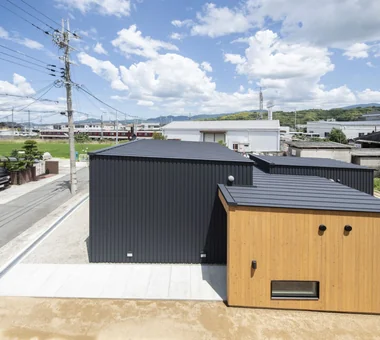
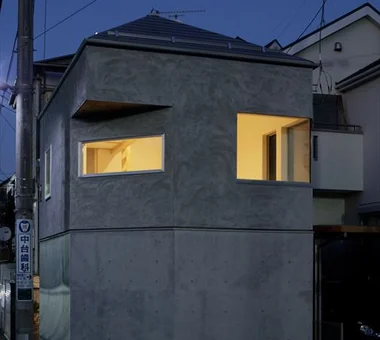
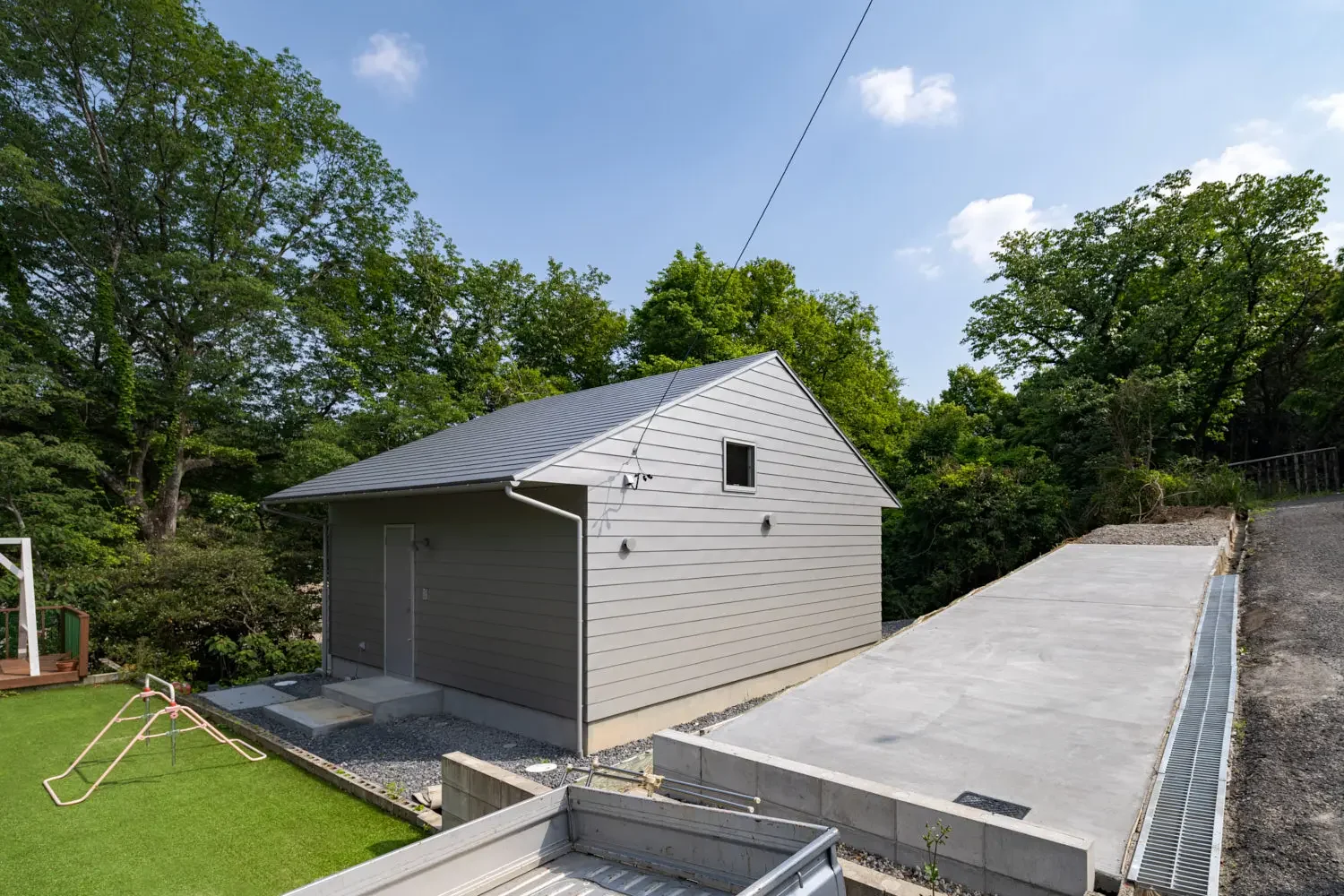
The exterior of a compact house requires a balanced composition that does not emphasize building size. Careful planning of window placement, cladding materials and eave projection can create a simple yet refined appearance. In densely built residential areas, designs must reconcile daylighting with privacy and the control of external views. Solutions that appear closed from the street while introducing abundant light internally—such as courtyards and clerestory windows—are common. A simple form with restrained articulation is also advantageous from the perspectives of construction cost and maintainability. In a small house, material expression and the quality of window detailing significantly influence the overall impression of the home.
-
Homes Designed for Living with Dogs|Case Studies|From Material Selection to Workflow Planning, a Form of Home that Achieves Comfortable Coexistence2025-10-13|Qurasuki Editorial Department -
Homes Designed for Living with Dogs|Introduction to Architecture Firms|Comfortable Coexistence for Dogs and People2026-05-11|Qurasuki Editorial Department -
Homes Designed for Living with Cats|Introduction to Architecture Firms|A Home Designed to Support a Cat's Free‑Spirited Life2026-05-11|Qurasuki Editorial Department -
Homes for Design Enthusiasts|Introduction to Architecture Firms|Designing Everyday Living2026-05-11|Qurasuki Editorial Department -
A Residence for Relaxation|Case Studies|Incorporating Resort-like Serenity into Everyday Life: A Tranquil Space for Mindful Repose2025-10-13|Qurasuki Editorial Department -
Contemporary Design Residences|Custom-built homes by architecture firms|Expressions of Contemporary Living2026-06-24|Qurasuki Editorial Department