Kumi Inoue Architects
Stylish Japanese-Style Rooms|Key Points for Home Building|Utilizing Spaces That Harmonize Tradition and Contemporary Living
Author: Qurasuki Editorial Department
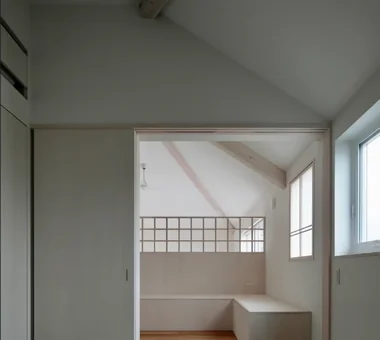
The Japanese-style room not only evokes a sense of traditional Japan but also functions as a versatile space in modern living. Elements such as the texture of tatami mats, the soft light filtering through fusuma sliding doors and shoji screens, and the calming ceiling height create an environment where family members can mentally and physically reset. It is essential to consider how to seamlessly integrate this space into everyday life while allowing occupants to experience a different flow of time compared to Western-style rooms.
Types of Tatami and Selection of Edging
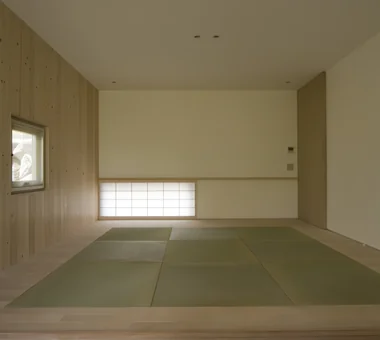
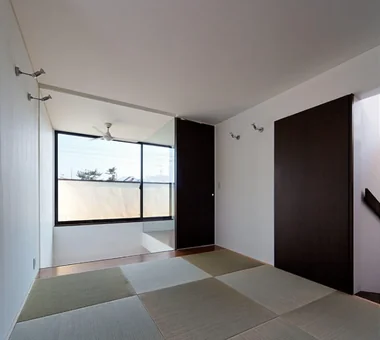
Tatami mats vary in size standards depending on the region, such as Kyoma and Edoma. Recently, Ryukyu tatami and edging-less tatami have also gained popularity. Tatami with edging offers a traditional and serene aesthetic, while edging-less tatami provides a modern and clean appearance. The materials for tatami surface coverings have expanded from natural rush grass to include washi paper and resin options, allowing for a broader range of choices. It is advisable to consider maintenance requirements and intended usage when selecting the appropriate tatami type.
The Relationship Between Ceiling Height and Sense of Calm.
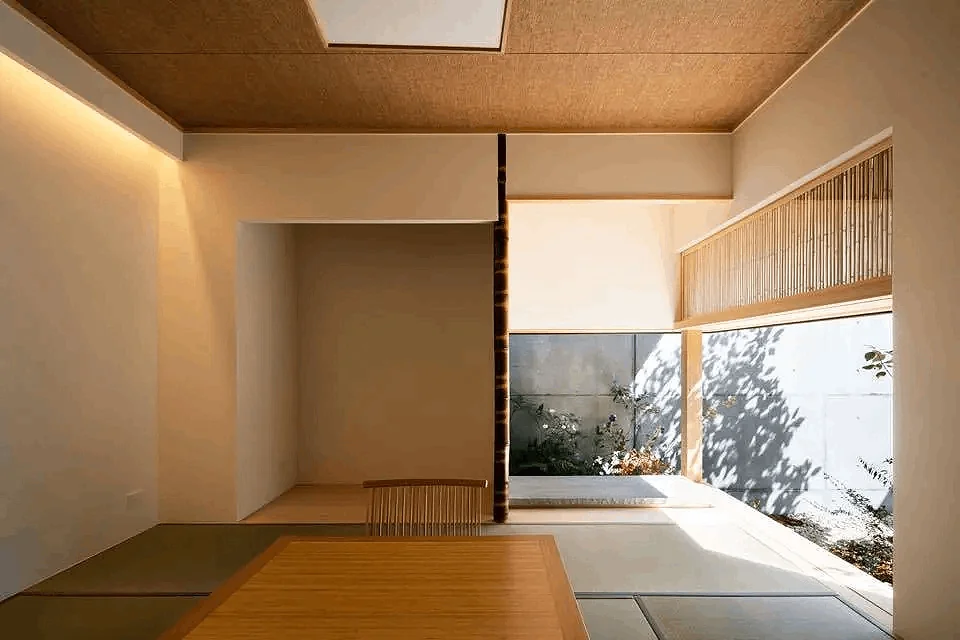
Compared to Western-style rooms, Japanese-style rooms feature slightly lower ceilings, which create a tranquil atmosphere. Assuming a lifestyle centered around sitting on the floor, a ceiling height of approximately 2.1 to 2.3 meters does not induce a sense of confinement; rather, it provides a comfortable, enveloping feeling. However, when incorporating a sunken kotatsu or anticipating the use of chairs, it is necessary to consider ceiling heights appropriate to these functions.
Selection and Operation of Joinery
Traditional joinery such as shoji screens and fusuma sliding doors are crucial elements that define the ambiance of a Japanese-style room. Shoji screens diffuse soft light into the interior, imparting a sense of depth to the space. Utilizing sliding doors allows for wider openings, fostering a seamless connection with adjacent areas. Attention to the design of the joinery's stiles and rails further enhances a refined and sophisticated impression.
A Contemporary Interpretation of the Tokonoma.
While incorporating a traditional tokonoma is commendable, it can also be simply reinterpreted to suit modern living. Creating a niche approximately 15 cm deep within the wall to display flowers or hanging scrolls, or fabricating a low decorative shelf, allows for a functional space that preserves the spiritual essence of the tokonoma.
Creating Shadows and Highlights through Lighting Design.
The charm of a Japanese-style room lies in the beauty of soft light and shadows. By effectively utilizing indirect lighting and selecting lantern-style fixtures, a calm and serene atmosphere can be achieved. Recessed downlights installed in the ceiling, equipped with dimming functions, allow for brightness adjustments tailored to various uses. Subtle, gentle illumination rather than overly bright light complements the traditional Japanese space.
Texture of Wall Finishes.
Plaster finishes such as Juraku plaster and diatomaceous earth plaster impart depth and texture to Japanese-style rooms. These materials are breathable and offer moisture-regulating effects. Even when opting for wallpaper finishes, selecting ones with Japanese paper or woven fabric textures allows for a finish that preserves the traditional Japanese ambiance. Colors in subdued tones such as white, beige, or gray tend to harmonize well.
Continuity with Other Spaces.
When adjoining the living room or dining area, a design that allows the openings to be fully opened for integrated use is convenient. Aligning the floor levels or intentionally raising one level alters the spatial impression. Introducing a step creates variation within the space and allows adjustment of the eye level when seated. However, if prioritizing barrier-free accessibility, consider a flat floor finish.
Window Placement and Framing of Views
The windows in the Japanese-style room serve the purpose of framing the external scenery like a painting. By effectively utilizing low-set windows, one can enjoy the greenery of the courtyard garden. Additionally, the soft light filtered through the shoji screens further enhances the ambiance of the Japanese-style room. The placement of windows should be determined with consideration for both the interior views and the exterior appearance.
The Choice of a Raised Japanese-Style Room.
Incorporating a raised Japanese-style room in a corner of the living area creates a distinct spatial articulation. The stepped platform can also be utilized as storage, offering functional advantages. A height of approximately 30 to 40 cm is typical, providing an ideal dimension for seating. However, when small children or elderly individuals are present, careful consideration of safety measures is essential.
Incorporation of Tokobashira and Nageshi
In traditional Japanese-style rooms with an exposed post-and-beam structure, visible pillars impart a sense of formality to the space. Using fine timber for the tokobashira (alcove pillar) or creating visual lines with nageshi (horizontal wooden rails) evokes an authentic Japanese aesthetic. However, in contemporary residences, finished walls without exposed framing are common, and simpler, more modern Japanese-style rooms are also popular. Selection should be made according to the desired atmosphere.
Incorporate Versatility in Usage.
The Japanese-style room serves not only as a guest room but also as a multifunctional space for family relaxation, a children's play area, and a place for folding laundry. Planning the arrangement of storage, lighting, and electrical outlets with the potential future use as a bedroom in mind allows the space to adapt to changes in life stages.
Maintenance and Aging.
Tatami mats require flipping or replacement approximately every 5 to 10 years, and shoji paper also needs periodic reapplication. Although this maintenance demands effort, it is precisely through these processes that the space can be kept fresh, which is a distinctive appeal of Japanese-style rooms. By carefully tending to the natural aging of materials such as the scent of igusa rush and other natural elements, the space becomes one that fosters a deep sense of attachment.





 Homes with Atelier Spaces|Custom Home Examples by Architectural Offices|A Residence Where Creative Workspaces Are Integrated into Everyday Life
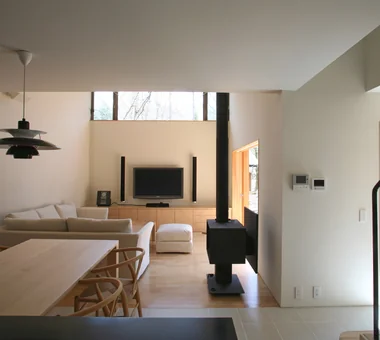 Homes Featuring Wood-Burning Stoves|Key Points for Home Building|Installation and Thermal-Flow Planning with Safety and Efficiency
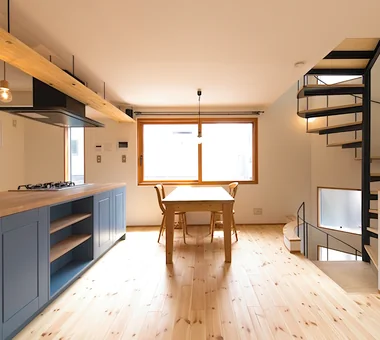 Narrow Lot House|Introduction to Architecture Firms|Great Potential Within a Small Footprint
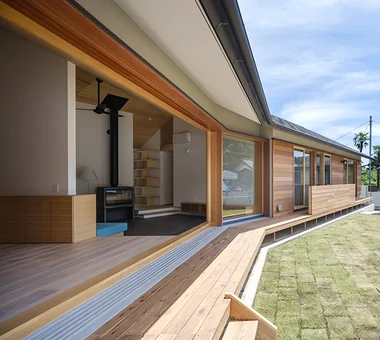 House with Wooden Window Sashes|Introduction to Architecture Firms|Windows That Express Natural Warmth
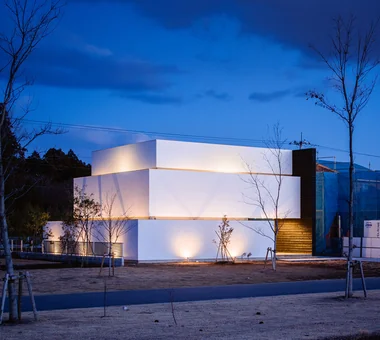 Modern Residences|Introduction to Examples by Floor Plan & Room Type|A Form of High-Quality Living Woven from Materials, Light, and Spatial Composition
 Homes Designed for Living with Cats|Introduction to Examples by Floor Plan & Room Type|A Relaxing and Secure Home for Cats and People, Tailored to the Cat's Personality and Lifestyle