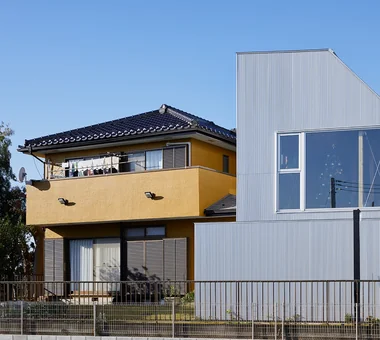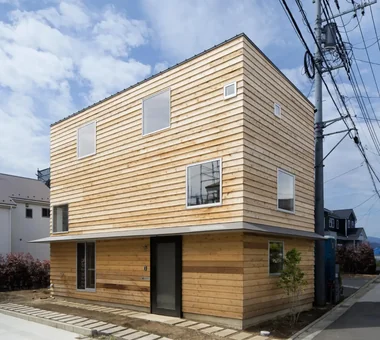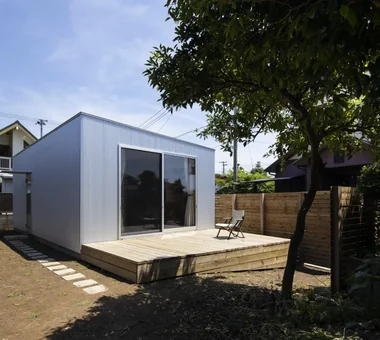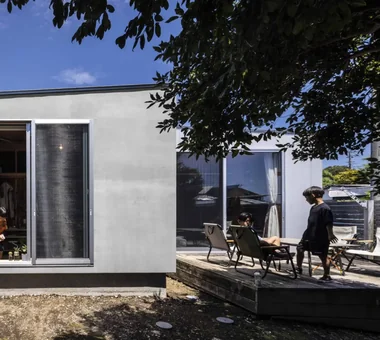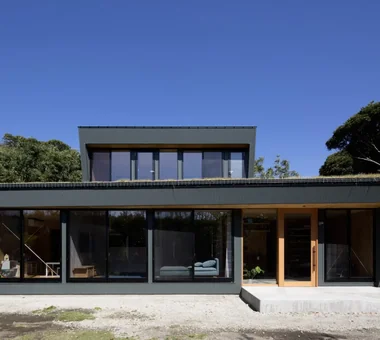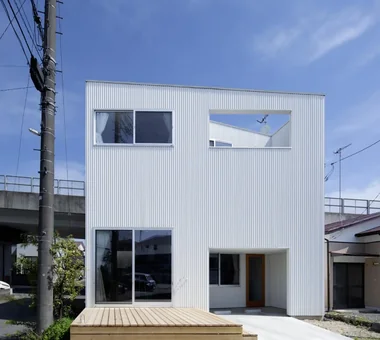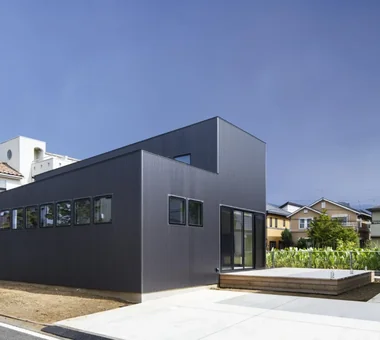
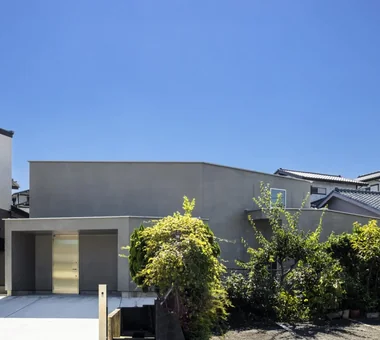
Introduction to N.A.O|Nao Architects, a Architect / Design office in Hirasawa, Hadano, Kanagawa Prefecture
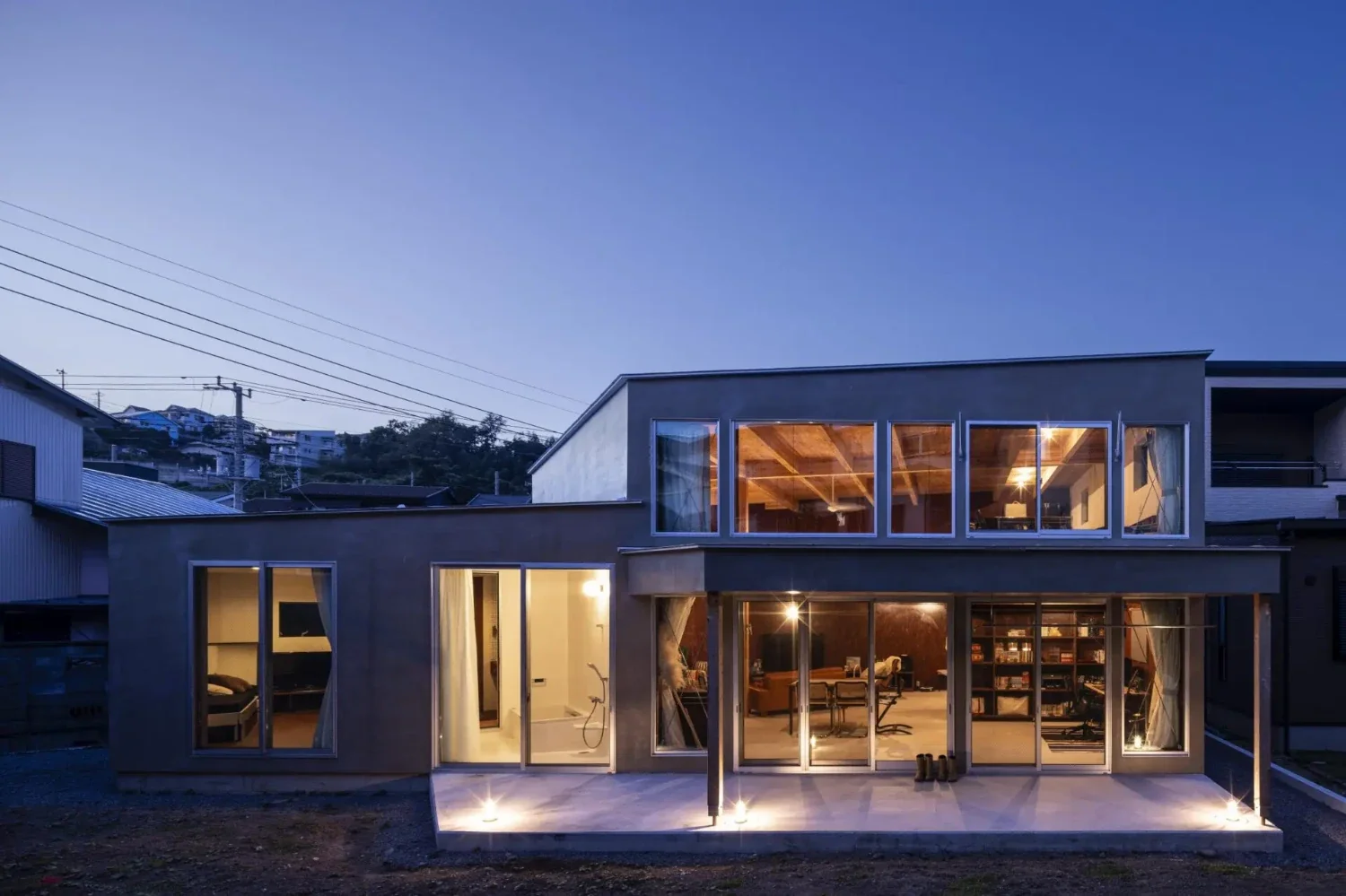
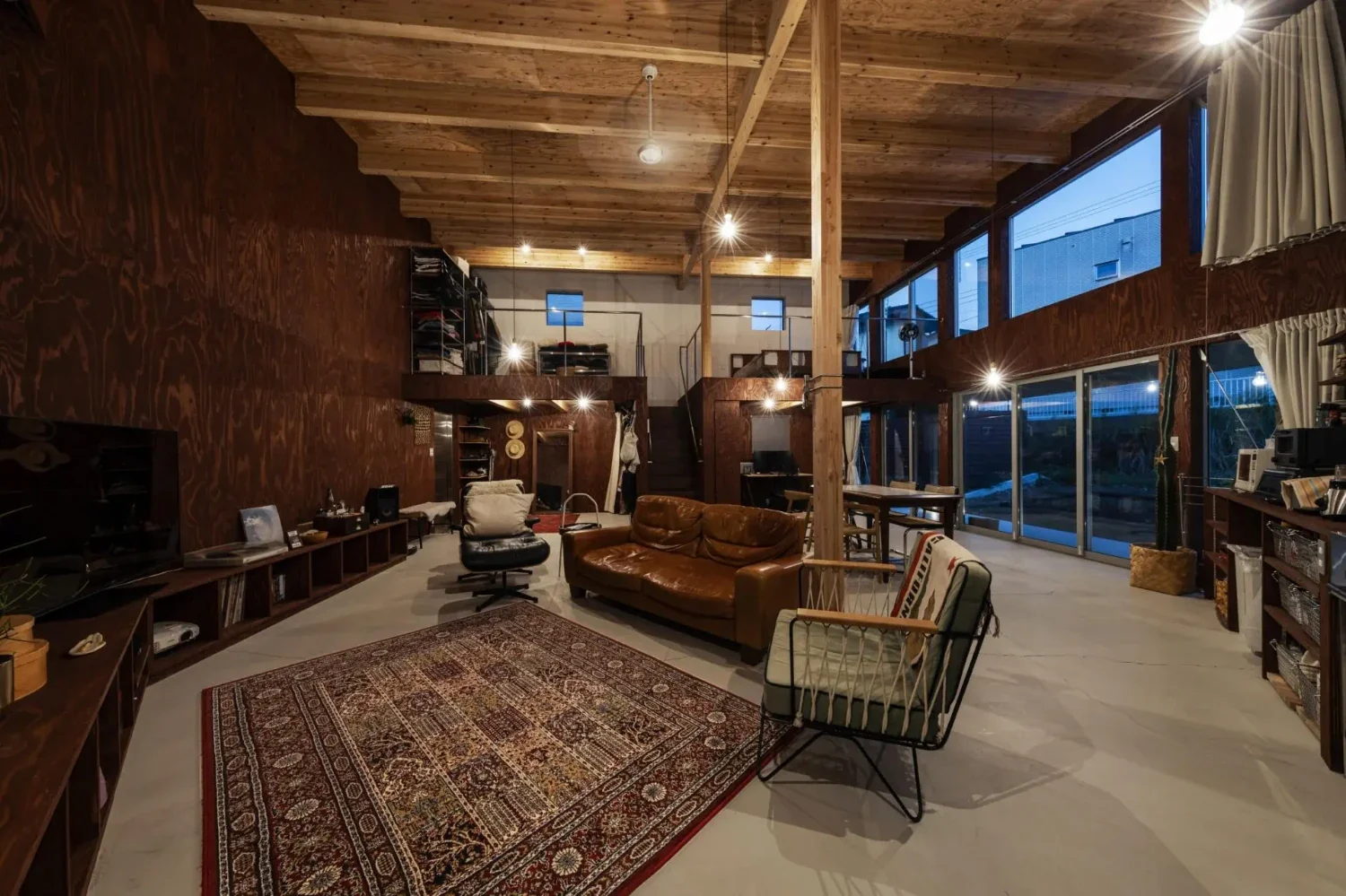
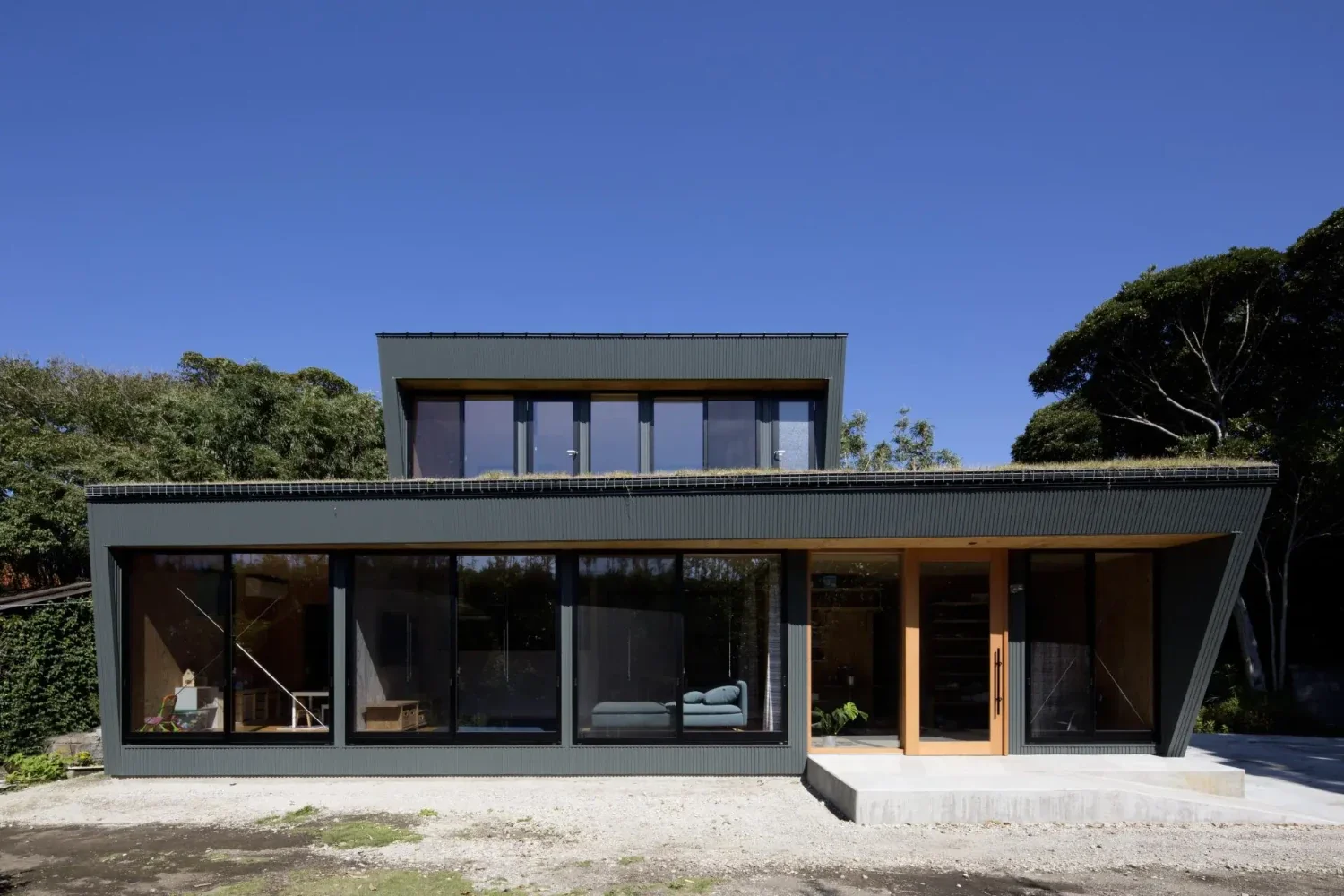
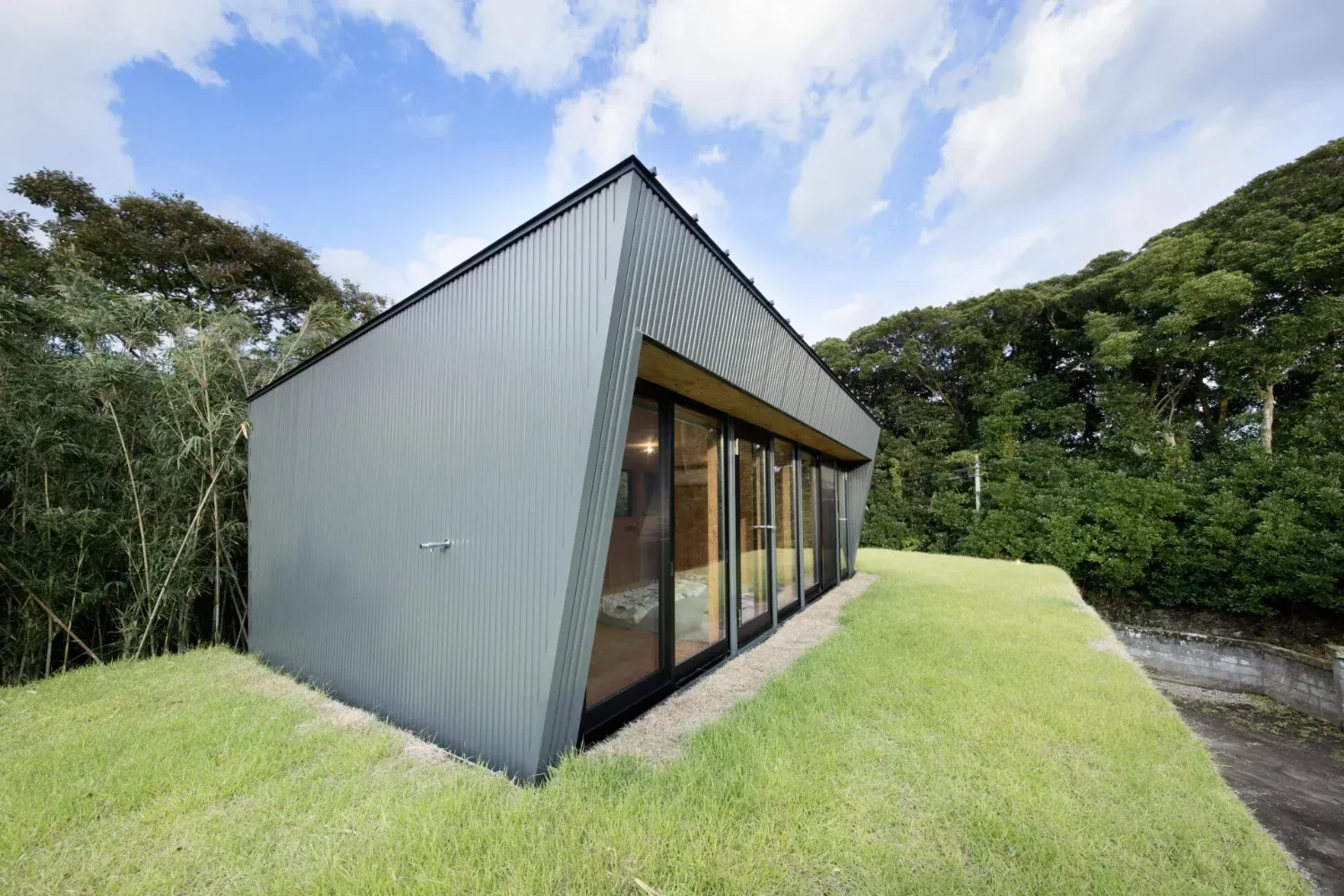
N.A.O|Nao Architects
-
- A Forgiving Way of Living|There are two ideas that I consider important when designing homes.
The first is the idea of “accepting inevitability.”
A home is architecture premised on people living their lives within it. The emergence of signs of everyday life, as well as the inevitable accumulation of dirt and scratches, are unavoidable aspects of living. I believe that, in its essence, a home should be architecture that can positively accept these inevitable elements.
The second is the idea of “assuming change.”
In a home, various changes can be expected. These include long-term changes, such as changes in family composition and the rooms required, as well as short-term changes, such as changes in expectations and ways of use. Since completion is not the end, and the configuration and values required of a home will continue to change, I believe that, in its essence, a home should be architecture capable of adapting to those changes.
I approach these ideas primarily through two methods.
The first is the method of “incorporating many elements.”
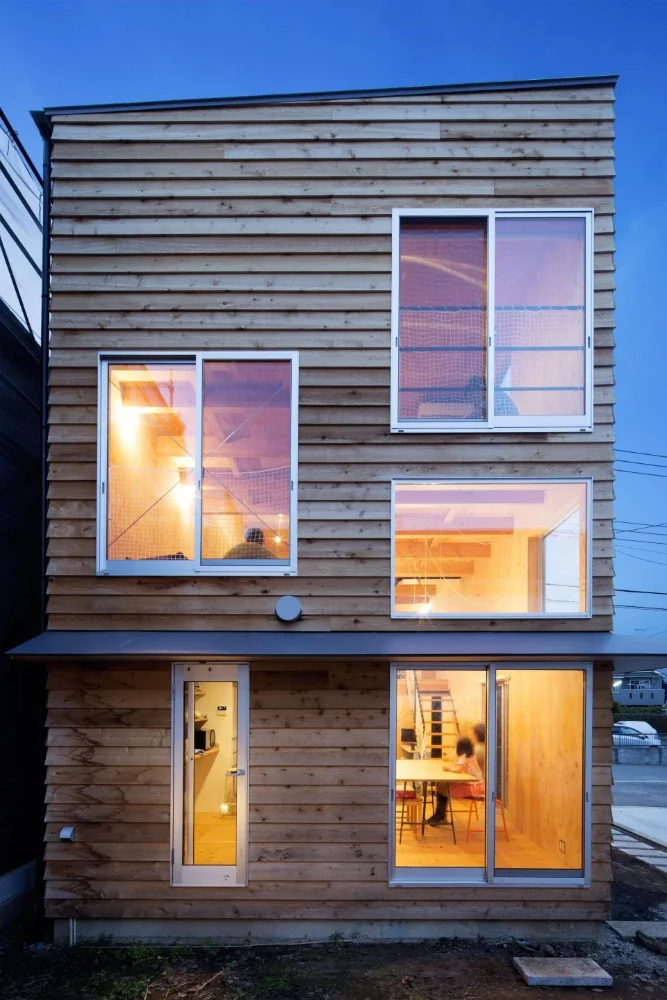
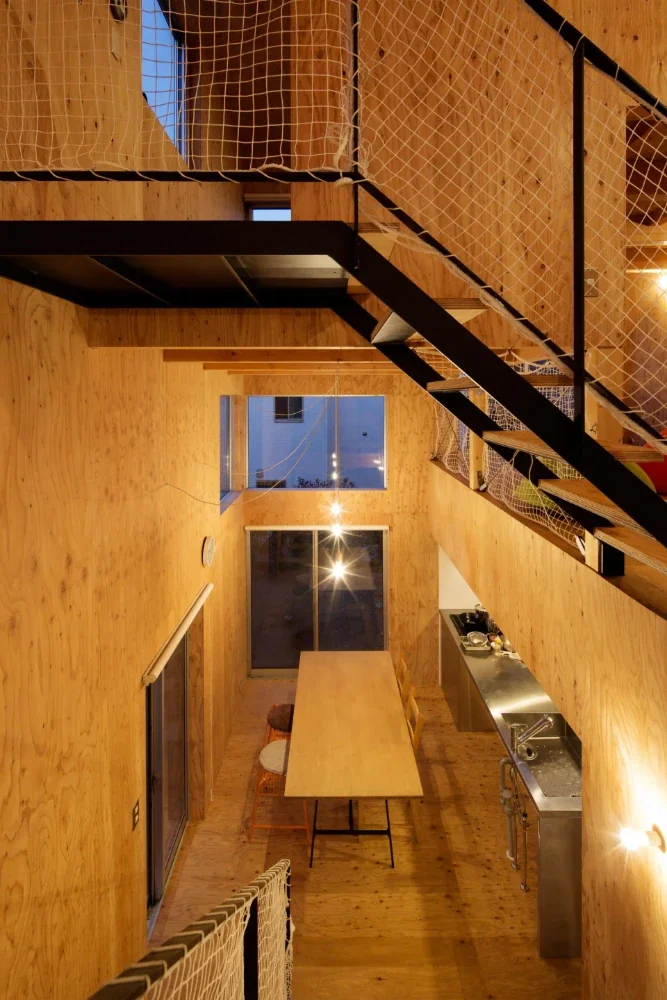
By incorporating numerous “elements” into the underlying architecture in advance—such as materiality, color, exposed structural elements, and a sense of craftsmanship—and creating a richly layered space rather than a plain one, this method prevents the “elements” inevitably introduced through everyday living, such as signs of life, scratches, and dirt, from standing out negatively.
The second is the method of “not over-designing wherever possible.”
I believe it is extremely difficult to anticipate everything about the future and determine it all on paper during the design stage. Therefore, I decide only what can be decided and leave undecidable matters open. On the premise that adjustments will be made after residents begin living in the home, I create spaces that are “not over-designed” wherever possible, making them easier to adapt to various changes.
I design homes with an awareness of “creating systems within the underlying architecture that support a forgiving mindset”—one that can “accept” the signs of everyday life, scratches, and dirt inevitably introduced through living, as well as changes in family composition, ways of use, and values. - Location:Hirasawa, Hadano, Kanagawa Prefecture
- Phone number:0463-86-6940
- Services:-
1. Planning, design, and supervision of architectural and interior projects
2. All services incidental to the preceding item - Qualifications/Licenses:-
First-Class Architect Registration No. 381906
First-Class Architect’s Office Registration, Kanagawa Prefecture No. 18165 - Hobbies/Interests:#EverydayDIY #soccer #camera
- Website:https://www.n-archi-o.com/
- A Forgiving Way of Living|There are two ideas that I consider important when designing homes.
- Read More