Yoshihara Tamaki Architectural Design
Homes for Antique Enthusiasts|Key Points for Home Building|Harmonizing Architecture and Interior Design through Materiality
Author: Qurasuki Editorial Department
The patina and narrative quality imparted by time-worn furniture and objects create a texture that cannot be achieved in dwellings that pursue novelty alone. In homes of antique enthusiasts, the materiality of the architecture—floors, walls, and other surfaces—becomes a critical component. By accepting the aging processes of natural materials and unifying the overall tonal palette of the space, an environment can be crafted that better showcases antique pieces. The essence of residential design lies in reconciling contemporary functional requirements, such as thermal performance and durability, with historical context.
Creating a Vintage Atmosphere with Solid Wood Flooring.
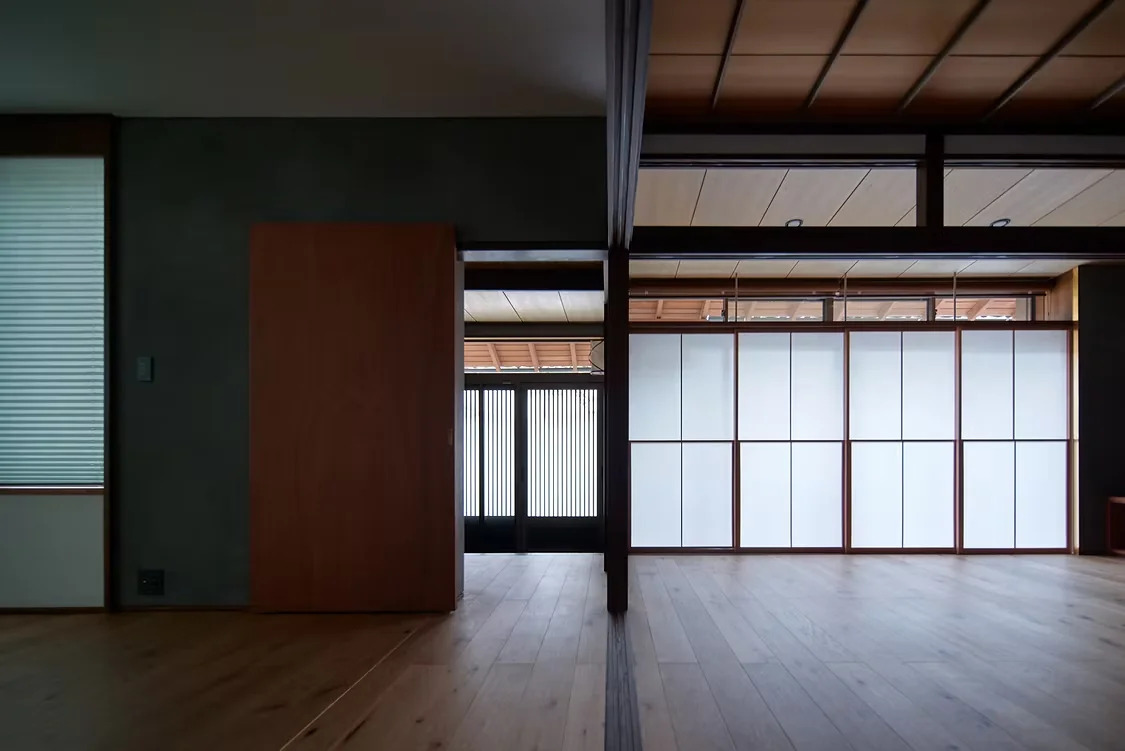
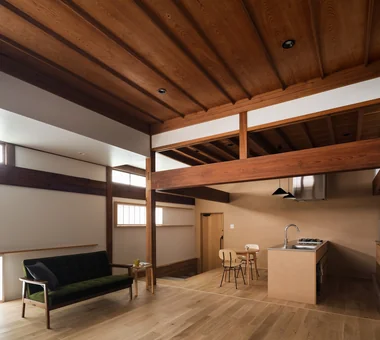
Antique furniture pairs exceptionally well with solid wood flooring rather than flooring made from engineered wood materials. Selecting wood species such as oak or teak, which develop character through aging, allows the furniture and flooring to harmonize over time. Because this material embraces minor scratches and color changes as part of its inherent charm, it is ideally suited for a lifestyle that incorporates antiques.
Enhancing Furniture with Ceiling Height and Openings.
Antique furniture often includes tall cabinets and bookshelves with a strong presence, so having ample ceiling height allows for placement without a sense of confinement. Additionally, the width of entrances, hallways, and stair landings is crucial when moving large furniture pieces. By anticipating furniture dimensions during the architectural phase and determining circulation paths and opening sizes accordingly, it becomes easier to accommodate preferred furniture in the future.
Creating a Space with Depth and Shadow through Lighting Design.
The texture of antique wooden furniture and the gleam of metal fittings are further accentuated by appropriate lighting. By combining general illumination with indirect lighting such as floor lamps and wall sconces, a calm atmosphere with nuanced shadows can be achieved. Incorporating dimming functions allows the spatial ambiance to be adjusted according to the time of day and mood.
Creating a Sense of Era Through Wall Color and Texture.
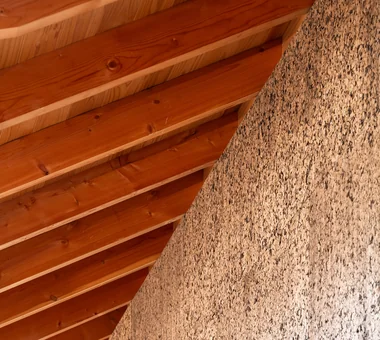
While pure white walls are appealing, to deepen the antique ambiance, consider wallpapers or paints with subtle hues. Shades such as ivory, greige, or muted green beautifully accentuate the wood grain of vintage furniture. Walls finished with natural materials like plaster or diatomaceous earth also offer the advantage of aging gracefully over time.
Prolonging Furniture Longevity through Humidity Control.
Antique furniture, crafted from natural materials such as wood, fabric, and leather, is highly sensitive to fluctuations in humidity. Extreme dryness or excessive moisture can cause warping, cracking, and mold growth. By implementing whole-building air conditioning, utilizing humidity-regulating building materials, and establishing appropriate ventilation strategies, a comfortable environment conducive to the preservation of furniture can be maintained.
Custom Millwork Kept Minimal to Preserve Negative Space.
In new construction, there is often a tendency to incorporate extensive custom millwork; however, when antique furniture is intended to be the focal point, it is advisable to limit custom millwork to the essential minimum. Storage should be integrated simply along the walls, leaving open areas in key spaces such as the living and dining rooms for the placement of antique furniture. This approach accentuates the presence of the furniture and imbues the space with distinctive character.
Unifying the Materiality of Window Frames and Joinery.
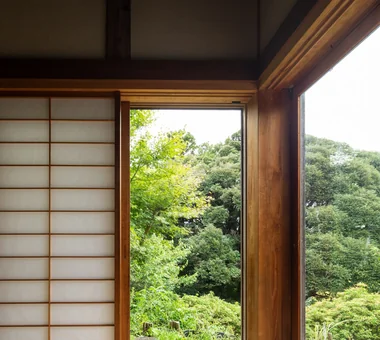
Since many antique furnishings are made of wood, selecting window frames and doors with a wooden texture creates harmony. Even with standard aluminum sashes, choosing wood-grain finish frames or adding wooden frames on the interior side can alter the overall impression. By aligning the color and texture of the joinery with the furniture, spaces that blend old and new elements achieve a cohesive and seamless aesthetic.
Enhancing Small Objects with Niches and Display Shelves.
Incorporating niches and display shelves for showcasing small collections such as antique silverware, ceramics, and clocks adds depth to the space. Utilizing wall thickness to create niches or installing shelves in a corner of a hallway are simple yet effective strategies to establish exhibition areas. Integrating lighting into these features can evoke an ambiance reminiscent of a miniature gallery.
Protecting Valuables with Glass Display Cases.
Delicate antique tableware and decorative items can be safeguarded from dust and damage by housing them in glass display cases. Custom-built storage shelves with glass doors or designated spaces for ready-made showcases allow for elegant preservation of collections. Incorporating LED lighting enables the display area to be enjoyed as an illuminated exhibition space during the evening.
Selecting Materials That Celebrate the Passage of Time.
Living with antique furniture is an appreciation of the layering of time. When choosing architectural materials, prioritizing the character developed through aging over pristine newness allows the entire home to gain depth and richness as time progresses. Materials such as brass handles, plaster walls, and iron railings, which develop enhanced patina and texture with use, resonate harmoniously with antiques.
Immerse Yourself in the World within a Study or Library.
A study featuring antique bookshelves and desks becomes a place to spend special moments. Enjoy creating a cohesive atmosphere with floor-to-ceiling bookshelves, leather-upholstered chairs, and vintage lamps that unify the design concept. Even a small space dedicated as your own "antique room" can provide a rich experience that offers a brief escape from everyday life.
The Leisure to Await Encounters with Furniture.
Rather than striving to perfect every detail at the time of new construction, leaving room to gradually furnish the space is a distinctive approach favored by antique enthusiasts. Welcoming unique pieces of furniture discovered at markets or specialty stores during travels over time enriches the process itself, deepening one’s attachment to the home.



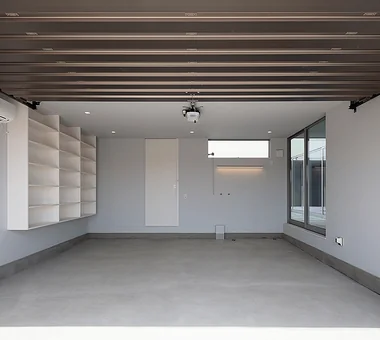 Stylish Garage|Key Points for Home Building|Planning a Garage that Combines Functionality and Aesthetics
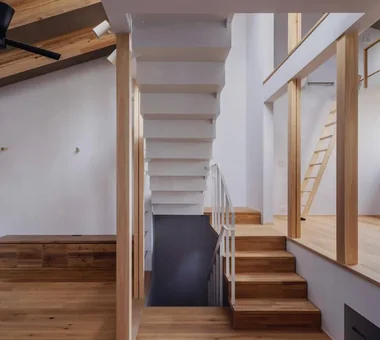 Skip Floor|Introduction to Architecture Firms|Stepped Levels Enrich the Space
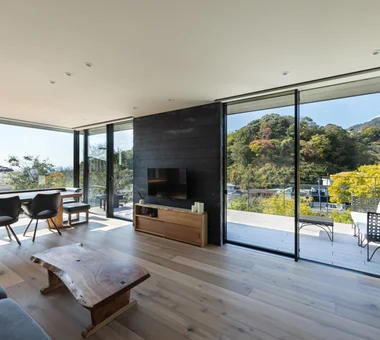 Homes with Scenic Views|Introduction to Architecture Firms|Techniques for Integrating Views into the Home
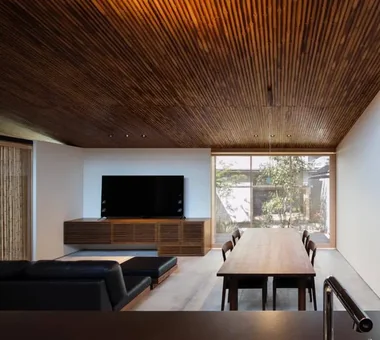 Homes Featuring Courtyards|Case Studies|A Life that Invites Light and Wind, Enjoying the Changing Seasons
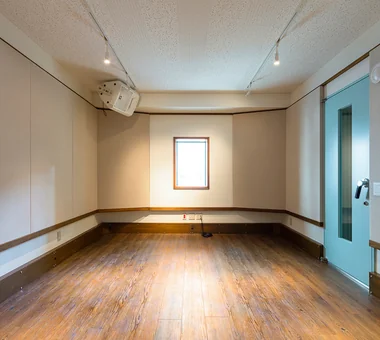 Homes Featuring Soundproof Rooms|Custom-built homes by architecture firms|A Home for Free Musical Expression
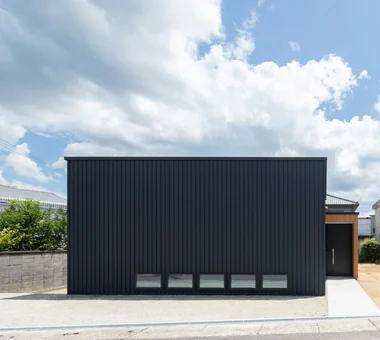 Compact House|Key Points for Home Building|Design Strategies for Living Well in Compact Homes