Archiplace
Homes Featuring Soundproof Rooms|Custom-built homes by architecture firms6Picks|A Home for Free Musical Expression
Author: Qurasuki Editorial Department
For those who enjoy playing instruments as part of daily life, mitigating sound transmission to neighbors is an unavoidable concern. Designing a soundproof room requires more than simply thickening walls; it demands an integrated approach combining sound insulation and absorption strategies. Measures such as floating floor constructions, double-wall and double-ceiling assemblies, acoustic treatment of ventilation and service penetrations, and control of the room’s reverberation time must be considered. Design specifications are determined according to the types of instruments, expected sound pressure levels, and hours of use. The architectural practice organizes the performer’s playing style and the required sound-insulation performance to create a space that allows musical passion to be expressed without reservation. This article presents case studies of residences where occupants live freely with music.

A Residence Closed to the Street, Open to Greenery: A House with a Small Courtyard and a Generous Veranda
Yoshihiro Yamamoto Architects Associates
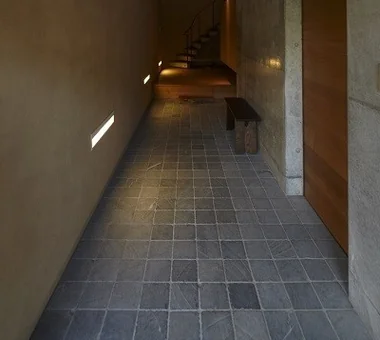
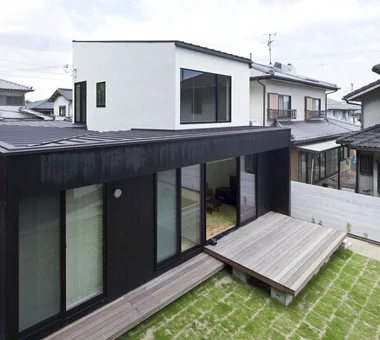
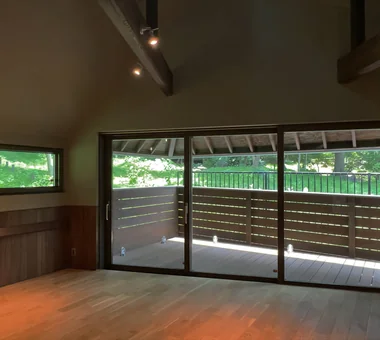
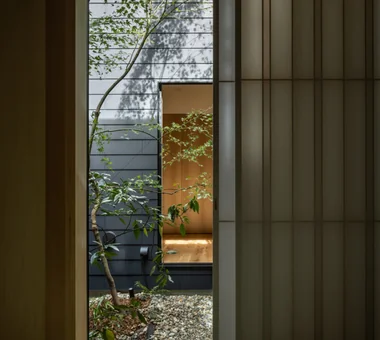
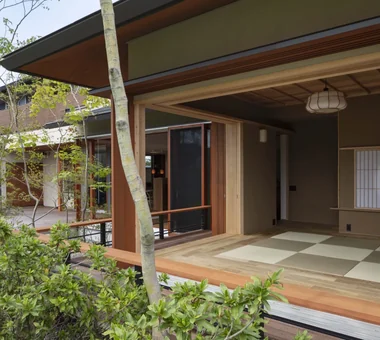
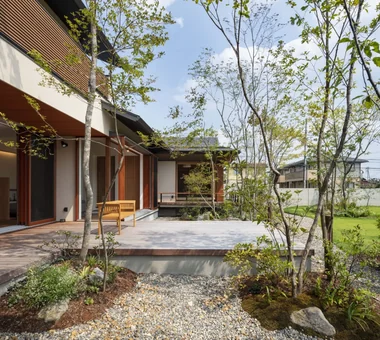
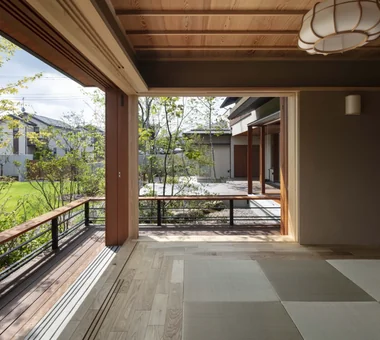
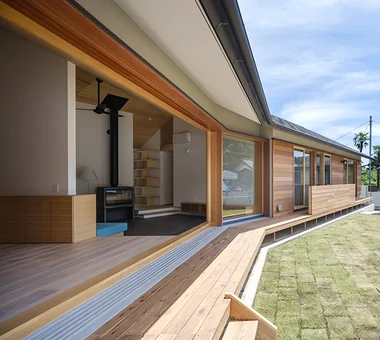
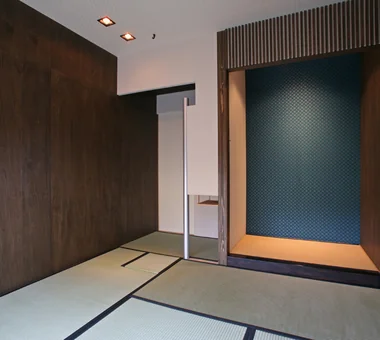
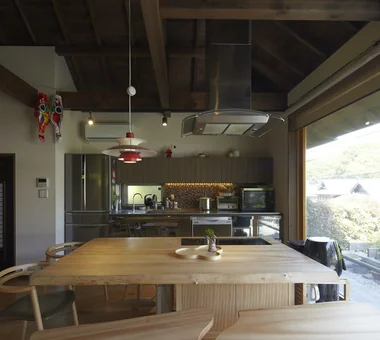
Situated on the edge of a new town, the site sits between a recent housing area and rich natural landscape with an old settlement. The house is a court-house organized around a small courtyard, with rooms linked in sequence and opening onto a large south-facing verandah. Opening the entrance reveals a continuous sequence connecting the entry, courtyard, Japanese room, verandah and garden.
House in Kumano Town
Abax Architects
This residence in Sakai City incorporates a piano studio on the first floor. For sound insulation, the first floor is constructed in reinforced concrete (RC), while the second and third floors are wood‑frame construction. Because the site fronts the open grounds of an elementary school, a large high-level window was provided in the living room so occupants can relax on the sofa and enjoy views of the sky. In addition, a generous rooftop terrace designed for barbecues has been provided.
House for Music and Astronomical Observation
Yu Architectural Design Studio
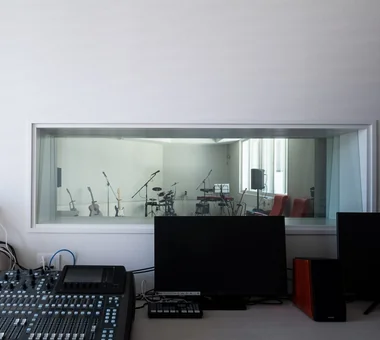
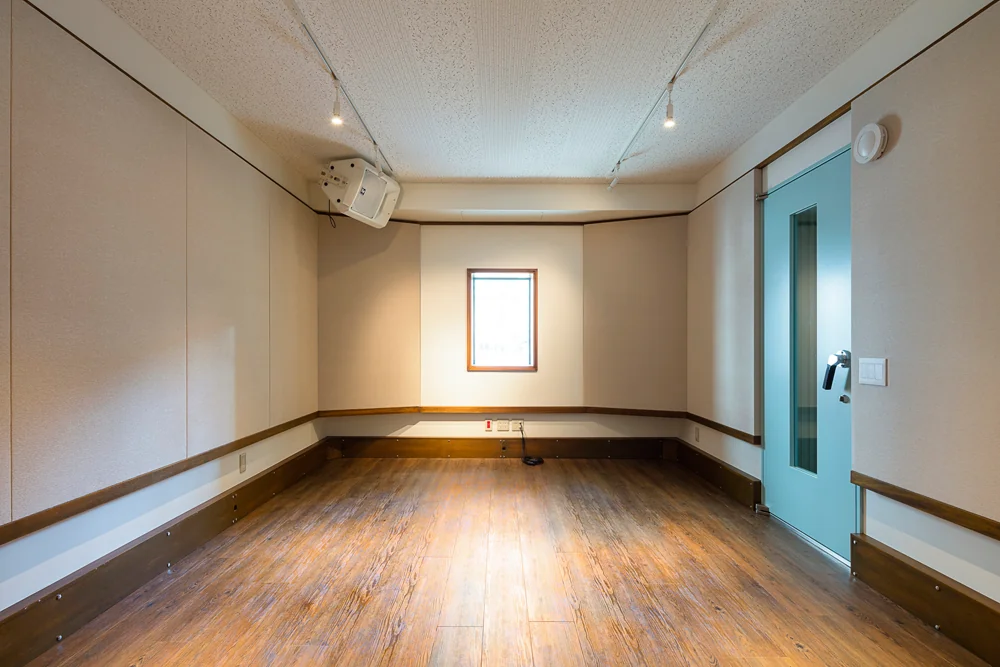
A residence with an integrated soundproof room, sited on a lane plot surrounded on all sides by neighboring houses; the sound insulation performance is equivalent to Dr70. The soundproof room, configured for piano and trumpet use, is fitted with adjustable sound-absorbing panels to control reverberation. The overall building design subtly employs a musical-staff motif. A generously sized balcony is provided on the second floor to afford expansive sky views even within a densely built residential area. The living room is arranged for floor-level living with tatami flooring and incorporates a vivid sky-blue accent, creating an atmosphere that blends retro and modern sensibilities.
Allo Musica
Tada Architectural Design Office
A small music hall sited along the Hokusei Line of the Sangi Railway. The project secures the maximum possible floor area by leveraging unused space within an adjacent residence. Constructed in timber, it achieves a sound-insulation performance of 50 dB and places particular emphasis on acoustic qualities appropriate for concerts and music instruction.
A Music Pavilion Nestled in Greenery
JYU ARCHITECT
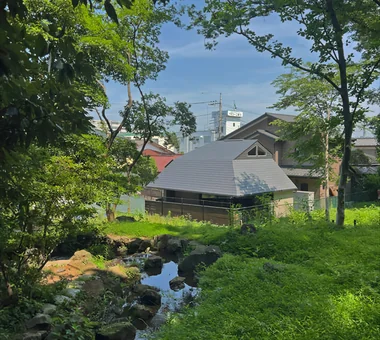
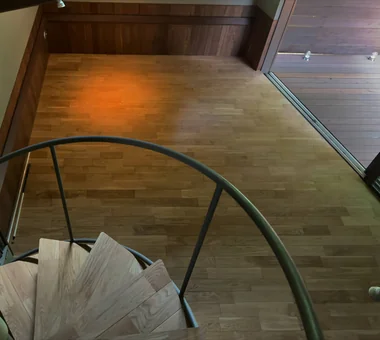
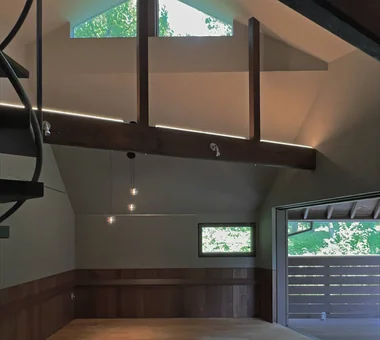
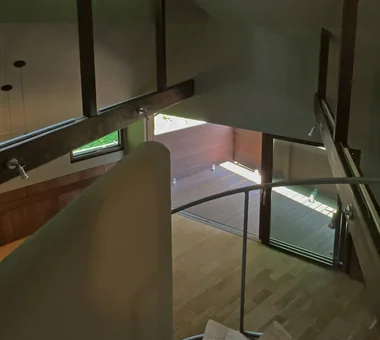
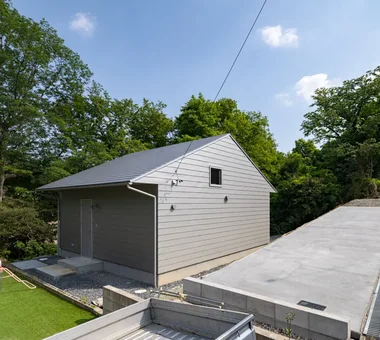
A satellite pavilion for performing intimate music, from solo recitals to small ensembles. Approximately two-thirds of the building is defined by a sloped ceiling with a generous double‑height volume, while the overall composition remains close to a single‑storey to keep the height restrained. The roof pitch was thoroughly studied to create an architecture that sits harmoniously within its environment. The roof geometry is expressed internally, with the aim of achieving a space in which the sound of the grand piano, other instruments and the human voice diffuse evenly and occupants are enveloped by a comfortable, well‑balanced reverberation.
A Residence Uniting Two Independent Households
Archiplace
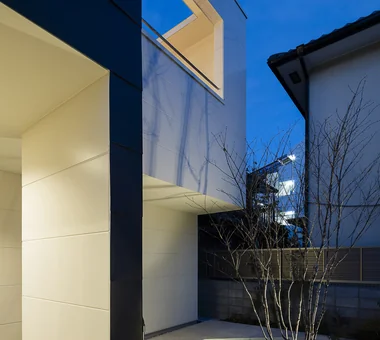
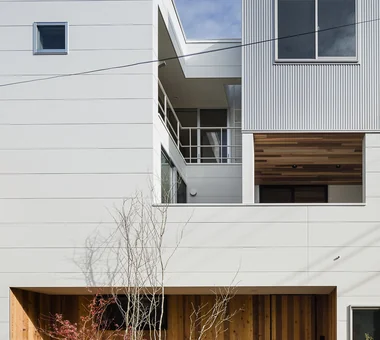
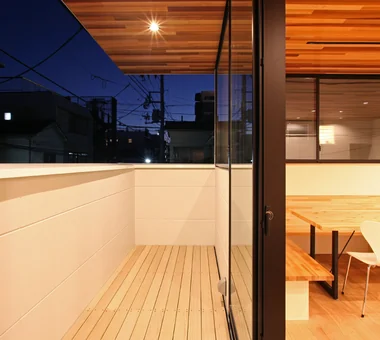
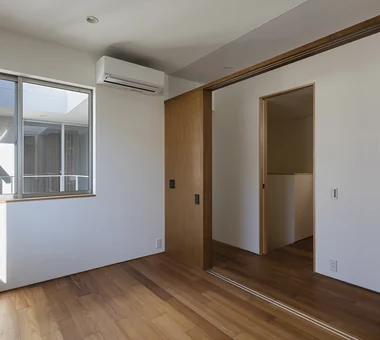
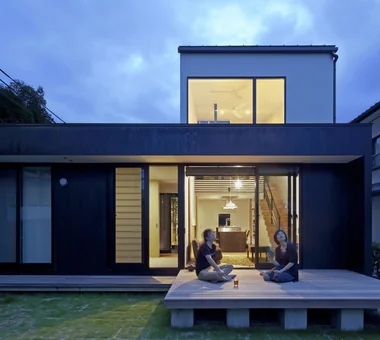
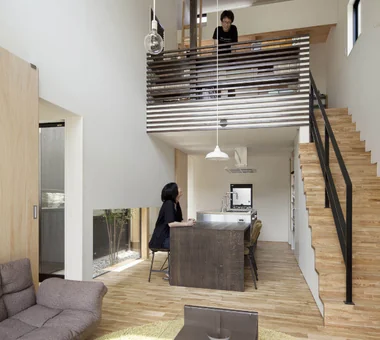
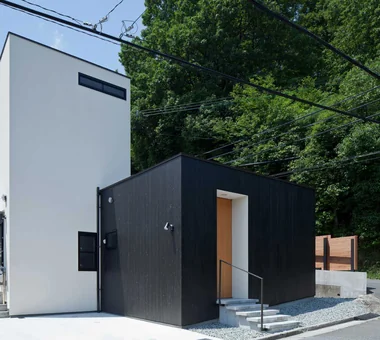
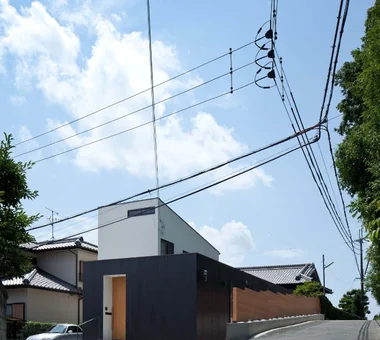
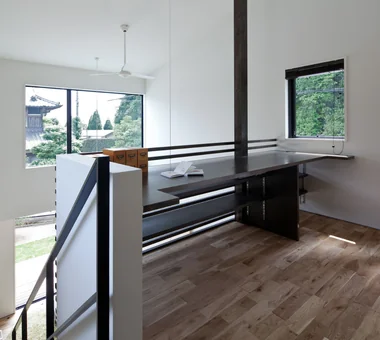
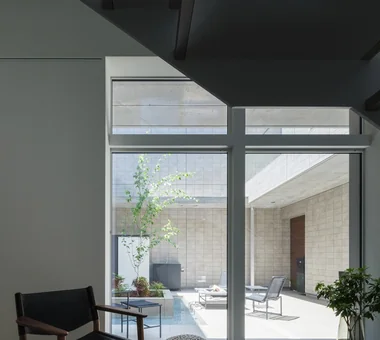
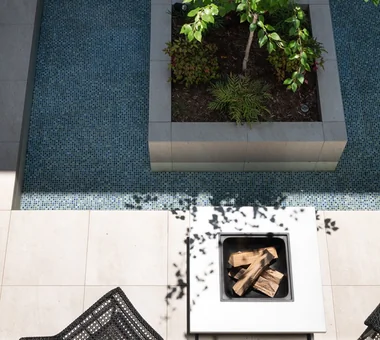
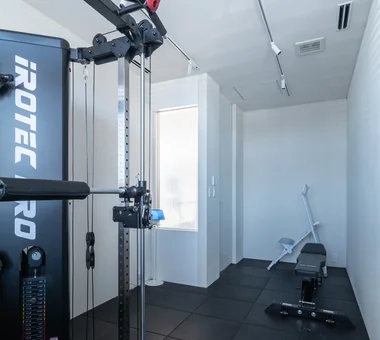
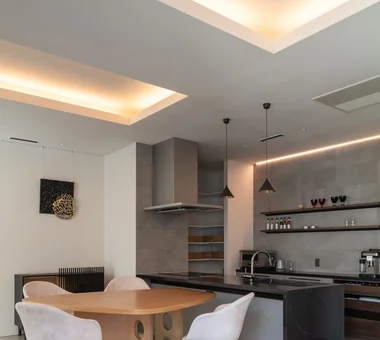
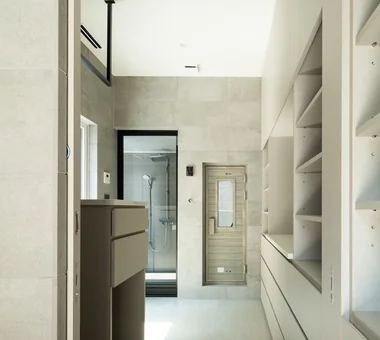
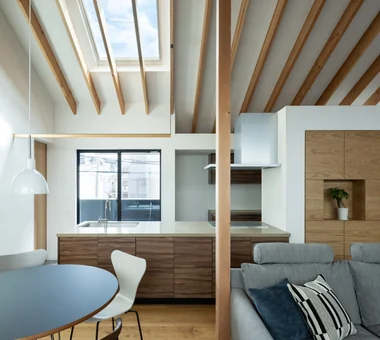
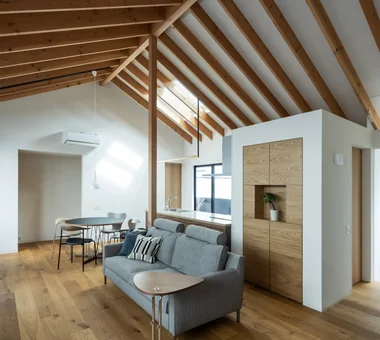
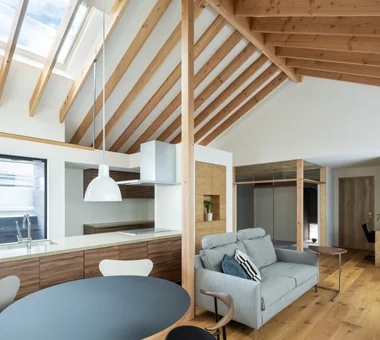
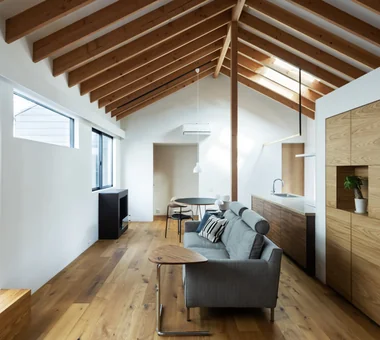
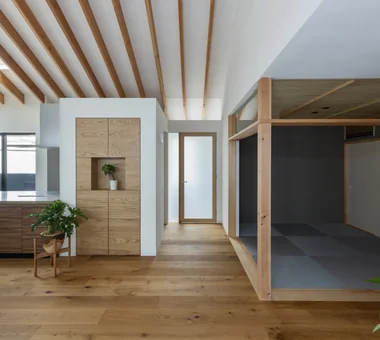
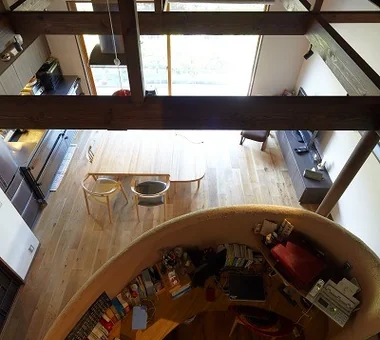
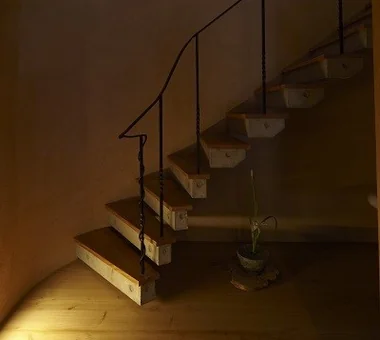
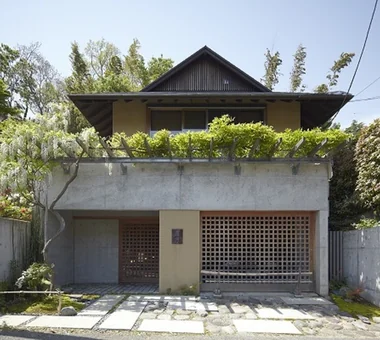
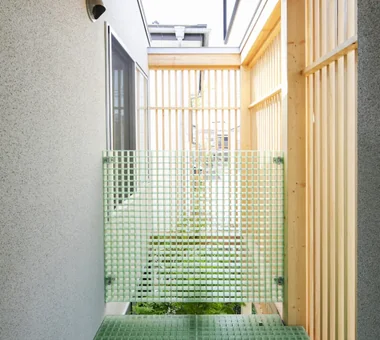
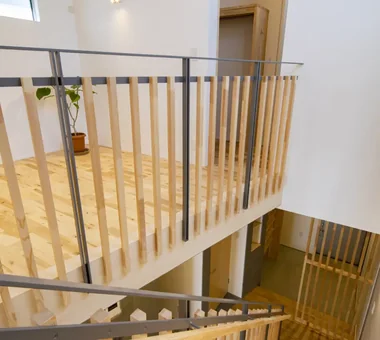
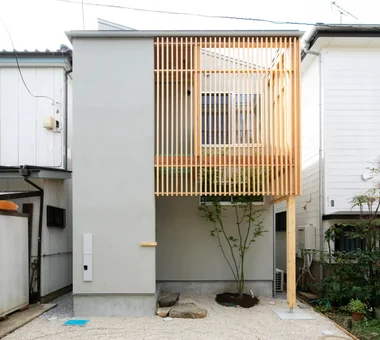
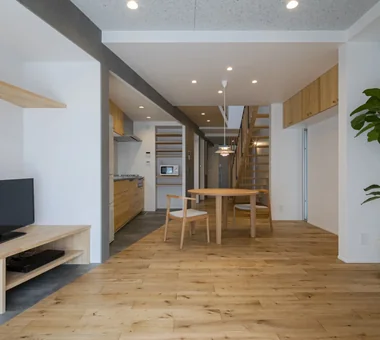
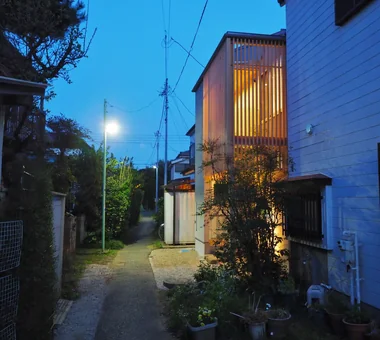
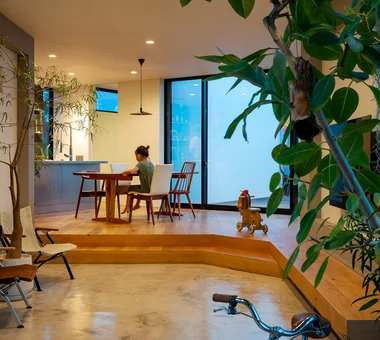
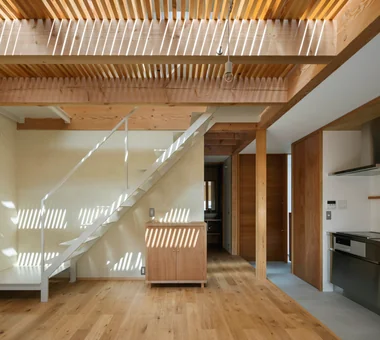
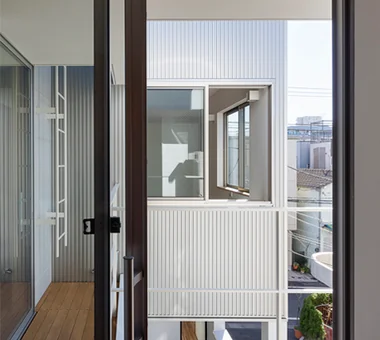
This two‑family residence respects each household’s privacy while providing a tranquil living environment. A home elevator provides vertical access, with the parent household located on the third floor and the dual‑income child household occupying the first and second floors. Each household’s living–dining–kitchen (LDK) is positioned at the south‑facing corner to maximize year‑round daylight and a sense of openness. The layout maintains an appropriate degree of separation for comfortable living and, by assigning purposeful functions to exterior spaces, also encourages engagement with the surrounding neighborhood.
-
Minimalist Design Residences|Custom-built homes by architecture firms|A Richer Home Through Restraint2026-05-11|Qurasuki Editorial Department -
Second-Floor Living|Custom-built homes by architecture firms|Enjoying Views and Light on the Upper Floor2026-05-11|Qurasuki Editorial Department -
Homes Featuring Dedicated Theater Rooms|Introduction to Architecture Firms|Living in a Space Immersed in Visual Media2026-06-24|Qurasuki Editorial Department -
Homes with Scenic Views|Introduction to Architecture Firms|Techniques for Integrating Views into the Home2026-05-11|Qurasuki Editorial Department -
Circulation Flow|Case Studies|Connecting the Whole House: How a Circular Flow Enhances Household Efficiency and Family Connection2026-01-27|Qurasuki Editorial Department -
Stylish Children's Rooms|Key Points for Home Building|Flexible Spaces Adaptable to Growth2026-03-02|Qurasuki Editorial Department