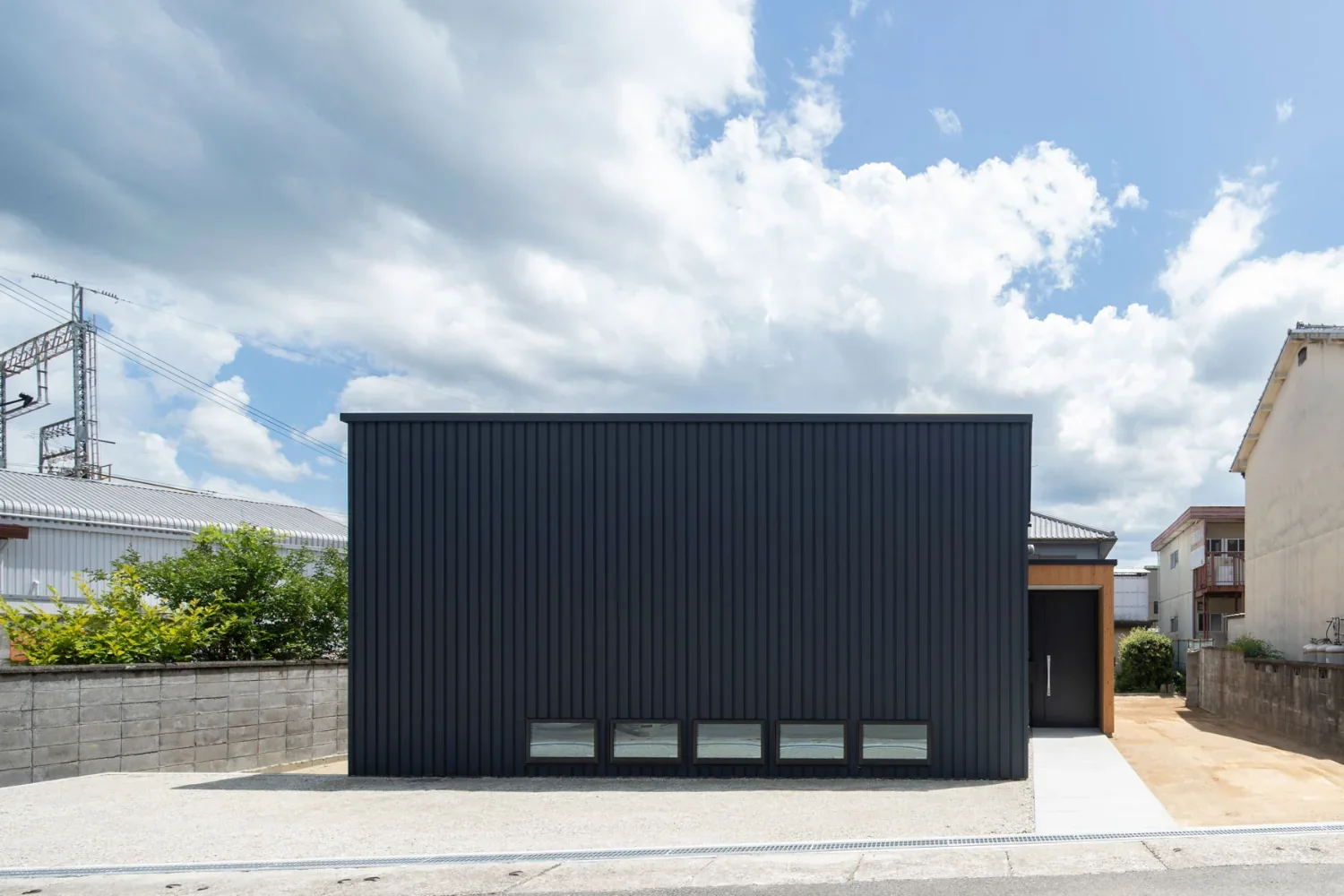
Yoshihiro Yamamoto Architects Associates
Compact House|Key Points for Home Building|Design Strategies for Living Well in Compact Homes
Author: Qurasuki Editorial Department
A compact house is a dwelling that carefully organizes livability within a limited footprint. Rather than prioritizing overall area, thoughtful planning of circulation, storage and daylighting can create comfort that belies the size. Increasingly, people choose compact homes to reduce construction and energy costs while still prioritizing performance and material quality. Incorporating double-height voids or clerestory windows to establish visual permeability and sightlines is a popular approach to impart a sense of spatial generosity. By eliminating waste according to lifestyle and valuing a scale that fits the occupants, compact housing becomes a compelling option.
Securing Vertical Spaciousness with a Double-Height Void
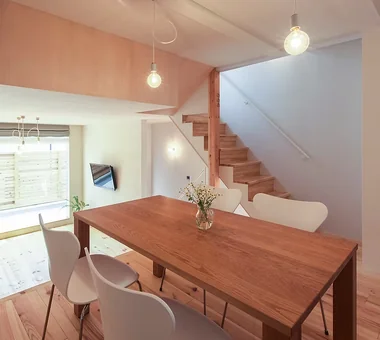
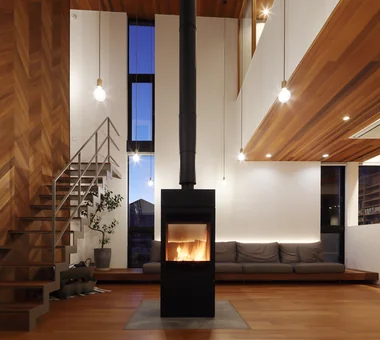
Even with limited floor area, exploiting ceiling height can create a pronounced sense of openness. Introducing a double-height void in the living room directs sightlines upward and produces a perceived volume that exceeds the measured floor area. Bringing daylight in through second-floor windows also supplies brightness to the ground floor. Vertical spatial planning is an effective strategy for significantly expanding the potential of compact houses.
Maximizing Space with Custom Built-In Millwork
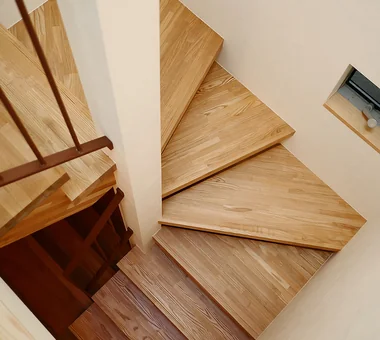
Off-the-shelf furniture is produced in standardized dimensions and tends to leave unavoidable gaps. Built-in storage and desks custom-fitted to the wall plane allow effective use of space down to centimeter increments. Dead zones beneath staircases and under eaves can be converted into storage through bespoke millwork. Although initial costs are higher, this strategy delivers long-term improvements in spatial efficiency and overall occupant comfort.
Incorporate multifunctional spatial design
Designing a single area to serve multiple roles—such as enabling the dining table to function as a workspace or hobby area—is effective. Introducing a tatami corner within the living room can operate both as a guest space and as a place to fold laundry. By avoiding rigid room divisions and emphasizing adaptable, flexible spatial planning, a compact residence can still deliver a rich, high-quality living experience.
Optimizing Daylight and Cross‑Ventilation through Window Placement
In compact houses on narrow sites, the close proximity of adjacent buildings often makes daylighting a challenge. Strategically locating clerestory windows and skylights can secure adequate daylight while preserving privacy. Similarly, placing openings on diagonal axes creates ventilation pathways that enable cross‑ventilation even in small floor plans. The size and position of windows should be decided after a careful analysis of the surrounding context, as these decisions critically affect occupant comfort.
Creating a Sense of Spaciousness through Color and Material
Using light base colors such as white or beige makes a space feel larger. Choosing flooring in lighter tones also reduces visual compression. Extending the same material continuously across walls and ceilings blurs boundaries and reinforces a sense of expansion. Material selection is not merely an aesthetic decision but a critical factor that influences spatial perception. Coordinating material strategies with a lighting design enhances the overall effect.
Compact Organization of Wet Areas
By locating the kitchen, washbasin, bathroom and toilet in close proximity, plumbing runs are shortened and construction costs can be reduced. The reduced distance to the domestic hot‑water source also improves energy efficiency, and maintenance access is simplified. Consolidating wet areas is a pragmatic, rational strategy that reconciles economy and functionality in compact dwellings.
Establishing a Connection to Outdoor Spaces
When terraces and balconies are planned as extensions of the interior, they generate a spatial richness that exceeds the measured floor area. Connecting interior and exterior with generous openings and allowing sightlines to extend outward produces a strong sense of openness. Attention to continuity with planting and timber decking enables even a small dwelling to achieve a feeling of depth. Designing the home to include exterior spaces as an integral part of the living environment is an effective strategy for compact houses.
Distinguish Between Display and Concealed Storage
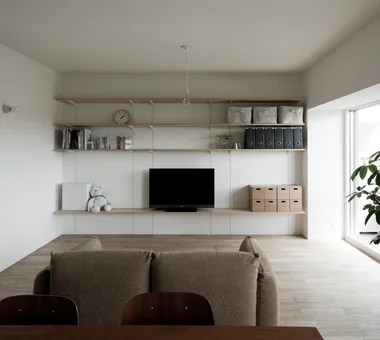
Concealing everything necessitates excessive storage and can encroach upon the living area. It is effective to position frequently used items and visually appealing objects on wall-mounted displays, reserving only miscellaneous items behind doors. Combining open shelving with enclosed storage achieves both visual balance and practicality. A well-articulated storage plan enhances overall livability.
Harnessing Structural Rationality in Spatial Design
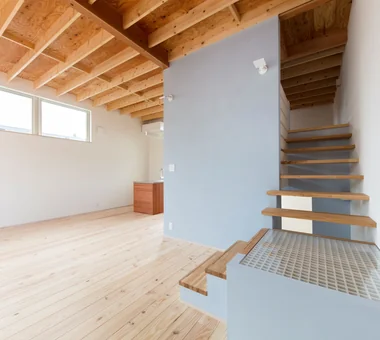
Compact houses tend to have simpler structural systems, allowing columns and beams to be minimized. Necessary structural members can be left exposed and employed as direct spatial accents. When structural rationality aligns with aesthetic design, an uncluttered, comfortable space is produced. Integrating structural engineering and architectural design is essential to delivering high‑quality residences.
Allow Flexibility for Future Change
Household composition and lifestyles evolve over time. By incorporating operable partitions and designing electrical and plumbing systems to accommodate future alterations, a residence can remain habitable for longer. Because compact dwellings have limited space, flexible design becomes particularly important. Rather than striving for perfection at the time of construction, leaving room to accommodate change is a key strategy for creating sustainable homes.
Introduce Variation in Ceiling Heights
It is not necessary to maintain the same ceiling height throughout every space. Varying heights according to function—higher ceilings in living areas and lower, more intimate heights in bedrooms, for example—adds expression to the architecture. The presence of lower-ceilinged zones enhances the perceived spaciousness of higher volumes. Designing for volumetric, three-dimensional spatial experiences rather than solely for planar floor area contributes to a richer residential environment.
Enhancing Spatial Quality through Lighting Design
Lighting has a profound effect on the perception of a space. Beyond downlights, the integration of indirect illumination and pendant luminaires generates modelling and depth. Creating contrasts in brightness cultivates a rich range of expression even in compact interiors. The selection and placement of luminaires should be coordinated with the electrical wiring layout during the design phase; such integration is essential to achieving a well-resolved space without later regret.

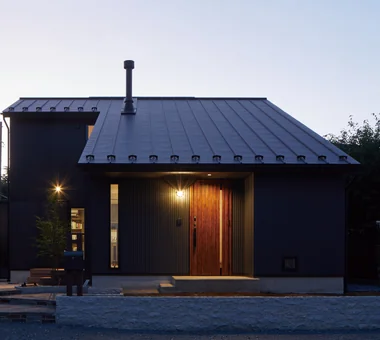




 House of Wood|Custom-built homes by architecture firms|A Home Embracing the Warmth of Wood
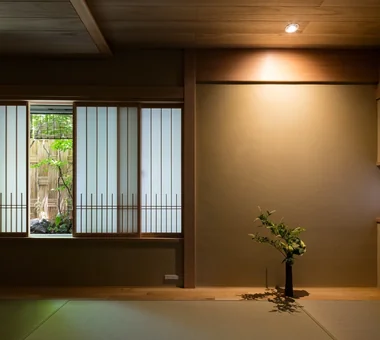
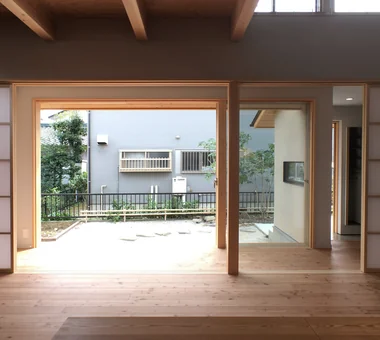 Modern Japanese-Style Residence|Key Points for Home Building|A Wa-Modern Space Where Traditional Beauty and Contemporary Functionality Resonate
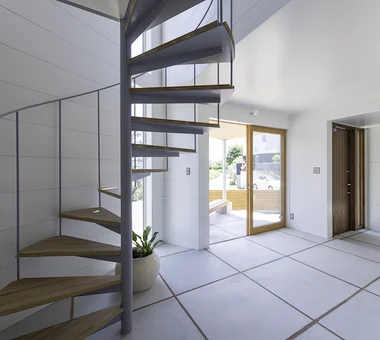 Spiral Staircase|Introduction to Architecture Firms|A Sculptural Centerpiece at the Heart of the Space
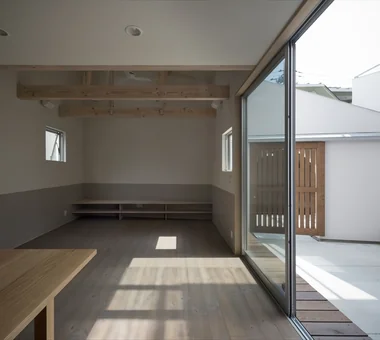 Homes Designed for Living with Dogs|Key Points for Home Building|Designing a Dog-Friendly Environment: From Flooring Selection to Circulation Planning
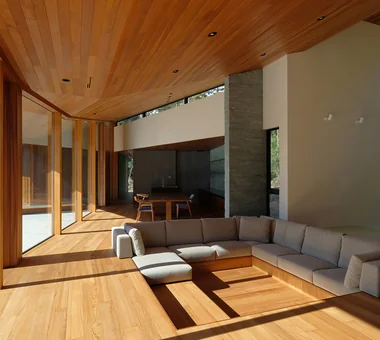 Glass-Enclosed Residences|Custom-built homes by architecture firms|The Richness of Light and Transparency
 Homes Featuring Wood-Burning Stoves|Custom-built homes by architecture firms|Living with the Warmth of Fire