JYU ARCHITECT
Homes with Atelier Spaces|Key Points for Home Building|An Optimal Atelier Environment for Creative Practice: Daylighting, Ventilation, and Exhibition
Author: Qurasuki Editorial Department
The impulse to immerse oneself in creative making—whether painting, ceramics, or sculpture—is a fundamental human desire. In atelier design, basic performance criteria as a workspace—such as daylighting, ventilation, and floor durability—are essential. Consideration must also be given to the stability of natural light and to measures for managing dust generated by materials. Additionally, provision of spaces that allow the production process to be exhibited and viewed, along with accommodations for visiting clients or guests, is necessary. By planning an atelier not merely as a workshop but as a place that enhances creativity and deepens reflection, a more fulfilling period of creative production can be realized.
Ensuring Stable North-Facing Light.
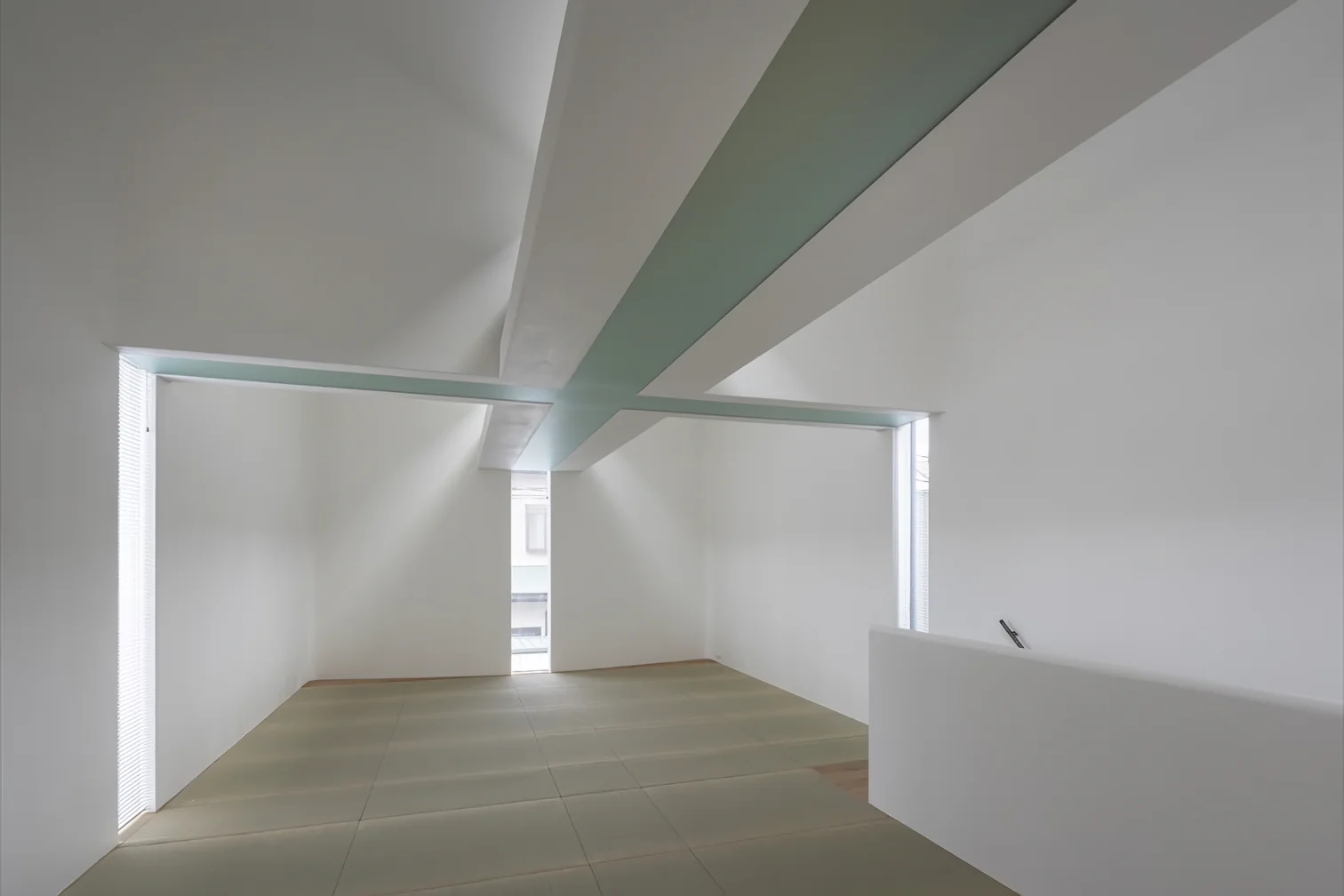
Stable lighting is essential for detailed work such as painting, sculpture, and handicrafts. North-facing windows do not receive direct sunlight, providing consistent, uniform light throughout the day, making them ideal for studios. Incorporating large north-facing windows stabilizes color perception and reduces eye fatigue during extended periods of creation. The quality of light directly influences the quality of the artwork.
Ceiling Height and Sense of Openness.
When creating large canvases or three-dimensional works, ceiling height is crucial. With a height of over 3 meters, it becomes possible to view the artwork from an elevated perspective, allowing for focused creation within an open and spacious environment. Utilizing features such as atriums or lofts can also introduce vertical spatial expansion. Height unlocks creativity.
The flooring is finished to be resistant to dirt.
In creative activities involving paint, clay, wood shavings, and similar materials, it is inevitable that the floor will become soiled. Selecting materials such as mortar finishes, tile flooring, or reclaimed wood flooring—surfaces that do not show dirt easily—allows for uninhibited immersion in the creative process. An ideal space embraces stains as part of the artwork itself, fostering a generous and accommodating environment.
Considering the Transportation of Large-Scale Works
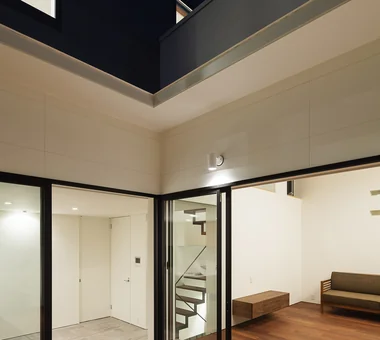
A wide opening is essential for moving completed large-scale works outdoors. Large sliding doors or floor-to-ceiling windows that provide direct access to the exterior are highly convenient. It is important to secure the transportation route from the architectural design stage to avoid any last-minute issues before exhibitions.
Workspace for Workbenches and Easels.
For production, it is essential to have space allocated for workbenches and easels. Since multiple projects may be underway simultaneously, securing a relatively spacious area is advisable. Custom-built workbenches along the walls or mobile workbenches can be provided to allow for flexible arrangements.
Storage Organized by Material Type.
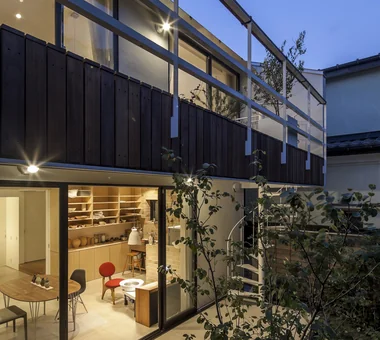
Art supplies such as paints, brushes, canvases, clay, fabrics, and paper encompass a wide variety of materials. By providing shelves and drawers organized by material type, necessary items can be accessed immediately. Utilizing open shelving for visible storage allows the materials themselves to serve as a source of inspiration.
Arrangement of Water Stations and Sinks.
Having a sink within the studio for washing paint and hands is highly convenient. A deep, commercial-grade sink facilitates cleaning large tools with ease. Incorporating plumbing and drainage systems from the planning stage ensures a functional and efficient studio environment.
Considerations for Ventilation and Health.
Oil paints, solvents, and adhesives may contain volatile chemical substances. Installing adequate exhaust fans and windows ensures the maintenance of fresh air and protects health. Ventilation planning is a crucial element for sustaining long-term creative work.
Wall Surface for Displaying Works
Having a space where completed works can be hung on the wall for viewing allows for objective evaluation. Additionally, it functions as a small gallery to showcase works to visitors. By thoughtfully designing the lighting, the display space can beautifully highlight the artworks.
A Quiet Environment Conducive to Concentration.
Creative work requires a high level of concentration. By arranging spaces to minimize the intrusion of everyday noise and enhancing soundproofing performance, a quiet environment can be ensured. Maintaining an appropriate distance from family members supports creative activities.
Connection with Nature.
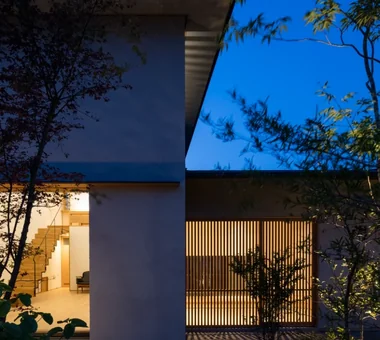
The view of greenery from the garden through the windows and the passage of breeze provide inspiration from nature. By maintaining a connection with the outdoors rather than isolating oneself, creativity is enriched. Nature is the greatest teacher.
Separation from Living Spaces.
By situating the atelier slightly apart from the living areas, it facilitates a clear transition between work and personal time. Entering the atelier acts as a switch into creative mode. This spatial separation enhances concentration.




 Modern Residences|Key Points for Home Building|Refined Spatial Design Integrating Functionality and Aesthetics
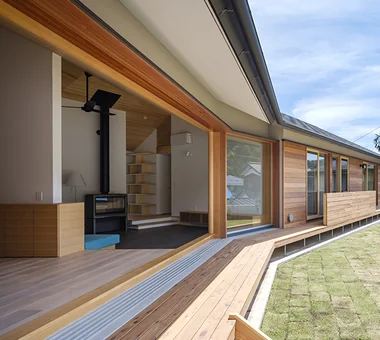 Single-Story Houses|Key Points for Home Building|Realizing a Stair-Free Lifestyle and Efficient Spatial Layout
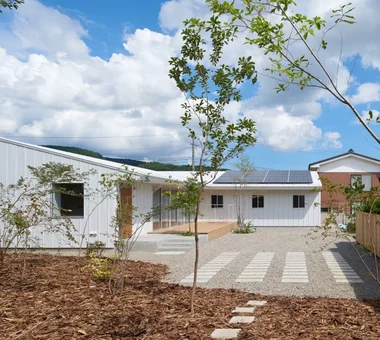 Single-Story Houses|Introduction to Architecture Firms|The richness of a home contained entirely on one level
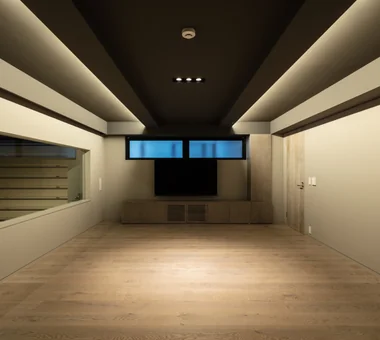 Homes Featuring Dedicated Theater Rooms|Key Points for Home Building|Designing an Environment that Balances Acoustic Performance and Visual Expression
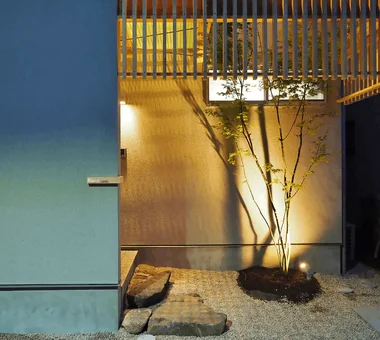 Stylish Residential Approaches|Key Points for Home Building|A Pleasant Pathway to the Entrance
 Contemporary Design Residences|Custom-built homes by architecture firms|Expressions of Contemporary Living