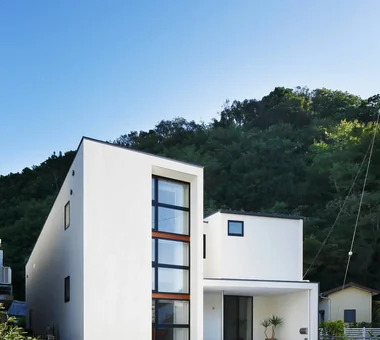
12mm Architects
Doma Living|Custom-built homes by architecture firms6Picks|A Generous Doma at the Center of Daily Life
Author: Qurasuki Editorial Department
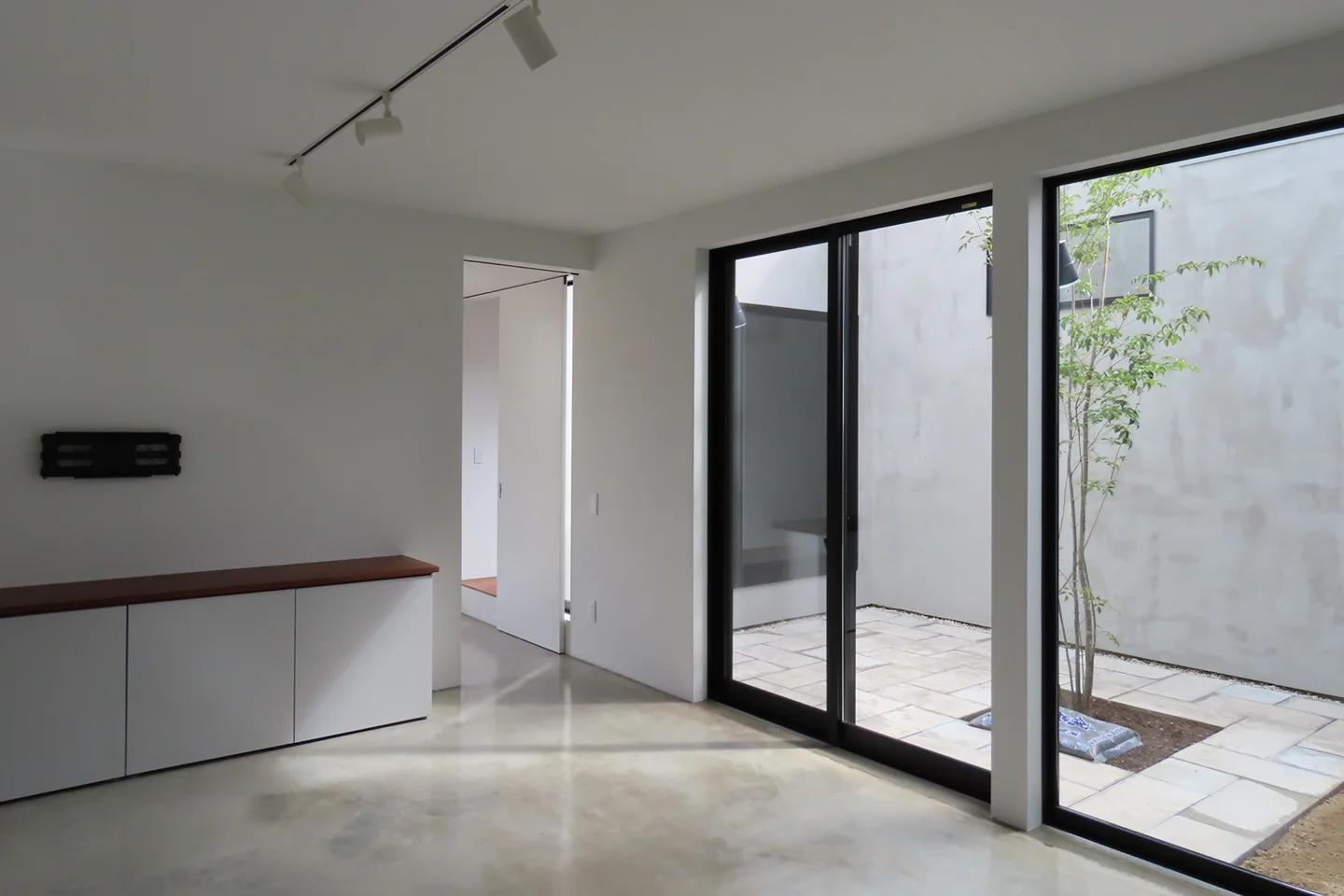
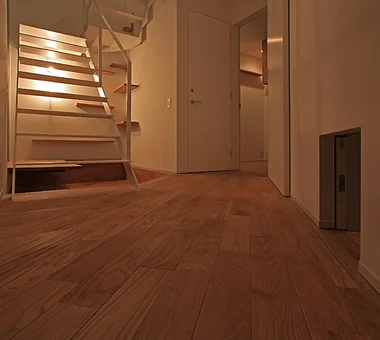
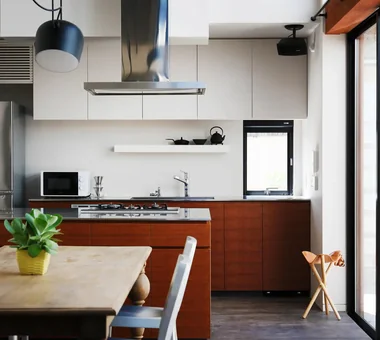
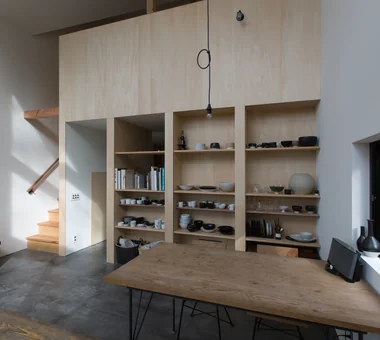
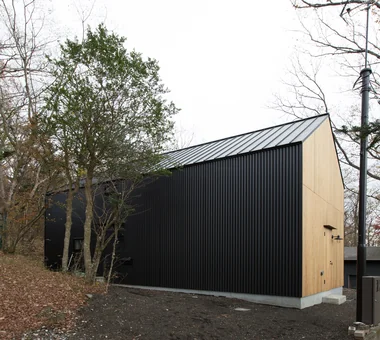
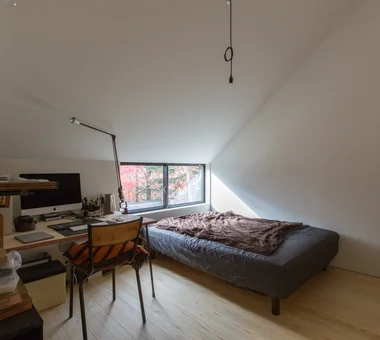
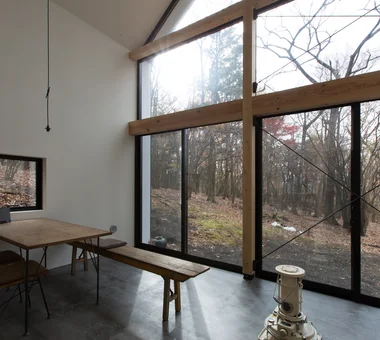
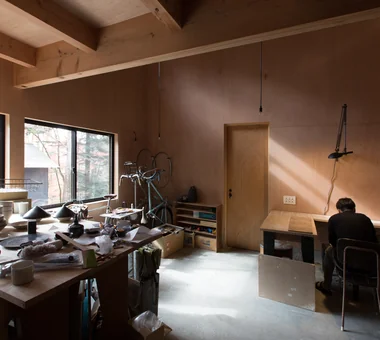
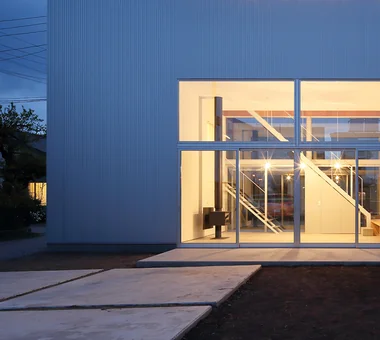
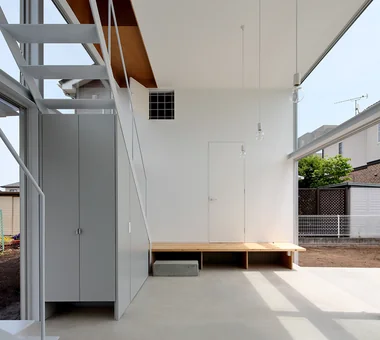
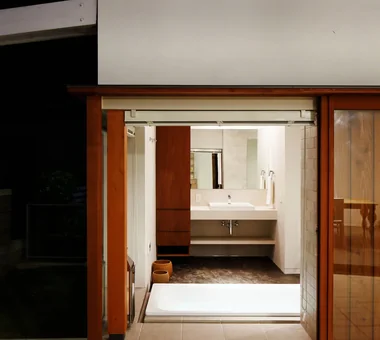
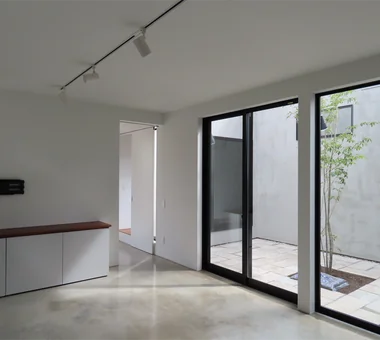
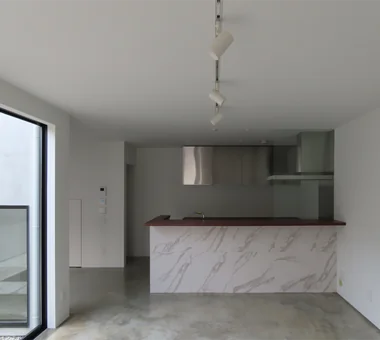
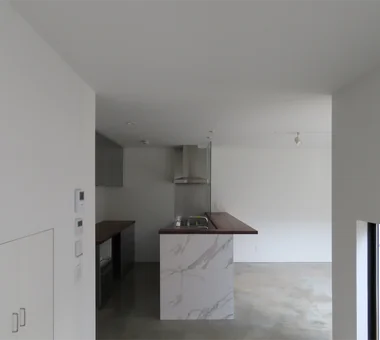
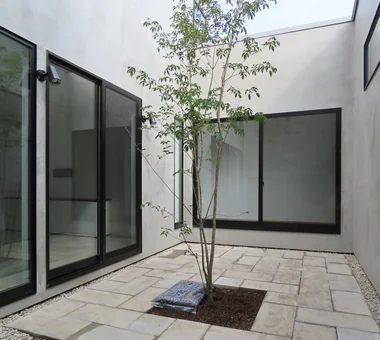
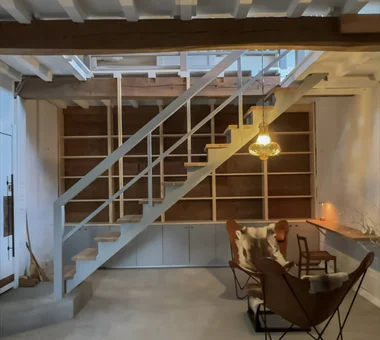
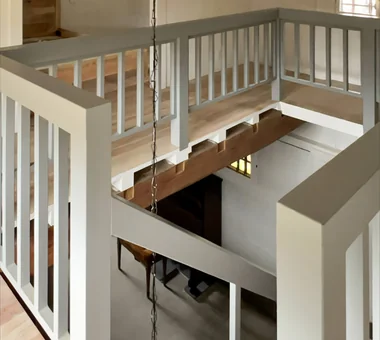
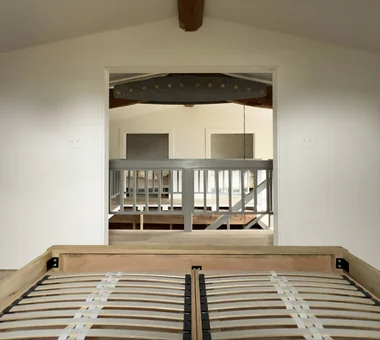
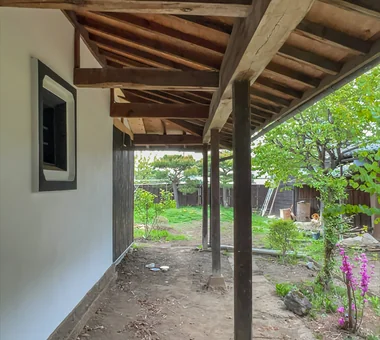
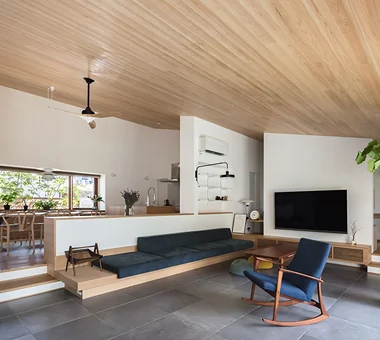
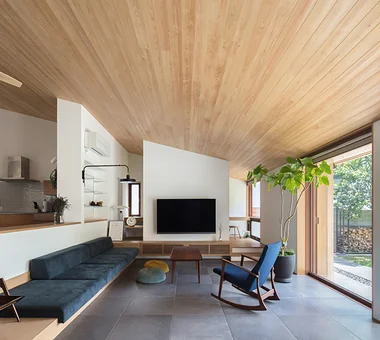
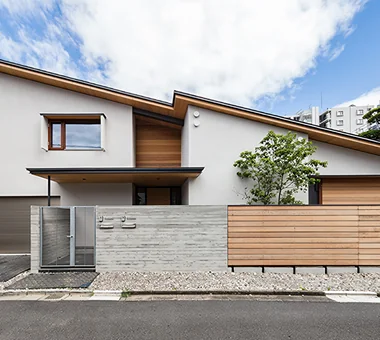
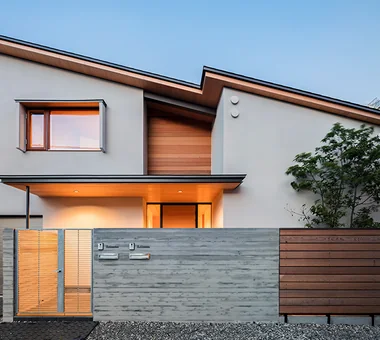
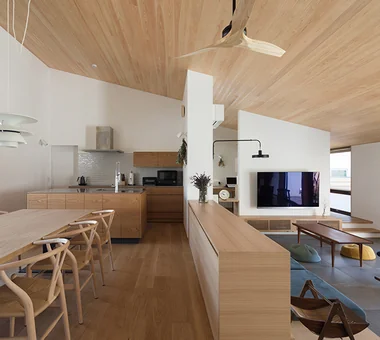
“Doma living,” which integrates the doma with the living room, is one approach to creating a rich spatial composition that reinterprets the wisdom of traditional Japanese dwellings for contemporary life. A generous doma directly connected to the outdoors accommodates a variety of everyday scenes: a work area where one can spread out belongings without removing shoes, storage for outdoor equipment and bicycles, and a third‑place–like zone for casually receiving guests. The selection of finish materials such as mortar or stone, the detailing of level changes and boundaries with the living area, and the strategies for daylighting and ventilation all strongly affect the usability and comfort of the doma. Design firms consider the doma’s size and location in relation to the client’s lifestyle, proposing homes that create a generous open margin at the heart of daily living.






-
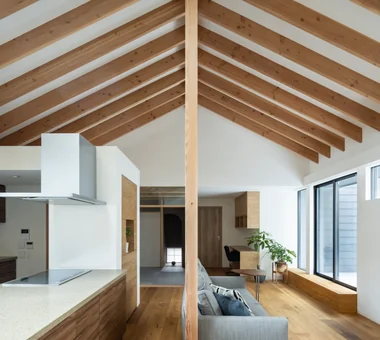 House of Wood|Key Points for Home Building|Spatial Design Embracing Material Warmth and the Patina of Aging
 -
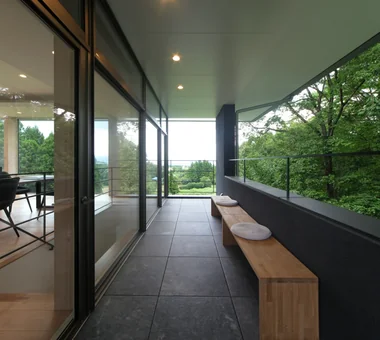 Homes with Scenic Views|Custom-built homes by architecture firms|A Residence Where the View Becomes Part of Everyday Living
 -
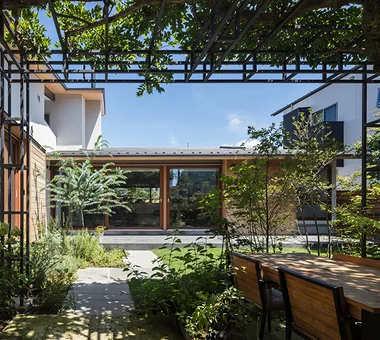
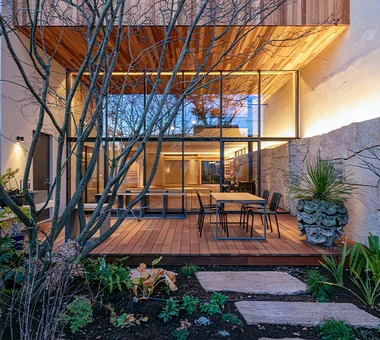 Homes with Gardens|Key Points for Home Building|Architectural Considerations and Circulation Planning for Cultivating Plants
 -
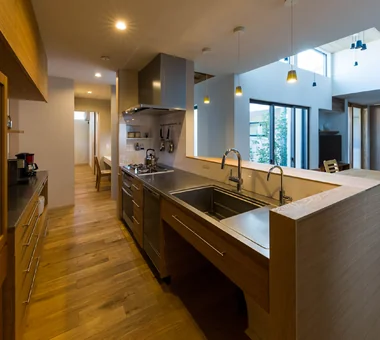 Circulation Flow|Custom-built homes by architecture firms|Designing for Ease of Living with Continuous Circulation
 -
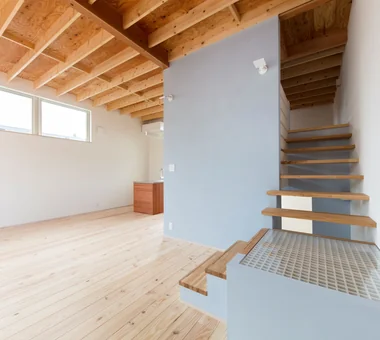 House of Wood|Custom-built homes by architecture firms|A Home Embracing the Warmth of Wood
 -
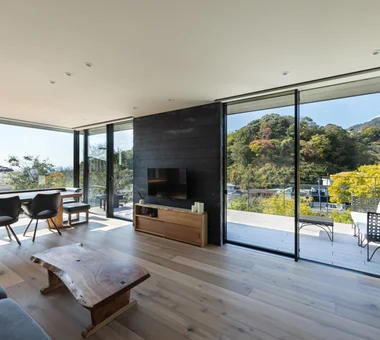 Homes with Scenic Views|Introduction to Architecture Firms|Techniques for Integrating Views into the Home