Mitsuhiro Kojima Architects
Homes with Scenic Views|Key Points for Home Building|Design Guidelines for Window Placement Considering Seasonal Variation
Author: Qurasuki Editorial Department
Majestic mountains, expansive farmland, sunsets sinking beyond the sea — enjoying such landscapes in everyday life is an experience that directly enriches physical and mental well-being. Designing a house to frame a view requires meticulous planning about which season, which time of day, and from which interior vantage points the landscape will be observed. Consideration must be given to window size, location, and orientation, as well as relationships with garden planting and neighboring properties, to maximize the effectiveness of framed vistas. By also accounting for changes in the surrounding environment and the seasonal variations in appearance, it is possible to create a living environment that engages with the diverse beauty of nature throughout the year.
A View Framed Like a Painting by the Window.
The window is not merely an opening but a frame that captures the scenery. By consciously determining the window’s position, height, and size to showcase elements such as mountain ranges, the sea, urban landscapes, or the sky, one can enjoy the finest views from within the interior. Carefully designing the relationship between daily activities and the scenery—considering what is visible at eye level when seated or standing—is fundamental to creating a home that maximizes its surrounding views.
Highlighting the View with Picture Windows.
By installing large single-pane windows (picture windows) facing particularly beautiful scenery, the space transforms as if adorned with a framed painting. Utilizing design techniques to make the window frames appear slender and adopting fixed windows (non-opening FIX windows) enhances focus on the view. This creates a luxurious spatial composition where the scenery itself becomes the centerpiece of the interior.
Window Arrangement That Reflects the Changing Seasons.
The scenery transforms with the seasons. Fresh greenery in spring, deep verdure in summer, autumnal foliage, and snowy landscapes in winter. By thoughtfully arranging windows to capture the trees and mountain ridgelines visible throughout the year, a rich rhythm is introduced into daily living. The essence of this lifestyle lies in experiencing the passage of time in harmony with the evolving views.
Expanding Views with Corner Windows.
By installing continuous windows at the corner where two walls intersect, the field of view is significantly expanded, enhancing the immersive experience of the surrounding scenery. Although this requires structural ingenuity, the presence of the wall is visually eliminated, creating a sensation of being within the landscape itself. This dynamic approach maximizes the panoramic views.
Integrating the View through Balconies and Terraces.
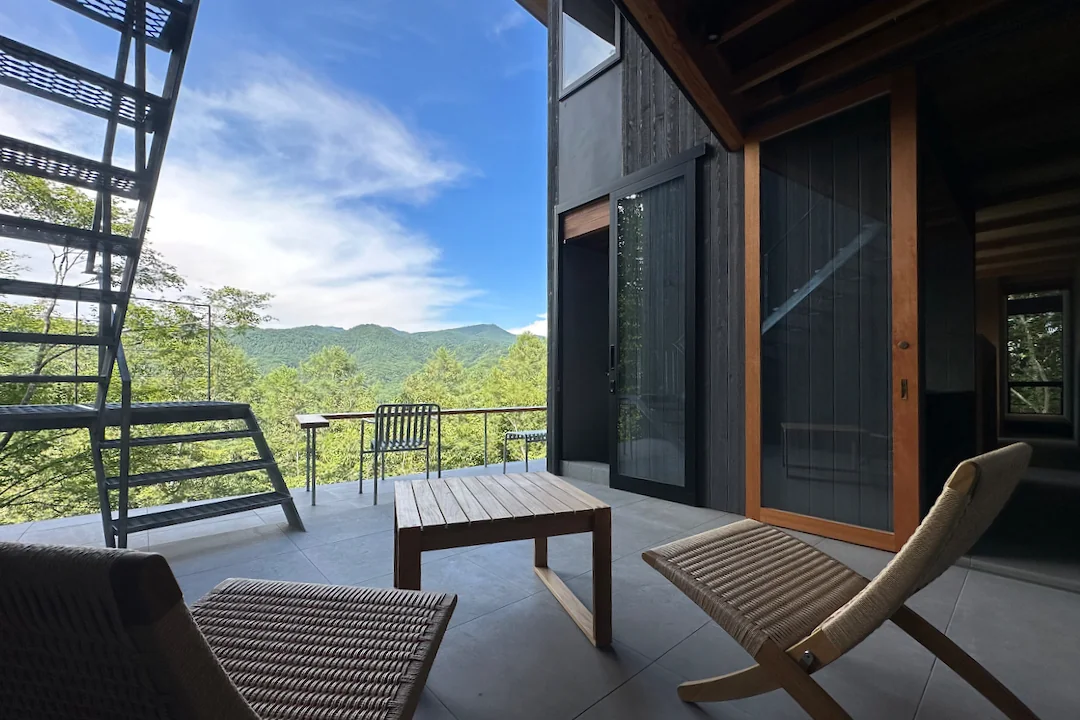
It is important not only to enjoy the view through windows but also to step out onto balconies and terraces to immerse oneself in the scenery. By thoughtfully designing the height and materials of railings to avoid obstructing sightlines, a more open and expansive view can be achieved. Tea time or dinner while overlooking the landscape brings a special moment to everyday life.
Applying the Technique of Borrowed Scenery to Contemporary Architecture.
By adapting the concept of "borrowed scenery" from Japanese gardens to modern residential design, distant mountains and trees can be visually integrated as if they are part of one's own garden. Skillfully layering the foreground garden and plantings with the distant views creates a sense of depth and richness that extends beyond the actual site boundaries. This Japanese aesthetic of "borrowing" the landscape continues to resonate in contemporary living environments.
The Flow of Sightlines from Interior to Exterior.
By designing a floor plan where sightlines flow continuously from the entrance to the living room and from the living room to the surrounding views, the scenery welcomes you the moment you enter the home. Incorporating windows with views along corridors and staircases transforms movement through the space into an opportunity to enjoy the scenery itself. It is essential to integrate circulation paths and sightlines into a cohesive design.
Lighting Design to Enhance Night Views.
In urban areas and hillside residences, night views constitute a significant attraction. By dimming the interior lighting, the nightscape visible through the windows is accentuated. Incorporating dimming controls allows for adaptable enjoyment—highlighting the scenery during the day and the night views after dark. Careful consideration must be given to the placement of lighting fixtures to prevent internal light reflections on the window glass.
Furniture Arrangement That Does Not Obstruct the View.
The valuable view loses its significance if it is hidden by furniture. By selecting low-profile furniture or arranging the layout to avoid placing furniture near windows, visual access to the scenery can be preserved. Considering furniture placement from the architectural design phase and determining the position and size of windows accordingly ensures a harmonious relationship between the view and daily living.
Balancing Privacy and Views.
Windows with good views are often easily visible from the outside. By adjusting the height of the windows or placing openings in locations less exposed to external sightlines, it is possible to enjoy the scenery while maintaining privacy. Controlling views with landscaping or louvers is also effective. The balance between openness and enclosure creates a comfortable living environment with pleasant views.
Consider the Orientation of the Morning and Evening Sun.
Having windows facing east allows occupants to wake up with the morning sun, while windows facing west provide views of the evening sunset. By thoughtfully determining the orientation of windows based on which rooms are used during different times of the day, one can maximize the enjoyment of changing scenery throughout the day. Designing with an understanding of the sun’s trajectory in harmony with daily living rhythms enriches the quality of time spent in the space.
Ensuring Comfort Through Glass Performance.
While large windows offer the advantage of enjoying expansive views, they present challenges in thermal insulation performance. By selecting high-performance glazing such as Low-E glass or triple glazing, it is possible to maintain a comfortable indoor temperature while appreciating the scenery. Addressing condensation is also critical; therefore, evaluating the performance of window frames in conjunction with the glazing is essential to ensure year-round comfort and optimal enjoyment of the views.



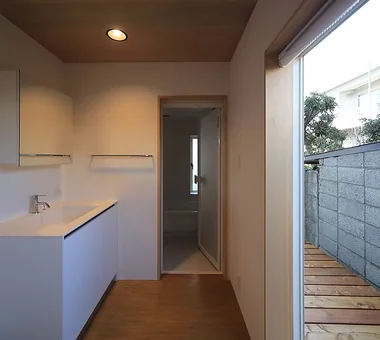

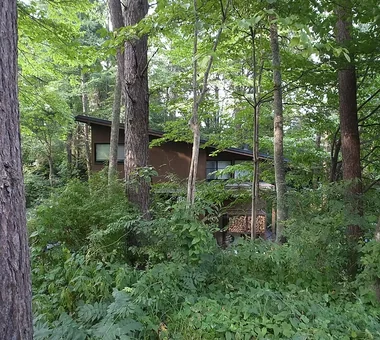 Homes in Harmony with Nature|Introduction to Examples by Floor Plan & Room Type|A way of living that enjoys daily life in harmony with nature, feeling the seasons and embracing the wind and light
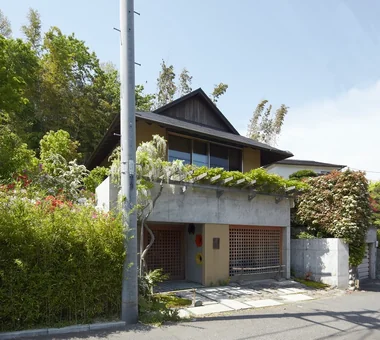 Modern Japanese-Style Residence|Introduction to Examples by Floor Plan & Room Type|Living with the changing seasons, a timeless space of tranquility woven from wood and earthen walls
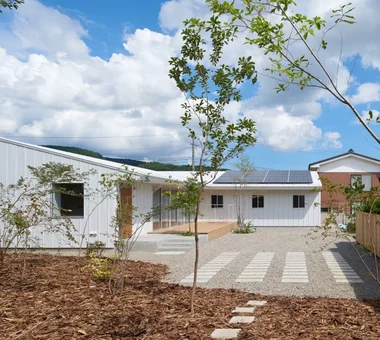 Single-Story Houses|Introduction to Architecture Firms|The richness of a home contained entirely on one level
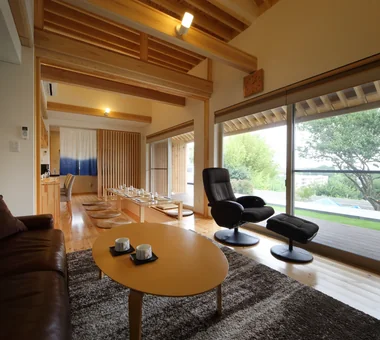 Forever Home|Introduction to Architecture Firms|A Home for Enriching Life's Later Years
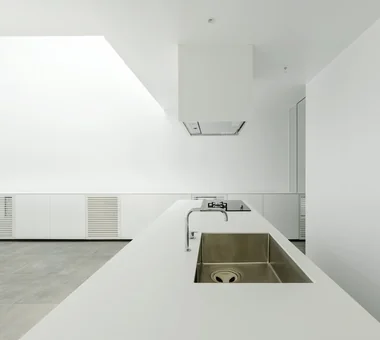 Minimalist Design Residences|Key Points for Home Building|Spatial Design Pursuing Purity by Emphasizing Materiality
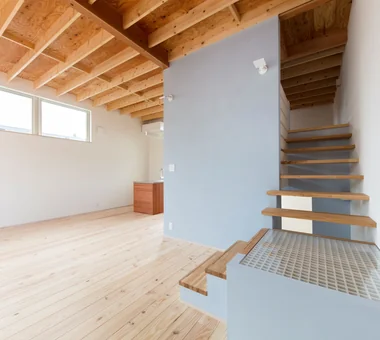 House of Wood|Custom Home Examples by Architectural Offices|A Home Embracing the Warmth of Wood