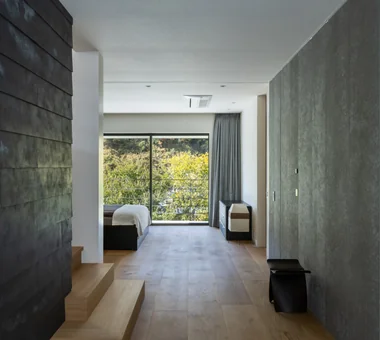
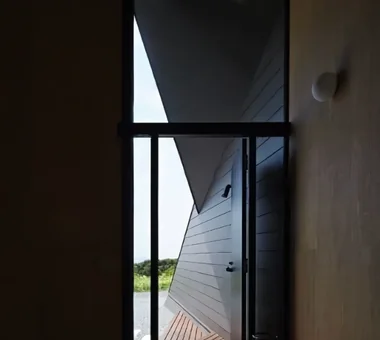
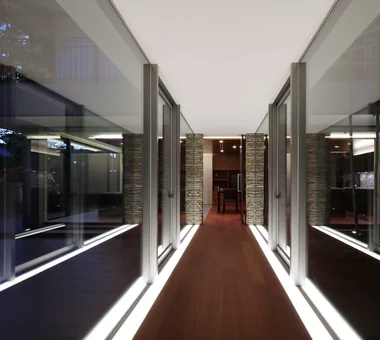
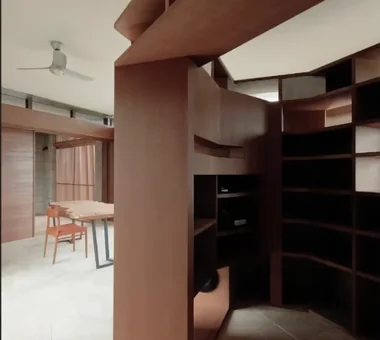
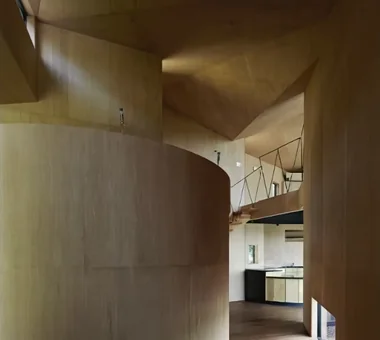
Choose architectural examples of Hotel‑inspired Residence and Stylish Hallways for your Personal Diagnosis,
A home-building support tool to meet design offices and builders who resonate with your sensibilities.
Introduce an Extraordinary Ambience to the Entrance Hall
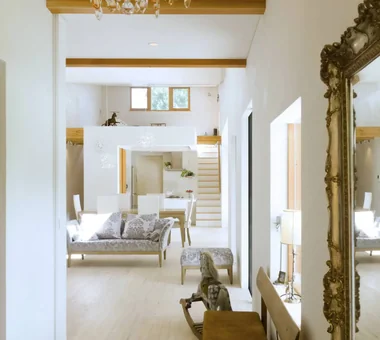
An entrance hall with the spatial generosity and ceiling heights of a hotel lobby imparts a sense of occasion every time one returns home. By incorporating indirect lighting and curated artwork, and by providing bespoke joinery to conceal footwear, a refined space that minimizes the appearance of everyday living is created. The entrance defines the home's first impression; ensuring adequate area and considered fittings instills a resort-like quality into daily life.
Hotel-grade fixtures for wet areas
Specify a custom-built vanity with a generous countertop, complemented by a large mirror and carefully designed lighting. For the bathroom, consider a glass-enclosed shower and a deep soaking tub, finished in tile or natural stone to create a spa-like atmosphere. Selecting high-quality fittings and accessories—such as faucets and towel bars—down to the smallest details will convey a hotel-like ambiance. The quality of the wet areas has a significant impact on overall residential comfort and satisfaction.
Seamless Integration of Living Room and Terrace
Large glazed openings connect the living room to the outdoors; aligning floor levels and minimizing thresholds creates an open, continuous interior-exterior space. Furnishing the terrace with sofas and deck chairs produces a relaxed setting reminiscent of a resort hotel's terrace lounge. Incorporating planting and lighting strategies into the design ensures attractive views both day and night. A design approach that intentionally blurs the boundary between interior and exterior enhances the sense of a resort-like atmosphere.
Pursuing a Refined Quality through Material Selection
Selecting natural, authentic materials—such as stone, solid timber, ceramic tile, and metal—is fundamental to achieving a hotel-like quality. For floors, specify large-format tiles or thick solid hardwood planks; for walls, consider textured plaster finishes or EcoCarat (moisture-regulating ceramic tiles). The inherent beauty of these materials and their patina over time bring depth to everyday living. Although this approach entails higher upfront costs, it is an investment that yields long-term satisfaction.
Shaping Spatial Expression with Lighting
Hotel lighting prioritizes atmosphere over mere brightness. By extensively employing indirect lighting and recessed downlights and integrating dimming controls, you can tailor illumination to suit different scenes. Accent fixtures such as pendant lights and floor lamps create layered lighting, enhancing depth and three-dimensionality. Lighting design should be developed in consultation with specialists from the design stage and coordinated integrally with the electrical wiring plan; this integrated approach is essential to realizing the intended spatial experience.
Maintain Cohesion through a Coordinated Color Plan
A refined, hotel-like interior is achieved by limiting the palette. Establish a uniform base color—such as white, gray, or beige—and use accent colors sparingly. Harmonizing the finishes of doors, built-in joinery, and custom furniture reduces visual noise and creates a calm, composed atmosphere. It is effective to develop a comprehensive color strategy that includes interior elements from the design stage onward.
Transform the Bedroom into a Private Resort
Treat the bedroom, as with a hotel guest room, as a tranquil, comfortable environment dedicated to sleep. Fully conceal storage with a walk-in closet and establish a soft luminous atmosphere through indirect lighting. Employ bespoke headboard millwork that integrates bedside tables and reading lamps to create a bedroom that is both functional and elegant. Designing a space that supports high-quality sleep enriches daily life.
A Luxurious Walk-In Closet
For a hotel-like lifestyle, concealed storage capacity is essential. Provide a generously sized walk-in closet adjacent to the bedroom, designed to accommodate not only clothing but also suitcases and off-season items. Specify interior finishes with moisture-regulating properties and integrated lighting to achieve both functionality and aesthetic quality. Ample storage prevents belongings from overflowing into the living areas, maintaining a clean, uncluttered living environment.
Introduce a built-in bar counter and lounge area
By integrating a built-in bar counter into a corner of the living room or arranging lounge seating by the windows, you can create a distinct setting reminiscent of a hotel bar or lobby lounge. Providing a space where adults can savor beverages or enjoy reading adds an element of the extraordinary to everyday life. The concept of creating a “special place” within the home is a key strategy for enhancing a resort-like atmosphere.
Convey a sense of openness through ceiling heights and fenestration
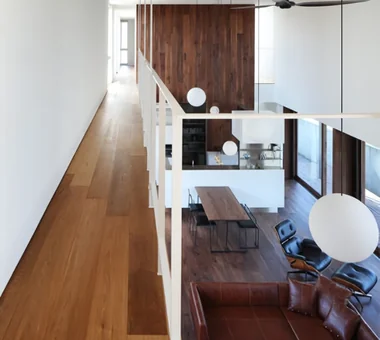
As in hotel public areas, ensuring a ceiling height of at least 3.0 meters in the living room can dramatically change the perception of the space. Generous glazing admits natural light and draws exterior views into the interior, creating an open, expansive atmosphere. Design should seek to maximize visual spaciousness while carefully balancing structural constraints and thermal insulation performance. The volumetric presence of the space produces a hotel‑like character.
Meticulously refine the acoustic environment
The tranquility of a resort hotel is, in fact, the result of deliberate acoustic design. Selecting high-performance, sound-insulating windows and doors and finishes with sound-absorbing properties reduces both external noise and internal living sounds. Furthermore, integrating audio systems into ceilings and walls and concealing wiring reconciles aesthetics with functionality. A quiet, comfortable acoustic environment creates a space conducive to relaxation.
Create a Home Spa with a Sauna and Jacuzzi
If site conditions and budget permit, incorporating a sauna, outdoor bath, or jacuzzi can deliver an authentic resort-like experience. Even a compact sauna room can be realized with appropriate ventilation and robust waterproofing detailing. Having spa-like amenities at home enables regular rejuvenation without the need to travel. Considering building services and structural integration from the outset of the design phase is the essential first step toward implementation.
Setting Appropriate Corridor Widths.
The effective width of corridors is stipulated by the Building Standards Act to be at least 75 cm; however, when considering wheelchair accessibility, a minimum width of 85 cm is recommended. For two-way passage, a width of 1.2 m or more is desirable. Nonetheless, excessively wide corridors may lead to inefficient use of floor area, so decisions should be made taking into account the family composition and potential future changes.
Design Strategies for Daylighting and Spaciousness.
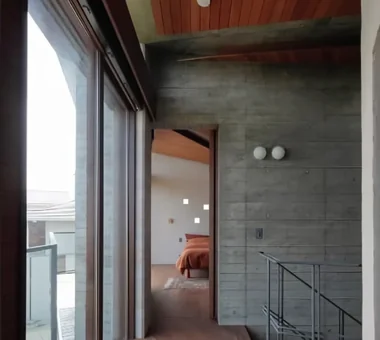
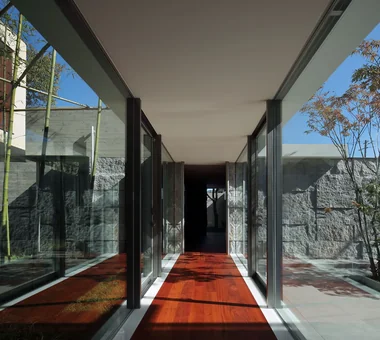
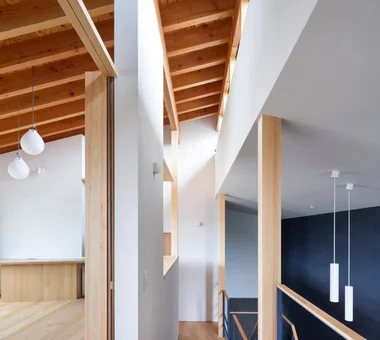
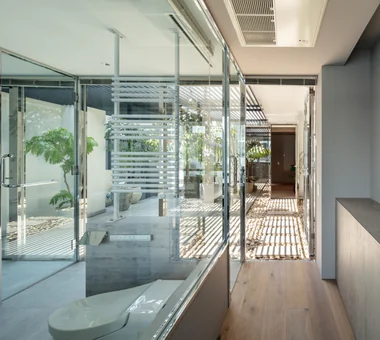
Corridors tend to be enclosed spaces; however, by incorporating windows or connecting them to atriums, they become bright and open areas. Utilizing clerestory windows and skylights allows for natural light penetration while maintaining privacy. Installing doors with glass panels in each room is also effective in enhancing brightness.
Creating Atmosphere Through Lighting Design.
In corridor lighting, it is essential to ensure sufficient brightness for safe passage while creating a soft and inviting ambiance. Combining downlights, wall-mounted bracket lights, and footlights results in a space with beautiful shadows and depth. Incorporating motion sensor-activated lighting enhances safety during nighttime movement and contributes to energy efficiency.
Utilization Methods for Wall Surfaces.
The corridor walls can be utilized as a gallery to display family photographs and artworks. By installing picture rails and illuminating the pieces with spotlights, the artworks can be enjoyed on a daily basis. Additionally, custom-built bookshelves integrated into the wall surface can transform the corridor into a functional reading nook.
Ensuring Adequate Storage Space.
By providing storage adjacent to the corridor, the storage capacity of each room can be supplemented. Plan with a clear purpose in mind, such as linen closets, cleaning supply storage, or seasonal item storage. Matching the door colors and materials with the walls creates a clean and cohesive appearance.
Ventilation and Airflow.
Corridors are areas where air tends to stagnate. Enhancing natural ventilation by opening windows or utilizing corridors as ventilation pathways for a 24-hour mechanical ventilation system improves the overall indoor air quality. Additionally, incorporating undercuts at the bottom of each room's door is an effective strategy to facilitate airflow.
Optimization of Circulation Flow.
The arrangement of corridors directly impacts the efficiency of access to each room. It is important to consider a layout that minimizes corridor area while enabling efficient access to the necessary rooms. Incorporating a continuous circulation flow can also create a user-friendly floor plan without dead ends.
Expressing Spatial Character Through Variations in Width.
By partially altering the width of a corridor, variations and rhythm are introduced into the space. Expanding areas near room entrances or slightly widening spaces by windows to create small study corners can imbue otherwise monotonous corridors with distinct personality.
Installation of Handrails and Preparation for the Future.
It is recommended to incorporate backing in the corridors to allow for the installation of handrails in preparation for advanced age. If handrails are installed later without backing, reinforcement work on the walls will be required. Currently, it is advisable to keep the design simple and aesthetically focused, while planning so that handrails can be added when needed.
Changing Impressions through Color Planning.
The colors of corridor walls and ceilings significantly influence the spatial impression. Light colors such as white and beige create a sense of spaciousness, while dark tones evoke a calm atmosphere. Using an accent color on a single wall can also prevent monotony.
Handling Sightlines and Visual Terminations.
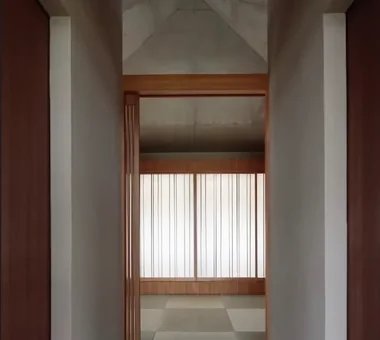
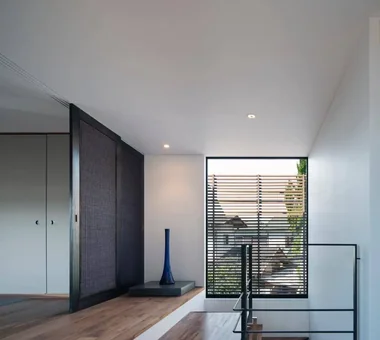
By installing windows or displaying artworks at the end of corridors, the visual termination points become aesthetically pleasing. In the case of long corridors, arranging elements to change the direction of sightlines midway helps avoid monotony. It is essential to incorporate design strategies that prevent a sense of dead-end confinement.
Reevaluating the Necessity of Corridors.
By minimizing the creation of corridors in the floor plan, it is possible to allocate a larger area to living spaces. Layouts that feature a central living room with a circular flow or arrangements that connect rooms directly without corridors, or with minimal corridors, are worth considering. However, it is also important to take into account issues related to privacy and acoustics.
Q&A
Hotel‑inspired Residence|Stylish Hallways|Q&A
What specific characteristics define a hotel-like residence?
They are characterized by the selection of high-quality materials, a simple and restrained spatial composition, and storage strategies that conceal signs of everyday living. By bringing the extraordinary refinement experienced in hotels into daily life, a restorative comfort is created that feels like a reset each time one returns home. Thoughtful lighting design, cohesion of finishes, and an emphasis on spatial breathing room and restraint underpin and sustain that atmosphere.
How can a hotel-like lighting atmosphere be achieved?
The key is the strategic placement of indirect lighting and recessed downlights, combined with scene-selectable dimming controls that allow light levels to be adjusted for different scenarios. Establishing layered illumination that washes ceilings and walls creates shadows and spatial depth. Adopting a multi-fixture approach within a single room—integrating general ambient lighting with localized task and accent lighting—yields the calm, refined ambience typical of hotel environments.
What are the key considerations for designing hotel-like bathroom and wet areas?
Harmonizing material textures is essential—use large-format tiles or natural stone and coordinated sanitary fittings. Specify a custom-built vanity with a generously proportioned countertop to allow space for displaying amenities. In the bathing area, carefully resolve wall and floor joints and ensure visual and material continuity with the dressing room to achieve a spa-like, high-quality environment.
I would like to create a spacious, hotel-like entrance.
Allocate sufficient area to the entrance hall and incorporate indirect lighting, artwork, and greenery to create a dignified space for receiving guests. Minimize the level difference between the entry floor and the hall, and provide a large full‑length mirror and a custom built-in bench for added effect. Locate shoe storage as a separate walk-in shoe closet and keep visible areas free of belongings to achieve the composed, lobby-like appearance of a hotel.
How can the relaxed ambiance of a resort hotel be incorporated into a private residence?
Introduce natural light and greenery through expansive glazed openings and blur the boundary between interior and exterior. Designing terraces and balconies as direct extensions of living areas, and arranging bathrooms to overlook the garden, fosters the open, airy quality characteristic of resorts. The judicious use of natural materials balances warmth with refinement.
Is maintaining a hotel-like residence burdensome?
Maintainability is greatly influenced by the selection of materials and the detailing resolved during the design phase. For example, choosing stain‑resistant coatings for white wall finishes and specifying large‑format tiles with minimal grout joints in wet areas allows aesthetic quality and practicality to be reconciled. In addition, a decluttered, well‑organized interior is easier to clean on a daily basis and can, in fact, make it simpler to preserve overall cleanliness.
How can a corridor be transformed from a mere passageway into a rich, gallery-like space?
Effectively utilizing the wall surfaces is recommended. This can include incorporating niches that take advantage of the wall thickness or installing picture rails to display paintings and photographs. Planning spotlights or bracket lights to illuminate the walls will enhance the displayed items and create an atmosphere reminiscent of an art gallery. If the corridor width allows, placing a small console table can also add a charming touch.
Are there any methods to make narrow and typically dark corridors feel bright and spacious?
Installing a fixed window on the wall at the end of the corridor allows the line of sight to extend outward, creating a sense of depth. Additionally, incorporating high-side windows near the ceiling can introduce stable natural light while maintaining privacy. Unifying the walls and ceiling with expansive colors such as white, combined with using light-colored flooring materials, is also effective in visually enlarging the space.
What are the key points to consider when selecting flooring materials for a corridor?
Since corridors serve as transitional spaces connecting various rooms, maintaining continuity with the flooring materials of adjacent rooms creates a cohesive atmosphere throughout the home. For example, if the living, dining, and kitchen areas (LDK) feature hardwood flooring, it is standard practice to use the same material in the corridor. If a different material is chosen, it is advisable to coordinate the color tones to ensure visual harmony. Additionally, selecting materials that are resistant to scratches and highly durable is essential.
Are there any design strategies to make a corridor lined with doors appear more aesthetically pleasing?
Aligning the doors as full-height 'high doors' that extend to the ceiling eliminates the wall space above the doors (the soffit), resulting in a very clean and streamlined corridor. Additionally, unifying the door designs, colors, and hardware details such as door handles is an essential factor in bringing order and cohesion to the space.
Please explain the advantages and disadvantages of a floor plan that eliminates hallways.
Eliminating hallways allows the area typically allocated to them to be reassigned to the living, dining, and kitchen (LDK) spaces or individual rooms, thereby maximizing the efficient use of space. This approach also fosters a greater sense of unity throughout the home. On the other hand, it can pose challenges in maintaining privacy and may result in increased transmission of everyday noise between rooms. It is important to carefully consider which aspects of daily living to prioritize when adopting such a layout.
Do you have any ideas for the effective utilization of corridors?
Corridors can be designed as multifunctional spaces by incorporating areas such as study nooks or reading corners that make use of their width. By installing wall-mounted desk counters or movable furniture, the corridor transforms from a mere passageway into an integral part of daily living. It is also advisable to plan with consideration for natural lighting and ventilation.
Home building starts with what you love. A place to visualize your sensibilities and achieve a lifestyle that is uniquely yours.
Pick architectural photos to automatically analyze your sensibilities. Visualize your unspoken 'likes' and find professionals who share your values.
Shape your ideal home with intuitive operations. How to enjoy Qurasuki even if it's your first time.
No special knowledge required. Just browse photos and pick what moves you to reveal your style and meet experts who can fulfill your dreams.
Save Photos You Love
Just tap '♡'. Whether you know your style or are just starting, begin by freely collecting the seeds of your ideal home.
'Auto-Analysis' to Decode Your Sensibility
Analyzes preferences from your saved photos. Uncover your 'true ideal' by visualizing the tastes you couldn't put into words.
Discover Professionals through Diagnosis
Find experts who match your sensibilities. Explore their philosophies and projects to find a partner who shares your values.
Experience Your Ideal through Events
Join open houses or events hosted by experts you like. Deepen your trust and peace of mind by experiencing actual spaces.