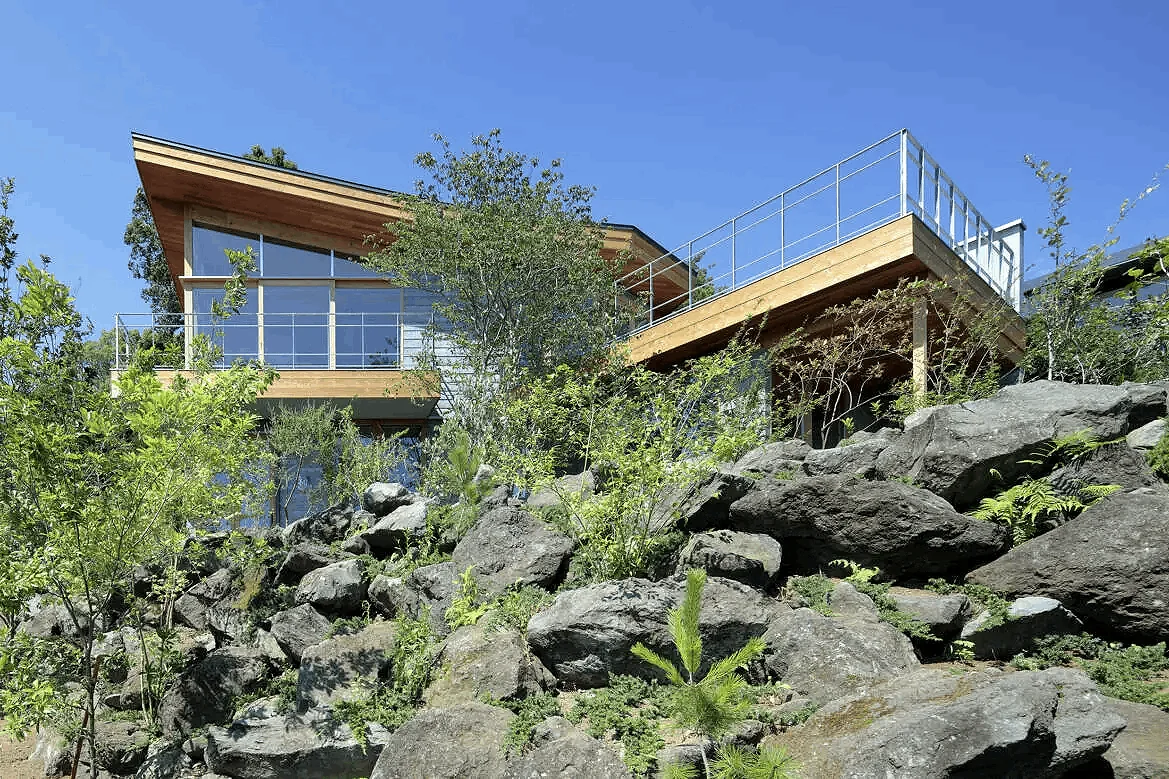
Far East Design Lab.
Stylish Exteriors|Key Points for Home Building|Design Strategies to Enhance the Aesthetic Appeal of a Home’s Facade
Author: Qurasuki Editorial Department
The exterior facade, serving as the face of a residence, requires a careful balance not only of beauty but also of weather resistance and functionality. Detailed decisions ranging from material selection and arrangement to the manipulation of light determine whether the architecture will gain depth and character over time. By considering the relationship with the surrounding environment and thoughtfully exploring an exterior that naturally expresses the family’s individuality, the home becomes a place of genuine attachment.
Refining Proportions.
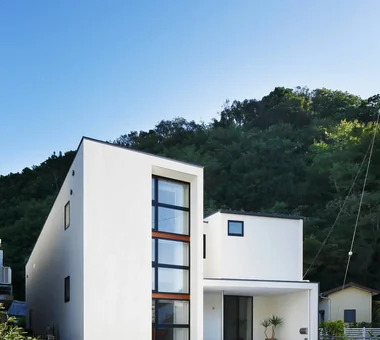
By consciously considering the building's vertical-to-horizontal ratio and the balance of openings, a sense of calmness and elegance is imparted to the overall facade. Even simply standardizing the size and arrangement of windows can significantly alter the visual impression. It is advisable to repeatedly review physical models and elevation drawings during the design phase to verify the overall balance. Particular attention should be paid to the alignment of windows when viewed from the front and the depth of eaves, as these elements are difficult to modify later and therefore require careful consideration.
Achieving Cohesion by Limiting the Number of Colors.
By restricting the colors of exterior walls, roofs, and window frames to approximately two to three hues, a unified and harmonious facade can be achieved. While using multiple colors can express individuality, it may also result in a lack of cohesion. Carefully selecting a combination of base and accent colors allows for a sophisticated appearance that remains timeless. It is recommended to consider harmony with the surrounding landscape when making color choices.
Commitment to Material Texture.
The texture of exterior wall and roofing materials significantly influences the building's overall impression, even from a distance. For siding, factors such as the depth of relief and pattern selection are crucial, while for plaster finishes, the texture of the surface treatment plays a key role. Attention to these details creates a refined atmosphere. It is advisable to review actual installation samples under natural sunlight and consider their aging characteristics to make informed choices that minimize future regrets.
Creating Shadows and Depth with Eaves and Canopies.
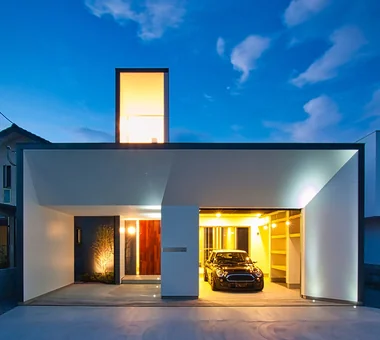
Moderate eaves and canopies add dimensionality and character to a building’s exterior. They are also practical for controlling solar exposure and preventing rain intrusion. While minimalist designs with zero eaves have gained popularity recently, incorporating eaves with a projection of around 90 cm can effectively create a sense of depth through shadow play. It is essential to plan these elements in accordance with the local climatic conditions.
Simplify the Roof Form.
Complex roof forms are distinctive, but if a refined impression is desired, simple gable, mono-pitched, or flat roofs are effective. A clean roof form enhances the overall silhouette of the building, making it appear more elegant. However, due to their simplicity, details such as pitch and eave junctions become more prominent, so careful attention to precision in these areas is essential.
Creating a Cohesive Integration Between Exterior Structures and the Building.
By designing exterior elements such as gates, fences, and approaches in an integrated manner with the building, a unified sense of coherence is established across the entire site. Utilizing the same materials for fences as those used on the exterior walls, or harmonizing color schemes, achieves a cohesive and aesthetically pleasing residential environment. Although exterior landscaping is often deferred, planning it concurrently with the building allows for a more refined and sophisticated outcome.
Creating Nighttime Ambiance Through Lighting Design.
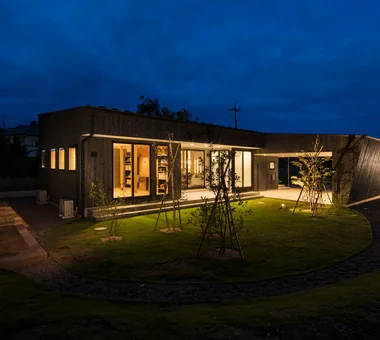
The nighttime appearance of a building is significantly influenced by the strategic placement of lighting. By thoughtfully arranging elements such as eave lighting, approach lights, and uplights on landscaping, a captivating ambiance distinct from the daytime character is achieved. Illuminating areas around the entrance and the building’s façades, in particular, enhances the sense of depth and volume, thereby conveying a refined and sophisticated architectural identity.
Consideration of the Placement of Rain Gutters and Air Conditioning Piping.
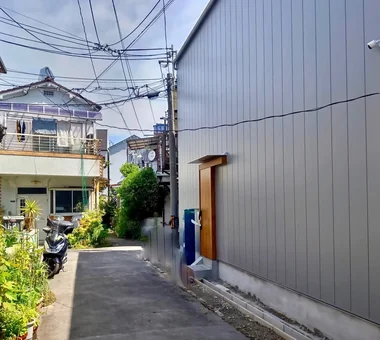
Although often overlooked, the placement of rain gutters, outdoor air conditioning units, and piping significantly impacts the building's exterior appearance. Positioning these elements so they are less visible from the front and selecting rain gutters that match the exterior wall color can maintain a clean and cohesive facade. By addressing the locations of these installations from the design stage, a visually appealing exterior can be achieved.
Considering the Continuity of Openings.
When multiple windows are present, arranging them in a regular pattern or aligning their heights creates a rhythmically pleasing and aesthetically attractive facade. Additionally, vertically aligning the window positions on the first and second floors imparts a clean and orderly impression. However, it is also important to balance this with interior functionality, so it is advisable to make decisions in close consultation with the designer.
Create Distinctive Features Around the Entrance.
The entrance serves as the face of the building. By thoughtfully designing elements such as the canopy, the materials and colors of the door, and the finishes of the surrounding walls, one can express the home's individuality and elegance. It is not necessary to be ostentatious; a subtle sense of distinction can be achieved through the careful use of materials and the refinement of detailing. Since this is the first area visitors see, it is essential to plan it with great care.
Consider the Segmentation of Volume.
Compared to a large box-shaped building, segmenting the volume can create a lighter and more refined impression. For example, changing the exterior wall materials between the first and second floors or introducing recesses and projections in certain areas can produce a richly textured facade. However, overdoing it may result in a cluttered appearance, so maintaining a sense of balance is crucial. It is advisable to review and evaluate the design using models and perspectives during the process.
Harmonizing with the Surrounding Environment.
A refined exterior does not necessarily mean an extravagant design. The ideal appearance is one that harmonizes with the surrounding streetscape and natural environment while exhibiting a tasteful individuality. When regional landscape guidelines are available, it is advisable to refer to them, aiming for a façade that blends seamlessly with the locale yet distinctly reflects your unique character.






 Garage Houses|Case Studies|The Charm of a Garage House, Where Hobbies and Daily Life Are Embraced Under One Roof, and Living and Cars Naturally Merge
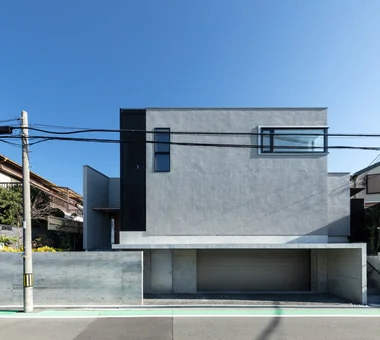 Modern Residences|Introduction to Architecture Firms|The Fusion of Rationality and Beauty
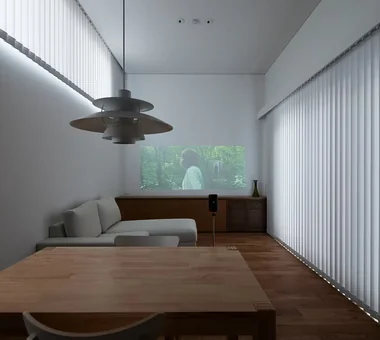 Homes Featuring Dedicated Theater Rooms|Introduction to Architecture Firms|Living in a Space Immersed in Visual Media
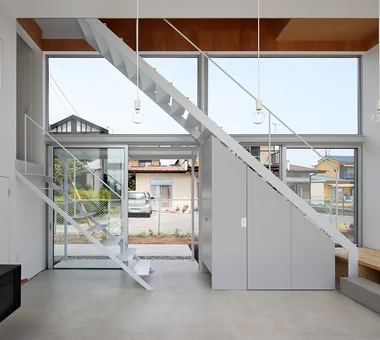 Contemporary Design Residences|Custom-built homes by architecture firms|Expressions of Contemporary Living
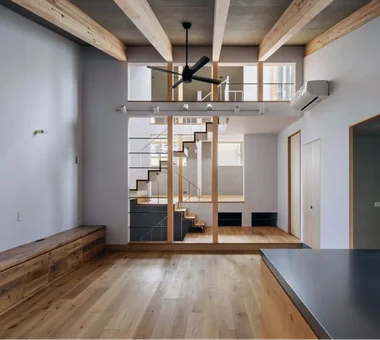 Homes Embracing Natural Light|Case Studies|How the Day's Light Shapes Your Life: Creating Rich Expressions of Natural Light Through Orientation, Materials, and Openings
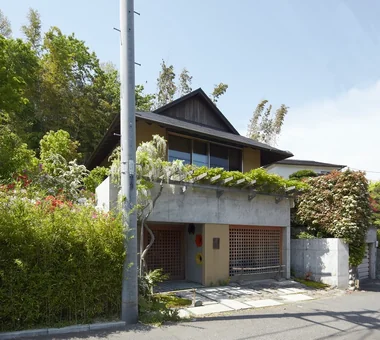 Modern Japanese-Style Residence|Case Studies|Living with the changing seasons, a timeless space of tranquility woven from wood and earthen walls