Atelier Cotocoto
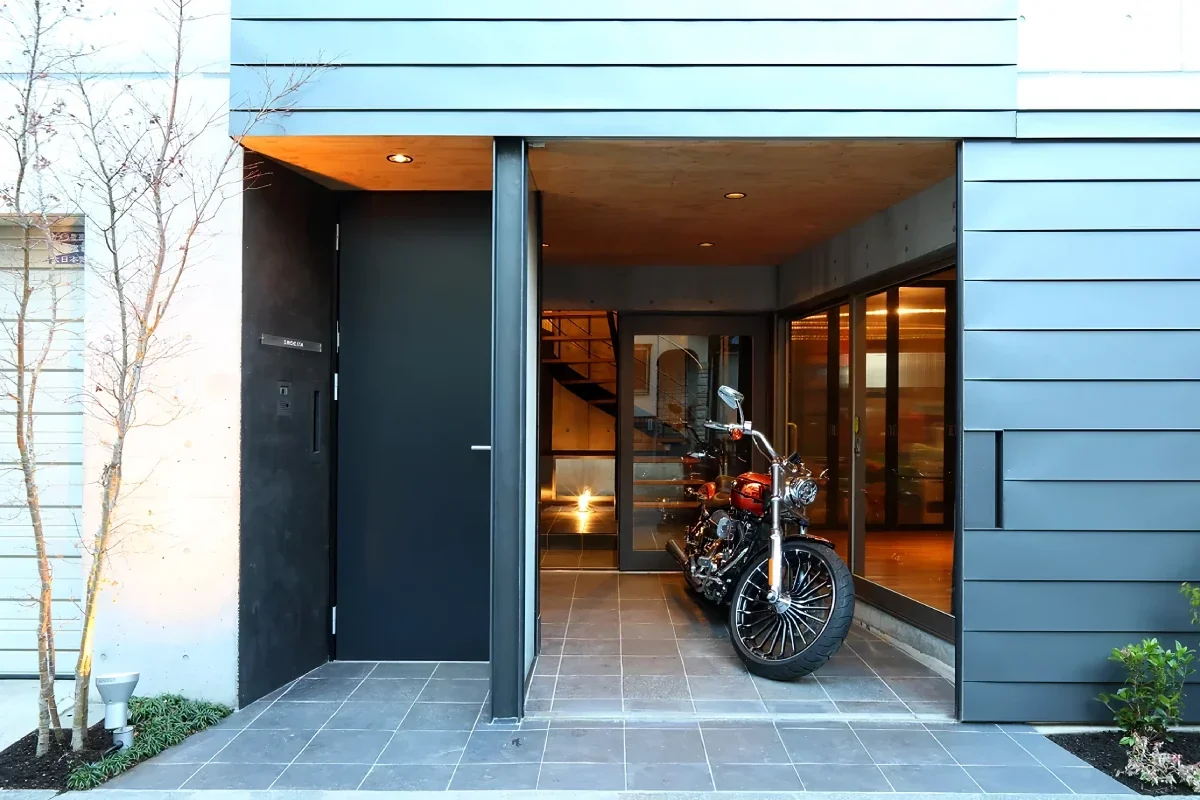
A House for Living with a Motorcycle|Home Building Q&A
Author: Qurasuki Editorial Department
In homes centered around motorcycles, the relationship with the house changes depending on whether the motorcycle is viewed merely as transportation or integrated into daily life as a hobby. The required spatial framework varies based on ownership count, motorcycle size, and whether maintenance is performed. The sense of distance from the home also shifts depending on daily ingress/egress versus enjoying time spent viewing or maintaining the bike. When family members do not ride, sharing hobby spaces with living areas becomes a topic. Furthermore, conditions demanded of the residence shift based on future replacements or fleet changes. We organize the questions common in motorcycle-inclusive homes from the relationship between hobbies and daily routines.
From what perspectives should motorcycle-loving lifestyles be reflected across the entire home?
Rather than planning only the garage, looking ahead to the entire lifestyle alongside your beloved vehicle—including entry traffic lines, storage, and living room spending—is important. Homes where a series of actions naturally connect from touring preparations to post-return cleanup enhance daily satisfaction. The perspective of incorporating hobbies as part of lifestyle rather than isolating them as special things becomes the basis of home building.
How should helmet and riding wear storage be planned around the entryway?
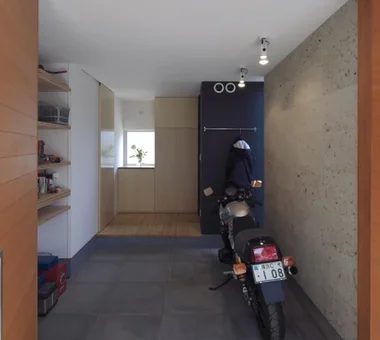
Providing doma storage beside the entryway to collectively store helmets, gloves, and riding wear makes pre-departure preparations smooth. Since apparel easily traps humidity, storage planning considering ventilation is also important. Securing traffic lines directly accessing the garage from the entryway enables comfortable departures even on rainy days.
Is it possible to display motorcycle-related goods in the living room?
Displaying favorite helmets, miniature models, and specialized magazines allows the charm of motorcycle-living to be incorporated into the living room as well. Utilizing indirect lighting and spotlights beautifully accentuates the presence of collections. Curation of displayed items finishes the space into a calm and sophisticated one.
How should car-washing or maintenance spaces relate to daily living traffic lines?
When setting up car-washing and maintenance spaces in corners of garages or gardens, considering distances to plumbing and storage raises work efficiency. Securing dedicated traffic lines so that oil stains and moisture are not brought indoors is also important. Moderate separation from family living traffic lines results in homes where hobbies and daily life comfortably coexist.
How should pre- and post-touring dressing spaces be planned?
Providing spaces near entryways and garages where clothing and equipment preparations can be made makes pre- and post-touring movements comfortable. Installing full-length mirrors makes final equipment confirmations easy. Minute ingenuities, such as equipping benches to make putting on and taking off boots easier, enhance usability.
How should spaces for drying rain gear and apparel be secured?
Setting up spaces in corners of garages or entryway doma where wet apparel and rain gear can be hung and dried is convenient. Securing ventilation by providing exhaust fans or windows prevents humidity and odor stagnation. Selecting finishes resistant to water and easy to clean makes floors usable daily.
When inviting motorcycle friends to gather, what kinds of spaces are good to have?
Having leeway to place chairs or benches inside garages or adjacent spaces allows enjoyment of chatting times while gazing at beloved vehicles. Providing traffic lines entering and exiting directly from the garage suppresses impacts on living spaces during guest visits. Equipping water spigots and electrical outlets is also convenient during gatherings.
How should motorcycle parts and magazine collections be stored?
Planning storage capable of organizing parts and magazines by type allows collections to be stored beautifully. When storing heavy parts, attention to shelf load capacities is also necessary. Adopting adjustable shelving flexibly accommodates future collection increases.
Are there ingenuities to enable departure preparations unaffected by weather?
Providing deep eaves in front of garages or around entryways allows inspections and luggage loading without getting wet even on rainy days. Methods of providing semi-outdoor doma spaces are also effective. Daily usability improves thanks to preparation spaces unaffected by weather.
How should crime prevention countermeasures for motorcycles and helmets be considered?
In addition to enhancing locking performance for garage shutters and doors, crime prevention can be improved by installing human-sensor lighting. Providing fixed anchors to make chain locks easy to use is also effective. Storing helmets and equipment in locked storage provides peace of mind.
Are there ingenuities to casually gaze at beloved vehicles from the living room?
Providing interior windows between garages and living rooms creates spaces where you can naturally gaze at beloved vehicles amidst daily life. Planning window positions and sizes considering balance with furniture placement and living traffic lines is important. Devising lighting plans can also beautifully stage beloved vehicles at night.
How can winter motorcycle storage and battery management be considered in home building?
Installing electrical outlets inside garages makes utilizing battery chargers easy. Garages with enhanced insulation are expected to mitigate extreme temperature changes and reduce burdens on vehicle bodies. Securing spaces to store maintenance goods and covers simultaneously is also convenient.
When enjoying motorcycles while living with family, what considerations are necessary?
Enhancing garage ventilation performance makes gasoline and oil odors less likely to spread to living rooms. Considering placement keeping distances from bedrooms and neighboring properties for maintenance and car-washing noise is important. Organizing family living traffic lines and hobby traffic lines realizes comfortable coexistence.
What can be done to make homes adaptable even if future motorcycle numbers or vehicle types change?
Providing leeway in garage frontages and depths makes future vehicle changes and additions easily adaptable. Making storage shelves adjustable flexibly accommodates changes in parts and tool quantities. Providing leeway in power supplies and ventilation equipment allows comfortable continued use for a long time.
What should be communicated early in design for motorcycle-loving home building?
Concretely communicating motorcycle numbers, sizes, use frequencies, and maintenance habits owned allows accurate reflection into garages, storage, and traffic line plans. Sharing usage scenes when opportunities to invite friends are frequent is also advisable. Sharing the entire lifestyle with designers from initial stages is important to realize homes valuing both hobbies and daily life.

 House with a Natural Woodland Garden|Key Points for Home Building
 A Home for Living with Antiques|Introduction to Examples by Floor Plan & Room Type
 House of Wood|Home Building Q&A
 Stylish Atriums|Key Points for Home Building
 Stylish Staircases|Home Building Q&A
 House with a Wood Deck|Home Building Q&A