Abax Architects
House with a Natural Woodland Garden|Key Points for Home Building
Author: Qurasuki Editorial Department
Homes with natural woodsy gardens connect to a lifestyle where seasonal changes are felt intimately, rather than treating the garden merely as a static display. Unlike flowerbed- or lawn-centric yards, incorporating near-natural landscapes into the home is key. Consequently, indoor sightlines and daily routines matter just as much as the garden itself. The direction of planning shifts based on the role demanded of the garden—whether enjoying four seasons or utilizing it as a family zone. Woodsy gardens are not detached outdoor annexes, but entities shaping the entire home atmosphere. We decode conditions and lifestyle relationships when considering a home with a natural woodsy garden.
Understanding the Appeal of Woodland Gardens (Satoyama-style) and Selecting Tree Species Suited to the Home
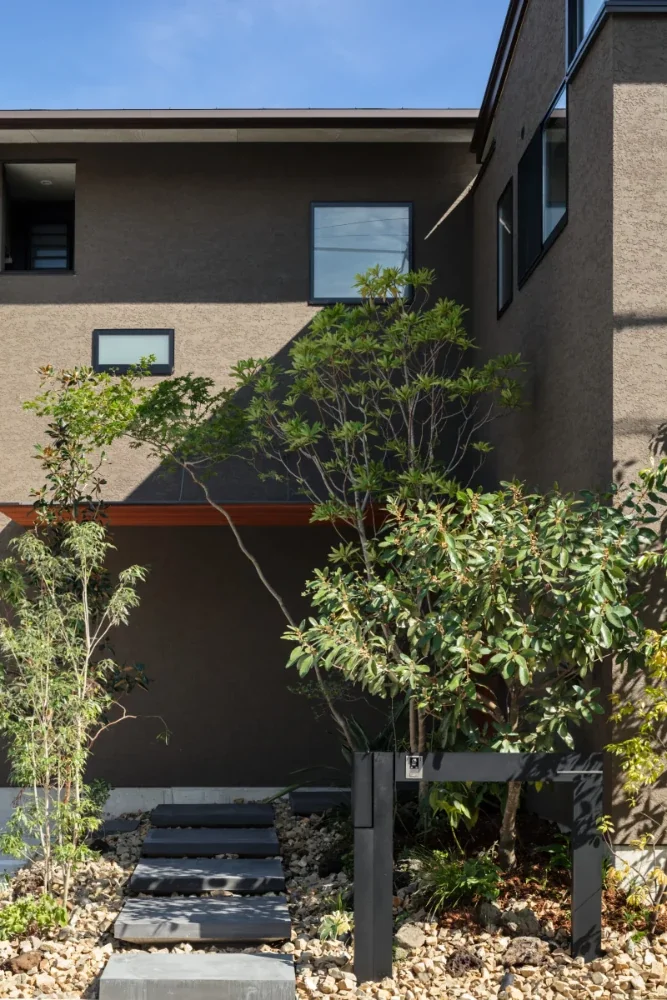
A woodland garden is a style of garden creation modeled after natural vegetation found in rural satoyama and coppice forests. Rather than pruning in an orderly fashion, leveraging the original appearance of trees allows landscapes that deepen over time to be enjoyed. Combining deciduous trees primarily with evergreen trees and undergrowth generates different expressions across the four seasons. Selecting tree species matching the home scale and site conditions is important.
Three-Dimensional Planting Planning Created by Tall Trees, Mid-Height Trees, and Undergrowth
To generate the depth characteristic of a woodland garden, arranging tall trees, mid-height trees, and undergrowth in overlapping layers is effective. Tall trees create dappled sunlight, mid-height trees give thickness to the scenery, and undergrowth colors the feet. Combining plants of differing heights creates a rich landscape resembling a natural forest. Deliberately arranging them with slight asymmetry leads to a more natural atmosphere.
Concepts of Pruning and Care Leveraging Natural Growth Forms
In woodland gardens, care respecting the original appearance of trees is fundamental. Rather than finely shearing branches, maintaining natural growth forms by thinning out congested or unnecessary branches is practiced. Not over-trimming leads to the expansive landscape characteristic of a woodland garden. Thinking about manageable management methods while consulting with gardeners or landscaping specialists is also important.
Designing Windows and Verandas Connecting the Living Room and Garden
To enjoy the appeal of a woodland garden in daily life, design conscious of views from indoors is crucial. Providing large windows allows dappled sunlight and seasonal transitions to be felt close at hand. Providing intermediate realms like verandas or decks gently connects the interior and garden, making it a place to spend rich moments.
Maintenance of Woodland Gardens Enjoying Fallen Leaves and Fruitfulness
In woodland gardens, fallen leaves and tree nuts are also important elements feeling the seasons. Garden creation incorporating natural cycles, such as utilizing fallen leaves as compost, can also be enjoyed. On the other hand, examining tree species and placements while giving consideration to impacts on surrounding roads and neighboring land is important. An attitude of enjoying the very process of nurturing the garden is required.
Selecting Plantings Harmonizing with Nature Incorporating Native Species
In woodland gardens, incorporating native species familiar to that land makes it easier to aim for harmony with the surrounding natural environment. Because native species are adapted to regional climates and topographies, they are easy to grow and lead to environment creation where birds and insects gather. Choosing while consulting with horticulturists and gardeners who understand regional characteristics is desirable.
Paving and Stepping Stone Designs Harmonizing with Woodland Gardens
Paving and stepping stones utilizing natural materials suit woodland gardens exceptionally well. Approaches using stone or natural-stone-like materials generate enjoyment akin to strolling through a garden. Selecting paving materials with color tones and textures that do not overly assert themselves can accentuate the appeal of trees and flowering grass.
Selecting Tree Species to Enjoy Seasonal Changes
The true thrill of woodland gardens lies in landscapes shifting with every season. Spring budding, summer shade, autumn foliage, and winter branch forms allow different expressions to be enjoyed year-round. Japanese maples, kousa dogwoods, and konara oaks are cherished as representative tree species easily allowing seasonal changes to be felt.
Planting Planning Considering Distance from the Building
Because trees grow larger with time, planning considering the distance from the building is indispensable. Arranging them while anticipating future tree height and branch spread avoids building impacts or excessive shading. Examining this to include views from windows and airflow leads to comfortable living environments.
Privacy Planning and Screening Utilizing Trees
Woodland gardens also possess the charm of securing privacy while enjoying natural landscapes. Appropriately arranging trees yields soft screening effects not obtainable with fences alone. However, because deciduous trees drop their leaves in winter, planning while simultaneously examining combinations with evergreen trees is important.
Lighting Planning Coloring Nighttime Gardens
At night, woodland gardens show expressions different from daytime. Illuminating tree trunks and branches from below produces soft shadows, directing a calm landscape. Not making lighting brighter than necessary and narrowing down the number of lights brings out the quiet beauty characteristic of woodland gardens.
Creating Woodland Gardens to Be Enjoyed on Compact Sites
Even on limited sites, incorporating the appeal of woodland gardens is possible by devising tree species and layouts. Centering around a single symbol tree while combining undergrowth and shrubs can create a rich landscape. Imagining the post-growth appearance of trees matching site expansiveness is crucial.
Ingenuity Coexisting Kitchen Gardens and Woodland Gardens
Woodland gardens and kitchen gardens can coexist by devising placements. Appropriately separating kitchen garden spaces requiring sunlight from woodland gardens enjoying tree shade allows the appeal of each to be leveraged. Planning while anticipating sunlight changes due to tree growth is important.
Basics Tuning Drainage and Soil Creation
To nurture healthy woodland gardens, establishing appropriate soil environments is indispensable. On land with poor drainage, improving tree growth environments via drainage countermeasures and soil improvement can be performed. Tuning soil conditions utilizing leaf mold and compost is also an important point for enjoying gardens long-term.
Long-Term Planning Anticipating Growing Gardens
A woodland garden is not most beautiful at the instant of completion; its value lies in growing together with the passage of years. Even gardens with modest impressions immediately after planting grow into rich groves several years later. Planning while anticipating future tree height and branch spread results in a garden one can companion with deep attachment for a long time. Living while enjoying garden growth is precisely the appeal unique to woodland gardens.




 White House|Key Points for Home Building
 Resort-Style Home|Introduction to Examples by Floor Plan & Room Type
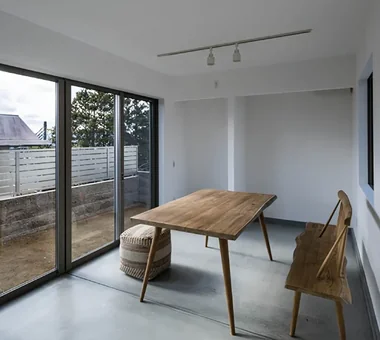 Stylish Studios|Key Points for Home Building
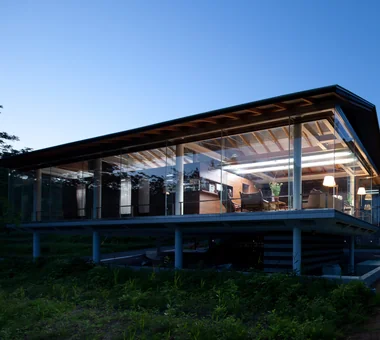 Glass-Enclosed Residences|Introduction to Architecture Firms
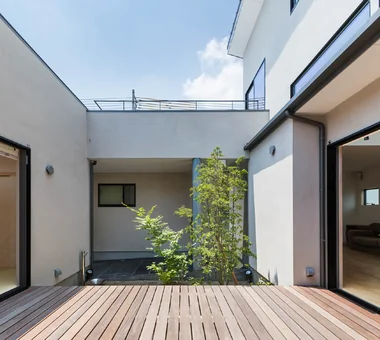 Homes Featuring Courtyards|Key Points for Home Building
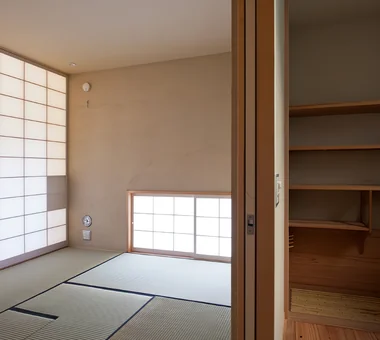 Homes Featuring Traditional Tea Rooms|Key Points for Home Building