Kota Goto Architectural Studio
Solid Wood House|Key Points for Home Building
Author: Qurasuki Editorial Department
In a solid wood home, timber is utilized not just as a structural or finishing material, but in how its texture and color shifts are embraced in daily life. The spatial impression varies by wood species and grain, and the ambiance shifts depending on how extensively wood is applied across floors, ceilings, and furniture. Furthermore, whether you enjoy scratches and color evolution as a cherished patina or strive to maintain a pristine surface dictates your relationship with the material. Factoring in family structure and lifestyle clarifies the true meaning of choosing solid wood. We organize the considerations for solid wood homes based on tactile qualities, aging patinas, furniture harmony, and everyday usage.
Selecting Timber Species and Integrating Solid Wood into Spaces
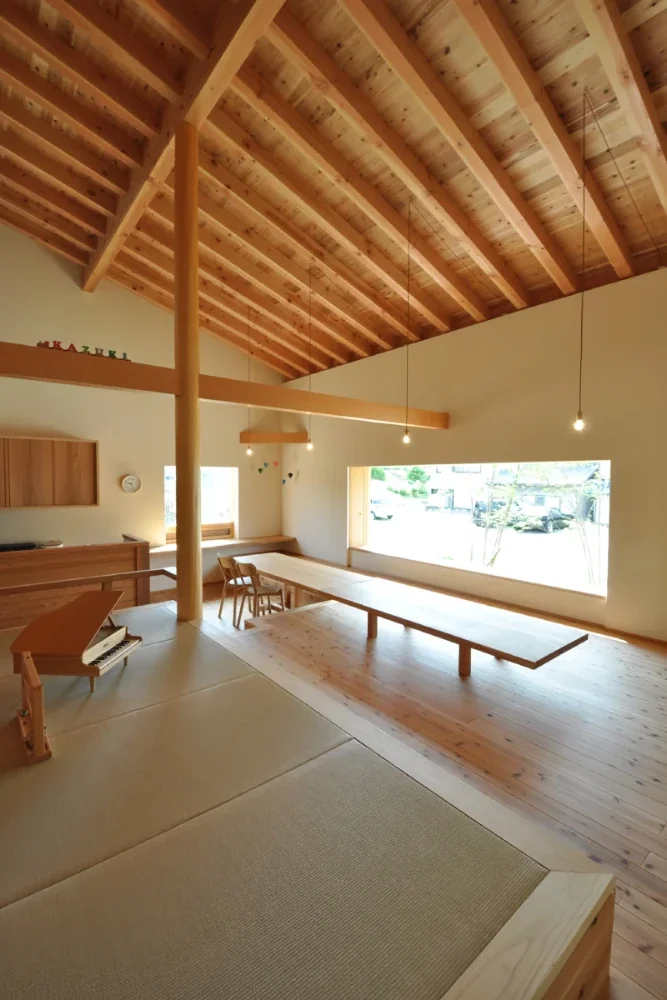
Solid wood refers to lumber cut directly from logs, offering genuine wood grain and tactile warmth. Species vary in color, grain, and hardness: cedar and cypress create light, airy moods, whereas oak and walnut yield grounded, sophisticated impressions. Selecting species requires balancing room function, scratch resistance, and desired atmosphere.
Evaluating Moisture Content and Quality in Solid Wood
Because solid wood continues to absorb and release moisture post-installation depending on ambient humidity, drying states dictate finishing success. Improper moisture content can lead to warping, splitting, or joint gaps. Selecting properly seasoned timber suited for its intended application and handling it correctly on-site ensures stability.
Moisture-Buffering Properties and Underfoot Comfort of Solid Wood Flooring
Wood naturally absorbs and releases moisture relative to surrounding humidity. Because it resists thermal conduction, it feels less chilling to bare feet than metal or stone. However, thermal comfort underfoot depends on multiple factors, including subfloor construction, room temperature, and insulation levels.
Basics of Solid Wood Maintenance (Oils and Waxes)
Solid wood flooring and furniture retain their surface condition through maintenance regimens tailored to their finish type. For oiled surfaces, re-application follows manufacturer specifications while monitoring wear and dryness. Because maintenance intervals vary by environment and coatings, verifying manufacturer or builder guidelines rather than relying on a rigid "annual rule" is crucial.
Differences and Proper Application of Solid Wood versus Engineered Wood
Solid wood is milled from single logs, whereas engineered wood bonds multiple timber layers into stable panels. Engineered wood offers superior dimensional and structural stability, while solid wood showcases natural grain individuality. Strategically deploying each material across structural framing, flooring, furniture, and joinery optimizes performance.
Lifestyles That Embrace the Patina of Solid Wood
Solid wood develops shifting tones and lustrous patinas over time under the influence of light, air, and daily use. Different species age uniquely, displaying distinct expressions between installation and years later. Enjoying scratches and color shifts as material character allows a home to age gracefully over time.
Understanding and Countering Warping and Gaps in Solid Wood
Because solid wood expands and contracts with shifting temperature and humidity, seasonal gaps or minor cupping can occur in flooring. While eliminating this movement entirely is difficult, selecting properly seasoned materials, executing precise installation, and stabilizing indoor climates are vital measures. Avoiding extreme dryness or dampness helps keep timber stable.
Designing Custom Millwork and Joinery Utilizing Solid Wood
Extending solid wood beyond flooring into custom cabinetry and doors establishes cohesive unity throughout a home. Options range from matching single species across the board to pairing contrasting woods for floors and furniture. Detailing that accommodates wood's natural expansion must be planned from the design phase.
Thermal Performance and Underfoot Comfort of Solid Wood
While wood is a poor thermal conductor, solid flooring alone does not determine a home's overall insulation performance. Underfoot warmth relies on underfloor insulation, room temperatures, and surface temperatures, alongside the flooring material itself. Maximizing solid wood's tactile qualities must go hand in hand with securing robust whole-house insulation.
Embracing Dents and Scratches in Solid Wood Homes
Solid wood flooring and furniture inevitably sustain dents and scratches from daily use. The ability to sand down surface damage or patch localized areas is a major advantage of solid wood. Rather than avoiding damage entirely, embracing the patina built through living deepens emotional attachment to the material.
Perspectives on Timber Origins and Traceability
Selecting solid wood opens opportunities to consider not just species, but also harvest regions, legal harvesting compliance, and forest resource cycles. Specifying domestic or regional timber directly supports local forestry economies. Because environmental impact involves production, processing, and transport combined, a holistic view is essential.
Combining Solid Wood with Plaster and Earthen Finishes
Pairing solid wood with plaster or diatomaceous earth lets users enjoy the contrasting textures of wood, earth, and minerals. Contrasting the warmth of timber with the matte expression of plaster creates grounded interiors. Humidity control must be evaluated across surface areas, substrates, and whole-house ventilation, not just materials alone.
Cost Considerations and Implementation Strategies for Solid Wood
Solid wood prices fluctuate widely based on species, grade, dimensions, and milling methods. While not invariably pricier than engineered flooring, specific selections can elevate costs. Focusing solid wood on high-impact areas like living and dining rooms helps balance the overall budget.
The Importance of Humidity Management in Solid Wood Homes
Because solid wood absorbs and releases moisture relative to ambient humidity, prolonged extremes in dryness or dampness trigger warping or gaps. Relying on continuous mechanical ventilation while supplementing humidification or dehumidification as needed stabilizes indoor conditions. Rather than attempting to suppress wood's natural tendencies, accommodating moderate movement is key.
Solid Wood Planning Anticipating Future Refinishing and Repairs
Solid wood flooring with adequate thickness and appropriate installation can often be resurfaced by sanding away surface wear and stains. Long-term maintenance planning requires verifying board thickness, surface finishes, and installation methods in advance. Factoring in partial repairs and re-sanding alongside full replacement brings long-term security.


 A Home for Living with Antiques|Custom Home Examples by Architectural Offices
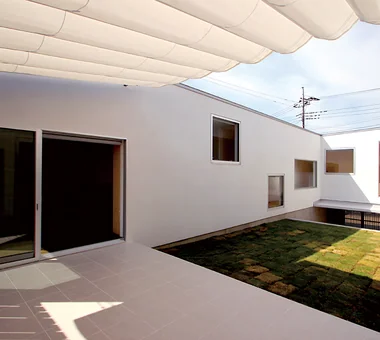 Homes Designed for Living with Dogs|Custom Home Examples by Architectural Offices
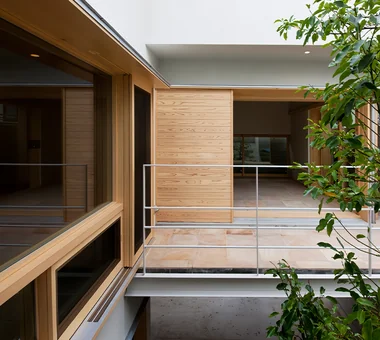 House with Wooden Window Sashes|Custom Home Examples by Architectural Offices
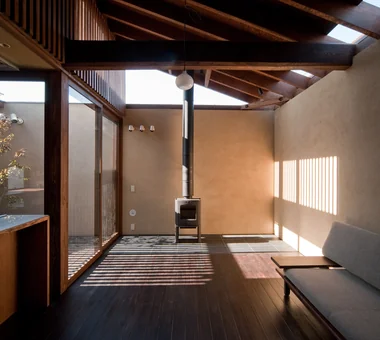 Homes Featuring Wood-Burning Stoves|Introduction to Examples by Floor Plan & Room Type
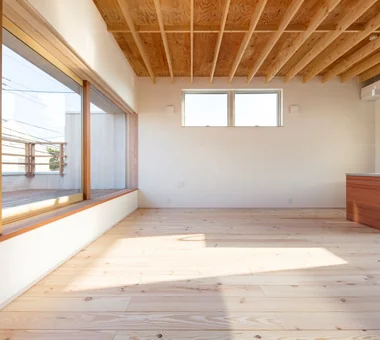 House with Second-Floor Living Room|Introduction to Examples by Floor Plan & Room Type
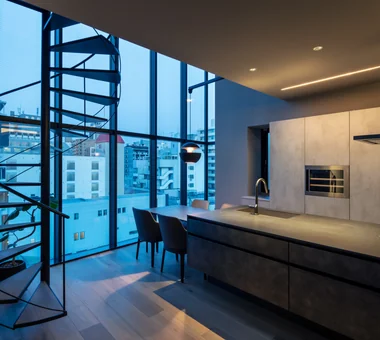 House with a Spiral Staircase|Custom Home Examples by Architectural Offices