Archiplace
Stylish Home Studies|Home Building Q&A
Author: Qurasuki Editorial Department
While studies serve as places to focus on work, reading, or hobbies, the required environment varies greatly depending on the objective. Necessary space and surrounding relationships change depending on whether the space is an office for online meetings, a quiet reading nook, or a hobby space spreading out models and tools. Furthermore, whether the room is completely independent or positioned in a corner of the living room to sense family presence creates differences in ease of concentration and distance from the family. Light from windows, external lines of sight, and sound ingress also affect the quality of time spent in the study. When considering a stylish study, what level of independence is required, and what changes based on purpose, working style, and family structure? We organize the questions that easily arise in study design through Q&A.
When creating a stylish study, how should its placement be considered first?
It is important to plan a study in a location that provides appropriate quietness while still allowing you to feel the presence of family members. Options include not only setting it up as an independent private room, but also carving it out as a gently demarcated corner of a living room or bedroom. Considering elements such as outdoor views and how natural light enters will help make the study a comfortable place.
What methods can be used to design bookshelves and desks in an integrated manner?
Utilizing custom-built furniture spanning the entire wall allows you to create a beautiful, unified design for both bookshelves and desk space. Adjusting the depth and height of the desk to match your work requirements further enhances comfort. Matching materials and color tones imparts a high-quality, cohesive impression to the space.
How should study lighting be planned to look stylish?
It is recommended to combine task lighting, which ensures the brightness necessary for work, with indirect lighting that gently envelops the entire space. Choosing warm lighting helps evoke a calm reading environment or an intellectual atmosphere. Incorporating dimming controls allows you to adjust to comfortable brightness levels depending on the time of day and task.
How should views from a study window be utilized?
Positioning the desk to look out over a garden or greenery through the window allows you to naturally direct your gaze outside during work breaks, refreshing your mind. On the other hand, if high concentration is required, window planning that keeps scenery from overly intruding into your field of view is also effective. Creating a reading space by the window further expands the ways you can enjoy your study.
How should wall materials for a study be chosen to achieve a calm atmosphere?
Incorporating wood, textured wall coverings, or plaster finishes helps evoke a calm, settled space. Choosing deep color tones fosters the sense of dignity and gravitas characteristic of a study. Narrowing down the number of materials and carefully showcasing their textures leads to a sophisticated impression.
How should a study chair and desk be selected?
On the premise of spending long hours there, selecting a chair that firmly supports your body is vital. The desk should be sized according to your work activities, ensuring sufficient depth for comfortable use. It is also important to choose designs that harmonize not only in functionality, but also with the room's atmosphere.
What design techniques can be used to display collections in a study?
Installing display shelving or niches allows you to beautifully showcase books, art, and small objects. Combining spotlights or indirect lighting further accentuating the charm of your collection. Maintaining layouts conscious of negative space evokes the atmosphere of an upscale gallery.
How can a heavy, dignified color palette be incorporated into a study?
Incorporating deep colors such as navy, dark green, or brown creates a space characterized by tranquility and dignity. Combining these with the natural texture of wood produces an even richer expression. The key is not to make the overall space too dark, but to add brighter colors as accents.
What acoustic considerations are necessary to maintain quietness in a study?
In addition to locating the study slightly away from high-traffic living circulation paths, adopting high-sound-insulation walls and joinery helps secure a quiet environment. Choosing high-airtightness doors is also effective. If prioritizing an environment where you can concentrate, discussing acoustic planning from the design stage provides peace of mind.
Can scents and atmospheric qualities be incorporated to build the ambiance of a study?
While executing proper ventilation planning, introducing aromas or the scent of natural materials creates an even more comfortable space. The natural scent emitted by solid wood and books themselves is also part of the unique charm of a study. Being mindful of air quality enhances satisfaction with the time spent there.
Is it possible to create a stylish study even in a limited space?
In a study, cozy usability and careful detailing matter far more than sheer size. You can create a fully attractive space by utilizing areas such as under a staircase or a corner of a bedroom. Incorporating a custom-built desk and wall storage results in a compact yet functional study.
How should visible storage and concealed storage be balanced for bookshelves in a study?
Organizing favorite books and high-artistry items in open shelving, while keeping documents and daily necessities in storage equipped with doors, helps maintain an orderly impression. Adopting adjustable shelving also provides flexible accommodation for changing book collection volumes. Properly differentiating storage based on purpose is the key to creating a beautiful study.
How should flooring for a study be chosen to match its atmosphere?
Solid wood flooring features the warmth characteristic of natural materials and pairs exceptionally well with a study. Introducing a rug can enhance underfoot comfort while adding an accent to the space. When using rolling office chair casters, considering protective measures for the floor is also recommended.
How can digital devices be harmonized with the traditional, analog atmosphere of a study?
When using computers or monitors, adopting custom cabinetry capable of concealing wiring helps maintain a clean, uncluttered impression. Aligning the color tones and material textures of the devices with the overall space allows them to blend in without feeling out of place. Planning power supplies and communication infrastructure in advance is also essential.
What should be communicated early in the design stage when creating a stylish study?
It is important to specifically communicate how you plan to spend time in the study, such as whether it will be a space for reading or a place to concentrate on work and hobbies. Sharing preferred interior design tastes and reference examples makes it easier to reflect your ideal image in the design. Mentioning your book collection volume, storage requirements, and commitment to quietness will also contribute to creating a highly satisfying study.



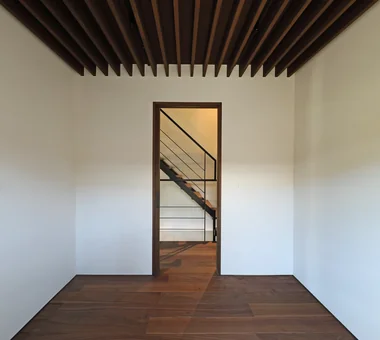

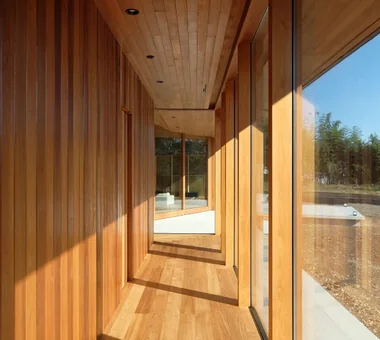 Stylish Hallways|Key Points for Home Building
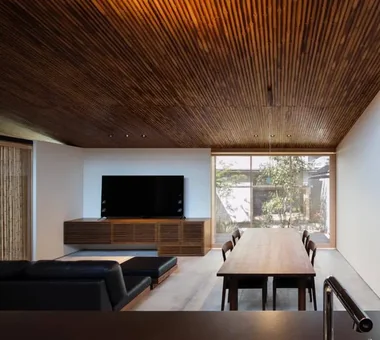 Homes Featuring Courtyards|Introduction to Examples by Floor Plan & Room Type
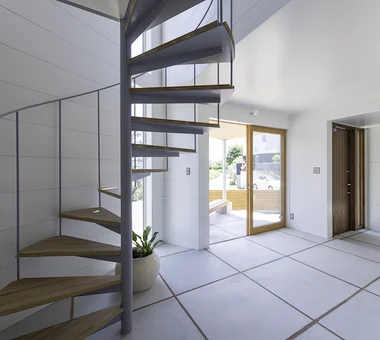 House with a Spiral Staircase|Introduction to Architecture Firms
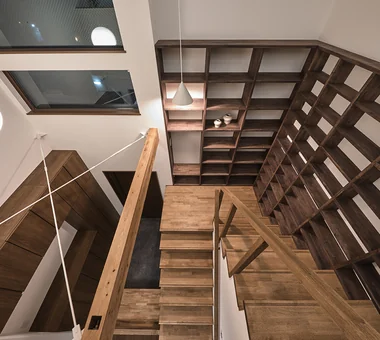 A House to Live with Books|Introduction to Examples by Floor Plan & Room Type
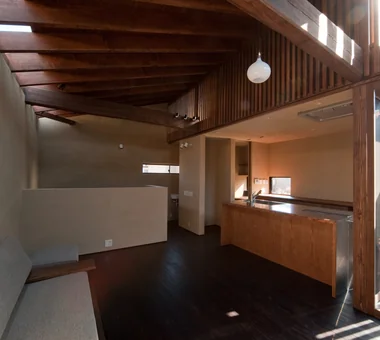 A Home for the Joy of Cooking|Custom Home Examples by Architectural Offices
 Homes with Scenic Views|Key Points for Home Building