KASA ARCHITECTS
Stylish Washrooms|Key Points for Home Building|Functions and Environmental Design Supporting Daily Comfort
Author: Qurasuki Editorial Department
The washroom, visited multiple times throughout the day during morning preparations and before bedtime, serves as a space that supports the rhythm of daily life. By appropriately planning functional elements such as lighting, mirrors, storage, and ventilation, daily grooming can be performed comfortably, while also enhancing the sense of cleanliness when receiving guests. Especially within limited floor areas, meticulous attention to detail creates everyday comfort.
Ensuring Appropriate Space.
The size of the washroom is determined by the width of the washbasin and the placement of the washing machine. Generally, an area of about 2 tatami mats allows for comfortable use by one person. For larger families or when the space is shared with a dressing room, an area of approximately 2.5 to 3 tatami mats provides additional room. Consider the size with the morning rush hour in mind.
Selection and Dimensions of Washbasins
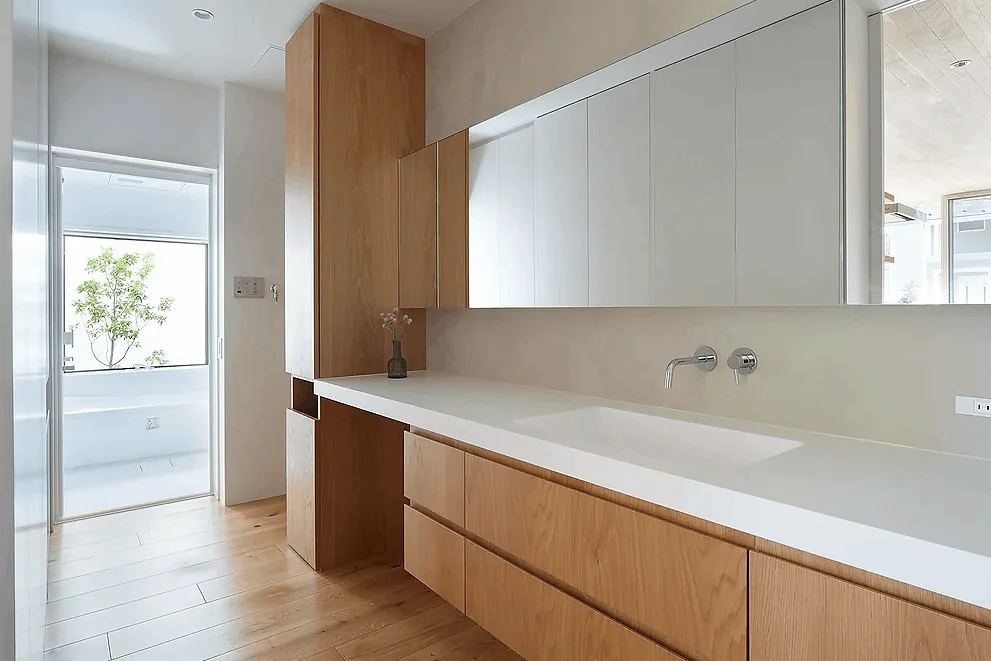
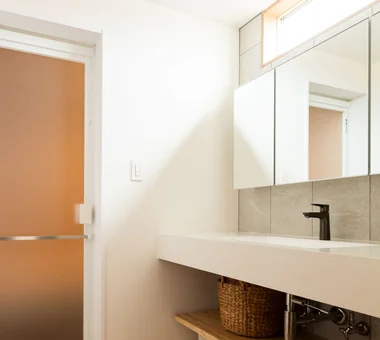
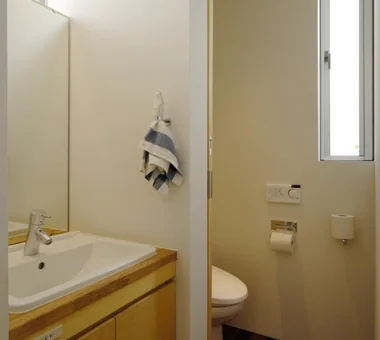
The specifications of a washbasin, including the size and depth of the basin, type of faucet, and countertop height, directly impact its usability. Custom-built washbasins can be tailored to fit the space perfectly and allow for flexible storage design. Even with prefabricated units, there is a wide range of width and height options available, so selections should be made according to the user’s height and intended use.
Enhancement of Storage Planning.
Items used in the washroom, such as towels, detergents, cosmetics, and hairdryers, are diverse. By strategically arranging storage solutions to organize these items, a clean and orderly space can be maintained. There are many opportunities for innovation, including utilizing storage under the washbasin, wall-mounted storage, and a combination of open shelving and enclosed cabinets.
The Relationship Between Lighting Design and Mirrors.
In bathroom lighting design, it is essential to illuminate the face brightly. Arranging light sources not only above the mirror but also on both sides minimizes shadows, facilitating makeup application and shaving. Mirror cabinets with integrated lighting are also functional and popular.
Shared or Separate Dressing Room?
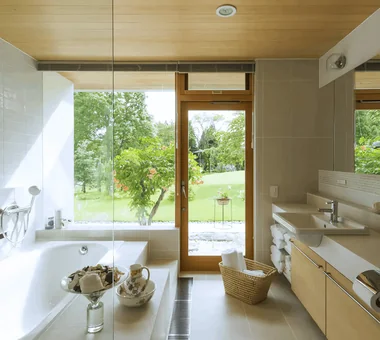
Whether to combine the washroom and dressing room or to separate them depends on the family composition and lifestyle. Separating them allows the washroom to be used even during bathing, which is convenient, but requires more space. In the case of a combined space, it is important to secure space for a laundry basket and changing clothes.
Flooring Materials and Waterproofing.
The washroom is an area prone to water splashes, so it is essential to select flooring materials with waterproof properties. Cushion flooring and tiles are suitable options. Tiles offer a sense of luxury but require maintenance of the grout joints. It is also important to consider slip resistance when choosing materials.
Ventilation Planning and Moisture Control
The washroom is a space prone to moisture accumulation. It is important to incorporate windows to enable natural ventilation and to appropriately position exhaust fans. In particular, for dressing rooms that are combined with bathrooms, sufficient ventilation capacity is essential. Utilizing wall materials with moisture-regulating properties is also effective as a measure against humidity.
Optimization of Circulation Paths.
The washroom serves multiple functions such as washing, changing clothes, and laundry. By thoughtfully arranging the washbasin, washing machine, and bathroom to prevent overlapping circulation paths, the space becomes more user-friendly. Particular attention should be given to the layout planning to accommodate peak usage times, especially during busy mornings.
Washing Machine Area and Surrounding Facilities.
Incorporating shelving above the washing machine and planning storage for detergents and fabric softeners facilitates smoother laundry operations. Additionally, having a work counter adjacent to the washing machine is convenient for sorting and temporarily placing laundry. When indoor drying is anticipated, consider installing a drying rod.
Selection and Maintenance of Wall Materials.
For bathroom walls, it is essential to choose materials that are resistant to water splashes and humidity. Around the washbasin, use water-resistant materials such as tiles or kitchen panels, while other walls can be finished with wallpaper, allowing for selective application. Ease of cleaning should also be taken into consideration.
Design Tailored to Family Composition.
When there are small children, it is effective to allocate space for step stools and install towel racks at heights accessible to children. For households with elderly members, considerations for safety such as the installation of handrails and entrances without steps are essential. Planning should also account for potential future changes.
Consideration for Privacy.
Windows in the washroom are essential for natural lighting and ventilation; however, attention must also be given to preventing external visibility. Privacy can be ensured through the use of frosted glass, patterned glass, or blinds. Additionally, family privacy should be taken into account by carefully considering the placement of doors and the presence or absence of locks.





 A Residence for Relaxation|Introduction to Examples by Floor Plan & Room Type|Incorporating Resort-like Serenity into Everyday Life: A Tranquil Space for Mindful Repose
 Stylish Lofts|Key Points for Home Building|Strategies for Maximizing Space on Limited Sites
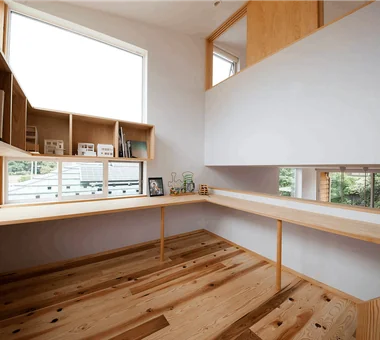 Stylish Home Studies|Key Points for Home Building|Design Strategies for an Environment that Supports Concentration
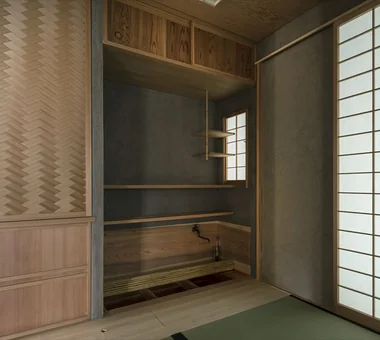 Homes Featuring Traditional Tea Rooms|Introduction to Architecture Firms|Embedding the Extraordinary Within Everyday Life
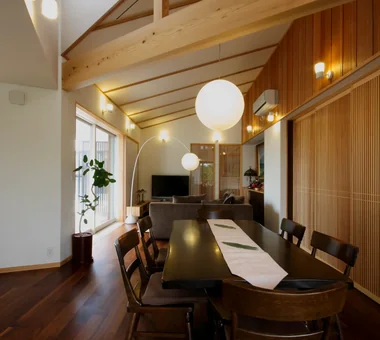 Modern Japanese-Style Residence|Introduction to Architecture Firms|A Home Inheriting Japanese Aesthetic Sensibilities in the Contemporary Era
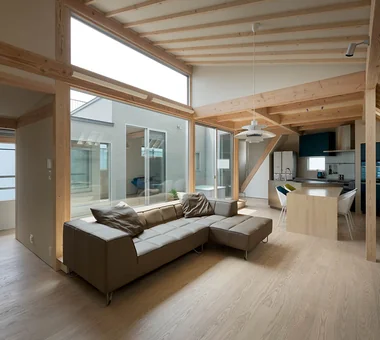 Two-Generation Home|Introduction to Architecture Firms|Balanced Connections Respecting Each Household's Lifestyle