株式会社小木野貴光アトリエ一級建築士事務所
Homes Designed for Living with Pets|Key Points for Home Building
Author: Qurasuki Editorial Department
A home that lives with pets is a residence where people and animals can spend time comfortably in the same space. However, simply thinking about equipment and locations for pets is not enough. The required environment changes depending on the type of animal, such as dogs or cats, as well as their age, personality, and how they interact with the family. Furthermore, focusing too heavily on pets can make balancing human daily life difficult. The key is finding a lifestyle that puts no undue strain on either humans or pets. When planning a pet-friendly home, you need to consider future changes alongside current living conditions. We explain the conditions and concepts to organize so that humans and pets can live together comfortably.
Ingenuity in Selecting Slip-Resistant Flooring to Reduce Joint Strain
In homes living comfortably with pets, floor material selection becomes a vital point. Standard flooring is slippery underpaw and can strain joints when pets run or change direction. Adopting pet-friendly flooring treated with anti-slip processing on the surface or floor materials with non-slip effects mitigates these risks. Selecting scratch-resistant materials that make it easier to keep beautiful floors for a long time is also an appeal. Incorporating rugs or carpets partially also helps improve soundproofing and comfort.
Key Points in Floor Plan Planning Considering Pet Circulation
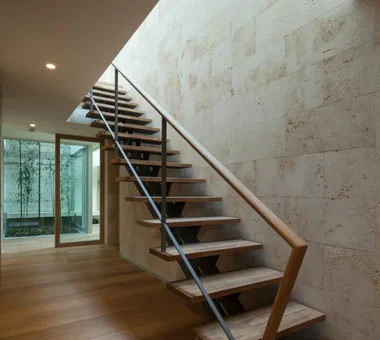
To aim for a home where dogs and cats can live freely, floor plan planning conscious of pet circulation is indispensable. Securing circulation paths moving smoothly from the living room to gardens or balconies makes sunbathing and refreshing easier. Where level differences or stairs are frequent, examining ramps in anticipation of old age provides peace of mind. Moderately separating human living circulation paths makes life comfortable for both family and pets.
Selecting Stain-Resistant Wall and Baseboard Materials
In life with pets, paying attention to the durability of walls and baseboards is desirable. Because scratches and stains easily occur from claw-sharpening or body-rubbing actions, adopting highly durable finish materials up to wainscot height provides peace of mind. Selecting materials wipeable with water simplifies daily upkeep. Providing protective materials at corner sections mitigates stress on both building and pets.
Key Points in Ventilation Planning to Mitigate Odors
In homes living with pets, odor countermeasures are also vital elements dictating comfort. Providing localized ventilation around toilet spaces helps suppress odors from spreading throughout the entire interior. When adopting planned ventilation, designs considering the balance between supply and exhaust are effective. Incorporating interior materials possessing moisture-conditioning and deodorizing functions leads to comfortable indoor environment creation.
Installing Pet Doors and Dedicated Entryways
To establish environments where pets move freely, houses incorporating pet doors are increasing. When installing, planning while considering impacts on insulation and airtightness is important. Considering security aspects and selecting products with locking functions enhances peace of mind. Selecting opening dimensions matching the pet's physique yields a comfortably usable entryway.
Concepts for Pet Playground Design Connecting to Gardens
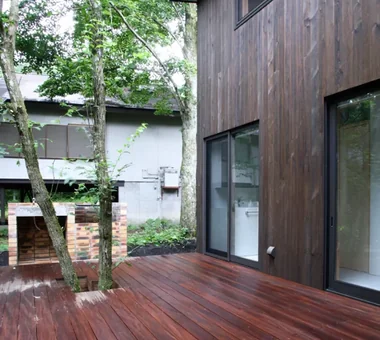
Gardens become precious exercise and refreshment grounds for pets. Planning direct access from the living room to the garden makes outdoor spaces easily utilizable on a daily basis. For fences and gates, considering escape prevention and selecting specs with sufficient height and narrow gaps is crucial. Furthermore, avoiding plants toxic to pets and other safety considerations are indispensable.
Ingenuity in Fixtures and Fences Preventing Accidental Ingestion or Escapes
In life with curious pets, thinking out safety measures from the design stage is crucial. Securing spaces around entrances and stairways where pet gates can be installed provides peace of mind. Adopting hardware equipped with opening-prevention functions for fixtures suppresses sudden escape risks. Grouping small items linked to accidental ingestion into door-enclosed storage and other ways to enhance daily safety are also effective.
Planning Shampoo Spaces for Easy Upkeep
In households performing regular shampoos or brushings, providing dedicated spaces lightens upkeep burdens. Adopting waist-high pet sinks or bathtubs allows work in comfortable postures. Selecting water-resistant tiles or panels for floors and walls and executing appropriate drainage planning is important. Equipping hot water supplies lets you utilize them comfortably year-round.
Planned Placement of Cages and Toilet Spaces
Ideally, cages and toilet spaces should be placed where pets can spend time calmly while feeling the family's presence. Providing dedicated spaces in a corner of the living room secures locations while blending into interiors. Choosing positions around toilets where ventilation is easy and providing nearby spaces to store cleaning supplies is convenient. For multi-pet households, placements considering individual personalities and compatibility are required.
Material Selection Points Accounting for Scratching and Chewing Habits
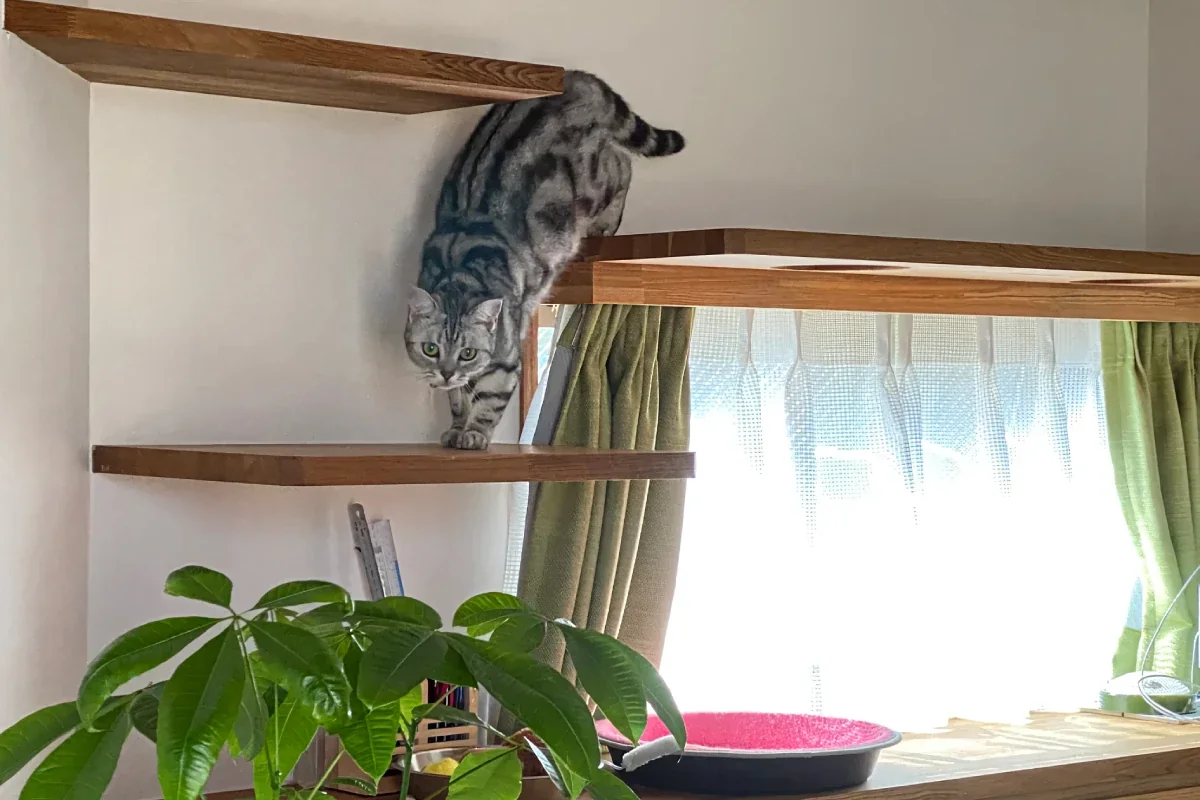
Cat claw-sharpening and dog chewing habits can cause damage to homes. Pre-arranging claw-sharpening spaces or cat walks helps mitigate damage to furniture and walls. Adopting materials where scratches are inconspicuous for fixtures and choosing easily replaceable building components are also effective methods. Ingenuity preventing exposed wiring leads to enhanced safety.
Ventilation and Insulation Planning as Heatstroke Countermeasures for Pets
To set up indoor environments where pets spend time comfortably, consideration of insulation and ventilation is indispensable. Highly insulated homes moderate room temperature shifts, making it easier to lighten summer or winter stress. Crafting window placements to create natural wind flows helps maintain comfortable air environments. Installing eaves or shades in locations with strong sunlight is also an effective solar countermeasure.
Partition Ingenuity to Isolate Pets During Visits
Securing places where pets can spend time calmly during guest visits establishes environments offering peace of mind to both parties. Providing private rooms utilizing sliding doors or pet gates allows usage as temporary isolation spaces. Co-locating water stations and rest spaces lets them spend time comfortably even over long durations. Considering soundproofing also leads to reduced stress during visits.
Key Points in Storage and Circulation Planning Corresponding to Multi-Pet Households
In multi-pet homes, organizing pet supply storage and living circulation is vital. Providing dedicated storage to collectively store food and care supplies simplifies daily management. Planning circulation paths and resting locations so pets maintain moderate distances from each other also links to stress reduction. Anticipating future changes, we want to hearten generous spatial planning.
Living Room Placement Concepts Enabling Pet Monitoring
Being able to spend time securely while feeling family presence is one vital living environment for pets. Providing pet spaces in highly visible living room positions establishes environments where monitoring happens naturally. Configurations where sightlines reach from the kitchen allow checking conditions while doing chores. Providing comfortable resting places by windows makes spaces even more comfortable.
Barrier-Free Planning Prepared for Future Pet Aging
Pets also experience various changes in movement and life as they age. Reducing level differences or adopting slip-resistant floor materials with the future in mind makes mitigating old-age burdens easier. Leaving room to install ramps later is also effective. Floor plans completing life centering on the first floor lead to homes offering peace of mind for both pets and owners.