Mitsuhiro Kojima Architects
Vacation Home for Special Moments|Home Building Q&A
Author: Qurasuki Editorial Department
In a vacation home dedicated to spending special moments, unlike a residence that supports daily life, the nature of the time spent there heavily dictates the home's design. While some prioritize spending quiet time in nature, others center their focus on gatherings with family and friends. Surroundings differ depending on the location—such as the ocean, mountains, or highlands—and views, climate, and accessibility also influence the lifestyle. Furthermore, whether the home is used year-round or primarily during specific seasons and weekends alters the required scale and approach to maintenance. We organize common questions that arise when building a vacation home, including what is sought as a retreat from daily life, and how differences emerge based on the number of occupants, frequency of stay, and site conditions.
What should be considered first when building a vacation home?
When planning a vacation home, the most important step is to clarify "what kind of time you want to spend there." The required facilities and maintenance strategies vary greatly depending on whether you plan to visit every weekend or only during extended holidays. Envisioning specific usage scenarios—such as whether it is a place for family bonding or a base for hosting friends—serves as the starting point for creating an ideal retreat.
Are there any points to watch out for when selecting a site for a vacation home?
Beyond scenic beauty, it is crucial to comprehensively review climatic conditions, accessibility, and disaster risks. In regions prone to heavy snowfall, strong winds, or high humidity, these factors impact building specifications and maintenance. Considering travel time from your primary residence, the surrounding living environment, and emergency response systems will also ensure long-term comfort.
What kind of security measures are available for periods of absence?
For vacation homes frequently left unattended for long periods, the adoption of security cameras, sensor lights, and remote monitoring systems is commonly considered. In addition, arranging regular patrol services by property management companies and community watch systems helps elevate security. Physical countermeasures like security glass and auxiliary locks provide extra peace of mind.
What kind of maintenance is unique to vacation homes?
Because vacation homes tend to have long vacant periods, humidity control and ventilation planning are critical. In cold regions, measures to prevent frozen water pipes and winterizing procedures may also be necessary. Furthermore, planning ahead with routine upkeep in mind—such as removing fallen leaves and managing garden trees—helps minimize building deterioration.
How should building materials for a vacation home be selected?
For vacation homes, materials that harmonize with the natural environment and allow the beauty of aging to be enjoyed tend to be favored. On the other hand, depending on location conditions such as coastal or highland areas, consideration for salt damage, ultraviolet rays, and moisture is indispensable. Selecting materials based on durability and ease of maintenance, alongside design, is essential.
What points require attention when installing a wood stove or fireplace?
Wood stoves and fireplaces are popular features that create the rich, leisurely atmosphere unique to a vacation home. However, safe combustion requires careful chimney and ventilation planning. Considering firewood storage and ash disposal methods in advance also makes usage much more comfortable.
How should measures against frozen water pipes be handled in cold-climate vacation homes?
In cold regions, countermeasures to prevent freezing and bursting of water supply and drainage pipes are indispensable. Installing water-drainage systems and freeze-prevention heaters is standard, and establishing management protocols during periods of absence beforehand is important. Since climatic conditions vary by region, consulting closely with the construction company to choose appropriate measures is recommended.
How can management for a distant vacation home be arranged?
For vacation homes located far away, outsourcing maintenance to a management company is common. Requesting regular ventilation, cleaning, garden upkeep, and equipment inspections helps keep the building in optimal condition. Because service contents and fees vary by region and provider, comparing options in advance is crucial.
How does the concept of floor layout differ between a primary residence and a vacation home?
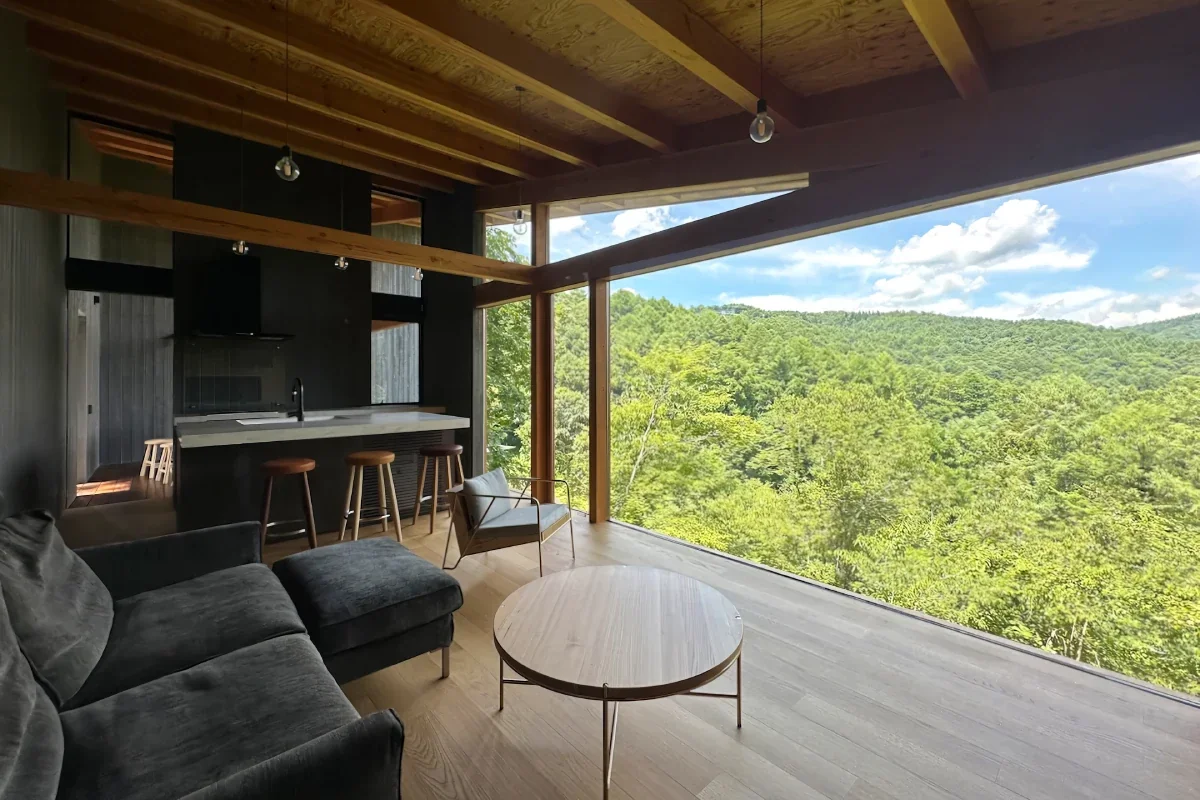
While a primary residence supports daily living, vacation homes are often planned with a heavy emphasis on relaxation and enjoying the scenery. Consequently, spatial configurations that incorporate large openings, terraces, and double-height ceilings to foster a connection with nature are frequently adopted.
What kind of design is suitable for a vacation home that welcomes guests?
When there are frequent opportunities to invite guests, planning independent guest rooms and adequate plumbing facilities is effective. Zoning that maintains the living and dining areas as a central hub while allowing visitors to maintain appropriate privacy makes it easy to create a comfortable stay environment.
What kinds of architectural regulations exist specifically for resort areas?
In vacation and resort areas, unique rules aimed at landscape preservation are sometimes established. Restrictions on building heights, exterior wall colors, and roof shapes may apply, and guidelines set by property management associations are also common. Checking these before planning is critical.
How should the asset value and future utilization of a vacation home be evaluated?
A vacation home's asset value is largely influenced by its location, scenery, accessibility, and structural condition. When keeping future sales or rental utilization in mind, verifying regional demand and legal regulations is desirable. Planning with a long-term perspective alongside the initial purpose of use is important.
How should the communication environment be set up when working remotely from a vacation home?
When utilizing the home as a base for workation or dual-location living, securing a stable communication environment is indispensable. Since optical fiber lines may not be available depending on the region, checking the status of communication infrastructure in advance is vital. Plans incorporating workspaces where one can work while enjoying the scenery are also on the rise.
Do utility and maintenance costs still apply to vacation homes with low usage frequency?
Regardless of usage frequency, vacation homes continuously incur maintenance expenses such as fixed asset taxes, basic utility fees, and management fees. Furthermore, regular building and equipment inspections as well as garden maintenance are required, making it crucial to plan for future upkeep costs alongside construction expenses.
How should a vacation home design and construction company be chosen?
It is important to select designers and builders well-versed in the climate and topography unique to resort areas. Checking whether they have a proven track record of handling regional conditions such as snowfall, strong winds, and high humidity provides reassurance. In addition, confirming post-completion maintenance and emergency response systems beforehand is advisable.


 House with a Custom Vanity|Custom Home Examples by Architectural Offices
 Stylish Courtyards|Home Building Q&A
 Homes Designed for Living with Cats|Introduction to Architecture Firms
 Homes with Scenic Views|Key Points for Home Building
 House with Circular Flow Layout|Introduction to Examples by Floor Plan & Room Type
 Homes Embracing Natural Light|Key Points for Home Building