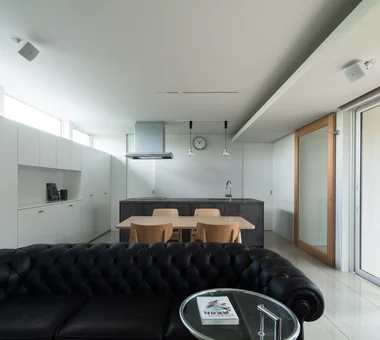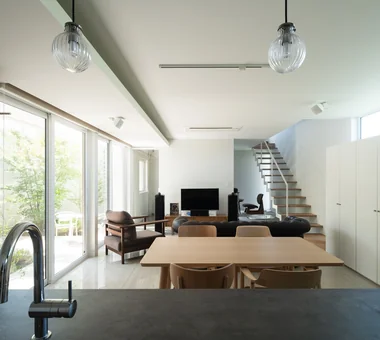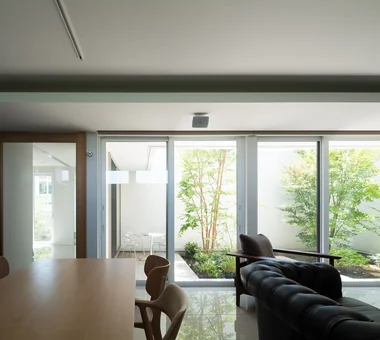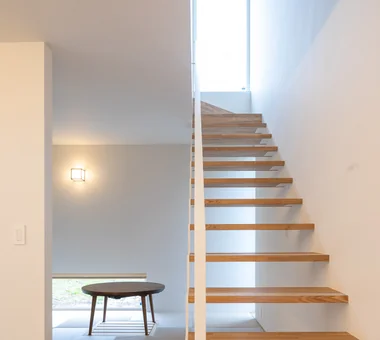
Tada Architectural Design Office
Forever Home|Custom-built homes by architecture firms4Picks|Housing for Enriching the Later Stages of Life
Author: Qurasuki Editorial Department
The essence of designing a “final residence” is to carefully plan homes that allow people to continue living safely and true to themselves in the later stages of life. This requires a design perspective that balances comfort and safety: flat, step-free circulation; corridor and opening widths that accommodate wheelchairs and walking aids; wall substrate reinforcement to anticipate future handrail installation; safe fittings and layouts for bathrooms and toilets; and flexible floor plans that can adapt to changing needs over time. Equally important are the tactile warmth of durable materials, an abundance of natural light, and beautiful interiors that surround residents with objects they love. The architectural practice carefully calibrates both functional measures and aesthetic qualities to propose homes that support a rich and secure later life.

Improving a Familiar Home for Greater Comfort | House to Cherish
Yoshihiro Yamamoto Architects Associates
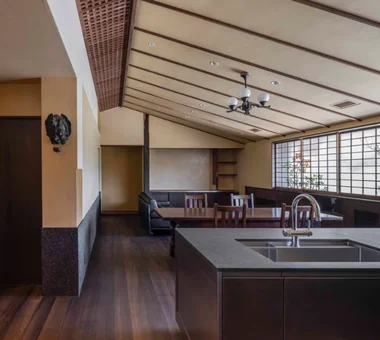
This project is a renovation of an approximately 40-year-old sukiya-style residence located in northern Nara City. The retrofit included seismic strengthening and upgraded thermal insulation; the attic space was utilized to create a bright, open living room. The traditional tatami room was reconfigured as a tea room, and ample, purpose-specific storage was provided. While preserving the existing design language, the intervention establishes an environment for the enjoyment of fine art, antiques, and the garden, revitalizing the dwelling to ensure comfortable living into the future.
-
Improving a familiar home for greater comfort
Yoshihiro Yamamoto Architects Associates302, Zeniya Honpo Main Building, 14-6 Ishigatsujichō, Tennōji-ku, Osaka -
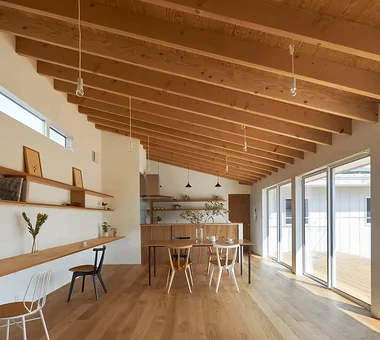
A split-level living room with a mezzanine void created by utilizing previously dead attic space.

Yoshihiro Yamamoto Architects Associates302, Zeniya Honpo Main Building, 14-6 Ishigatsujichō, Tennōji-ku, Osaka -
Reception room with piano. Flooring is oak (nara) hardwood.
Yoshihiro Yamamoto Architects Associates302, Zeniya Honpo Main Building, 14-6 Ishigatsujichō, Tennōji-ku, Osaka -
Existing chairs were reupholstered to match the custom-built bench.
Yoshihiro Yamamoto Architects Associates302, Zeniya Honpo Main Building, 14-6 Ishigatsujichō, Tennōji-ku, Osaka -
The entrance sliding door was replaced with paired musō-style windows, creating an east–west cross-breeze through the house.
Yoshihiro Yamamoto Architects Associates302, Zeniya Honpo Main Building, 14-6 Ishigatsujichō, Tennōji-ku, Osaka -
A study corner with a flowing, circuitous layout, located in one corner of the living room.
Yoshihiro Yamamoto Architects Associates302, Zeniya Honpo Main Building, 14-6 Ishigatsujichō, Tennōji-ku, Osaka
Residence Featuring an Indoor-Integrated Terrace
Archiplace
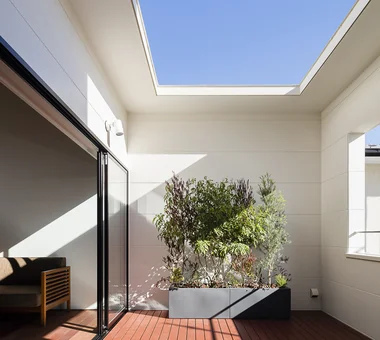
This residence serves as the couple’s final home after childrearing, designed for them to cherish everyday living. The second floor, which forms the core of daily life, arranges the living and dining spaces around a southeast-facing terrace. The terrace, enclosed by roof and walls, functions as a semi-outdoor space that shields views from the outside while allowing occupants to remain close to nature. A music room on the first floor gives rise to changes in floor level, a double-height void, and an observation terrace, which together introduce spatial diversity and continuity in this three-story timber-framed house.
-
View of the third-floor bedroom from the staircase, which allows visibility of the living area during ascent and descent
Archiplace502 Palm House Hatsudai, 1-20-2 Honmachi, Shibuya-ku, Tokyo -
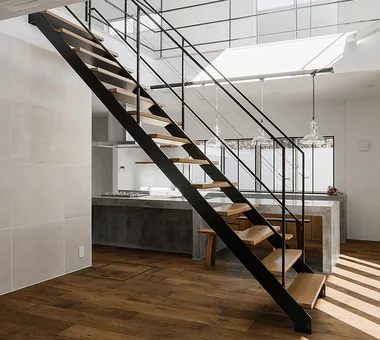
Combination of a steel-hung skeletal staircase and box stairs, pursuing simplicity in detailing
Archiplace502 Palm House Hatsudai, 1-20-2 Honmachi, Shibuya-ku, Tokyo -
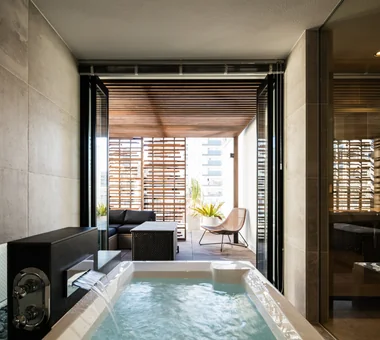
Terrace accessible from the living room without level changes and positioned at an ideal height when seated from the dining area
Archiplace502 Palm House Hatsudai, 1-20-2 Honmachi, Shibuya-ku, Tokyo -
-
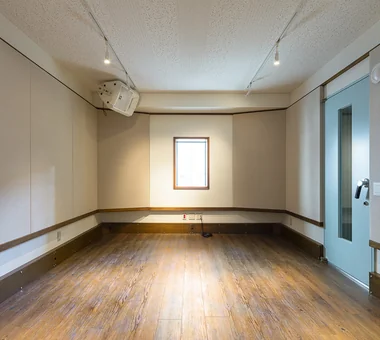
Fully sound-isolated music room featuring double-glazed windows and entrance doors overlooking the garden
Archiplace502 Palm House Hatsudai, 1-20-2 Honmachi, Shibuya-ku, Tokyo -
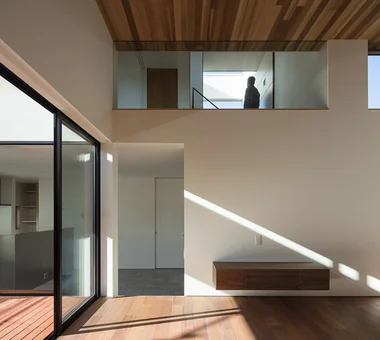
Living room with lofty ceilings clad in red cedar boards, featuring a third-floor terrace above and high windows for natural ventilation
Archiplace502 Palm House Hatsudai, 1-20-2 Honmachi, Shibuya-ku, Tokyo
House in Tateyama
Tada Architectural Design Office
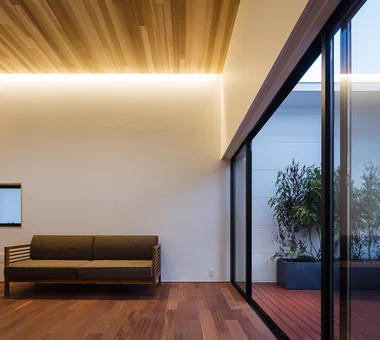
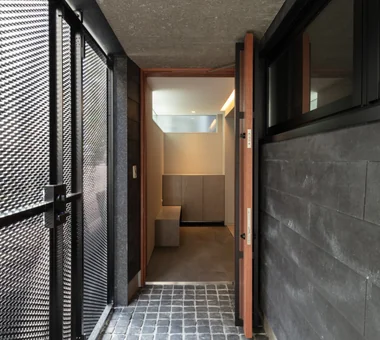
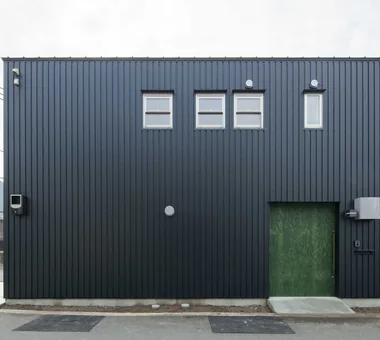
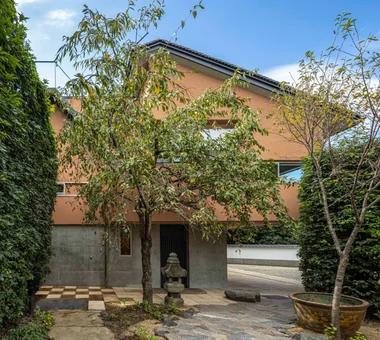
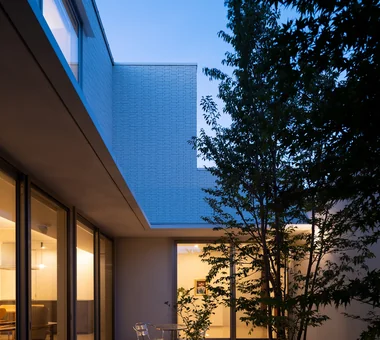
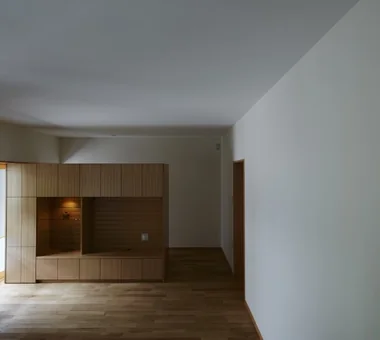
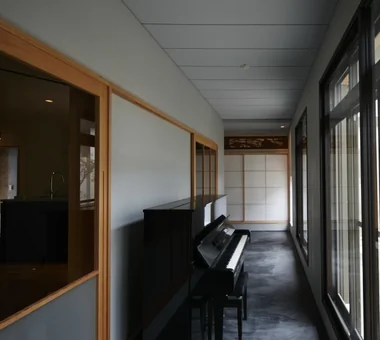
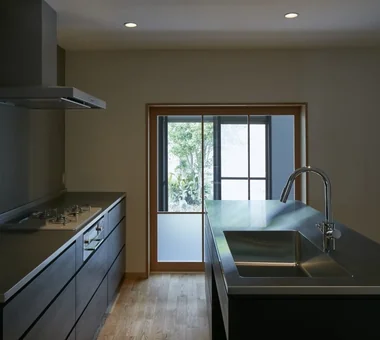
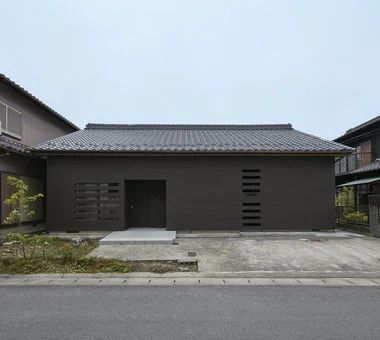
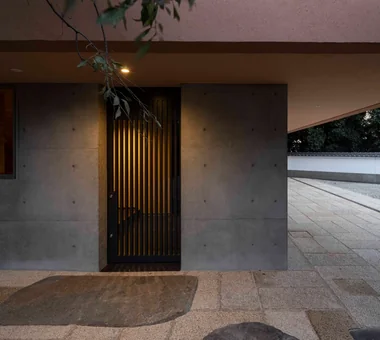
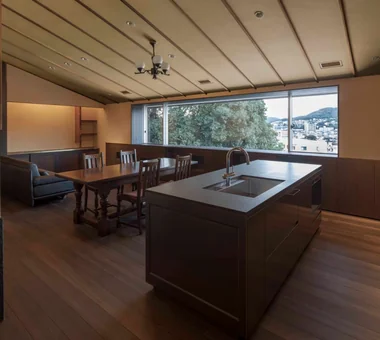
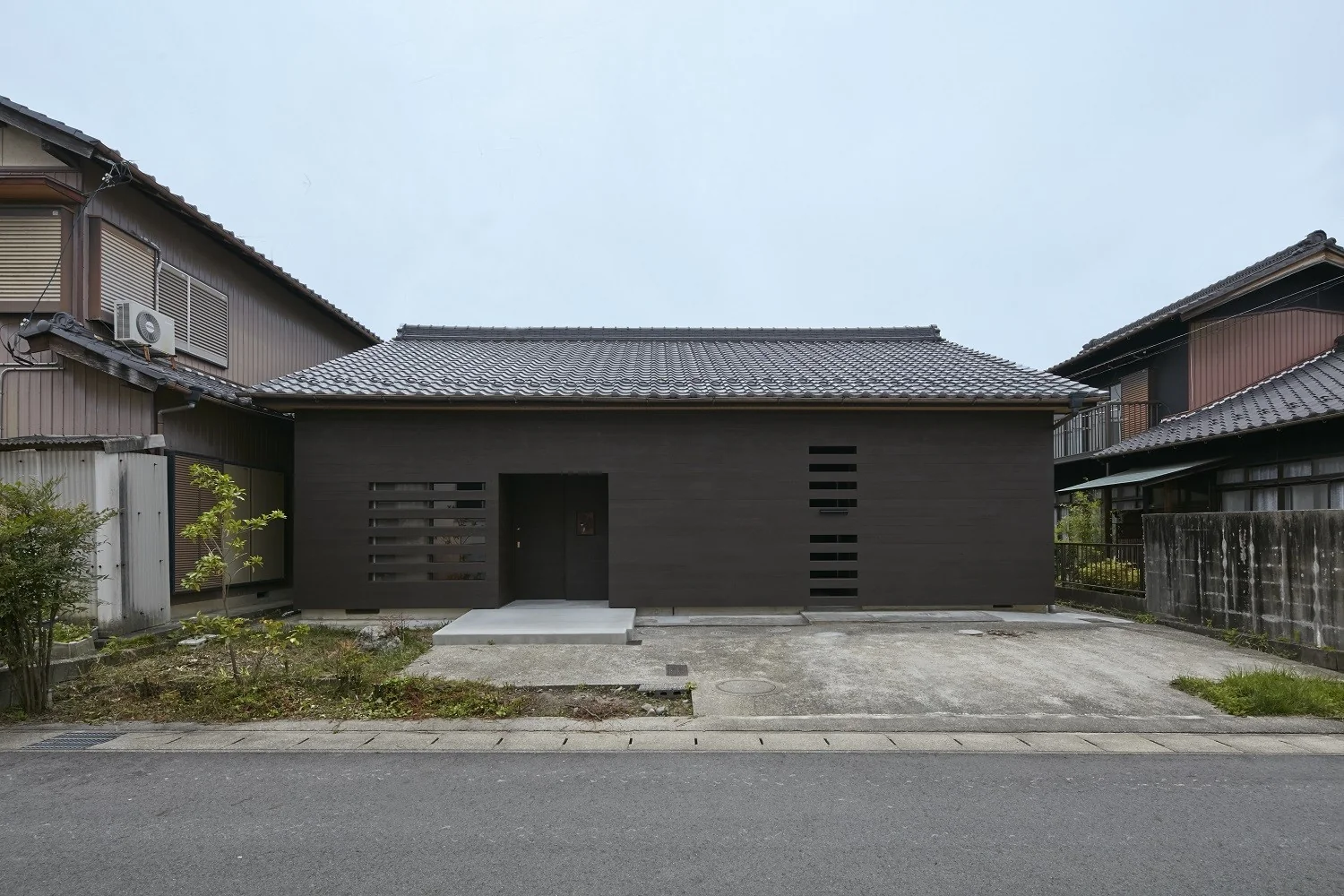
This residence is situated within a Quasi‑National Park in Tateyama City, Chiba Prefecture. It is broadly open toward the seaward northeast while the southwest elevation is intentionally kept as closed as possible. The entry contains an enlarged earthen‑floored mudroom to accommodate fishing activities, and the living room opens onto a deep, eaves‑protected veranda (nure‑en). A diagonal roof framework, featuring a ridge beam that rises toward the south, is articulated within the interior, and the exterior cladding—primarily timber—is detailed with measures to mitigate salt corrosion.
-
-
-
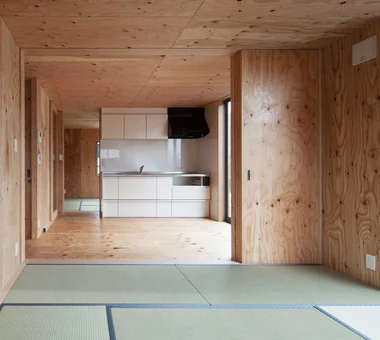
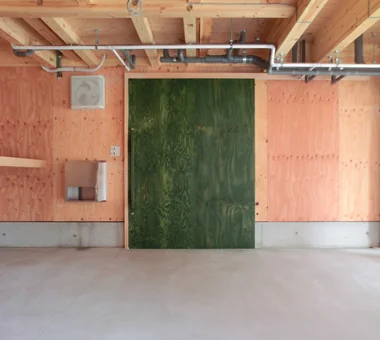
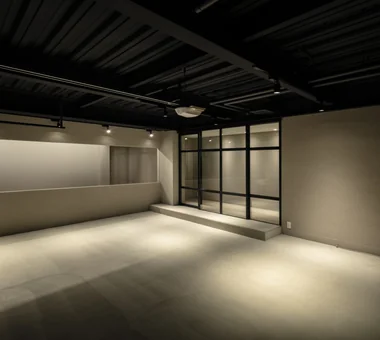
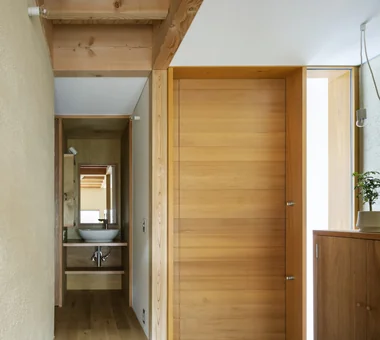
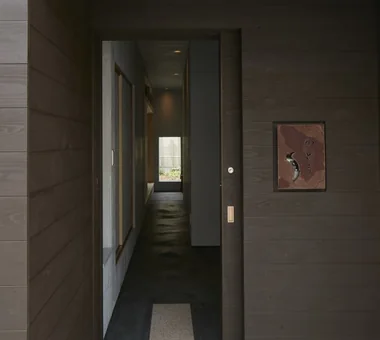
The entrance doma is generously sized to accommodate fishing equipment and features operable partitions enabling multifunctional use.
Tada Architectural Design Office5-1-3-607 Shonandai, Fujisawa City, Kanagawa Prefecture -
-
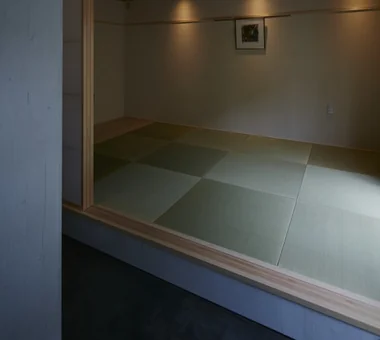
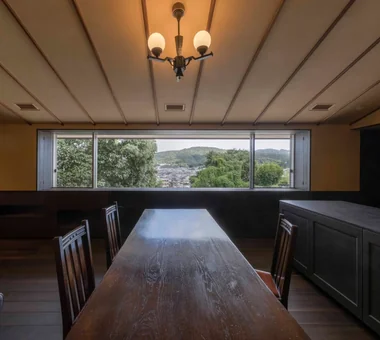
A sanctuary to forget the busyness of daily life, offering tranquil moments for the couple and a place to enjoy gatherings with friends.
Tada Architectural Design Office5-1-3-607 Shonandai, Fujisawa City, Kanagawa Prefecture -
House Behind the School Building
an Archi-Lab. First-Class Architect Office
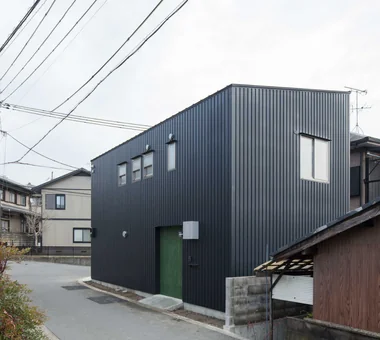
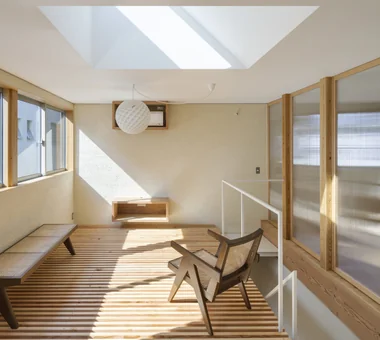
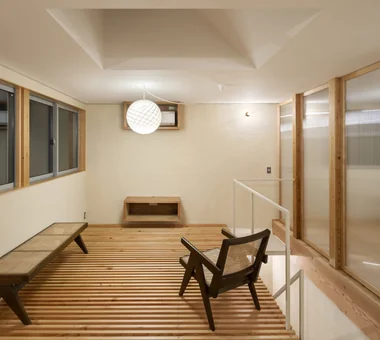
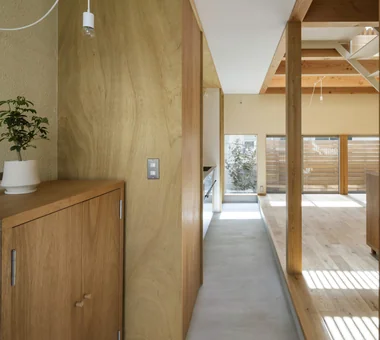
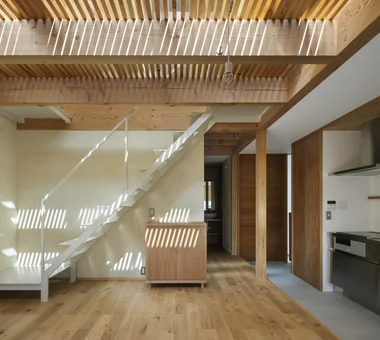
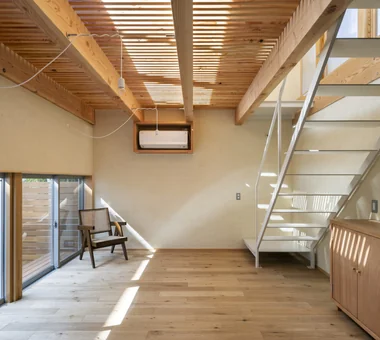
A compact lot with a 6.5 m frontage and 9.5 m depth, totaling 19 tsubo (approximately 63 m²). The site faces a 4.0 m‑wide road to the north, is flanked by neighboring houses to the east and west, and is tightly bordered to the south by a three‑storey school building. In response to the client's request for a 'bright house', the design provides a sheltered veranda and a small garden margin on the south side, and links interior and exterior with a low, tea‑house‑like crawl‑in opening. A small forecourt and an earthen‑floored doma in front of the entrance establish a route from the alley to the courtyard, and the entrance door is positioned outside the fire‑wall line. Privacy is graduated across four rooms; the second‑floor living room functions as a pool of light, while a louvered, slatted floor conveys daylight and natural ventilation to the lower level.
-
Homes Featuring Wall-Mounted Bookshelves|Key Points for Home Building|Wall Design and Daylighting Strategy for Beautifully Displaying Book Collections2026-05-17|Qurasuki Editorial Department -
Two-Family House|Custom-built homes by architecture firms|A Home Where Two Families Coexist Harmoniously2026-05-11|Qurasuki Editorial Department -
Modern Residences|Case Studies|A Form of High-Quality Living Woven from Materials, Light, and Spatial Composition2025-10-13|Qurasuki Editorial Department -
Stylish Hobby Rooms|Key Points for Home Building|Design Strategies for Dedicated Spaces that Enrich Personal Time2026-03-02|Qurasuki Editorial Department -
Homes Featuring Traditional Tea Rooms|Custom-built homes by architecture firms|A Residence Infused with Japanese Aesthetic Sensibility2026-06-24|Qurasuki Editorial Department -
Glass-Enclosed Residences|Custom-built homes by architecture firms|The Richness of Light and Transparency2026-06-24|Qurasuki Editorial Department