KASA ARCHITECTS
Stylish Living-Dining-Kitchen Space|Key Points for Home Building|Spatial Composition and Planning Tips to Enhance Family Time
Author: Qurasuki Editorial Department
In contemporary spaces where the living room, dining area, and kitchen are integrated, it is ideal to design a layout that maintains the distinct functions of each area while naturally encouraging overlapping family interactions. Subtle design strategies such as ceiling height variations, lighting schemes, and changes in flooring materials support a comfortable and harmonious family relationship.
Clarify the Spatial Zoning.
By gently separating the living, dining, and kitchen areas, each function is enhanced to create a user-friendly space. Visual distinctions through changes in flooring materials, ceiling heights, and furniture arrangement achieve a well-defined LDK (living-dining-kitchen) area while maintaining a sense of spaciousness. The key is to softly divide the zones without completely partitioning them, preserving a sense of unity.
Pursuing Efficiency in Circulation Paths.
It is essential to plan layouts that consider daily movements, such as the serving route from the kitchen to the dining area and the circulation path to the living room. Particularly, streamlining the circulation centered around the kitchen significantly enhances household task efficiency. It is advisable to design the floor plan while concretely envisioning the family's lifestyle patterns.
Creating Spatial Variation Through Ceiling Height.
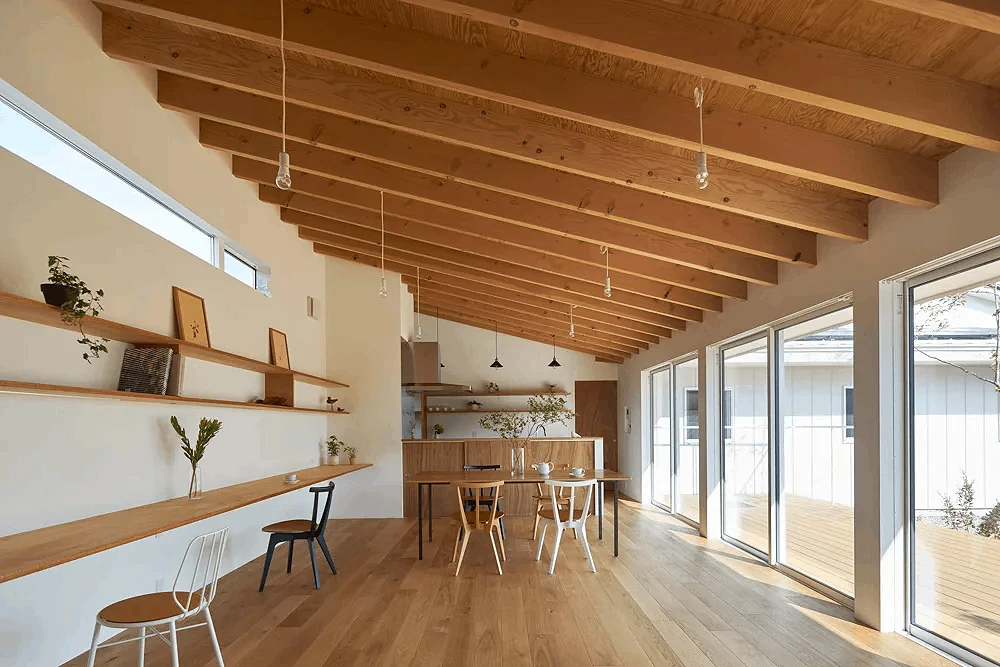
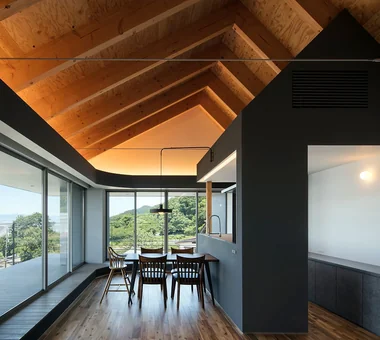
Instead of maintaining a uniform ceiling height throughout the entire living, dining, and kitchen area, varying the height in specific sections introduces character to the space. Raising the ceiling in the living room enhances a sense of openness, while lowering the ceiling in the dining area fosters a more intimate atmosphere. Tailoring ceiling design according to function elevates the overall quality of the space.
Innovative Approaches to Incorporating Natural Light
While the fundamental strategy involves capturing light through large windows, combining them with clerestory windows and skylights can create a more abundant and dynamic lighting environment. Considering the variations in light throughout different times of the day results in a comfortable living, dining, and kitchen area (LDK) all day long. However, it is essential to also plan for solar shading measures during the summer to prevent overheating.
Selection and Differentiation of Flooring Materials.
The texture of flooring materials such as solid wood flooring, tiles, and stone significantly influences the overall impression of a space. Using a uniform material throughout the entire living, dining, and kitchen (LDK) area creates a cohesive look; however, selectively changing materials—such as installing tiles only in the kitchen area—can balance functionality and aesthetic appeal. It is also important to consider maintenance requirements when making your selection.
Enhancing Storage Planning.
In the living room, having storage suitable for daily necessities and remote controls, and in the dining area, storage for tableware and serving utensils, helps maintain a clean and organized space. By designing custom-built furniture from the planning stage, it is possible to achieve beautiful storage solutions that fit perfectly within the space. Balancing between display storage and concealed storage is also essential.
Creating Atmosphere Through Lighting Design.
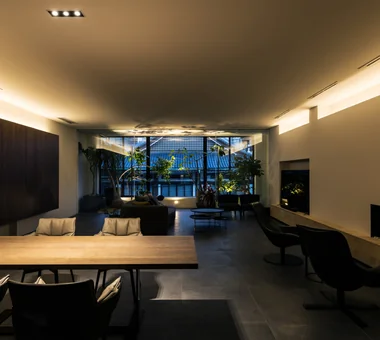
By combining downlights, pendant lights, and indirect lighting, it is possible to create a lighting environment tailored to different scenes. Pendant lights above the dining table also serve as spatial accents. Having dimming and color temperature adjustment functions is convenient, allowing for versatile use according to time of day and purpose.
Design Based on Furniture Layout.
It is essential to plan the locations of electrical outlets, switches, and windows with consideration for the placement of sofas and dining tables. When the furniture is predetermined, spatial design can be tailored to their dimensions. Additionally, anticipating future furniture replacements and ensuring a flexible layout provides reassurance and adaptability.
Be Mindful of Sightlines.
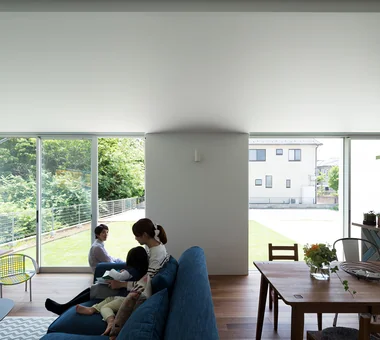
Arranging the layout so that sightlines extend to the far end of the living, dining, and kitchen (LDK) area creates a sense of spaciousness beyond the actual floor area. Designing the kitchen with clear views into the living room and ensuring that exterior views through windows can be enjoyed from multiple vantage points fosters an open and airy atmosphere. However, it is also essential to balance this openness with considerations for privacy.
Creating a Cohesive Finish Material Palette.
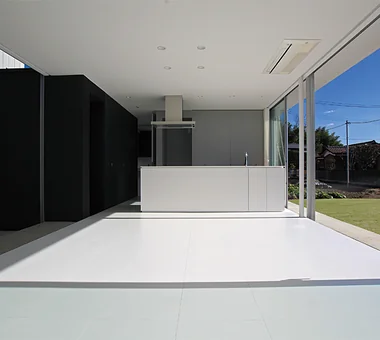
By harmonizing the color tones and textures of the walls, ceiling, and floor, the living, dining, and kitchen area (LDK) achieves a refined and sophisticated atmosphere. One approach is to unify all surfaces in white for a minimalist aesthetic, while another appealing option is to emphasize the warmth of wood as the primary material. Alternatively, incorporating accent colors or textures in select areas can effectively express individuality.
Establishing the Relationship with the Kitchen.
The overall atmosphere of the living, dining, and kitchen (LDK) area varies depending on the kitchen style, such as open-plan kitchens, enclosed kitchens, or island kitchens. If prioritizing communication with family, open-plan or island kitchens are suitable, whereas enclosed kitchens are an option for those who prefer to focus on cooking. Choose a layout that aligns with your lifestyle.
Connection with External Spaces.
By creating continuity between terraces, decks, gardens, and the living-dining-kitchen (LDK) area, a more expansive spatial experience is achieved. Incorporating large openings to foster a sense of integration between interior and exterior, or arranging spaces to face a courtyard, enables a residence that intimately connects with nature. It is also essential to ensure the thermal insulation performance of these openings.






 Homes for Design Enthusiasts|Key Points for Home Building|Realizing an Aesthetic Space through the Integration of Architecture and Interior Design
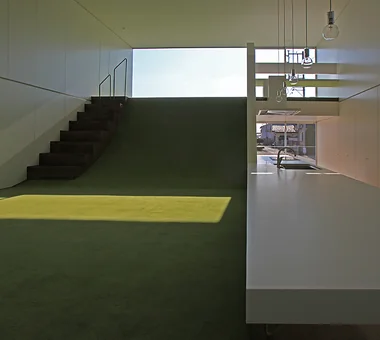 Contemporary Design Residences|Case Studies|Pursuing Functional Beauty and Freedom in Spatial Composition
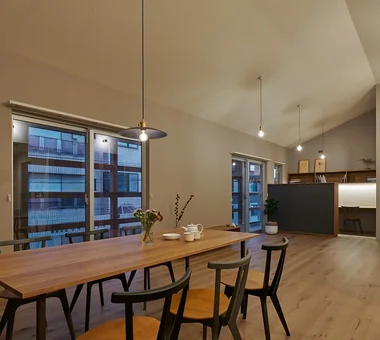 Second-Floor Living|Introduction to Architecture Firms|Open Views, Transformed Living
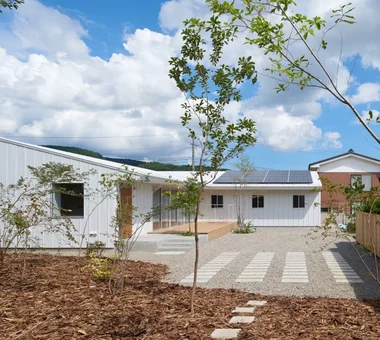 Single-Story Houses|Introduction to Architecture Firms|The richness of a home contained entirely on one level
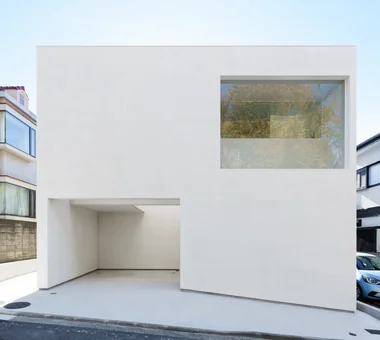 Minimalist Design Residences|Custom-built homes by architecture firms|A Richer Home Through Restraint
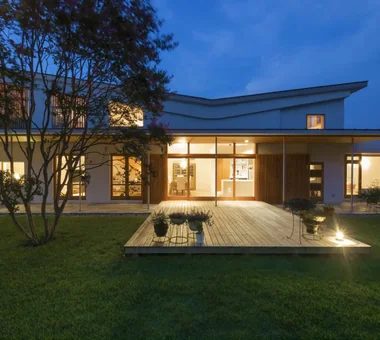 Outdoor Living|Introduction to Architecture Firms|Living Where Interior and Exterior Become One