Mitsuhiro Kojima Architects
House with a Private Dog Run|Home Building Q&A
Author: Qurasuki Editorial Department
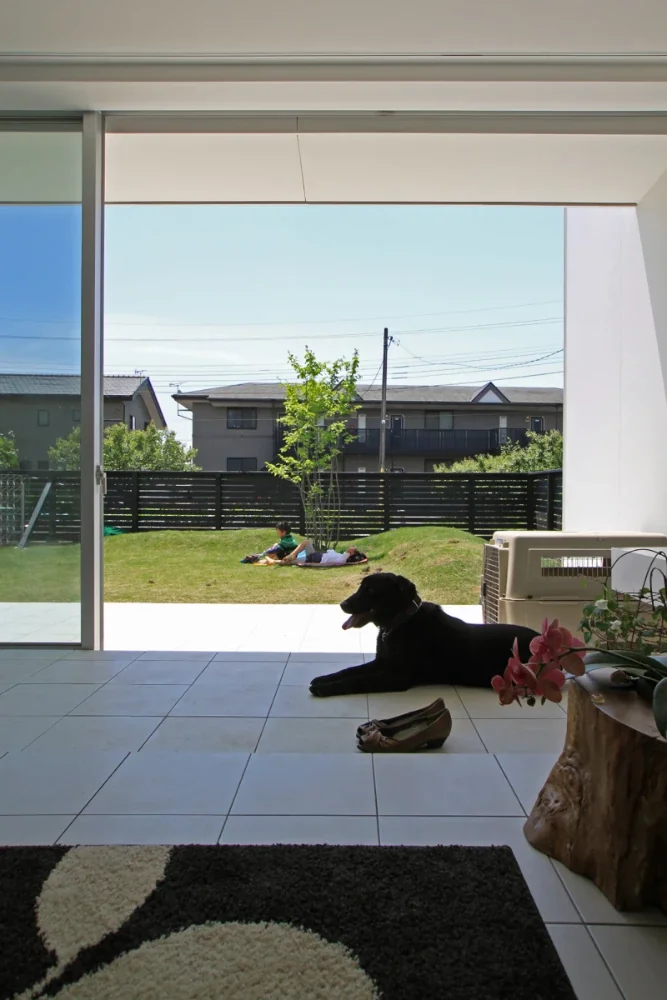
In a home with a dog run, a major discussion point is how to balance an outdoor space where dogs can move freely with a garden where the family spends time. The required size varies with the dog's size, head count, and activity level, while the preferred setup also changes by breed and age. Furthermore, the relationship with the residence shifts depending on whether the garden is dedicated exclusively to the dog or used as a shared space for the family. Conditions distinct from standard gardens also apply, such as distance to roads and neighboring houses, noise and sightlines directed outward, and garden maintenance. Future uses may also change as dogs grow or family structures evolve. For homes with a dog run, we organize questions such as how to link canine and human lifestyles, and what changes based on dog size, head count, site conditions, and surroundings.
What kind of residence is a home with a dog run?
A home with a dog run refers to a residence equipped with a dedicated space within the property where a beloved dog can run around freely. Because you can let them play off-leash while staying at home, it helps reduce daily lack of exercise and stress. In recent years, it has been attracting attention as a residence where you can enjoy time with your cherished dog more richly.
What is the required height for a fence in a dog run?
The required fence height varies depending on the dog breed and athletic ability. Generally, a height that can secure sufficient safety even for small dogs is desirable, and for medium or large dogs with high jumping ability, an even taller fence may be necessary. Furthermore, it is important to pay attention to the fit with the ground so that they cannot slip out through gaps at the bottom of the fence.
What choices are available for flooring materials in a dog run?
There are various choices, including natural turf, artificial turf, wood chips, sand, and permeable paving. Natural turf places less burden on joints and allows you to enjoy a natural texture, whereas artificial turf excels in maintainability. It is important to choose while considering the dog breed, frequency of use, and ease of management.
What points require attention in the drainage planning of a dog run?
It is important to implement appropriate grading and drainage planning so that puddles do not form during rainy weather or cleaning. In locations with poor drainage, the hygienic environment easily deteriorates, which can lead to damage to the turf and ground. Designing with consideration for water flow, alongside the selection of flooring materials, leads to creating a comfortable dog run.
What ingenuity is there for creating shade in a dog run?
Securing shade is indispensable as a heatstroke countermeasure for your beloved dog. Besides installing pergolas or awnings, there is also the method of planting deciduous trees to create natural shade. Especially in summer, ground temperatures rise easily, so it is important to provide a cool place where they can rest.
How should a dog run and the interior be connected?
Arranging a layout with direct access from the living or dining room makes it easier to monitor your dog's condition from indoors. Additionally, co-locating a paw-washing station or dirt-floor space makes it harder to track mud and sand inside. A traffic line plan centered on daily usability is crucial.
What kinds of crime prevention and escape-prevention measures exist for a dog run?
In addition to fence height and strength, attention must be paid to the locking method of entrances and exits. Providing self-closing or locking functions on doors reduces the risk of accidentally leaving them open. Also, for dogs that are adept at digging, planning countermeasures for the bottom of the fence provides added peace of mind.
Are there plants suitable for a dog run?
The baseline is choosing plants that are safe even if ingested by a dog. Conversely, it is desirable to avoid plants considered toxic to dogs and trees with thorns. Because plantings are useful not just for landscape creation, but also as a buffer for shade and lines of sight, considering them alongside the overall garden plan is important.
How much space is required for a dog run?
The required size varies by dog breed and activity level. Small dogs can fully utilize even limited space, whereas medium or large dogs may desire a size that secures running distance. Considering not just area, but also shapes easy to run in and safe traffic lines, is important.
When keeping multiple dogs, how does the planning of a dog run change?
When utilized by multiple dogs, it is important to secure a size where the dogs can pass by each other smoothly and a space where they can rest. If there are differences in physique or temperament, planning a way to temporarily divide areas is another approach. Establishing a safe and comfortable environment for each dog is crucial.
Is a water supply facility necessary in a dog run?
Providing an outdoor water faucet is convenient for paw washing, cleaning, and hydration. Adopting a mixing faucet that can supply warm water also makes care during cold seasons easier. Planning this alongside drainage facilities reduces the burden of daily maintenance.
What kind of lighting is suitable for nighttime use of a dog run?
It is common to provide outdoor lighting that gently illuminates the footing so that the space can be used safely even at night. Selecting rainproof lighting fixtures and appropriately illuminating the range where dogs and people move is important. Planning while also considering light leakage into neighboring residences is recommended.
How should considerations for neighbors, such as barking in a dog run, be handled?
It is important to examine the layout while considering the distance to neighboring houses and the placement of windows. Ingenuity utilizing plantings or fences to soften lines of sight and the transmission of sound is also effective. Furthermore, paying attention to hours of use makes it easier to maintain good relationships with neighbors.
How much maintenance does a dog run require?
The frequency of maintenance varies depending on the flooring material. Natural turf requires mowing and watering, while artificial turf calls for periodic cleaning and brushing. Because waste disposal and hygiene management are also necessary daily, planning with ease of upkeep taken into consideration is important.
What points are good to communicate to a designer when building a home with a dog run?
It is important to communicate specifically not just the dog breed and head count, but also their age, temperament, and activity level. Sharing preferences regarding ease of monitoring from indoors, the presence of a paw-washing station, and how the garden will be used also makes it easier to receive proposals tailored to your lifestyle. Consulting with future shifts in the breeding environment kept in view brings peace of mind.

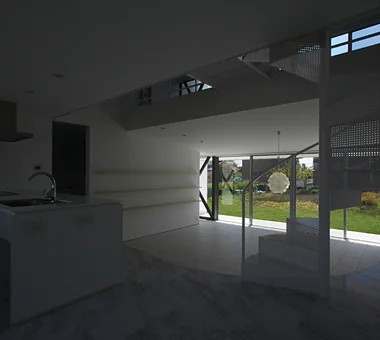

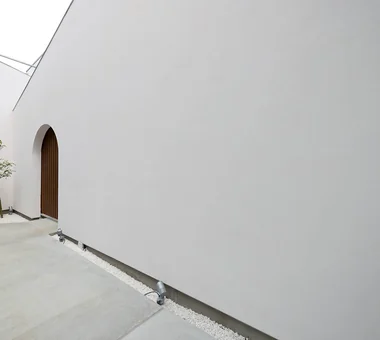

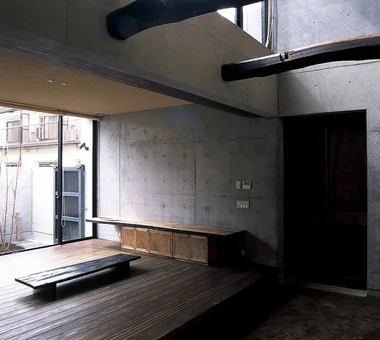 A Home for Living with Antiques|Custom Home Examples by Architectural Offices
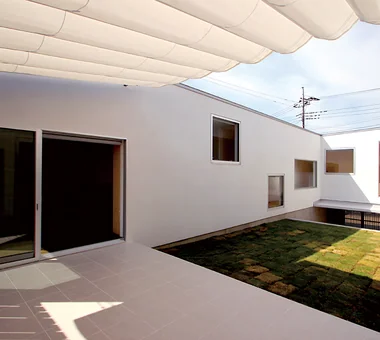 Homes Designed for Living with Dogs|Custom Home Examples by Architectural Offices
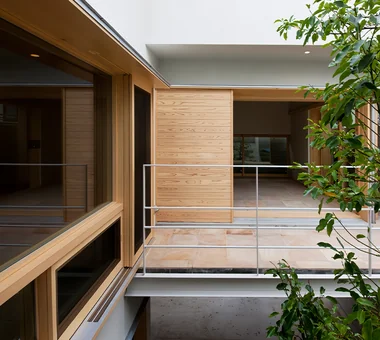 House with Wooden Window Sashes|Custom Home Examples by Architectural Offices
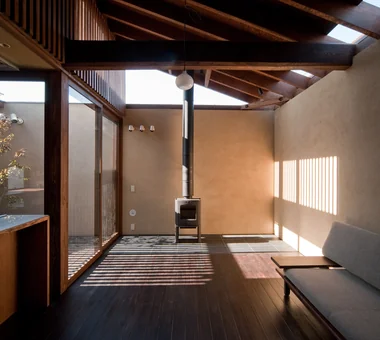 Homes Featuring Wood-Burning Stoves|Introduction to Examples by Floor Plan & Room Type
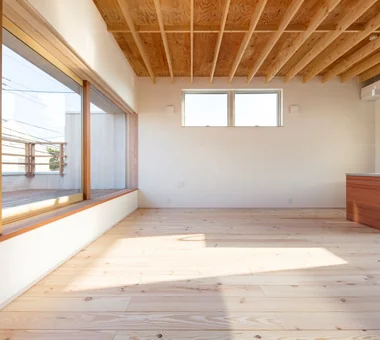 House with Second-Floor Living Room|Introduction to Examples by Floor Plan & Room Type
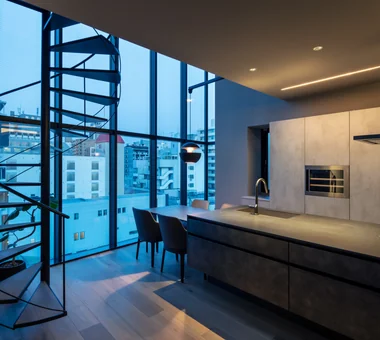 House with a Spiral Staircase|Custom Home Examples by Architectural Offices