KICHI ARCHITECTURAL DESIGN
Stylish Hobby Rooms|Key Points for Home Building|Design Strategies for Dedicated Spaces that Enrich Personal Time
Author: Qurasuki Editorial Department
Spaces dedicated to personal hobbies such as music, painting, and crafts serve as vital sources of mental nourishment in contemporary life. By carefully considering essential conditions for these activities—such as natural lighting, humidity control, and acoustic environment—it is possible to create high-quality experiences within the home. Even with limited budgets and floor areas, prioritizing design elements enables a fulfilling hobby lifestyle.
Space According to the Nature of the Hobby.
The size of a hobby room varies significantly depending on the activities performed. It is advisable to secure ample space by also considering storage for works and tools. When enjoying multiple hobbies, zoning for each activity should be carefully planned. Anticipating potential changes in hobbies in the future, designing a flexible space will ensure long-term usability.
Optimization of Daylighting and Lighting.
The required brightness varies depending on the nature of the hobby. For detailed tasks such as painting or handicrafts, north-facing windows that allow natural light are ideal. For activities like photo development or video viewing, a highly light-shielded environment is necessary. Plan multiple lighting sources to differentiate between bright task lighting and ambient lighting to create atmosphere.
Dedicated Storage Planning.
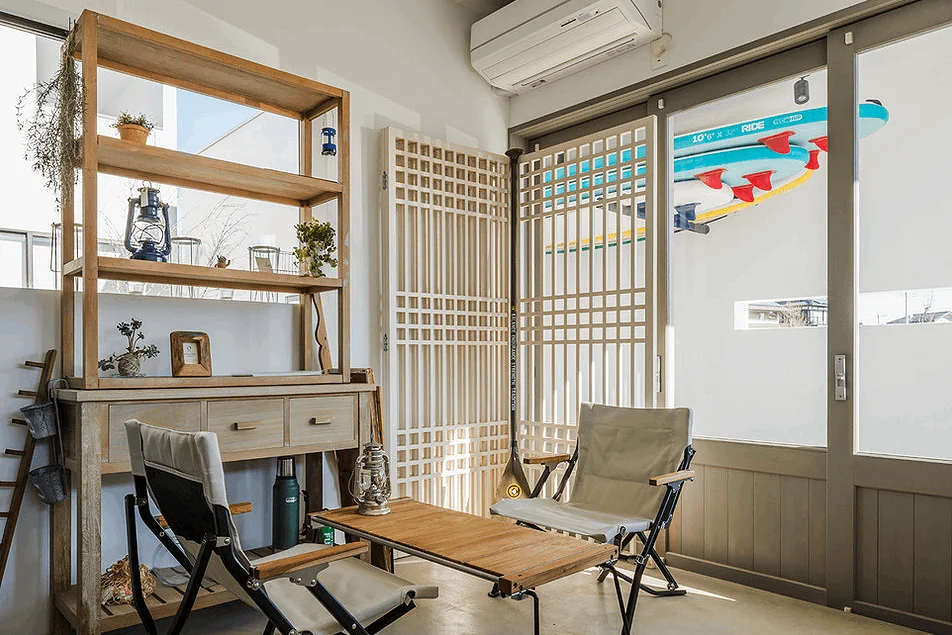
Having ample storage to organize hobby tools, materials, and works enhances work efficiency. Incorporating wall-mounted storage and custom-built shelving allows for effective utilization of space. It is important to arrange items according to frequency of use, placing frequently used items within easy reach and seasonal or spare items in upper areas. Utilizing display storage can also transform the tools themselves into integral elements of the interior design.
Provision of Power Supply and Communication Infrastructure.
Hobby rooms often require the use of numerous electrical devices such as power tools, audio equipment, computers, and lighting fixtures. It is essential to ensure adequate power capacity and strategically positioned electrical outlets. Additionally, establishing a reliable internet connection enhances convenience for information gathering and sharing of creative works.
Ventilation and Indoor Air Quality.
When using paints or adhesives, ventilation is critically important. In addition to natural ventilation by opening windows, installing exhaust fans ensures a constant supply of fresh air. This is especially essential for hobbies involving thinners or solvents, where adequate ventilation capacity is necessary for health considerations.
Consideration of Soundproofing Performance.
For hobbies that generate noise, such as musical instrument playing or mechanical work, soundproofing measures are essential. Incorporating sound insulation materials within walls and utilizing soundproof doors can mitigate the impact on family members and neighbors. Even if a fully soundproof room is not required, having adequate sound insulation allows for uninterrupted engagement in hobbies without concern for time.
Selection of Flooring Materials and Durability.
The appropriate flooring material varies depending on the nature of the hobby. For musical instrument performance, soundproof carpets or cork tiles are suitable, while for crafts, floor tiles resistant to stains and scratches or exposed concrete floors are preferable. When placing heavy equipment, the floor's load-bearing capacity must also be taken into consideration.
Space for Exhibition and Appreciation.
Having a space to display created works or collected items enriches leisure time. Planning areas for mounting artworks on walls or placing display cases transforms the hobby room into an enjoyable gallery. Thoughtful lighting design further enhances the aesthetic presentation.
The Necessity of Water Faucets.
For hobbies that involve the use of water, such as pottery, dyeing, and painting, having a water faucet indoors is highly convenient. It eliminates the need to go to a separate location to wash brushes, tools, or hands. The installation of a small sink can also be considered.
Innovative Layout and Circulation Design.
The placement of a hobby room within the house should be determined based on the desired proximity to family members and the frequency of use. For focused activities, situating the room away from other living spaces is ideal, whereas locating it near the living room is preferable to maintain family connections. Direct access from the entrance is advantageous for the convenient transport of large materials.
Privacy and Immersion.
An environment conducive to immersing oneself in hobbies requires an appropriate sense of enclosure and privacy. A hobby room, where closing the door allows entry into a personal world, serves as a special space that offers valuable relief from everyday stress. However, the ideal balance maintains a connection with family rather than complete isolation.
Balancing with the Budget.
The hobby room incurs higher costs the more attention to detail is given. It is advisable to establish priorities, start with the essential minimum facilities, and gradually enhance them over time. By creating shelves through DIY methods or utilizing ready-made products, it is possible to achieve a functional hobby room while controlling expenses.


 House with Second-Floor Living Room|Pros and Cons|Layouts Enhancing a Sense of Openness
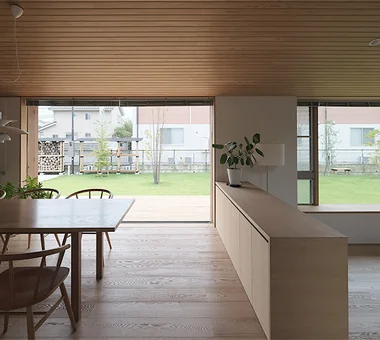 House with Outdoor Living Space|Custom Home Examples by Architectural Offices|An Additional Living Room Where Interior and Exterior Merge
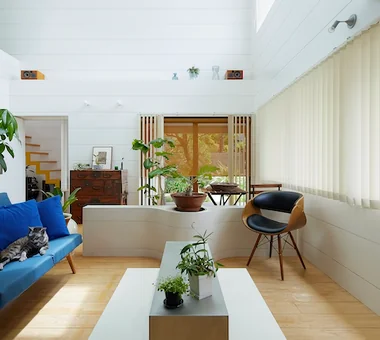 Homes Designed for Living with Cats|Introduction to Architecture Firms|A Home Designed to Support a Cat's Free‑Spirited Life
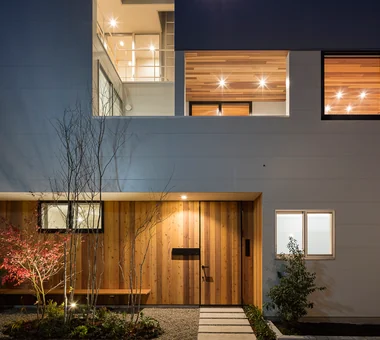 Two-Generation Home|Pros and Cons|Designing for Appropriate Interpersonal Distances
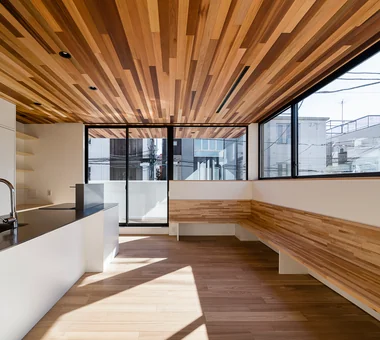 Two-Generation Home|Custom Home Examples by Architectural Offices|A Home Where Two Families Coexist Harmoniously
 Compact House|Introduction to Architecture Firms|Living Abundantly in Small Spaces