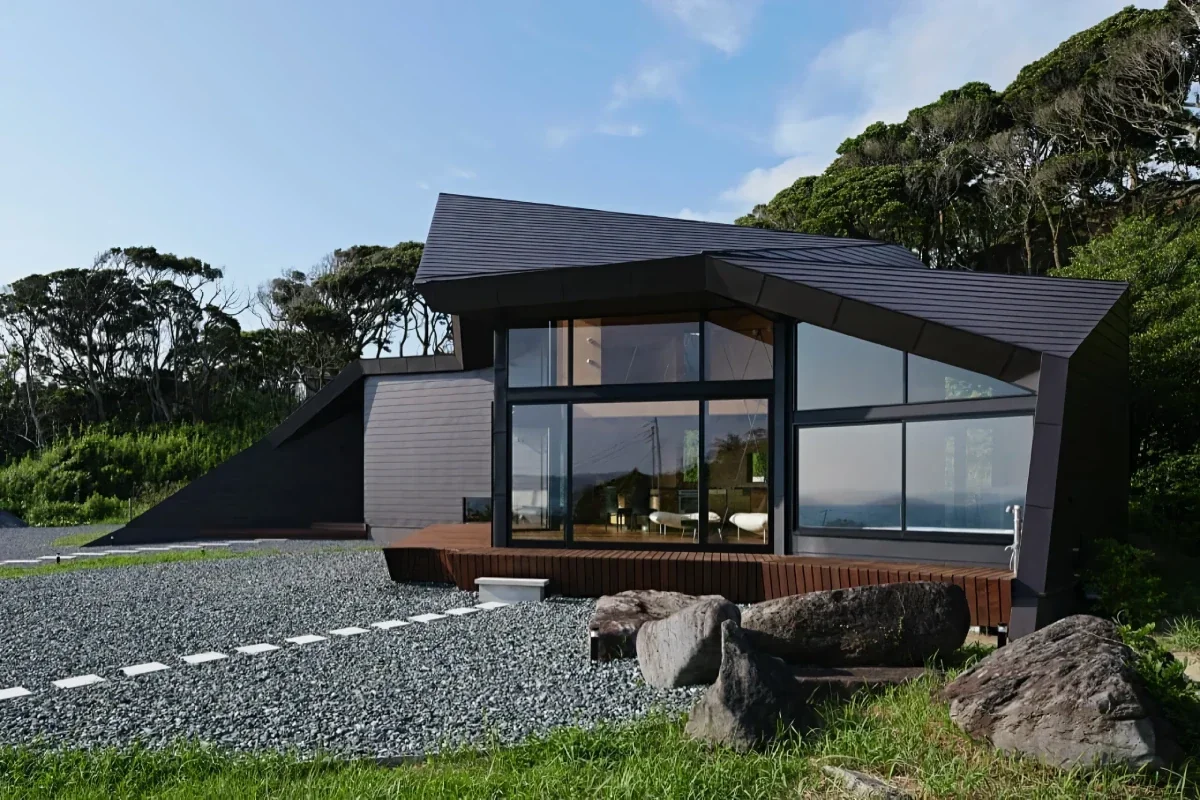
Takeshi Hirobe Architects
A House Living with the Sea|Home Building Q&A
Author: Qurasuki Editorial Department
In seaside homes, the relationship with the residence shifts depending on prioritizing ocean views versus integrating coastal activities into daily life. While enjoying coastal scenery, confronting unique marine environments—winds, salt-laden air, and intense sunlight—is a crucial topic. Greater proximity to the ocean yields enhanced openness, yet environmental expressions fluctuate with weather and seasons. Conditions demanded of the residence differ between surfers and those seeking quiet ocean views. We organize questions common in seaside homes through relationships with scenery, natural environments, and daily routines.
When building a home near the sea, how should exterior wall materials be selected?
In seaside residences, selecting exterior wall material and hardware specifications considering salt damage from salt contained in sea breezes is important. When adopting metallic exterior walls, select products and surface treatments suited to regional salt damage environments, comparing durability and maintenance including tiles and stuccoed walls. Since impact degrees vary by sea distance, wind direction, and topography, consulting designers and builders with seaside construction experience ensures peace of mind.
What innovations are available for seaside homes as rust countermeasures for hardware?
Along coasts, prioritizing corrosion resistance for metal components exposed outdoors—such as handrails, laundry hardware, screws, and sashes—is vital. When adopting stainless steel or aluminum, selection occurs after confirming not just materials, but product specifications and usage environments. When using iron members, planning premised on maintenance like rust-proofing and painting is important. Considering salt damage impacts for equipment and plumbing from the design stage facilitates long-term maintenance management.
On seaside sites, what building considerations are necessary against strong winds?
Since coastal regions experience varying strong impacts from typhoons and seasonal winds, securing building wind resistance performance is basic. Appropriate structural and fixing methods for roofs, exterior walls, and windows are selected based on regional wind pressure conditions and building shapes. When opening large apertures, flying-object countermeasures like shutters or storm doors become options. Balancing views while preserving wind-and-rain safety requires integrated thinking for structures and openings.
How can sand and dust from the sea be prevented from entering indoors?
Providing wide earthen floors at entrances or utility doors and handling shoes/tools there prevents sand from being brought indoors upon returning from the sea. Adding outdoor showers or foot-washing basins in gardens or decks allows sand and seawater to be washed off surfboards and beach gear before entering indoors. For windows, selecting sashes suited to seaside environments while confirming performance like airtightness and watertightness is recommended.
How should window planning to enjoy ocean scenery be considered?
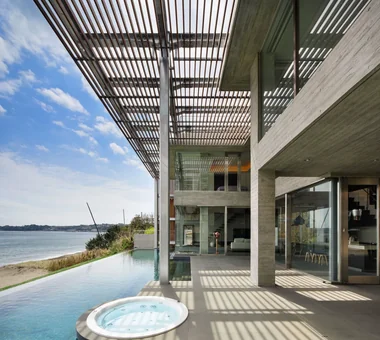
Capturing ocean views as a home charm involves determining window positions and sizes while considering eye-level heights when seated. Large openings incorporate thermal insulation and solar shading alongside durability against sea breezes and rain. Protecting openings using deep eaves, overhangs, or balconies is possible, though balancing them so views and daylighting are not hindered is crucial. Planning windows like "picture frames" cutting scenery brings the ocean closer.
How should moisture and mold countermeasures be handled in seaside homes?
Seaside environments base operations on proper ventilation and temperature/humidity control, considering outdoor air humidity and climatic conditions. Particularly when window or wall surface temperatures drop, condensation can occur, prompting consideration of high-performance insulated windows and proper insulation/airtightness plans. While incorporating moisture-regulating interior materials is possible, they alone cannot prevent mold. Combining ventilation, insulation, airtightness, and daily dehumidification to build non-moisture-retaining living environments is important.
How should storage for surfboards and beach gear be planned?
In homes enjoying sea gear like surfboards and wetsuits, providing dedicated storage spaces in entrances or garages is convenient. Combining directly accessible earthen storage, showers, and washing basins enables cleanup without bringing sand or seawater indoors. Setting up laundry lines or racks in easily ventilated locations to dry wet gear is also effective. Planning storage not as mere storerooms, but as "backyards" for returning from the sea, streamlines lifestyle traffic routes.
When building near the sea, how should tsunami and storm surge preparations be considered?
When choosing coastal land, checking inundation assumptions, evacuation sites, and evacuation routes via municipal hazard maps is crucial. Hazard map portals by the Ministry of Land, Infrastructure, Transport and Tourism also allow disaster risk verification. Then, examine building placement, floor heights, and evacuation routes based on site elevation, surrounding topography, and evacuation times. Since related ordinances and district designations vary by region, confirming with municipalities and specialists from land-selection stages brings peace of mind.
Can outdoor showers be installed in seaside homes?
Outdoor showers washing off sand and seawater after swimming or surfing match sea-living homes well. Positioning them on routes returning from the sea—gardens, garages, or beside entrances—enhances usability. Since water supply and drainage are required, planning drainage destinations and floor slopes from the design stage is crucial. Cold regions require freezing countermeasures, selecting specifications matching regional climates.
I want an ocean-view home; how should orientation and placement be evaluated?
Points involve planning placement by considering not just opening large apertures toward the ocean, but from which rooms, at what heights, and during what time zones ocean views are desired. If oceans lie south or west, evaluate summer solar radiation and afternoon sun countermeasures alongside views. Combining eaves and exterior blinds adjusts solar radiation entering indoors while enjoying scenery. Furthermore, accounting for potential future view changes by neighboring buildings or trees, and planning views felt from multiple locations, brings peace of mind.
Do thermal insulation performances in seaside homes require special considerations compared to inland housing?
While basic thermal insulation philosophies do not drastically change because of seaside locations, homes overlooking oceans frequently feature large windows, making careful evaluation of opening thermal performance and solar shading crucial. Windows and doors significantly involve heat flow in houses, selected considering durability against sea breezes and storms alongside insulation. Securing window performance matching regional climates and lifestyles while prioritizing views leads to comfortable seaside living.
When gardening near the sea, how should plantings be selected?
Coastal environments face sea breezes, strong winds, and intense solar radiation, making it important to select plants suited to the land's environment. Referencing coastal-growing plants and region-proven tree species, select while confirming wind exposure strength and soil conditions. When placing plantings near buildings, considering future tree sizes, root spreads, and maintenance ease brings peace of mind. Designing plantings not merely as landscape elements, but as green layers connecting oceans and homes, adds depth to gardens.
How do maintenance frequencies in seaside homes differ from inland housing?
Seaside residences require attention to metal component and exterior degradation influenced by salt in sea breezes and strong winds/rains. While maintenance cycles cannot be uniformly compared to inland housing, depending on site conditions, frequent inspection and maintenance—such as washing away dirt and salt on exterior walls, hardware, and sashes—becomes important. Selecting specifications enabling easy inspection and cleaning from construction, and repairing before degradation advances, are key points for enjoying seaside living long-term.
Are there legal constraints like landscape ordinances on seaside sites?
While special regulations do not automatically exist everywhere near seas, municipal landscape ordinances, urban planning, or regional designations may establish certain standards for building heights, colors, and forms. Additionally, natural park zones like national parks may require permissions or notifications for building acts depending on zone classifications. Checking municipal urban planning/landscape counters and natural park designation states before purchasing land, and organizing necessary procedures before design entry, is important.
What should be communicated early in the design stage when building a home living with the sea?
Begin by specifically communicating how you wish to interact with the sea—such as "wanting to live viewing the ocean," "incorporating surfing or swimming daily," or "feeling the sea in the garden." Then, organize site-specific conditions like views, solar radiation, wind, salt damage, and tsunami/storm surges, planning windows, traffic routes, exteriors, storage, and equipment in an integrated manner. Furthermore, keeping future maintenance and surrounding environment changes in sight is important. Moving beyond treating seas merely as "views" to incorporate them into daily life is key to creating homes enduringly compatible with oceans.




 House with a Natural Woodland Garden|Key Points for Home Building
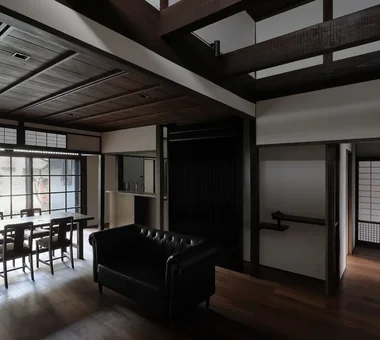 A Home for Living with Antiques|Introduction to Examples by Floor Plan & Room Type
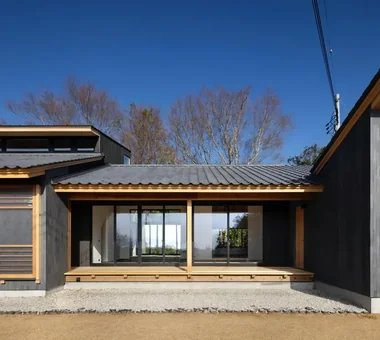 House of Wood|Home Building Q&A
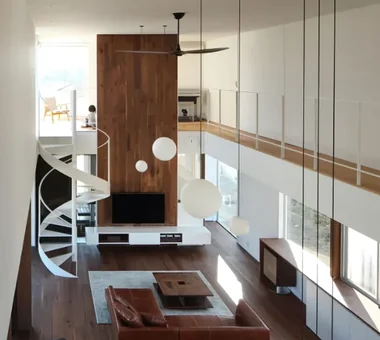 Stylish Atriums|Key Points for Home Building
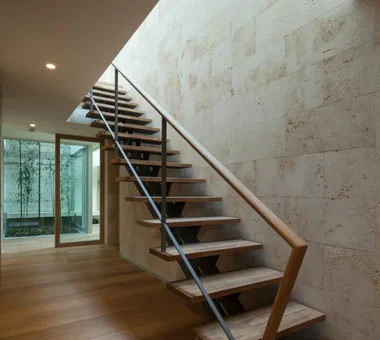 Stylish Staircases|Home Building Q&A
 House with a Wood Deck|Home Building Q&A