佐賀高橋設計室
House with a Spiral Staircase|Home Building Q&A
Author: Qurasuki Editorial Department
While spiral staircases create spatial focal points, usability as daily transit paths is also important. Because shapes differ from conventional stairs, inter-floor connections and visual relief vary, leading to differing evaluations by family users. Considerations also change based on living conditions, such as households with small children or the elderly, or frequent transport of furniture and luggage. Centering the staircase or showcasing it as part of the space creates differences in overall residential configuration. In homes with spiral staircases, we organize questions regarding design versus daily usability and how family structure and lifestyle affect choices.
What are the appeals of houses with spiral staircases?
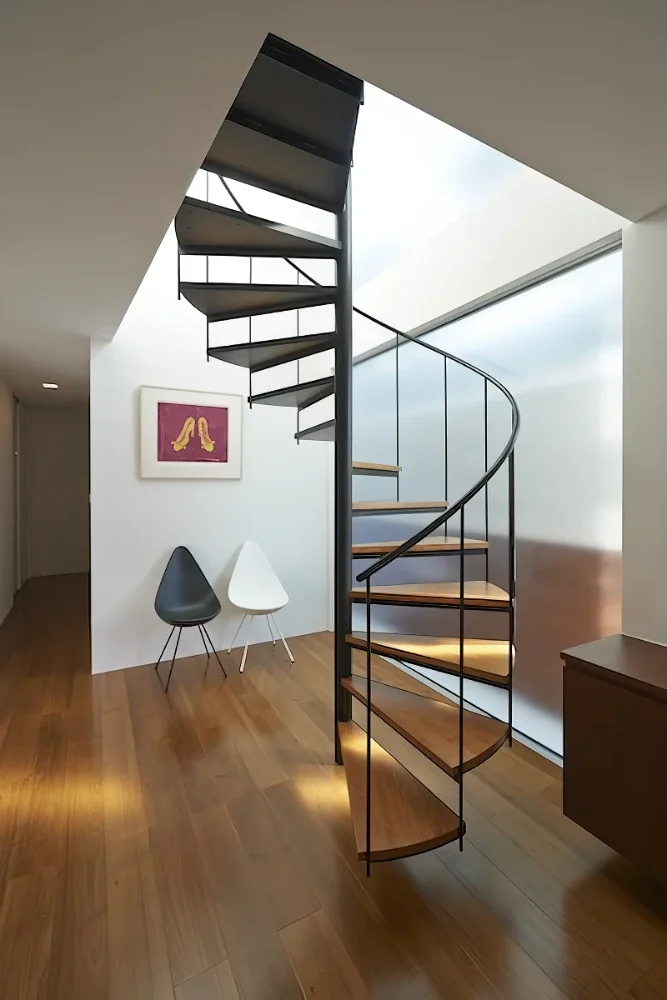
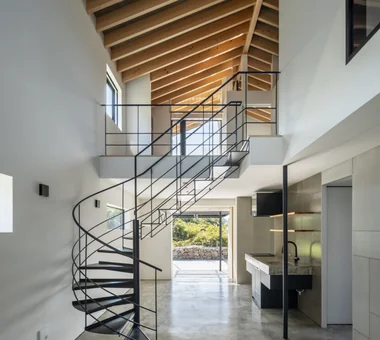
The greatest appeal of spiral staircases lies in their beautiful form. Their appearance connecting upper and lower floors while gently revolving emits a presence like a sculpture within the residence. Furthermore, they match well with void spaces, bringing openness and lightness to the entire space. They are stairs frequently adopted as symbols of residences combining design and functionality.
I hear spiral staircases save space, but how is it in reality?
Compared to general straight stairs or turn stairs, installation areas tend to be compactly summarized. However, since sufficient diameter is required to secure comfortable climbing safety, it does not necessarily lead to drastic space saving. It is important to examine dimensions based on everyday usability as well as visual beauty.
What choices exist for spiral staircase materials?
Various choices exist, ranging from lightweight designs using steel, warm ones using solid wood, to heavy expressions using concrete. Steel easily stages sharp and modern impressions, while wood generates soft atmospheres. Selecting while considering harmonization with the interior and architectural design of the entire home is important.
What considerations are necessary regarding the safety of spiral staircases?
Because tread surfaces of spiral staircases become narrower toward the center, safety considerations are indispensable. In addition to securing sufficient widths, adopting easy-to-grip handrails and slip-resistant finishes is important. When small children or elderly persons are present, careful examination regarding stair shapes and slopes is demanded.
Regarding spiral staircase installation, are there cautions under the Building Standards Act?
Regulations by the Building Standards Act exist regarding stair widths, riser heights, tread dimensions, and handrail installations. Because spiral staircases have different tread measurement methods from general stairs, confirming compliance with regulations from the design stage is important. Necessary conditions may also change depending on use and installation locations.
Where are spiral staircases frequently installed?
They are frequently installed in locations determining the impression of residences, such as the center of void spaces or entrance halls. Arranging them in positions gathering lines of sight makes the stairs themselves the star of the interior. Cases adopted as auxiliary stairs leading to lofts or studies can also be seen.
What effects occur when combining voids and spiral staircases?
Arranging spiral staircases at the center of void spaces emphasizes the connection between upper and lower floors, creating dynamic expansion across the entire space. Furthermore, light pouring in from skylights or high-side lights accentuates the curved beauty of the stairs even more impressively. They are popular as combinations enhancing architectural appeal.
What ingenuity can be devised in lighting planning around spiral staircases?
Suspending pendant lighting in voids or incorporating indirect lighting under treads can beautifully stage the form of spiral staircases. Furthermore, providing lighting illuminating footsteps leads to improved safety. Being able to enjoy different expressions between day and night is also an appeal of lighting planning.
Does having a spiral staircase affect bringing in furniture and large luggage?
Because of curved structures, bringing in large furniture and home appliances may become difficult. Cases assuming large-sized furniture such as sofas and beds are brought in through windows or balconies can also occur. Confirming moving routes at the planning stage provides peace of mind.
Should spiral staircases be avoided when child-rearing households or elderly family members are present?
Because spiral staircases require caution during climbing compared to general stairs, careful examination is demanded depending on family composition. However, enhancing safety is possible by devising handrails and tread dimensions. Making judgments keeping entire residence circulation lines and future living styles in sight is important.
What should be watched out for in spiral staircase maintenance?
Maintenance matching materials is necessary, such as paint deterioration and rust for steel products, or wear and changes due to drying for wood products. Moreover, periodically inspecting handrail fixation states and tread looseness provides peace of mind. Daily care is also important to maintain beautiful states for a long time.
How does spiral staircase installation affect construction costs and difficulty?
Because spiral staircases have complex shapes, manufacturing and construction tend to take more effort than general stairs. Especially custom-made steel stairs require high technology, which may raise costs. On the other hand, utilizing ready-made products can sometimes keep expenses down.
I hear spiral staircases easily echo sound; are there countermeasures?
Steel stairs may easily transmit footsteps and vibrations. Therefore, ingenuity reducing sound is performed, such as combining vibration-damping materials and sound-absorbing materials, or adopting wooden treads. When placing them near bedrooms, examining the sound environment in advance provides peace of mind.
How does the impression of spiral staircases change depending on design styles?
Combining thin steel frames and glass handrails results in light and modern impressions. On the other hand, utilizing solid wood creates warm natural spaces, while adopting decorative handrails results in classic and heavy atmospheres. They can be said to be elements greatly swaying spatial impressions depending on materials and details.
How should the adaptability of spiral staircases be considered when renovating in the future?
Because spiral staircases are often planned as central structural elements of residences, large-scale renovations changing positions are not easy. Therefore, examining from the design stage while keeping future living styles in sight is important. On the other hand, changing spatial impressions drastically is possible by altering handrails, finishing materials, and lighting.

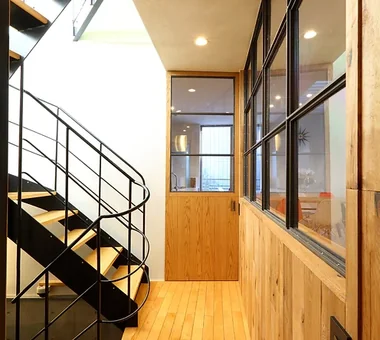


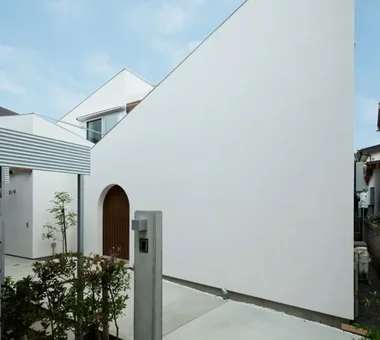 White House|Key Points for Home Building
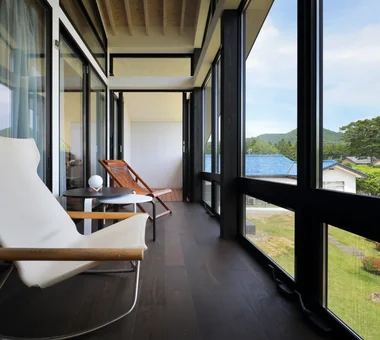 Resort-Style Home|Introduction to Examples by Floor Plan & Room Type
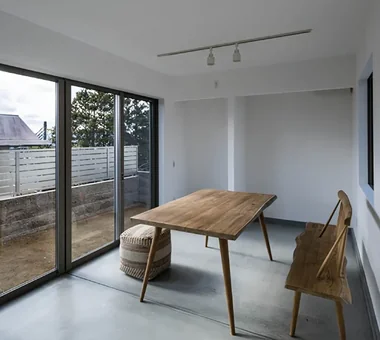 Stylish Studios|Key Points for Home Building
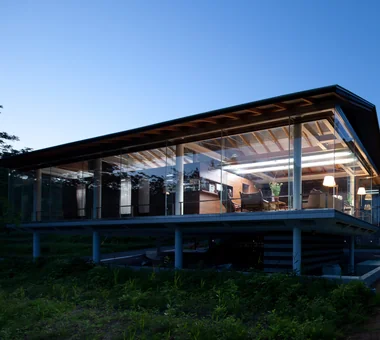 Glass-Enclosed Residences|Introduction to Architecture Firms
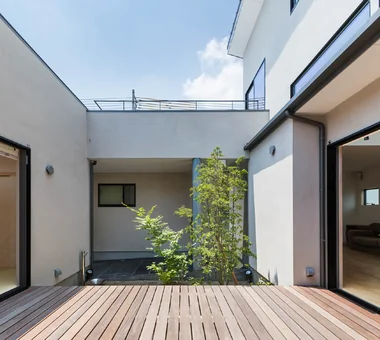 Homes Featuring Courtyards|Key Points for Home Building
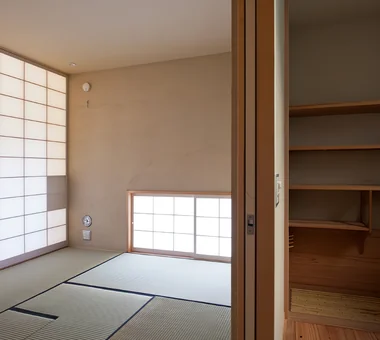 Homes Featuring Traditional Tea Rooms|Key Points for Home Building