Masahiko Sawamura Architect and Associates
House with a Tile Deck|Key Points for Home Building
Author: Qurasuki Editorial Department
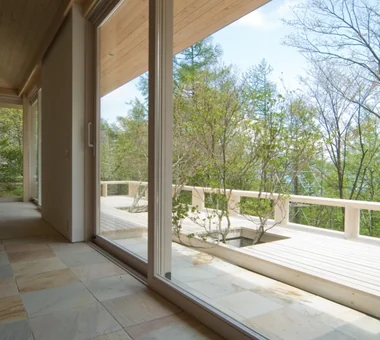
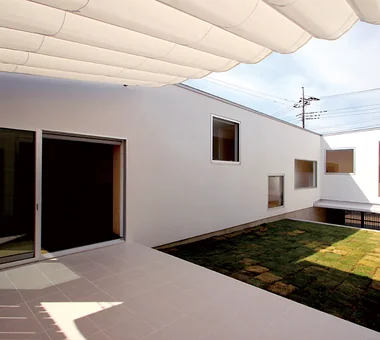
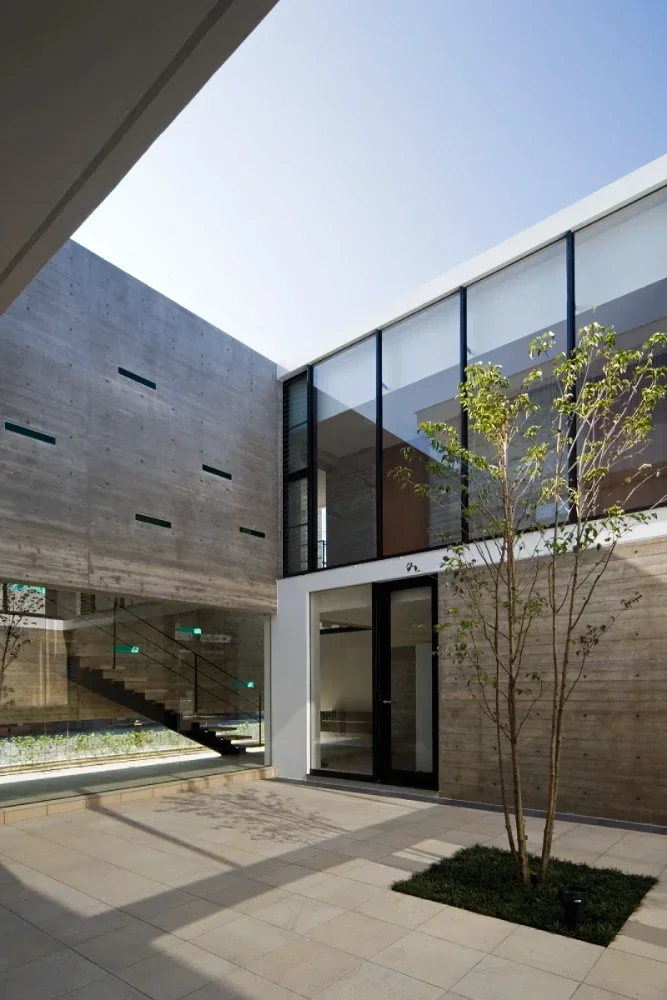
A home with a tile deck creates an intermediate space between the garden and the interior that offers an outdoor feel with indoor-like comfort. Beyond visual aesthetics, its role shifts based on how much time is spent outdoors and how the garden is framed from within. Particularly when considering its relationship with frequently used zones like the living room, a tile deck functions not as an isolated outdoor space, but as a transitional bridge linking the house and the garden. Conversely, outdoor-specific conditions—such as line-of-sight privacy, solar radiation, and seasonal temperature fluctuations—directly impact daily living. Grounded in garden connectivity, family usage frequency, and site surroundings, we organize the considerations for introducing a tile deck.
Comparing Tile Deck Materials: Porcelain vs. Natural Stone
Tile decks utilize ceramic materials like porcelain tiles alongside natural stone. Porcelain tiles generally feature low water absorption rates and broad choices in color, pattern, and texture. Natural stone varies in tone, absorption, and weathering performance by mineral type, requiring selections suited for exterior use. Prioritizing slip resistance and maintainability alongside visual appeal is vital.
Differences and Selection Criteria Between Tile and Wood Decks
Tile decks offer weather resistance and maintenance profiles distinct from wood decks, though certain materials absorb intense solar heat in summer or feel cold in winter. Wood decks similarly vary in durability and upkeep by species. Evaluating material traits, barefoot use, sun exposure, and willingness to maintain helps guide optimal choices.
Fundamentals of Substrate and Drainage Planning for Tile Decks
Long-lasting tile decks rely on robust substrate, waterproofing, and drainage assemblies beneath the tiles. In locations requiring waterproofing, such as building balconies, securing proper drainage pathways is mandatory. Even for ground-level decks, subgrade and surrounding drainage conditions must prevent standing water.
Floor Level and Joint Alignment Enhancing Indoor-Outdoor Integration
Aligning indoor and outdoor floor levels and matching tile layout gridlines and joint directions creates seamless visual continuity. Selecting similar color tones and textures across interior and exterior spaces is also effective. Because exterior waterproofing and drainage specs differ from indoor standards, prioritizing structural detailing over pure aesthetics is paramount.
Selecting Slip-Resistant Surface Finishes for Tile Decks
Because exterior tiles become slippery when wet, selecting products with adequate anti-slip performance for specific installation zones is critical. Evaluating surface relief alongside wet-traction performance, footwear types, and barefoot use is recommended. Prioritizing safety is vital in areas used by children or seniors.
Leveraging the High Maintainability of Tile Decks
Tile decks require no periodic painting like natural timber, making material upkeep relatively straightforward. However, inspecting joints and drainage paths alongside tile surfaces remains necessary. Because suitable cleaning methods vary by stain type, confirming manufacturer maintenance instructions is important.
Garden Design Combining Tile Decks and Landscaping
Integrating plantings with tile decks introduces botanical softness to hard architectural materials. Options include embedding planting pockets within tile grids or arranging trees and shrubs around the deck perimeter. Factoring in plant growth, root spreads, watering, and fallen leaves simplifies ongoing upkeep.
Tile Selection Considerations to Mitigate Summer Solar Heat Gain
Tile surface temperatures fluctuate based on color, material composition, and sun exposure. In intensely sunlit zones, evaluating material color, surface texture, and the addition of shading structures or greenery helps counter summer heat. Confirming actual product characteristics when planning for barefoot use brings peace of mind.
Unifying Exterior Design Through Tile Colors and Patterns
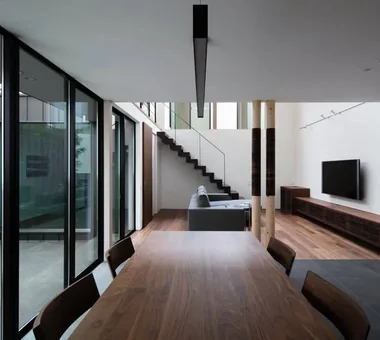
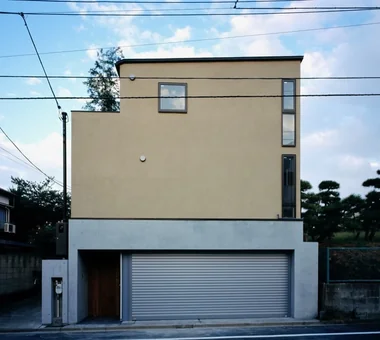
Coordinating tile deck colors and patterns with exterior walls, window sashes, and interior flooring unifies the building and garden. Matching color tones alongside material textures, joint widths, and tile scales helps create a coherent spatial impression.
Selecting Outdoor Furniture Suited to Tile Decks
Confirming weather suitability for furniture placed on tile decks is essential. Options include weather-resistant metal, outdoor fabrics, and resin materials designed for exterior resilience. Appropriate furniture varies depending on whether items remain exposed to rain or get stored away when not in use.
Durability Considerations for Joints and Grout in Tile Decks
Exterior tile decks experience joint and adhesive degradation driven by temperature fluctuations, rainwater, and substrate movement. Selecting grout materials matched to tile and substrate specs, alongside incorporating movement joints, is crucial. Promptly addressing cracked or missing grout ensures sustained performance.
The Appeal of Tile Decks Exhibiting Minimal Aging
Unlike natural timber requiring finishes and color shifts, certain tile products maintain their exterior appearance over long periods. However, UV exposure, staining, and joint wear can alter visual impressions. Long-term planning demands attention to the upkeep of joints and drainage alongside the tiles themselves.
Lighting Design Extending Tile Deck Enjoyment Into the Evening
Pre-planning outdoor lighting enables evening tile deck usage. Direct floor illumination combined with indirect wall and planting lighting creates serene nightscapes. Selecting exterior-grade lighting fixtures with appropriate waterproof ratings and planning wiring routes securely ensures safety during transit.
Compact Tile Decks Realized on Restricted Sites
Even with limited land area, installing a small tile deck by a window creates outdoor connectivity. Refining tile sizing and joint directions brings a clean, uncluttered impression to compact footprints. Clarifying intended activities—dining, planting, or seating—helps determine necessary dimensions.
Future Versatility and Usability in Homes with Tile Decks
Tile decks represent outdoor spaces benefiting from robust material weatherability and easy maintenance. However, design, level changes, and furniture layouts heavily dictate usability. Planning without overly restrictive functional limits while considering future lifestyles ensures enduringly useful outdoor spaces.