Masahiko Sawamura Architect and Associates
A Home to Live with Art|Key Points for Home Building
Author: Qurasuki Editorial Department
Living surrounded by your favorite paintings, photographs, and objects does more than simply decorate an interior. Art influences the atmosphere of a home, the way spaces are used, and the quality of time spent within them. The ideal space depends on whether you view the artworks as the focal point or allow them to blend into the background of daily life. Home designs also vary based on family hobbies, values, and how you interact with the pieces. When designing a home that incorporates art, it is essential to consider not only the works themselves but also their distance from daily routines and their relationship to the overall space. Here, we outline the conditions and planning points to keep in mind when welcoming art into your home.
How to Create "Negative Space" for Quietly Connecting with Art
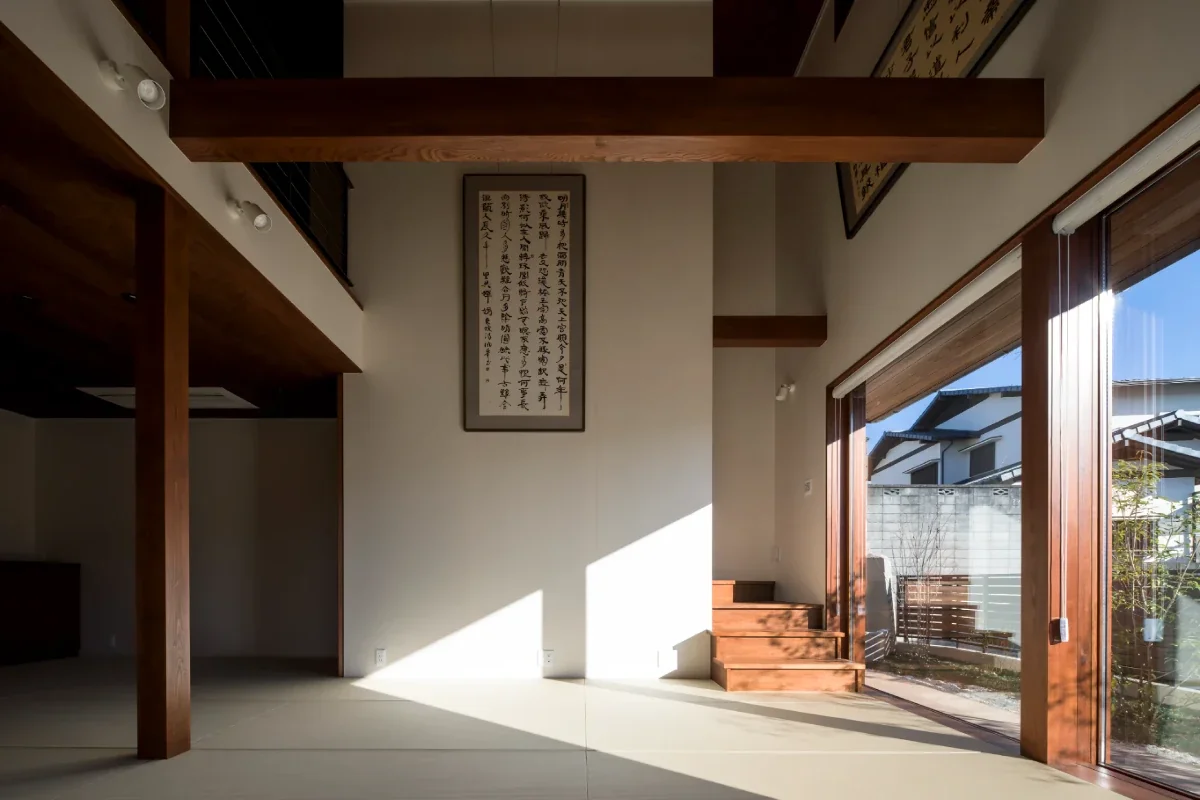
In a home with art, rather than filling the walls with pieces, intentionally leaving negative space accentuates the presence of each individual work. Arranging furniture and lighting while maintaining appropriate distances so that the gaze is naturally drawn to the artwork creates a comfortable "interval" for appreciation. It is not strictly necessary to completely separate the flow of daily life from the circulation for viewing; choosing locations where you might unexpectedly encounter art in daily life, such as the end of a hallway or a stair landing, is also effective. Rather than treating negative space as empty space, try planning it as an important background to beautifully showcase the artwork.
How to Choose Wall Lighting That Preserves the Colors of Paintings
Lighting planning plays a crucial role in making paintings look their best. Choosing lighting fixtures with a high Color Rendering Index (Ra) makes it easier to naturally reproduce the original colors of the artwork. Downlights and picture lights shine light from above at an appropriate angle, beautifully creating shading while suppressing reflections and glare. Additionally, because direct sunlight causes fading, the positional relationship with windows is a point you will want to carefully consider. Because lighting wiring and fixture locations are determined during the design stage, it gives peace of mind to share the artworks you wish to display with the designer early on.
Display Stands and Circulation Concepts to Enhance Sculptures and Three-Dimensional Works
Three-dimensional works such as sculptures and objects reveal more of their charm when an environment is set up allowing them to be appreciated from various angles. It is best to maintain appropriate clearance around the work and secure space for people to circulate naturally. The combination of display stand materials, height, and floor finishes also influences the overall impression of the space. Furthermore, it is important to avoid unnecessary steps or sharp corners on daily traffic lines. When installing heavy works, checking the floor's load-bearing capacity in advance ensures you can enjoy them safely for a long time.
How to Create a Gallery Space That Skillfully Balances Natural and Artificial Lighting
Natural light changes its expression depending on the time of day and season, giving artworks a rich allure. On the other hand, because direct sunlight causes fading, controlling light is indispensable. North-facing windows are said to be well-suited for exhibition spaces because the light is relatively stable. Utilizing natural light during the day and switching to dimmable lighting after sunset makes it easier to maintain a comfortable viewing environment throughout the day. Ensuring that light levels can be adjusted with blinds or curtains is also an important design consideration.
Designing Variable Walls to Accommodate a Growing Collection
Because art collections grow and rotate over time, flexible wall planning is important. Embedding plywood into the gypsum board substrate makes it easier to attach hooks and brackets later on. Adopting picture rails allows you to change the position and height of artworks without damaging the walls, increasing the freedom of display. Furthermore, incorporating movable partitions makes it possible to increase the exhibition area. Leaving room to enjoy changes is the key to living with art for a long time.
Consideration of Temperature, Humidity, and Ultraviolet Rays to Protect Precious Artworks
Paintings, paper works, and wooden sculptures can be damaged by sudden changes in temperature and humidity. Therefore, enhancing insulation and airtightness to stabilize the indoor environment contributes to artwork preservation. As a countermeasure against ultraviolet rays, applying UV-cut film to window glass is also effective. Especially for valuable works, it is best to avoid window areas and consider an exhibition plan centered on indirect lighting. Creating a comfortable living environment is also an environment-building measure to protect artworks.
Crafting the Entrance as the "First Gallery"
The entrance is the space that determines the first impression of a home. Displaying even a single favorite piece can convey the world view unique to that home to visitors. Providing niches or display walls in positions that do not obstruct storage or circulation achieves both livability and appreciation value. Additionally, matching the color temperature of the entrance lighting and indoor lighting creates a sense of unity throughout the space. Precisely because it is a limited space, staging a single piece carefully is effective.
Striking a Balance Between Ceiling Height and Artwork Size
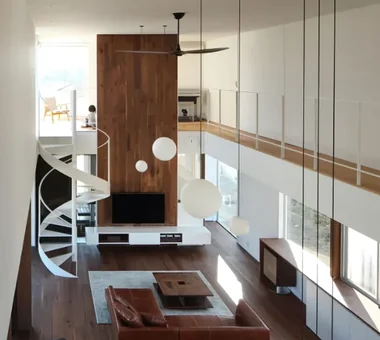
When displaying large paintings or three-dimensional works with strong presence, ceiling height greatly influences the impression of the space. With standard ceiling heights, certain artwork sizes can feel oppressive, so it is important to confirm the scale in advance. Utilizing a double-height space allows large pieces to be displayed expansively, but balancing this with heating/cooling efficiency and lighting planning is also necessary. Sharing artwork sizes from the design stage makes it easier to achieve a beautiful harmony between space and artwork.
Choosing Wall Colors and Textures to Match the Art
Wall colors and materials are important backgrounds that influence the impression of the artwork. White walls easily harmonize with many works and can be called a classic choice to enhance art. On the other hand, incorporating subdued grays or earth tones can sometimes give works a deeper expression. Plaster finishes such as stucco or diatomaceous earth feature beautiful light and shadowing, making them a great match for art. It is best to carefully consider combinations with the artwork while checking material and color samples.
Substrate Reinforcement for the Safe Installation of Large Artworks
When installing large paintings or heavy objects on walls, sufficient substrate reinforcement is indispensable. Because gypsum board alone may lack strength, it is standard practice to communicate the planned installation locations during the design stage and reinforce them with plywood or studs. Adding reinforcement after completion tends to involve large-scale work, so advance preparation is important. Anticipating future additions of artwork and reinforcing a slightly wider area allows for flexible responses.
Utilizing Picture Rails to Interchange Artworks by Season or Mood
Picture rails are convenient fixtures that allow you to freely change the display positions of artworks. There is no need to make new holes in the wall, and you can easily change layouts to suit the season or your mood. By blending the rail color into the wall or ceiling, practicality can be ensured without compromising the aesthetic of the space. Because different wires and hardware correspond to different artwork weights, checking before installation is also important. It is a mechanism well-suited for those who want to enjoy changing displays.
Creating Deep Display Spaces for Three-Dimensional Works
Three-dimensional works express their charm by existing within space. Therefore, it is important not only to place them near walls, but also to secure moderate negative space around them. Providing niches or dedicated display spaces, or zoning with floor materials and level differences, can further accentuate the presence of the artwork. Keeping the surrounding design simple also highlights the beauty of shadows and forms. Arrangements that utilize natural light also allow you to enjoy changes in expression over time.
Gently Separating Family Living Circulation from Art Viewing Circulation
In a home that lives with art, balancing ease of living with appreciation value is important. Placing artworks in positions slightly removed from the main traffic lines creates time for appreciation, slightly detached from daily hustle and bustle. It is not strictly necessary to completely separate spaces; gentle zoning utilizing changes in flooring materials or sightlines is also sufficiently effective. Explore a distance where you can naturally face the artwork while matching your family structure and lifestyle.
Layout Planning for Ateliers and Workspaces for Creative Enjoyment
For those who enjoy painting or craft production, having a dedicated atelier space makes it easier to concentrate on creative activities. North-facing windows feature stable light and are frequently chosen as a production environment. When using paints or solvents, securing sufficient ventilation equipment is also important. Choosing easy-to-clean flooring materials such as tiles or cushion floors makes daily maintenance effortless. Aim for a space where living and creation can comfortably coexist.
Storage Planning Dedicated to Artworks, Balancing Collection and Exhibition
Securing appropriate storage space is indispensable for enjoying artworks while rotating them according to the seasons or your mood. Planning locations shielded from direct sunlight and humidity makes it easier to keep artworks in good condition. Organizing framed works using dedicated racks helps prevent damage and makes taking them in and out smooth. Providing storage near the exhibition space makes the task of swapping artworks effortless. While paying attention to temperature and humidity management, set up an environment that balances storage and exhibition.


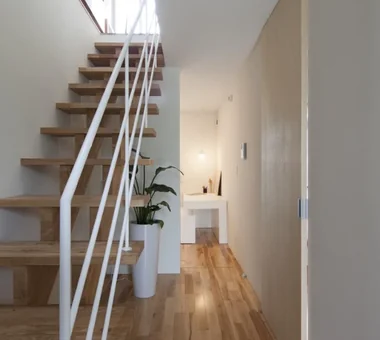
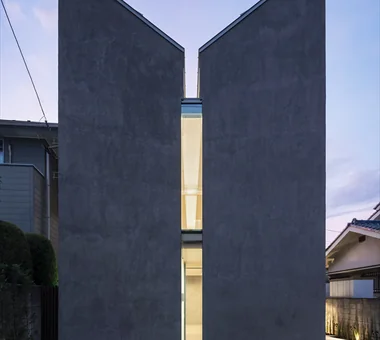

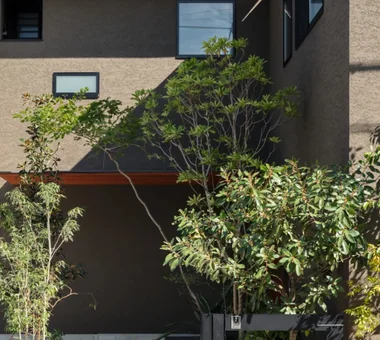 House with a Natural Woodland Garden|Key Points for Home Building
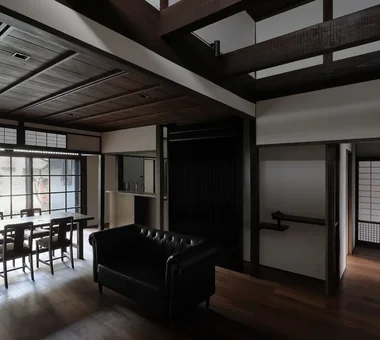 A Home for Living with Antiques|Introduction to Examples by Floor Plan & Room Type
 House of Wood|Home Building Q&A
 Stylish Atriums|Key Points for Home Building
 Stylish Staircases|Home Building Q&A
 House with a Wood Deck|Home Building Q&A