Tokuhiro Norimatsu Architect
A Home to Live with Art|Home Building Q&A
Author: Qurasuki Editorial Department
When living with art, the design of a space depends not only on where works are displayed, but also on how art is perceived within daily life. The margins needed around works vary depending on their size, quantity, and medium—whether paintings, photographs, or sculptures—and the relationship with the architecture itself is diverse. Furthermore, in homes that welcome natural light, one must consider how light changes throughout the day and affects the artwork. Questions also vary depending on whether you want to enjoy art casually in daily life or incorporate it quietly as part of the space. Here, we outline the questions that commonly arise in homes with art and the key considerations shaped by the relationship between the artwork and the home.
I would like to display art in my living room. How much wall space should I secure?
If you want to make a large piece the focal point, having a flat wall approximately 2 meters wide and 2.4 meters high beautifully accentuates the presence of the artwork. It is important to arrange the positions of windows, doors, and switches in advance and plan a "wall for displaying." Additionally, installing a picture rail with future artwork rotation in mind allows you to enjoy free layouts without damaging the walls.
What kind of lighting planning is effective for making art look its best?
To enjoy the original colors and textures of the artwork, choosing lighting with high color rendering is fundamental. Positioning spotlights slightly away from the wall and illuminating them at an angle of around 30 degrees prevents frame shadows from casting and creates natural shading. Furthermore, incorporating dimming functions makes it possible to create a calm spatial atmosphere with the artwork as the focal point at night. If fading is a concern, using UV-cut lighting or glass provides peace of mind.
Assuming my art collection will grow, how should I think about storage?
The key is to separate the art on display from the art in storage. For un-framed pieces or works whose displays change seasonally, setting up flat-storage shelves in a walk-in closet or a north-facing storage area with minimal temperature and humidity fluctuations makes management easier. Because humidity leads to deterioration of artwork, choosing a location away from plumbing and considering ventilation ensures peace of mind. Adopting adjustable shelving flexibly accommodates an expanding collection.
How much should I consider ceiling height when displaying art?
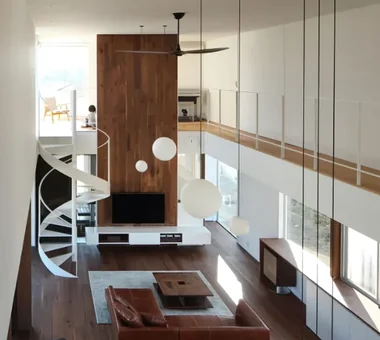
Art looks sufficiently striking even with standard ceiling heights, but if you want to enjoy large-scale or three-dimensional works, raising the ceiling in just a portion of the living room is recommended. This creates contrast in the space and accentuates the scale of the artwork. When adopting a vaulted or high ceiling, combining sound-absorbing materials such as curtains and rugs while considering sound reverberation also enhances comfort.
Are there any tips for choosing floor and wall material colors that complement art?
If you want art to take center stage, keeping walls and floors in calm, neutral colors is fundamental. Colors containing soft grays or beiges rather than pure white make it easier to harmonize with the artwork. Choosing textured finishes for flooring, such as solid wood or mortar, creates depth throughout the space. Matte finishes that suppress light reflection are also recommended.
When placing a large sculpture indoors, are there any structural points to note?
When installing a heavy sculpture, it is important to communicate the weight of the work to the designer in advance. In many cases, even wooden houses can accommodate this by reinforcing the floor substrate and beams. Especially for works exceeding several hundred kilograms, verification through structural calculation provides peace of mind. Additionally, considering the delivery route and future moving paths simultaneously ensures a smooth process.
Is it possible to set up an atelier-like gallery space in my home?
Yes, it is possible. By utilizing a dirt floor (doma) or hallway extending from the entrance, you can plan a gallery-like exhibition space. Securing wide wall space and providing breathing room for art appreciation allows you to incorporate art into daily life. Inviting soft natural light from clerestory or skylights creates a charming space whose expression changes with the time of day.
To protect artwork, how much attention should be paid to indoor temperature and humidity management?
Most artworks can be stored without issue even in standard residential environments, but prolonged high humidity can cause mold and deterioration. Airtight and highly insulated houses easily stabilize the indoor environment and are well-suited for preserving artwork. When using many works featuring paper or cloth, utilizing air conditioning equipment with dehumidifying functions or humidity-controlling building materials is also effective.
I would like to incorporate many windows, but I am worried about artwork fading due to sunlight. Can both be achieved?
They can easily be reconciled. Choosing a position where direct sunlight does not easily hit the wall displaying the artwork, and controlling sunlight with eaves or overhangs, is effective. Furthermore, combining UV-cut glass or films protects the artwork while welcoming natural light. By considering daylighting and display locations separately, both brightness and preservation can be achieved.
How can art-displaying walls coexist with living facilities such as televisions?
Consolidating televisions and electrical outlets onto a single wall and providing a wall dedicated exclusively to art keeps the space looking clean and organized. Simply hiding the television inside cabinetry or concealing wiring within the wall dramatically changes the impression. Deciding on the "display wall" from the design stage leads to the creation of a beautiful space.
Are there any design-stage measures that can accommodate future changes in the number or tastes of artworks?
Adopting picture rails and movable spotlights flexibly accommodates changes in artwork. Additionally, securing a portion of the wall space as an exhibition area or providing a spare space that can function as a gallery in the future is also effective. Leaving breathing room in the home is the key to enjoying art for a long time.
What considerations are necessary if I want to display art in the entryway?
The entryway is the space that determines the first impression of a home. Displaying an impressive piece directly ahead or in the line of sight expresses the individuality of the entire space. On the other hand, because it is easily affected by outside air, it is safest to avoid works vulnerable to humidity or incorporate measures to minimize environmental changes. Planning lighting to accentuate the artwork creates a more striking welcoming space.
For art lovers who want to make the staircase area unique, what kind of ideas can be considered?
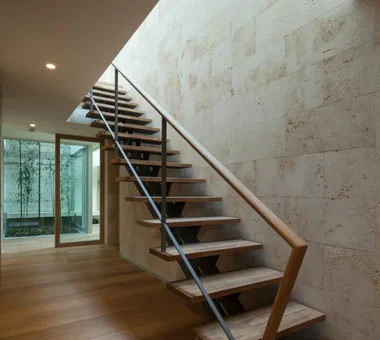
Staircase wall surfaces are easy to utilize as continuous exhibition spaces, making them suitable for gallery walls lined with multiple pieces. Setting up a niche on the landing to display sculptures or objects is also charming. However, since safety must not be compromised, careful attention must be paid to traffic lines and positional relationships with handrails.
Is it possible to create a space to enjoy "art" that includes music and video works?
Of course it is possible. Designing a space not only for paintings and sculptures, but also for enjoying video and music, realizes a richer lifestyle. Incorporating sound-absorbing materials and blackout equipment enhances the acoustic and visual environment. Planning the placement of speakers and projectors in advance maintains a clean space while achieving high comfort.
When realizing a lifestyle with art through renovation, what points should be noted?
In existing homes, it is important to check the condition of the wall substrates and perform reinforcements as necessary. Also, simply organizing partitions to secure wide wall surfaces transforms the space into one where art stands out. Because lighting plans are difficult to change later, sharing the works you want to display and the image of the staging from the initial stages of renovation makes it easier to create your ideal space.



 House with a Natural Woodland Garden|Key Points for Home Building
 A Home for Living with Antiques|Introduction to Examples by Floor Plan & Room Type
 House of Wood|Home Building Q&A
 Stylish Atriums|Key Points for Home Building
 Stylish Staircases|Home Building Q&A
 House with a Wood Deck|Home Building Q&A