Interior Coordination Utilizing the Warmth of Wood
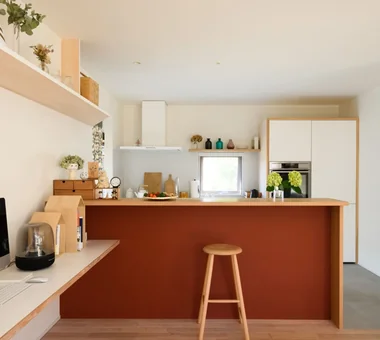
In Nordic-designed homes, wood-textured interiors are a striking foundational element. Incorporating wood species like oak and pine into floors, fixtures, and furniture creates a space infused with material warmth. Brightening walls and ceilings accentuates the character of the wood, yielding a light and airy impression. However, not all Nordic homes consist solely of light wood and white. Faithfully showcasing material textures and harmonizing them with furniture and lighting is the key to creating a calm, distinctly Nordic space.
Selecting Bright Nordic Color Schemes
Nordic interiors often utilize neutral colors like white and pale gray as a base, incorporating accents of blue, green, or yellow. In regions experiencing long winters, an interior culture evolved to keep indoor environments bright and comfortable. Consolidating walls and floors in tranquil tones while adding color through furniture, rugs, and cushions introduces rhythm throughout the space. Rather than overusing colors, selecting accent hues while balancing them with materials and light leads to a sophisticated Nordic aesthetic.
Window and Natural Lighting Planning to Maximize Scarce Daylight
In Nordic regions where winter daylight hours are short, an architectural philosophy valuing indoor light has naturally developed. In residential design, it is vital not only to capture natural light through windows but also to arrange furniture so window paths remain unobstructed, preserving indoor brightness. Even in Japanese homes, reading orientation and surrounding environments to determine window placement and sizing allows natural light to be captured effectively. The key goes beyond simply installing large windows; it involves combining them with layouts and interior finishes that guide light deep into the home.
Enhancing Insulation Performance to Prepare for Cold Climates
To cope with cold climates, Nordic architecture has advanced with a strong emphasis on insulation and airtightness—principles that can be effectively applied to Japanese homes. Securing thermal performance across walls, roofs, and floors, and adopting high-insulation sashes and double-glazed windows, helps suppress indoor-outdoor heat transfer. Enhancing insulation performance is crucial not only for winter heating efficiency but also for mitigating summer cooling loads. Selecting climate-appropriate insulation specifications and planning comprehensively—including airtightness, solar shading, and ventilation—leads to a comfortable living environment.
Selecting Flooring and Fixtures Complementary to Nordic Furniture
Nordic furniture features clean forms and designs that highlight material beauty, bringing a calm individuality to living spaces. To complement the furniture, choosing wood-textured flooring and understated fixtures ensures effortless harmony. Rather than matching floor and fixture colors too rigidly to the furniture, combining slightly varied wood tones and textures prevents monotony and introduces spatial depth. Prioritizing material quality and proportions over decorative embellishments is the key to showcasing Nordic furniture beautifully.
Evoking Nordic Living through Fireplaces and Wood Stoves
Fireplaces and wood stoves are symbolic elements of Nordic dwellings. The time spent with family and friends gazing at flickering flames mirrors the Danish concept of "hygge." However, installing a wood stove requires verifying product installation standards and relevant regulations regarding chimney specifications, clearances from combustible materials, hearth pads, wall shields, and ventilation. Planning ahead for firewood delivery, storage, and ash disposal ensures these elements can be enjoyed long-term as practical heating equipment rather than purely aesthetic features.
Maintaining a Nordic Aesthetic through Simple Custom Storage
In Nordic-designed homes, treating storage as a quiet component of the spatial design helps preserve a clean aesthetic. Flush custom storage integrated seamlessly with wall surfaces—matching door and panel finishes to walls and fixtures—minimizes the visual presence of storage. Conversely, displaying favorite ceramics, books, or art objects on open shelves rather than hiding everything is another hallmark of Nordic spatial creation. Utilizing accents of wood or brass and matching material textures down to the finest detail generates rich character amidst simplicity.
Accenting Nordic Interiors with Textiles and Fabrics
Textiles such as cushions, rugs, and curtains are essential elements that introduce color, pattern, and soft textures into Nordic interiors. Incorporating motifs inspired by geometry or botany infuses rhythm into simple spaces. Combining wool and linen materials delights both visual and tactile senses. Retaining foundational furniture and interiors while swapping out seasonal fabrics allows you to transform the space's mood without undertaking major remodeling.
Lighting Planning Suited to Nordic Design
In Nordic interiors, lighting is viewed not merely as a utility to brighten a room, but as a design element that crafts spatial atmosphere. Combining pendant lights, floor lamps, and table lights to provide targeted illumination where needed creates a serene luminous environment. Incorporating indirect lighting allows soft brightness to be reflected off walls and ceilings. Considering not only fixture design but also light height, diffusion, and color temperature gives rise to pleasant evening shadows and cozy living ambiance.
Cozy Living Spaces Evoking "Hygge"
The Danish term "hygge" is widely recognized as describing cozy moments and the warmth of spending time with close companions. To incorporate this into a home, beyond arranging furniture and lighting, it is essential to cultivate spaces where family and friends naturally gather. Adding cushions and blankets to sofas or combining warm-toned illumination fosters a relaxing atmosphere. Arranging furniture facing one another or at comfortable distances to encourage conversation is another effective layout approach.
Maintenance Emphasizing the Aging Patina of Materials
The wood species used in Nordic furniture and interiors develop changing colors and lusters over time. Because solid wood furniture and floors age differently depending on tree species and finishes, selecting materials with an understanding of their inherent traits is crucial. For oil-finished items, periodic maintenance following manufacturer-recommended methods helps preserve material condition. Rather than erasing all scratches and color shifts, embracing material evolution—including the traces of daily life—contributes to the rich longevity of furniture and homes.
Nordic Lifestyle Connections to Gardens and Terraces
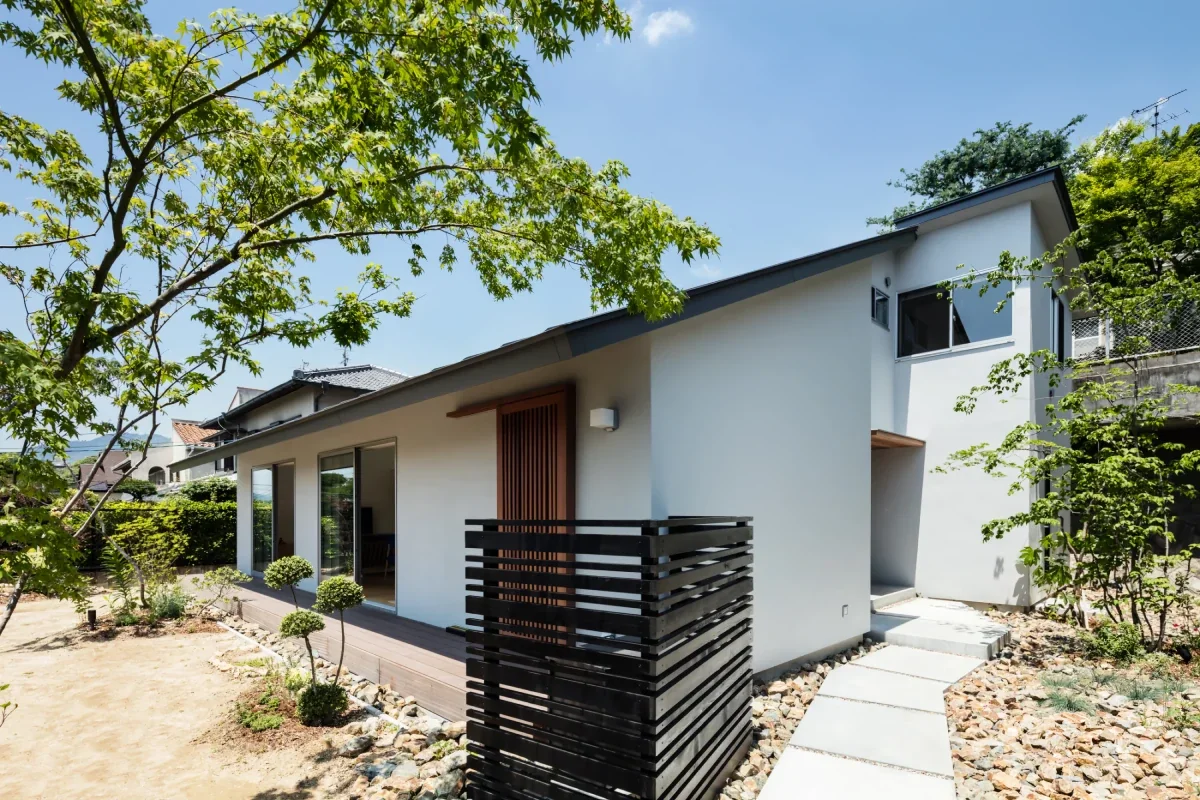
In Nordic cultures, during warm summer seasons, enjoying gardens and terraces as an extension of the living space is a cherished tradition. Even in Japanese homes, designing smooth openings from the living room to terraces or patios bridges the distance between indoor and outdoor domains. Placing outdoor tables and decks extends dining and reading activities into the yard. However, in Japan, countermeasures against intense summer sunlight, high heat and humidity, and regional snow or heavy rain are also necessary. Planning exterior spaces with seasonal versatility requires considering sunshades and outdoor furniture weather-resistance.
Harmonizing Nordic Design with the Japanese Climate
When bringing Nordic design into Japanese homes, adjusting for the local climate and lifestyle—rather than focusing solely on aesthetics—is vital. Wood species need not be restricted to Nordic varieties; domestic timber and other materials suited to regional climates and applications can be chosen. Factoring in summer solar shading, natural ventilation, and cooling plans alongside winter insulation makes it easier to achieve a comfortable year-round environment. Rather than blindly replicating Nordic design, translating its essence—material honesty and functional beauty—to suit Japan's native climate leads to a truly comfortable Nordic-inspired home.
Incorporating Saunas into a Nordic Lifestyle
Saunas represent a symbolic cultural pillar of Nordic life, particularly in Finland. Introducing a home sauna requires comprehensive planning that extends beyond building the sauna room itself to include air supply/exhaust, heat and moisture countermeasures, waterproofing, and electrical systems. Because required equipment and safety measures vary by heat source—such as electric heaters or wood stoves—planning must proceed in accordance with product installation standards and relevant regulations. Anticipating "löyly" (steam generated by pouring water over sauna stones) requires using equipment specifications tailored to that purpose. Integrating circulation paths with the bathroom and outdoor cooling spaces completes a home sauna designed for daily enjoyment.
Achieving Nordic Aesthetics within a Budget
Embracing Nordic design does not require sourcing all furniture and building materials directly from abroad. Simply incorporating wood textures in floors and furniture, paired with coordinated wall colors, lighting, curtains, and rugs, can establish a distinct Nordic ambiance. Instead of filling the home with high-end vintage or designer pieces, you can gradually select central items like a primary chair or key lighting fixtures. Balancing materials, light, color, and furniture while clarifying budget priorities makes enjoying Nordic design effortless and sustainable.


 House with a Natural Woodland Garden|Key Points for Home Building
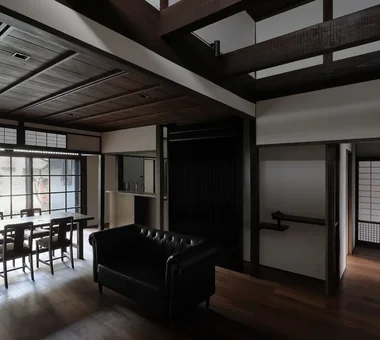 A Home for Living with Antiques|Introduction to Examples by Floor Plan & Room Type
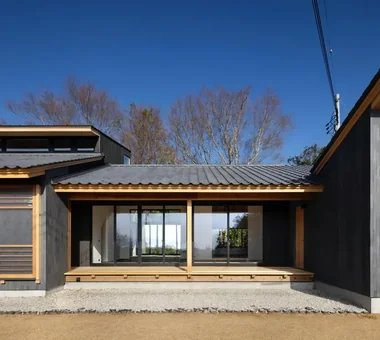 House of Wood|Home Building Q&A
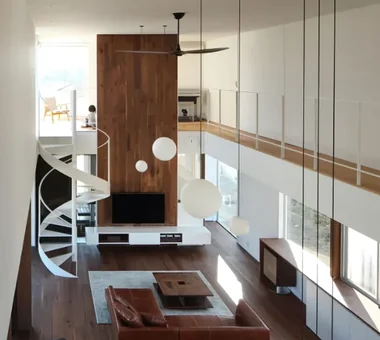 Stylish Atriums|Key Points for Home Building
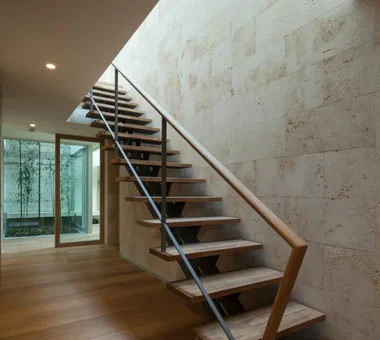 Stylish Staircases|Home Building Q&A
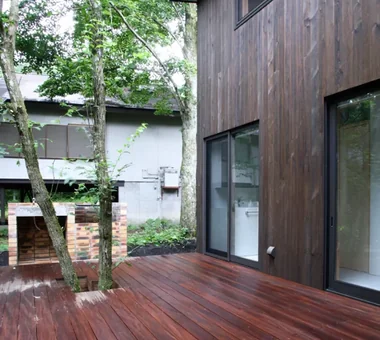 House with a Wood Deck|Home Building Q&A