JYU ARCHITECT
A Home to Live with Design|Home Building Q&A
Author: Qurasuki Editorial Department
In design-focused homes, daily appreciation of the residence itself and enjoying shifts in materials and light become part of everyday living. Conversely, prioritizing design raises questions about balancing visual beauty with everyday usability. When family preferences differ, a perspective on whose comfort is prioritized becomes necessary. Furthermore, prioritizing current preferences differs from maintaining harmony with the home after furniture or lifestyles change. The significance of integrating design into living also varies with location, surrounding scenery, and time spent at home. We organize the questions that tend to arise in design-oriented homes from the relationship between personal taste and daily life.
When proceeding with design-focused home building, how should you interact with the designer?
To realize your ideal home, sharing lifestyles, values, and images of favorite spaces from an early stage is important. Repeated dialogues while viewing the designer's past works make it easy to confirm each other's directions. Because design freedom is high, consultation opportunities also increase, but that accumulation becomes a crucial process enhancing the home's completion degree.
If design emphasis is placed, will costs become high?
Cost impacts change greatly depending on what you focus on. Adopting custom-made furniture or rare materials tends to raise expenses, but summarizing building shapes simply or devising material combinations makes it possible to realize attractive spaces while keeping budgets down. Proceeding with planning while organizing priorities is important.
Are design-focused homes prone to sacrificing performance aspects like earthquake resistance?
Design and housing performance are not contradictory. Even when adopting large openings or unique forms, earthquake resistance can be secured by conducting proper structural planning. Thinking about design and performance simultaneously leads to beautiful home building where you can live safely for a long time.
I want to be particular about custom furniture. How should it be selectively used with ready-made products?
Storage, TV boards, and kitchen surroundings—which dictate the impression of the space as a whole—have good compatibility with custom furniture, making it easier to create unified spaces. On the other hand, for chairs and sofas where sitting comfort and usability are important, selecting from ready-made products is also effective. Selective use according to budget and usage realizes well-balanced interior design.
In a design-loving home, to what extent should you be particular about lighting planning?
Lighting is a crucial element greatly dictating spatial impressions. Effectively combining indirect lighting and downlights can beautifully accentuate material textures and shadows. Examining lighting planning from the initial design stage makes it easy to summarize into a refined space including wiring and switch placement.
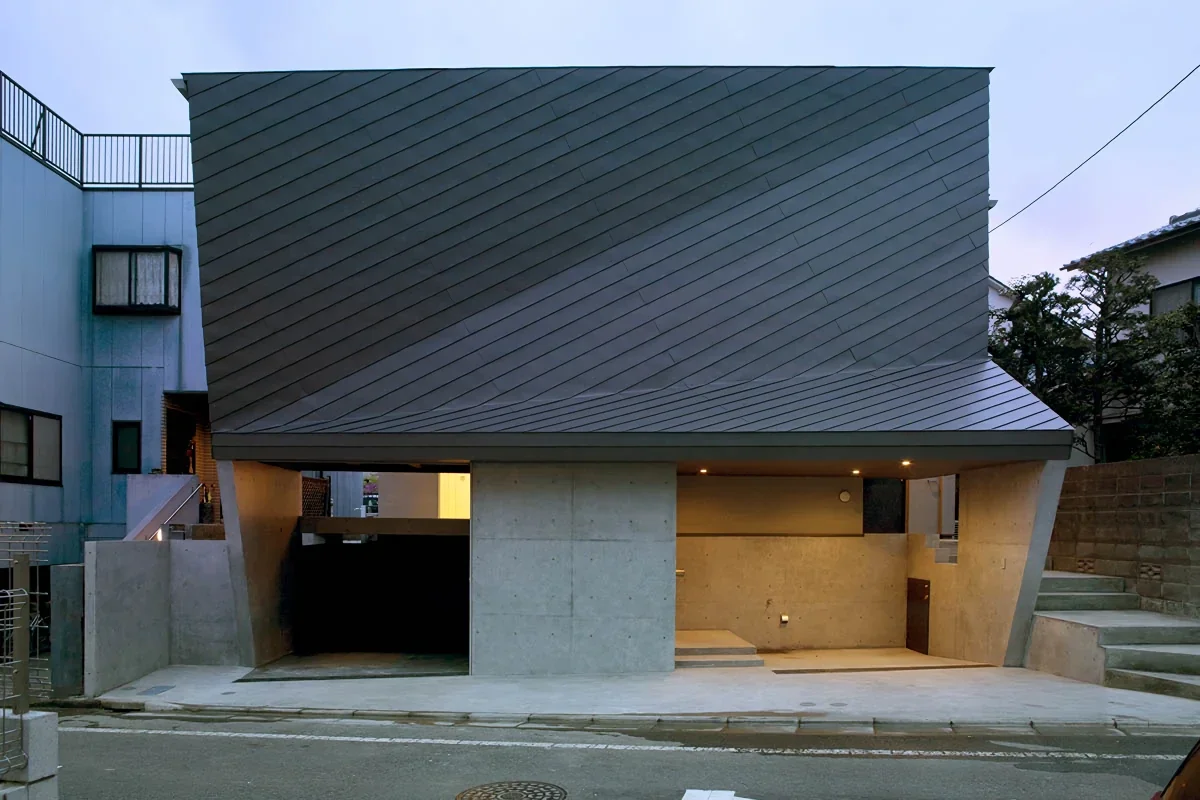
I want to achieve a unique exterior design. To what extent are there legal constraints?
It is necessary to satisfy conditions such as building-to-land ratios, floor area ratios, height limits, and slant line restrictions under the Building Standards Act. Additionally, depending on the region, restrictions by landscape ordinances or district plans may be established. To utilize design freedom, examining directions with designers while factoring in site conditions is important.
I heard design-focused homes tend to sacrifice livability. Is that true?
While prioritizing appearance alone sometimes affects usability, design and livability are fully balanceable through appropriate design. Carefully examining daily usability aspects—such as traffic flow, storage planning, lighting, and ventilation—results in homes combining beauty and comfort.
How should the exterior landscaping of a design-focused home harmonize with the building?
Thinking of the building and exterior as a single design is important. Unifying materials and color tones of exterior walls, approaches, gate posts, and fences creates unity across the site. Planning including plantings can further accentuate the building's charm.
In design-loving home building, how should material selection proceed?
We recommend selecting materials while seeing and touching them actually. This is because appearances under lighting, textures, and aged expressions are difficult to judge from photographs alone. Organizing parts to be particular about and parts utilizing standard specifications, while being conscious of overall residential balance, finishes into spaces with high completion degrees.
I want to harmonize art, furniture, and interior decor. How should this be planned?
If favorite furniture or art exists, sharing it from the design stage makes it easier to create overall spatial unity. Leaving negative space in wall and lighting plans also enables flexible response to future layout changes. The perspective of nurturing the home alongside lifestyle, rather than thinking of it as a finished product, is also important.
What is necessary to turn a design-focused residence into a magazine-worthy, photogenic space?
How light is welcomed, material textures, and the use of negative space become crucial points. Organizing plans so items prone to producing daily life feels are properly stored makes spatial beauty stand out. However, rather than pursuing photogenic qualities alone, being conscious of balance with daily livability is important.
When commissioning an architectural office, what happens to the relationship with the contractor?
In the design-supervision method separating design and construction, the designer confirms quality while conveying design intent to the construction site. Thorough collaboration between the designer and contractor is indispensable to realize homes detailed down to corners. Having a framework allowing consultations including contractor selection provides peace of mind.
How should design-focused residences prepare for future maintenance?
When adopting highly aesthetic materials and equipment, confirming future repair methods and parts supply systems is also important. Preserving architectural drawings and records of used building materials makes future repairs and replacements smooth. Regular inspections are also indispensable to maintain beauty for a long time.
In a design-loving home, how can storage and beauty be balanced?
The key is selectively using displayed storage and hidden storage appropriately. Displaying favorite books, art, and small items on display shelves, while storing daily goods and necessities in door-equipped storage, balances spatial beauty and usability. Thinking of storage planning as part of design is important.
What is important to avoid regrets in design-focused home building?
Verifying carefully whether it matches actual lifestyles, not just beautiful design, is important. Experiencing spatial scale and material textures through completed building tours and actual example viewings—rather than just drawings and perspectives—makes post-completion gaps easier to reduce. Carefully reconciling ideals and practicality leads to highly satisfying home building.





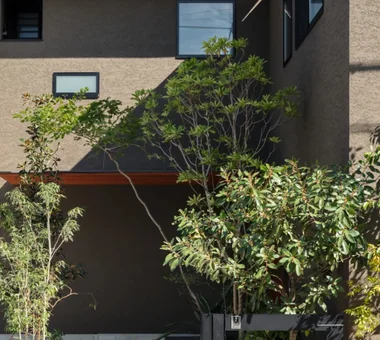 House with a Natural Woodland Garden|Key Points for Home Building
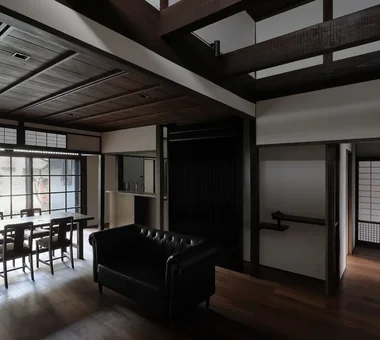 A Home for Living with Antiques|Introduction to Examples by Floor Plan & Room Type
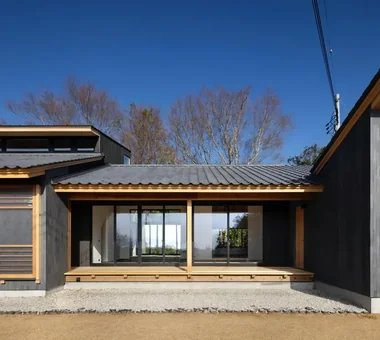 House of Wood|Home Building Q&A
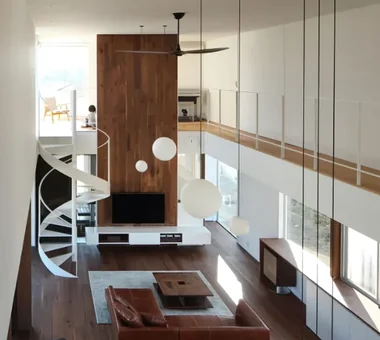 Stylish Atriums|Key Points for Home Building
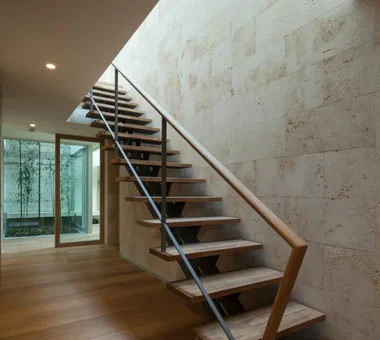 Stylish Staircases|Home Building Q&A
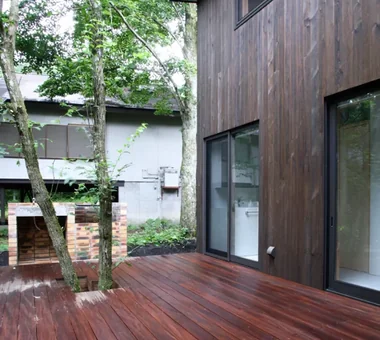 House with a Wood Deck|Home Building Q&A