How to Choose Exterior Walls and Metal Elements Resistant to Salt Spray and Damage
When building a home near the ocean, consideration for corrosion and deterioration caused by salt in the sea breeze is indispensable. Exterior wall materials should be chosen to suit the environment of the planned area, such as tile or painted finishes. For metal elements, it is advisable to consider materials treated for corrosion resistance, such as stainless steel, or products subjected to rust-proofing and surface treatments. Because the effects of salt damage extend to small metal parts such as sashes, entry doors, handrails, and screws, it is important to consult with designers or manufacturers to confirm the necessary weather resistance performance based on distance from the coast and wind direction.
Living Room and Window Layout Planning Utilizing Ocean Views
If ocean views are to be integrated into daily life, the positioning of the living room and windows should be planned according to the site conditions. Placing the living room on the second floor can reduce the impact of surrounding buildings and fences, sometimes opening up a clear view of the sea. When planning large openings, it is important to consider not only the view, but also thermal insulation, solar radiation, wind pressure resistance, and privacy. By carefully designing window heights, widths, and frame sightlines, the horizon can be framed like a single piece of art.
Entrance and Dirt Floor (Doma) Design to Prevent Sand and Debris Infiltration
In a lifestyle that enjoys seaside walks, water play, and marine sports, an entrance plan that prevents sand and water from being brought indoors is very useful. Providing a spacious dirt floor (doma) at the entrance creates a traffic flow where sand can be brushed off shoes or sandals before stepping up into the interior, helping to reduce cleaning burdens. For flooring, it is best to choose finishes that are relatively resistant to water and sand and easy to clean, such as tile or mortar. Combining a traffic flow with direct access from the entrance to the bathroom, powder room, or outdoor shower makes life after returning from the ocean even smoother.
Key Points for Installing Outdoor Showers and Foot-Washing Stations
When returning from swimming or surfing, having an outdoor shower or foot-washing station to rinse off sand and seawater is very convenient. The installation location should be placed along the traffic flow from the sea so that it can be used before entering the entrance or doma. In addition to water supply, drainage outlets and pathways should be planned together to ensure proper drainage. When installing a hot-water outdoor shower, check piping distances and freeze prevention measures as well. By combining privacy walls, louvers, or planting with consideration for lines of sight from roads or neighboring houses, it becomes a comfortable space to use outdoors.
Opening and Roof Design Prepared for Strong Winds and Typhoons
In homes close to the sea, design anticipating strong winds from typhoons and seasonal winds is crucial. Windows should be checked for wind pressure resistance performance corresponding to regional standards and site conditions, and flying debris countermeasures such as shutters or storm shutters should be considered as necessary. Regarding roofs, it is important to choose specifications appropriate for strong winds, including not only the roofing material itself, but also substrates and fastening methods. Eaves overhangs and roof shapes should not be determined solely by exterior aesthetics, but should be designed according to structural and regional conditions, taking wind effects and waterproofing into account.
Storage Planning for Surfboards and Marine Gear
In homes that enjoy surfing, windsurfing, etc., incorporating where to store and maintain equipment into the floor plan makes daily life comfortable. Because surfboards and wetsuits are difficult to fit into indoor storage, utilize doma storage beside the entrance, in the garage, or with direct access from the exterior. Providing racks that allow boards to stand or hang on walls makes storage easy even in limited spaces. Locating a place to dry wetsuits and a water spigot to wash boards and fins nearby also ensures a smooth sequence of actions after returning home from the ocean.
Maintenance Planning to Suppress Deterioration Caused by Salt Breeze
In seaside homes, salt-laden sea breezes adhere to exterior walls and metal members, promoting corrosion and deterioration. Therefore, to use a building for a long time, it is important to select materials and detailing on the premise of regular inspection and cleaning. Salt attached to exterior walls and metal members can sometimes be removed by washing with water, but appropriate methods vary by member and finish, so check the manufacturer's maintenance methods. Regularly checking deterioration conditions for paint and sealings, and planning an exterior design that is easy to maintain so repairs can be made at the necessary time, brings peace of mind.
Ventilation Planning as a Countermeasure Against Condensation and Humidity
Just because a home is close to the sea does not mean the interior will always have high humidity, but consideration for moisture is necessary depending on regional climate and seasons. After securing the airtightness and insulation performance of the dwelling, ensuring that planned ventilation, such as 24-hour ventilation, functions properly is fundamental. Enhancing insulation performance and making it difficult for surface temperatures of windows and walls to fall below the indoor dew point also helps suppress condensation. In areas where moisture easily generates, such as bathrooms and powder rooms, local ventilation should also be properly planned, and dehumidifiers or air conditioning with dehumidification functions can be combined as needed.
Terrace Design Considering Sunshades and UV Protection
In seaside living, much time is spent under strong sunlight, so incorporating mechanisms to control solar radiation on terraces and decks makes them comfortable. Using pergolas, awnings, or external blinds allows you to enjoy outdoor spaces while blocking sunlight. For deck materials, verify weather resistance against UV rays and rain, as well as maintainability, and choose the one suited to the environment from natural wood, resin, or wood-flour composite deck materials. For indoor windows, selecting Low-E glass or glass considering solar-shading performance helps suppress indoor temperature rises and fading of furniture and floors caused by summer sunlight.
Choosing Windows That Balance Views and Thermal Insulation Performance
While large windows overlooking the sea greatly enhance the appeal of a home, windows tend to experience greater heat exchange compared to walls, making consideration for thermal insulation essential. Choose glass suited to the regional climate and housing performance, such as Low-E double glazing or triple glazing, and evaluate the thermal insulation performance of the sashes as well. Because seaside locations also require consideration for strong winds, it is important to select specifications that satisfy the required wind pressure resistance performance in addition to opening size. Organize multiple conditions—views, insulation, solar radiation, and wind pressure resistance—and design windows to match the site orientation and surrounding environment.
Securing Lines of Sight and Privacy from the Sea
While homes open toward the sea allow you to enjoy views, there is also the possibility of interiors being seen by people passing on roads or the coast. Therefore, it is important to adjust window heights and positions to control lines of sight while bringing in light and scenery. By using high windows, clerestories, low windows, and horizontal slit windows selectively, you can frame only the necessary lines of sight while maintaining a sense of openness. While methods combining louvers, planting, or fences are also available, the key is to design the placement while considering the balance between views and privacy so as not to completely block the view of the sea.
Foundation and Ground Planning Considering Tidal Levels and Storm Surges
On sites close to the sea, it is important to check disaster risks such as tsunamis, storm surges, and floods in advance. Check expected inundation areas and depths using hazard maps published by local governments, and understand site elevations and surrounding evacuation routes. Consider measures according to regional disaster risks, such as securing floor heights or placing equipment in positions less susceptible to inundation, as needed. Additionally, depending on the results of ground surveys, foundation types such as ground improvement or piles may be selected. Disaster prevention performance should be considered integrally across the site, building, and evacuation plan, rather than the building alone.
Window Orientation Planning to Enjoy Sunsets and Sunrises
In homes living with the sea, the time spent watching the sunrise over the horizon or the sunset sinking into the sea becomes another charm of the dwelling. Confirm not only the direction of the sea, but also east, west, north, and south orientations, and plan window placement by considering at which time of day you want to enjoy which scenery. East-facing windows make it easy to bring in morning light, and west-facing windows evening scenery; however, western sunlight tends to intensify indoor solar radiation, so solar-shading devices such as eaves or external blinds should be considered concurrently. Framing the scenery to match the time spent in each location—living room, dining room, bedrooms—creates a home where the expressions of the sea can be enjoyed throughout the day.
Planting and Exterior Planning Resistant to Salt Spray
In seaside gardens, selecting plants with consideration for resistance to salt breezes is important. Plants found in coastal areas, such as pines, tobira, and hamahisakaki, possess resistance to salt breezes, but growth conditions vary by environmental conditions even for the same tree species. Choose plants suited to the regional climate, soil, and sunlight conditions, and consult with planting experts as needed. Exterior elements such as fences, gates, and handrails should also be selected considering resistance to salt damage and maintainability. When placing plantings on the seaside, planning with a view toward windbreak effects as well as post-growth size and ease of management is key.
Selection of Roof and Exterior Wall Materials Suited to the Seaside Climate
In seaside homes, it is important to choose roofs and walls based on multiple climatic conditions including not only salt damage, but also strong winds, rain, and UV rays. Consider not just material weather resistance, but also the durability of each part constituting the building, such as paint, surface treatments, joints, and hardware. Roofing materials should adopt fixing methods corresponding to regional wind conditions, and weather resistance against UV rays and rain should be confirmed for exterior wall sealants as well. In seaside homes, choosing materials inclusive of aging expressions and maintenance over time, rather than just the beauty at the moment of construction, leads to a long-lasting home.




 Industrial Design Residences|Home Building Q&A
 Stylish Toilet|Key Points for Home Building
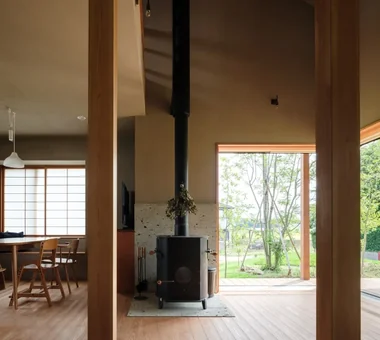 Homes Featuring Wood-Burning Stoves|Key Points for Home Building
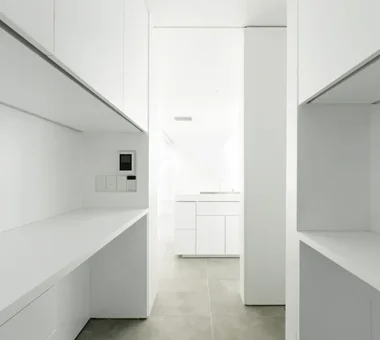 Stylish Storage Solutions|Key Points for Home Building
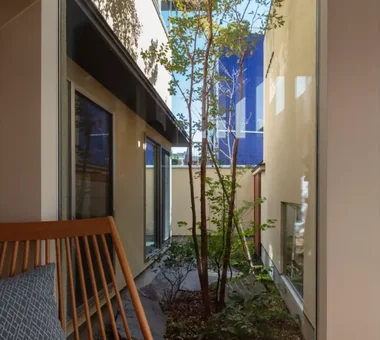 House with a Tsubo Courtyard Garden|Home Building Q&A
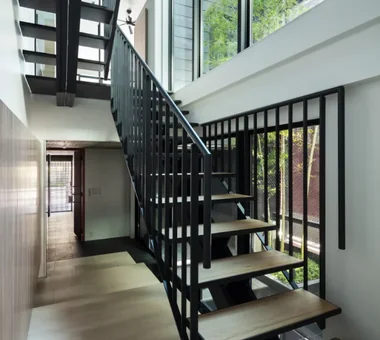 House with an Open Skeleton Staircase|Key Points for Home Building