*studioLOOP Architects
White House|Home Building Q&A
Author: Qurasuki Editorial Department
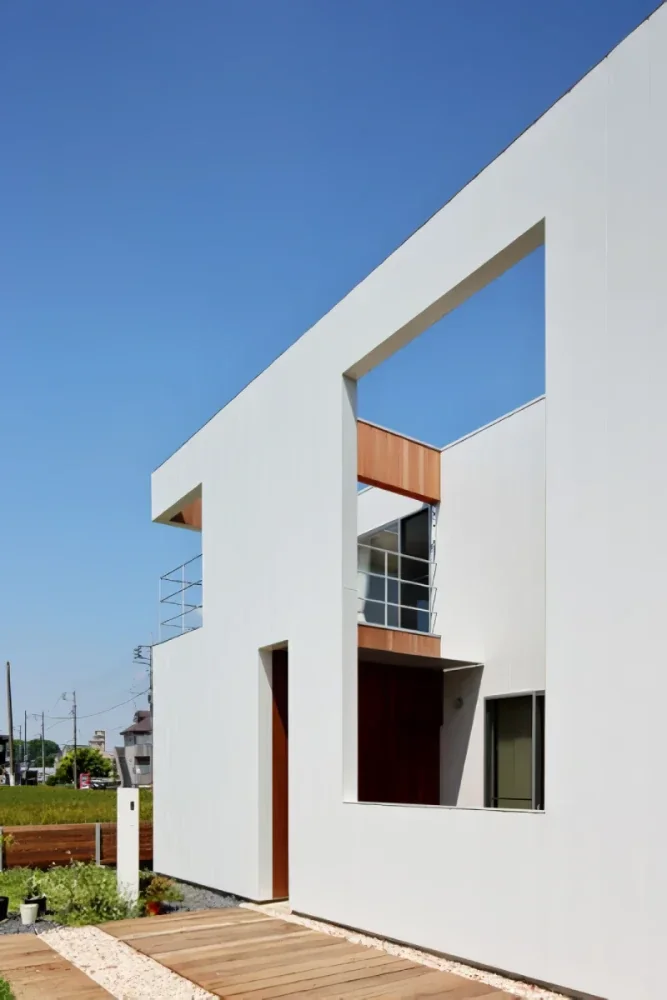
In a white house, unifying the exterior and interior with white highlights the brightness of incoming light and the texture of materials, while white itself acts as the primary element defining the spatial impression. Even with the same white, appearances shift with lighting angles, surrounding scenery, and material surfaces. The atmosphere changes drastically depending on whether the goal is a pure, uniform white space or creating shadows by combining different materials like wood, stone, and metal. Exterior walls involve considerations for surrounding environments and dirt visibility, while interiors involve harmony with furniture and daily goods. Accepting the lightness brought by a white base alongside the colors and items generated in daily life is also vital. For white houses, we organize questions such as the extent of white unification, and what differences arise based on materials, light, surroundings, and lifestyle.
Why are white houses chosen by many residents?
White is a color that easily reflects light, and using it on exterior walls or interiors makes it easy to create a bright, light-footed impression. Surrounding greenery, skies, and material shading also stand out easily, revealing different expressions depending on the season and time of day. The ease of matching wide-ranging designs—from clean, unpretentious exteriors to soft interiors leveraging material texture—is also the appeal of white houses.
What material choices exist for white exterior walls?
For white exterior walls, various materials exist, including plastered walls (nurikabe), ceramic siding, metal siding, and tiles. Plastered walls make it easy to create a unified expression with few joints, while tiles possess appealing material texture and durability. Even with the same white, impressions change greatly based on surface unevenness and luster, making it important to choose to encompass weather resistance, cleanability, and future maintenance.
What kind of ingenuity exists for dirt-prevention countermeasures on white exterior walls?
Because white exterior walls easily reveal dirt like rain streaks and soil dust, design considering exterior wall shapes and water flow is crucial. Methods exist devising fits around eaves, flashing (mizukiri), and windows to examine details making rainwater less likely to run down exterior walls. Selecting low-pollution-type paints or exterior materials resistant to dirt adhesion is also an option. Confirming maintenance methods by material provides peace of mind.
How do white exterior walls change with aging over time?
White exterior walls can occasionally show noticeable dirt like rain streaks and soil dust with the passage of time. Moreover, depending on finish materials, colors and textures can change under the influence of ultraviolet rays and humidity. Because how aging appears differs by material and site conditions, confirming weather resistance and maintenance methods of adopted exterior wall materials in advance is important.
What kind of effect is produced when interiors are consolidated in white?
White-based interiors easily reflect light, making it easy to create a bright and open impression. Unifying walls and ceilings in white generates continuity of line of sight, and the expected effect of making spaces look neat can also be anticipated. On the other hand, gathering everything in the same white can sometimes feel monotonous, so combining different materials like wood, stone, and plaster, and adding variation to shading and texture, yields rich expressions.
How should lighting planning for a white space be considered?
Because white spaces are easily influenced by light, impressions change greatly based on lighting color temperatures and light directions. Combining indirect lighting illuminating wall surfaces and furniture, rather than illuminating uniformly from the ceiling, generates shading on white surfaces, resulting in a space with depth. Methods combining dimming functions or multiple types of lighting so that different expressions can be enjoyed day and night are also effective.
How can accent colors be incorporated into a white house?
Based on white, partially incorporating wood colors, black hardware, deep green, or terracotta generates modulation in spaces. Utilizing easily replaceable items like furniture, lighting, and fabrics as accents allows you to change colors while living there. Narrowing down places and areas using accent colors adds resident-like individuality while preserving white's light-footedness.
How does white's appearance change based on material texture?
Even with the same white, appearances change greatly depending on material surfaces. Matte plastered finishes yield a soft and calm impression, while glossy tiles and painted surfaces reflect light to display sharp expressions. Uneven materials generate shading, creating rich expressions even in a single white. It is advisable to confirm actual material samples under natural light and lighting.
Do white exterior walls change in dirt-susceptibility depending on region and climate?
How white exterior walls soil changes based not just on climate, but also on building location, surrounding environment, exterior wall orientation, shape, and finishes. Dirt adheres easily along roads with heavy traffic or places with abundant soil dust, and algae or mold can also develop on exterior walls depending on sunlight and ventilation. Planning exterior wall materials, water shedding, and eaves based on land conditions is important.
Are there countermeasures for algae and mold development on white exterior walls?
On surfaces where moisture is easily trapped and sunlight is poor, algae and mold can develop on exterior walls. As countermeasures, it is important to confirm the anti-algae and anti-mold performance of the exterior wall material itself, while examining shapes and fits preventing rainwater from remaining on exterior walls for extended periods. Air layers play a role in discharging moisture inside walls as part of exterior wall construction methods, but do not directly prevent algae and mold on exterior wall surfaces. Selecting materials suited to site conditions and considering upkeep is the key point.
How should exterior structures (gaiko) and plantings of a white house be harmonized?
White exterior walls easily accentuate the green of plantings, allowing soft expressions to be added to buildings through combinations with trees and flowering plants. Incorporating deciduous trees allows seasonal changes—such as fresh spring greenery, summer shade, and autumn foliage—to be reflected on the exterior. Directing consciousness to exterior materials like stone, wood, and concrete, and considering the building and garden as a single landscape, further accentuates a white house's presence.
What features regarding cost exist in white houses?
Construction costs are not determined by the color white itself; costs vary based on exterior wall material types, finishes, and construction methods. For example, selecting tiles, plastered finishes, or highly design-oriented paints can raise expenses higher than general ready-made exterior materials. Conversely, selecting materials excelling in weather resistance and dirt resistance can suppress future maintenance burdens. Comparing initial costs alongside upkeep is important.
How should the colors of sashes and fixtures matching a white house be selected?
Matching white sashes to white exterior walls makes openings blend into exterior walls, creating a clean exterior with a sense of unity. Conversely, selecting sashes in black, dark gray, or wood tones makes openings stand out as outlines, generating modulation in the exterior. Sash colors influence not just exterior design but views seen from indoors, making examination encompassing exterior walls, roofs, entryway doors, and indoor fixtures advisable.
How should roof colors and materials matching a white house be thought of?
White exterior walls can have their impressions altered greatly by roof colors and materials. Matching bright colors like white or light gray creates a light-footed and quiet presence, while matching dark colors like black or charcoal makes outlines stand out for a calm impression. Roofs are important not just for exterior design, but for weather resistance, heat insulation, and maintainability. Selecting while viewing balance with surrounding townscapes and building shapes is important.
What points are good to communicate to the designer when building a white house?
It is important to share a concrete image—such as what kind of white is desired, whether a matte texture is preferred, or if glossy materials want to be used—beyond simply communicating "I want a white house." Communicating how much tolerance exists for exterior wall dirt and aging over time, alongside effort and budgets allocatable to maintenance, also facilitates material selection. Confirming actual construction examples under cloudy skies and morning/evening light, not just during clear weather, lets you imagine white's expression more concretely.



 A Home for Living with Antiques|Custom Home Examples by Architectural Offices
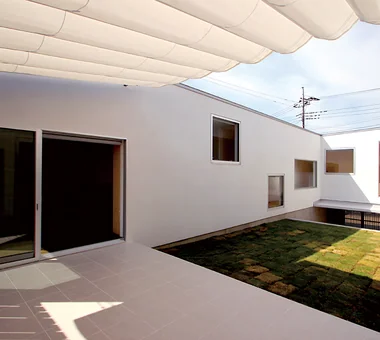 Homes Designed for Living with Dogs|Custom Home Examples by Architectural Offices
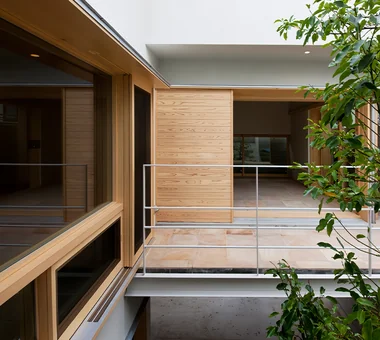 House with Wooden Window Sashes|Custom Home Examples by Architectural Offices
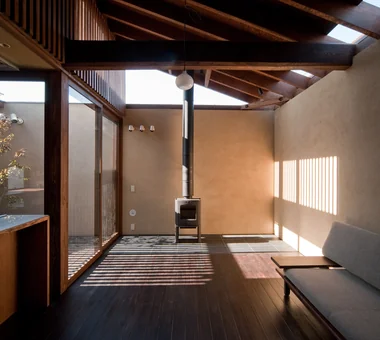 Homes Featuring Wood-Burning Stoves|Introduction to Examples by Floor Plan & Room Type
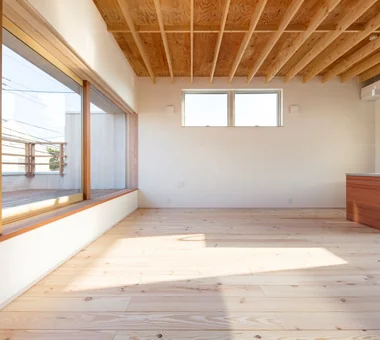 House with Second-Floor Living Room|Introduction to Examples by Floor Plan & Room Type
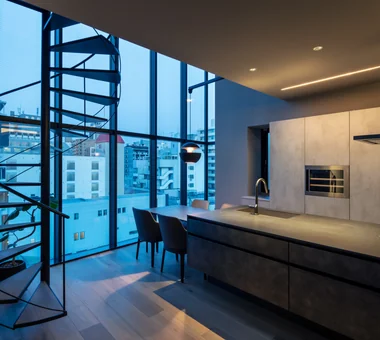 House with a Spiral Staircase|Custom Home Examples by Architectural Offices