Kumi Inoue Architects
House with Wood Siding|Home Building Q&A
Author: Qurasuki Editorial Department
In a home with wood siding, while wood textures and natural expressions can be brought to the exterior, it is necessary to account for materials changing over time. Wood hues and grain vary by species and finish, and exterior impressions shift with solar radiation, rain, and surroundings. Perspectives on wood siding differ depending on whether preserving the initial look or enjoying color changes from aging is preferred. Moreover, finishing the entire exterior in wood versus partial application alters the building's overall impression. Combinations with surrounding streetscapes, roofs, and openings also dictate wood presence. We organize questions concerning timber aging, exterior harmony, and maintenance that easily arise in wood siding homes.
What kind of exterior wall is wood siding?
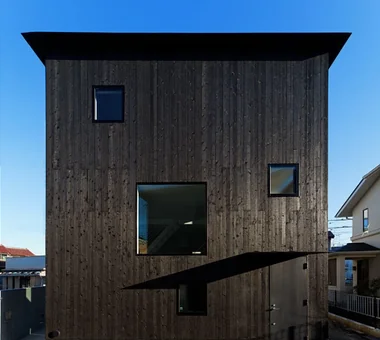
This is an exterior wall finished by arranging wooden boards horizontally or vertically. Its characteristic is that it allows you to enjoy wood-unique textures and aging changes distinct from siding or mortar. The way colors change over time is also one of the charms of wood siding, and it is chosen when you want to create an exterior that harmonizes with surrounding greenery and scenery.
What kinds of wood are used for wood siding?
Woods such as cedar, cypress (hinoki), and red cedar are used. When used outdoors, not just the tree species, but also the presence or absence of preservative/anti-termite treatments, painting specifications, and board shapes affect durability. Because colors, grain, and aging appearance vary by tree species, it is important to choose while imagining the expression after time passes, not just immediately after completion.
How does wood siding change over time as it ages?
Unpainted wood changes color through exposure to ultraviolet rays and wind/rain, gradually turning into a grayish hue. Such aging changes, called "silver gray," can also be enjoyed as an expression unique to wood siding. On the other hand, when you want to preserve the wood color as much as possible, methods of protection through exterior paints and the like exist. Because weather resistance and repainting timing vary by paint type, it is important to check product specifications.
How much maintenance does wood siding require?
In the case of painted finishes, periodic repainting is required depending on paint types and location conditions. Even when enjoying aging changes with unpainted wood, while painting maintenance becomes unnecessary, it is important to check whether there are decay, cracks, or warping of boards. Because the progress of deterioration varies depending on eave depth, exterior wall ventilation, and rain exposure conditions, considering upkeep matching building conditions is crucial.
How should the fire-retardant performance of wood siding be considered?
When adopting wood siding, it is necessary to check conditions such as the building's use, scale, structure, and fire-prevention or quasi-fire-prevention districts. Although performance such as fire-retardant structures is required for exterior walls in some regions, combining certain structural methods or ministerial certifications can allow wood to be used as a finish on its surface. Because whether wood can be used is judged by the entire exterior wall configuration, it is important to check with the designer at an early stage of planning.
What installation patterns exist for wood siding?
There are methods of installing boards horizontally or vertically, with horizontal installation including formats like board-and-batten or clapboard. The impression of the exterior also changes depending on how boards overlap and how joints are displayed. Because horizontal installation easily emphasizes horizontal lines and vertical installation vertical lines, choosing while considering the balance with the building shape and surrounding environment is advisable.
How does wood siding relate to ventilation construction methods?
With ventilation construction methods where a ventilation layer is provided between the exterior wall material and the frame, moisture and humidity that have entered inside walls can be easily discharged. Even with wood siding, it is important to plan exterior wall configuration, waterproofing, and ventilation in an integrated manner. It is important to check the entire exterior wall configuration including substrates, waterproof layers, and ventilation layers, rather than thinking about durability with the wood material alone.
Can wood siding be combined with other materials?
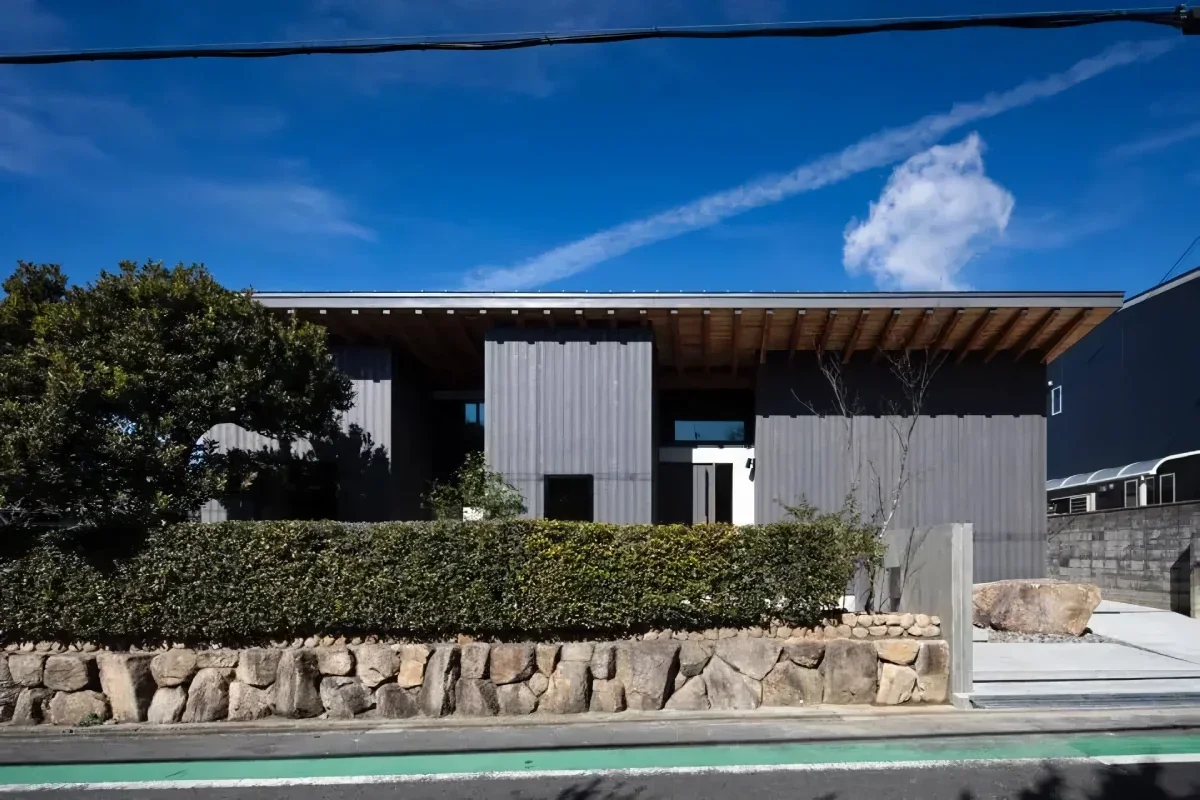
By combining wood with materials of different textures, such as mortar, galvalume steel sheets, etc., contrasts can be created in the exterior. Rather than making the entire surface wood-sided, methods of incorporating it around the entryway or on part of wall surfaces also exist. Creating the expression of a dwelling through material placement—such as the contrast between the warmth of wood and inorganic materials—is also a charm of wood siding.
How much does wood siding cost?
The cost of wood siding varies greatly depending on tree species, board specifications, presence or absence of painting, construction methods, and substrate configuration. Because it can involve more labor in materials and construction compared to general exterior materials, simple comparisons cannot be made based on material unit prices alone. By adopting it partially rather than entirely, there is also a method of adjusting overall costs while incorporating textures unique to wood siding.
Can wood siding be adopted in rainy regions?
Wood siding can be adopted even in rainy regions. However, considering the time rainwater stays on exterior walls and ease of drying, it is important to properly plan eaves, drip edges, waterproofing, and ventilation. Examining specifications down to which surface adopts which exterior wall, based on regional precipitation, wind direction, and sunlight conditions, leads to long-lasting, usable exterior walls.
Does wood siding have concerns regarding insect damage?
As long as wood is used for exterior walls, the risk of insect damage cannot be completely eliminated. Keeping wood in a dry state is important, especially in parts close to the ground or parts where moisture easily accumulates. While methods of choosing products subjected to preservative/anti-termite treatments exist, treatment contents and application ranges vary by product. Periodically checking conditions including foundation areas and drip edges, not just exterior walls, is advisable.
How do board width and color of wood siding affect the exterior?
Depending on board width and installation method, the rhythm and scale sense of the exterior change. Wide boards create a magnanimous impression, while narrow boards easily create fine rhythms, generating various expressions through combinations with building shapes. When painting, choices range from finishes that retain wood grain to finishes applying solid colors firmly. Considering relations with surrounding scenery, roofs, sashes, etc., makes it easier to leverage the material's charms.
How does wood siding adapt to future renovations?
The fact that only deteriorated boards can sometimes be partially replaced is one of the characteristics of wood siding. However, products of the same tree species, dimensions, and colors are not guaranteed to be obtainable in the future. When considering ease of repair, recording specifications of used boards and paint information, and keeping spare materials in storage when necessary, is one method. Checking detailed detailing assuming future replacement with designers provides peace of mind.
How does wood siding affect insulation performance?
Because wood siding is mainly used as a finishing material, the overall insulation performance of a house is largely dictated by insulation material types, thickness, openings, airtightness, and exterior wall configurations. Although wood itself is a material that transmits heat less easily than metals, exterior wall finishing materials alone do not largely determine a house's insulation performance. Wood-siding design and insulation/airtightness performance are important to plan as an overall exterior wall configuration.
What points are good to communicate to the designer when adopting wood siding?
It is important to specifically communicate finishing images, such as how you want wood colors to age over time, and whether to paint or leave unpainted. Sharing adopted ranges, budgets, and labor that can be spent on maintenance also facilitates examining exterior wall specifications. Checking aging changes after several years through actual examples, not just immediately after completion, serves as a reference for material selection.




 A Home for the Joy of Cooking|Key Points for Home Building
 House with Skip Floors|Custom Home Examples by Architectural Offices
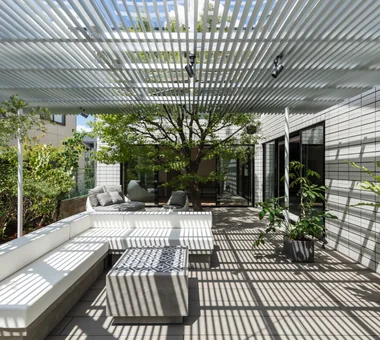 Homes with Gardens|Custom Home Examples by Architectural Offices
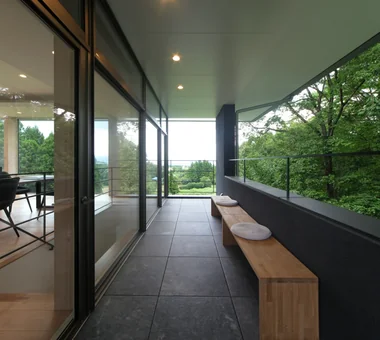 Homes with Scenic Views|Custom Home Examples by Architectural Offices
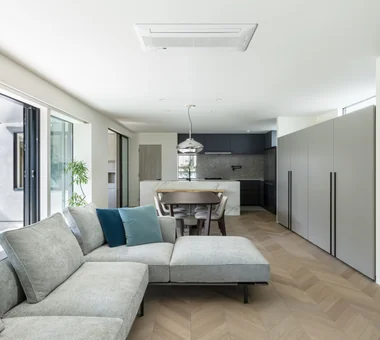 Modern Residences|Key Points for Home Building
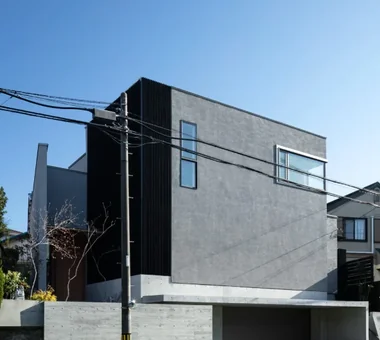 Stylish Exteriors|Key Points for Home Building