KICHI ARCHITECTURAL DESIGN
House with Yakisugi (Shou Sugi Ban) Siding|Home Building Q&A
Author: Qurasuki Editorial Department
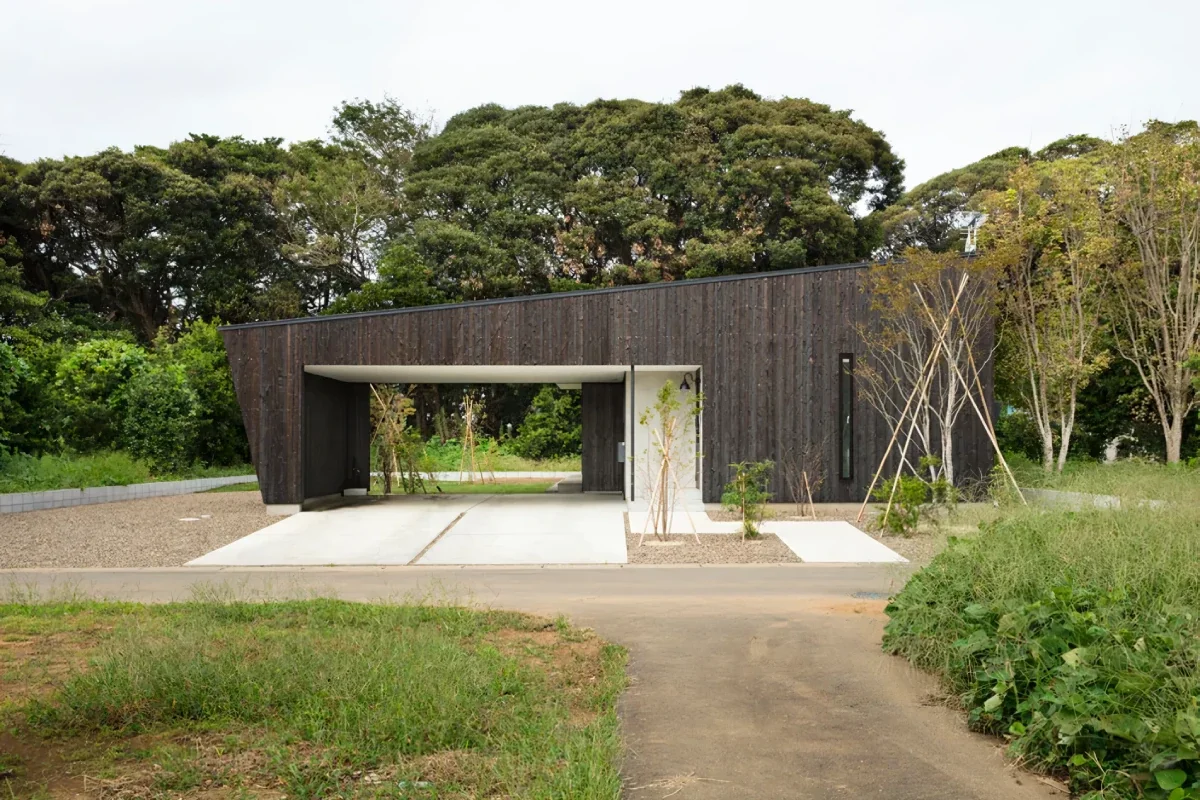
In a home with yakisugi (charred cedar) siding, the unique black expression created by charring and changes over time form major exterior characteristics. Because it possesses textures distinct from conventional wood siding, appearance varies depending on whether the building aims for a calm impression or creates contrast with surroundings. Additionally, while questions arise regarding durability and maintenance from the name yakisugi, actual handling and evolution vary by manufacturing methods, finishes, and regional climates. Choices also differ depending on whether maintaining a black exterior or embracing color and texture changes as material character is preferred. We organize questions concerning material characteristics, aging, and environmental relationships that easily arise in yakisugi homes.
What kind of exterior wall material is burnt cedar (yakisugi)?
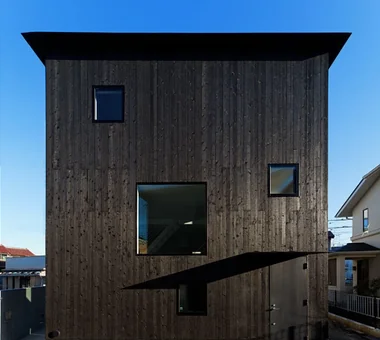
Yakisugi is an exterior wall material made by burning the surface of cedar boards to carbonize them. It is a traditional wooden exterior wall used since ancient times centered in western Japan, characterized by deep black color and unique carbonized expressions. Surface finishes range from traditional burning methods to modern processing, allowing the creation of exteriors utilizing the expression of the material itself.
Why is yakisugi considered to have high durability?
Yakisugi creates surface conditions different from ordinary timber by carbonizing the surface of cedar boards. While a certain level of weather resistance is expected due to the carbonized layer, durability varies depending on burning methods, carbonization states, construction methods, and rain/solar radiation conditions. It is not that "maintenance is unnecessary because it is burnt," but rather important to maintain and manage while checking surface conditions and deterioration of the boards themselves.
What manufacturing methods exist for yakisugi?
One traditional manufacturing method involves combining cedar boards into cylindrical shapes and burning them from the inside to carbonize the surface. This is a traditional burning method commonly called "triangle burning." On the other hand, modern methods include burning surfaces with burners or products replicating yakisugi expressions. Because carbonization layer states and textures vary by manufacturing method, checking product specifications and construction methods alongside appearance is advisable.
What kind of care is required after construction for yakisugi exterior walls?
Yakisugi may shed charcoal powder right after construction depending on products and burning methods. Because hands or clothing may turn black when touched, checking influences on surroundings during construction provides peace of mind. During use as well, check whether there is peeling of carbonization layers, board cracking, or warping, and perform repairs as needed. Because maintenance methods vary by product, recording specifications at the time of construction is also important.
How does the color tone of yakisugi change over time?
Yakisugi exhibits a deep black color immediately after construction, but under the influence of ultraviolet rays and wind/rain, surface carbonization layers change, gradually turning into grayish expressions. The manner of change varies depending on burning methods, carbonization states, presence or absence of painting, and location conditions. Changing expressions little by little over time rather than aging uniformly is one of yakisugi's charms.
In what regions is yakisugi a traditional building material?
Yakisugi is a wooden building material used for exterior walls of houses and storehouses primarily in western Japan, centered around the Setouchi region. Against the background of regional climates and material availability, the technique of burning cedar for exterior walls has been handed down. Today, it is incorporated into modern houses and shops as well as traditional homes, utilizing its unique black expression.
How much fire-retardant performance does yakisugi have?
Although yakisugi has carbonized surfaces, that alone does not make it a non-combustible or quasi-non-combustible material under the Building Standards Act. When used in fire-prevention districts or quasi-fire-prevention districts, it is necessary to check building scales, structures, exterior wall configurations, and product certifications. Because whether wood can be used for exteriors is judged by the fire-retardant performance of the entire exterior wall, checking specifications with designers is important.
Can yakisugi be used in combination with other exterior wall materials?
Contrasts can be created in the exterior by combining yakisugi's deep black color with different materials such as plaster, mortar, metal, and wood. Rather than making the entire surface yakisugi, methods of incorporating it around entryways or on parts of wall surfaces also exist. Considering it from the relationship with surrounding environments, not just standalone buildings—such that black exterior walls accentuate surrounding greenery and sky colors—is also one method.
How does the cost of yakisugi compare with general exterior wall materials?
The cost of yakisugi varies depending on whether manufacturing is traditional or modernly processed, board specifications, presence or absence of painting, and construction methods. Products with many manual processes may involve cost structures different from general industrial products. Because products with similar appearances can have different manufacturing methods and performances, comparing inclusive of material costs, construction costs, and maintenance is advisable.
Can yakisugi be used in rainy regions?
Yakisugi has a track record of being used for a long time even in rainy or humid regions. However, durability is not determined solely because yakisugi itself is strong against rain. Properly planning eaves, drip edges, waterproofing, and ventilation to keep exterior walls in states where they dry as easily as possible is crucial. Examining specifications based on regional precipitation, wind direction, and sunlight conditions is advisable.
Do yakisugi exterior walls have fewer worries regarding insect damage?
Because yakisugi has carbonized surfaces, it possesses surface properties different from ordinary timber, but the risk of insect damage is not completely eliminated. Attention is particularly required in parts where carbonization layers are lost and timber is exposed, or parts close to the ground where moisture easily accumulates. Rather than assuming peace of mind because it is yakisugi, inspecting including detailing and moisture management of the entire exterior wall is important.
What frequency of maintenance is required for yakisugi?
There is no uniform maintenance cycle for yakisugi; it varies depending on product specifications, burning methods, presence or absence of painting, and location conditions. Regularly check whether there is peeling of carbonization layers, board cracking, or warping, performing board replacements and repairs as needed. For long-term use, managing maintenance by observing exterior wall conditions is more important than setting a uniform number of years.
What kind of design style suits yakisugi?
Yakisugi, possessing deep black color and carbonized texture, is incorporated into linear modern homes as well as traditional Japanese residences. Because it imparts a calm presence to buildings while retaining wood material textures, it is also suited for combinations with different materials such as plantings, stones, and metals. Because impressions change significantly depending on whether it is used entirely or partially, examining from the overall building configuration is advisable.
How does yakisugi adapt to future renovations?
Deteriorated boards can sometimes be partially replaced, avoiding full overhauls. However, products of the same product or identical color-toned boards are not guaranteed to be obtainable in the future. Because yakisugi expressions change through aging, color differences may emerge between new boards and existing boards. Recording used products, dimensions, and construction methods keeping future repairs in mind is advisable.
What points are good to communicate to the designer when building a home with yakisugi?
It is important to specifically communicate desired textures—such as whether you want to use yakisugi via traditional burning methods or products via modern processing. Sharing not just blackness immediately after construction, but also how you want to enjoy aging changes after several years and how much labor can be spent on maintenance, makes specifications easier to examine. Looking at actual construction examples and checking expressions under light incidence is also recommended.


 A Home for Living with Antiques|Custom Home Examples by Architectural Offices
 Homes Designed for Living with Dogs|Custom Home Examples by Architectural Offices
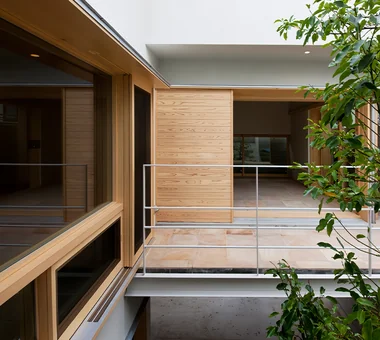 House with Wooden Window Sashes|Custom Home Examples by Architectural Offices
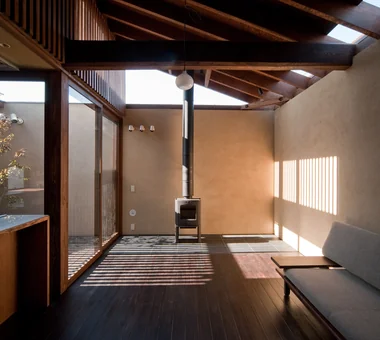 Homes Featuring Wood-Burning Stoves|Introduction to Examples by Floor Plan & Room Type
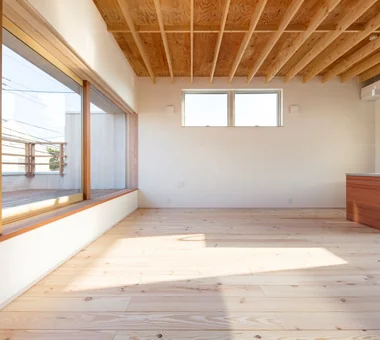 House with Second-Floor Living Room|Introduction to Examples by Floor Plan & Room Type
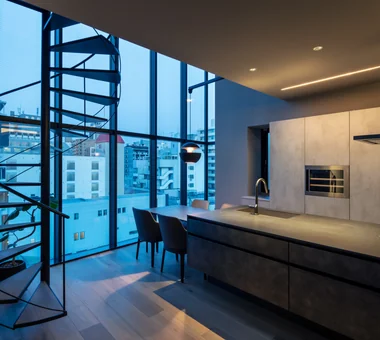 House with a Spiral Staircase|Custom Home Examples by Architectural Offices