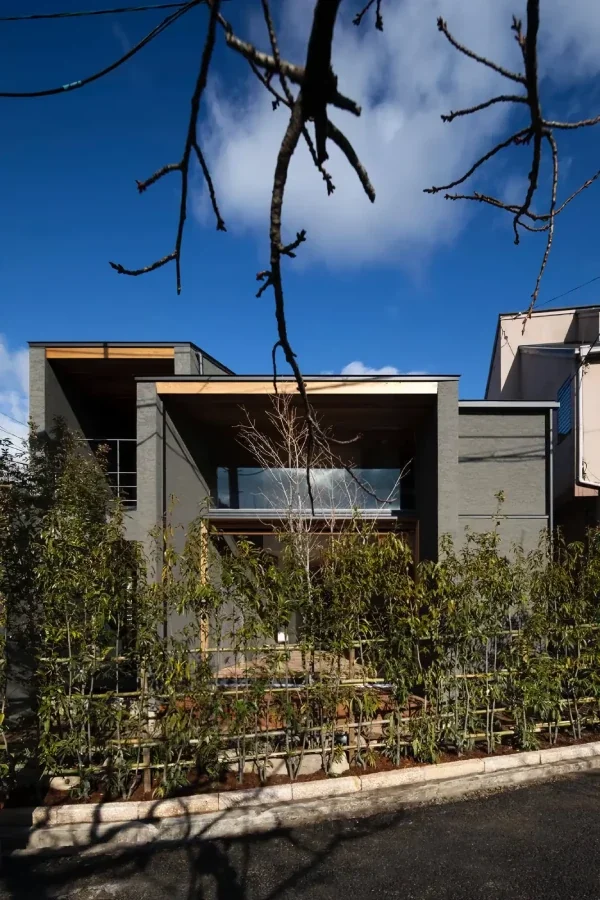
Kumi Inoue Architects
Stylish Exteriors|Home Building Q&A
Author: Qurasuki Editorial Department
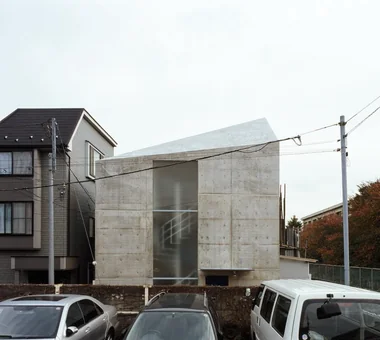
The exterior of a home not only symbolizes the design of the residence but also reflects its relationship with the site and surrounding environment. Beyond refining the street-facing facade, various conditions such as the distance to neighboring houses, orientation, surrounding cityscape, vehicle access, and views from the interior influence the form of the exterior. While impressions vary depending on colors like white or black and materials such as wood, rendered walls, or metal, even the same finishes appear differently depending on how light hits them and the passage of time. While large windows create a sense of openness, they may require different considerations regarding lines of sight from the street or neighbors. When designing a stylish exterior, how should we perceive design and the surrounding environment, and what changes depending on the site and lifestyle? We organize the questions that easily arise in exterior design through Q&A.
What should be considered first to create a stylish exterior?
The most important factor in creating a stylish exterior is the overall proportion of the building. The balance of width and height, the roof pitch, and the volume configuration of the building significantly influence the exterior impression. While attention often gravitates toward material and color selection, it is crucial to first organize the window placement and the building's structural framework. Creating a beautiful balance within a simple form results in an exterior that remains timeless and never tires over the years.
How many exterior wall colors should be limited to achieve a cohesive look?
It is generally considered that limiting exterior walls to about two colors—a main color combined with an accent color—tends to create a clean and sophisticated impression. As the number of colors increases, the amount of visual information also increases, making it important to harmonize the overall color scheme, including the roof, window sashes, entry door, and exterior landscaping. Maintaining unity with analogous colors while creating variation through material textures also leads to a high-quality exterior design.
How does window placement relate to the exterior design?
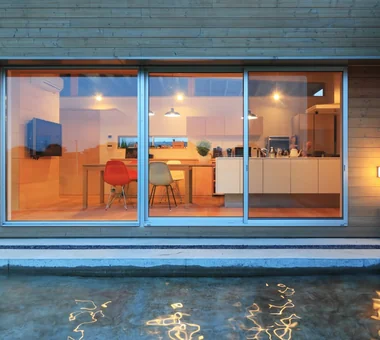
Windows are not only for natural lighting and ventilation but also serve as essential elements composing the exterior design. Arranging windows in an orderly fashion creates a poised impression, while arranging them with a sense of rhythm can produce a distinctive expression. Considering the interior layout and the exterior simultaneously results in a home that balances both functionality and beauty.
What points should be noted when combining different materials on exterior walls?
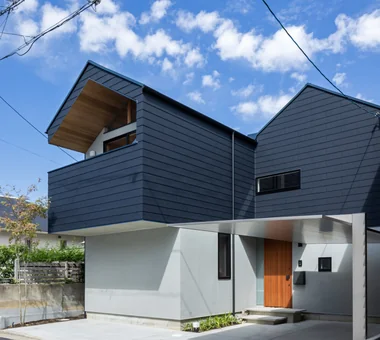
Combining different materials—such as Galvalume steel sheets and wood, or plaster finishes and tile—adds depth and expression to the exterior. Aligning the transition points of materials with the building's irregularities and openings helps create a natural and beautiful finish. Additionally, because durability and maintenance requirements vary by material, it is important to choose them while considering future upkeep.
To what extent does the entry door influence the exterior impression?
The entry door can be considered the face of the home and is a crucial point that dictates the overall exterior impression. Doors that utilize wood textures impart warmth and friendliness, whereas simple metal designs project a sophisticated look. The overall expression of the home also changes significantly depending on whether harmony with the exterior walls or a prominent accent is prioritized.
How does the roof shape affect the exterior design?
The roof is the element that determines the silhouette of the building. A single-pitch roof gives a sharp and contemporary impression, while a gable roof creates a friendly and stable expression. A flat roof easily facilitates a minimalist and urban atmosphere. It is important to choose the roof while considering not only design, but also drainage, insulation performance, and local climatic conditions.
What kind of ingenuity can create shadows and depth on exterior walls?
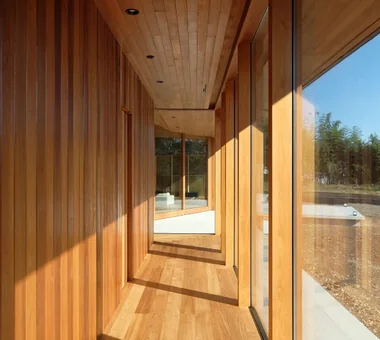
Providing irregularities on exterior walls or extending eaves and overhangs deeply can generate rich shadows driven by natural light. Furthermore, ingenuity in the orientation of material application or joint detailing introduces rhythm to walls that tend to become monotonous. Shadows whose expressions shift with time and seasons impart depth and richness to the exterior.
What kind of lighting planning is available to make the nighttime exterior look beautiful?
The impression of a nighttime exterior changes dramatically depending on how light is applied. Softly illuminating landscaping or a portion of the exterior walls creates a charm distinct from daytime. Placing lighting that illuminates the footing along the entryway also enhances safety. Rather than making it overly bright, a subdued lighting plan that utilizes shadows leads to a high-quality exterior.
How should the harmony between the exterior and landscaping be approached?
Landscaping is an important element that softens the building's impression, imparting seasonality and vitality to the exterior. Even placing a single symbol tree significantly changes the home's expression. Selecting tree shapes and leaf characteristics to match the building's taste and planning with future growth in mind makes it easier to maintain a long-lasting, beautiful landscape.
How should the parking space be presented within the exterior?
The parking space is also an essential design element composing the exterior. Unifying the paving materials and gate area with the building creates a sense of integration across the entire site. Incorporating grass joints or plantings also imparts a soft impression to a space that tends to become inorganic. A layout plan where cars do not overly assert themselves is another key point in creating a beautiful exterior.
What kind of exterior wall materials allow one to enjoy aging over time?
Solid wood, plaster finishes, and Galvalume steel sheets are popular as materials whose expressions change with the passage of time. Wood deepens in color and texture, while plaster walls acquire a unique flavor. Choosing materials while imagining not only the beauty at the time of construction, but also their appearance years and decades later, results in a home that evokes deeper attachment.
What should be done to unify the designs of the exterior and the exterior landscaping?
Rather than considering the building and the exterior landscaping separately, it is important to view the entire site as a single design. Unifying the materials and color tones of the exterior walls, gate post, approach, and fences creates a cohesive landscape. Considering elements such as plantings and lighting planning from an early stage results in a highly accomplished home.
Is it possible to create a distinctive exterior while maintaining harmony with neighboring houses?
While remaining conscious of harmony with the surrounding environment, it is entirely possible to express individuality through the choice of materials, window design, and shadow creation. Rather than standing out excessively from the cityscape, the approach of producing a home-like individuality through detailed ingenuity leads to an exterior that is loved for a long time. In areas where landscape ordinances are established, preliminary confirmation is also indispensable.
Are there any ingenuities to create a stylish exterior while keeping the budget down?
By avoiding unnecessary increases in exterior wall materials and color counts and instead settling on a simple composition, one can create a sophisticated impression while keeping costs down. Shapes with fewer irregularities offer good construction efficiency, which in turn leads to cost reduction. Allocating budgets intensively to areas where lines of sight gather, such as around the entryway and the approach, is also an effective method.
What is good to convey in the early design stages when creating a stylish exterior?
It is important to share preferred housing styles or architectural photographs for reference and to specifically communicate the ideal image. Consulting not only about the design direction but also about maintainability and future lifestyles leads to more satisfying proposals. Precisely because the exterior is a vital element determining the home's impression, repeating careful dialogues from the early design stages is important.





 Stylish Hallways|Key Points for Home Building
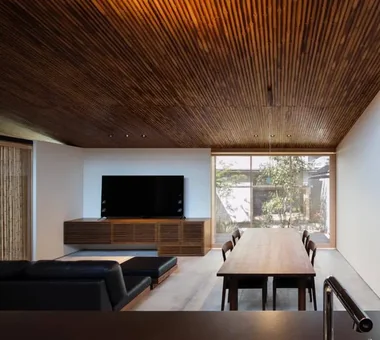 Homes Featuring Courtyards|Introduction to Examples by Floor Plan & Room Type
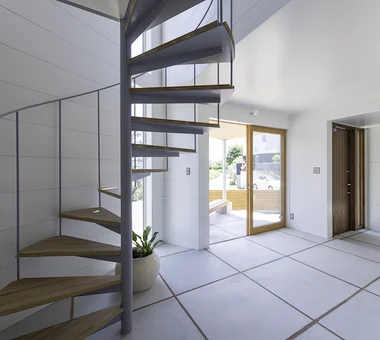 House with a Spiral Staircase|Introduction to Architecture Firms
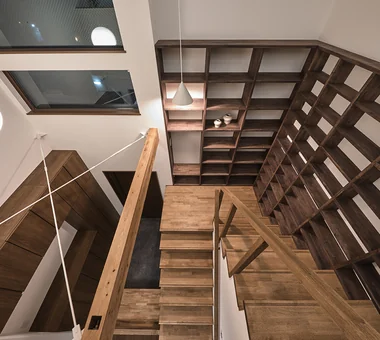 A House to Live with Books|Introduction to Examples by Floor Plan & Room Type
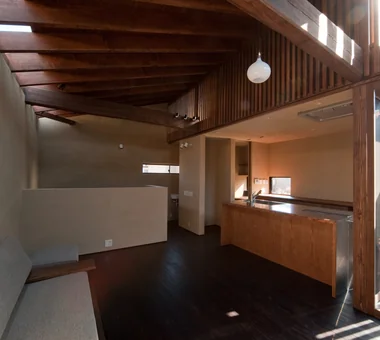 A Home for the Joy of Cooking|Custom Home Examples by Architectural Offices
 Homes with Scenic Views|Key Points for Home Building