Mitsuhiro Kojima Architects
Stylish Living Rooms|Home Building Q&A
Author: Qurasuki Editorial Department
While the living room is a gathering place for the family, it also serves as a space where each member can spend time doing separate activities. Consequently, simply securing square footage makes it difficult to capture a living room layout suited to everyday life. The required size and connections to other spaces vary depending on whether relaxing on the sofa is the primary focus or if the room is also used for reading, working, or children's play. Even when prioritizing openness through large windows, relationships with sunlight, external lines of sight, and the surrounding environment influence decisions. The perceived spaciousness also varies depending on how much margin is left after placing furniture. How the space functions when family structures and daily schedules change is also a vital topic in long-term residences. When planning a stylish living room, what changes depending on size, openness, furniture, windows, and family activities? We organize the questions that easily arise in living room design through Q&A.
What should be considered first to create a stylish living room?
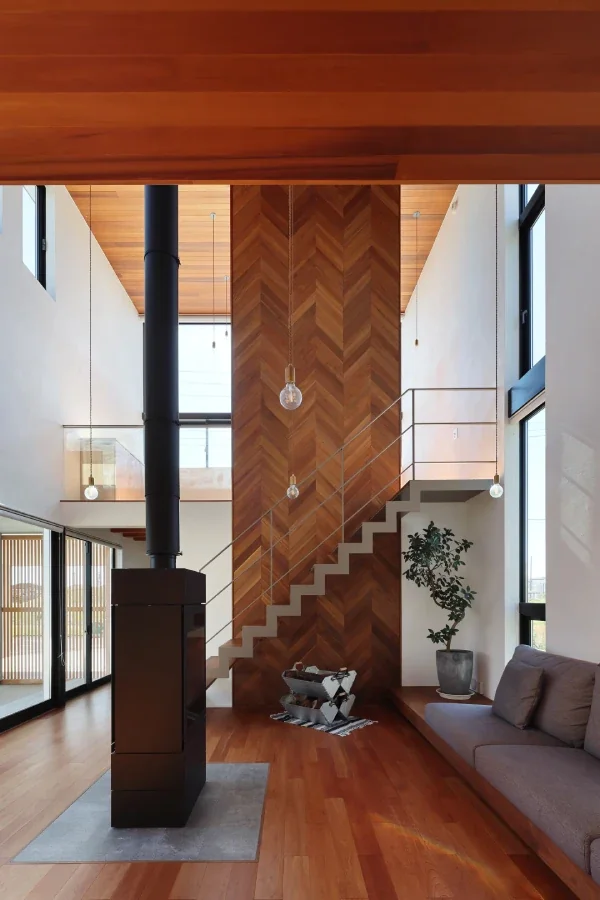
In creating a stylish living room, it is important to provide a "focal point" where lines of sight naturally gather within the space. Impressionistically arranging garden scenery visible through large windows, textured walls, or custom-built furniture creates cohesiveness across the entire space. Planning furniture layouts to highlight that central element also results in a sophisticated impression.
How should living room furniture placement be approached to look stylish?
Rather than simply lining up sofas and chairs against walls, being conscious of layouts where people naturally gather and converse makes it a comfortable space. Aligning furniture heights lower makes lines of sight pass through more easily and enhances openness. Arranging with leeway in circulation lines produces a high-quality, calm living room.
How should living room lighting be planned to look stylish?
Rather than illuminating the entire space solely with ceiling lights, combining floor lights, table lamps, and indirect lighting results in a rich space with shadows. Providing multiple light sources generates depth, and atmosphere creation according to time of day or how time is spent is also possible. Incorporating dimming functions allows spaces to be staged more flexibly.
How should living rooms windows and curtains be designed?
Selecting curtain materials and volumes to match window sizes and shapes refines the impression of the entire space. A method of combining sheer lace when wishing to draw in soft light, and thick drapery when emphasizing blackout performance, is common. Aligning with wall and floor color tones finishes the interior with a sense of unity.
What kinds of methods are available for adding accents to living room walls?
Accent walls that change materials or colors on only one surface represent a typical technique providing contrast to the space. Incorporating textured materials such as solid wood, tile, or plaster finishes makes it possible to create an impressive wall surface. Applying this to places where lines of sight easily gather, such as behind the television or sofa, is effective.
What kinds of methods are available for designing living room ceilings?
Sloped ceilings or finishes exposing beams are popular as methods giving three-dimensional feel and individuality to the space. Combining stepped ceilings with indirect lighting can also stage soft light and depth. Because ceiling design is also related to insulation performance and air-conditioning planning, examining it from both aesthetic and comfort aspects is important.
How should the combination of living room flooring and rugs be approached?
Bringing the color tones of flooring and rugs close together produces a calm sense of unity. On the other hand, combining different materials or colors makes it possible to visually zone the sofa space and the like. Choosing while considering skin feel and maintainability, in addition to design, results in a comfortable space.
Are there ways to place televisions stylishly in the living room?
Integrating the television with custom-built storage or wall designs finishes it with a clean impression suppressing a living feel. Incorporating materials such as tile or wood on the backside consolidates the entire wall surface including the television as part of the interior. Plans allowing concealment with fixtures or screens as needed are also effective.
When incorporating houseplants or art in the living room, what are the tips for placement?
Placing tall houseplants in corners generates height and depth in the space. Displaying art at heights where lines of sight easily gather naturally becomes an accent to the space. Avoiding excessive increases in elements and placing them selectively leads to a sophisticated impression.
How should living room color usage be approached to achieve cohesiveness?
Summarizing large-area parts such as walls and floors with calm base colors and adding accent colors via cushions, art, and small goods is effective. Narrowing down the number of colors results in a high-quality and unified space. Utilizing the textures of materials themselves makes it possible to create rich expressions even with simple color schemes.
Are there methods to blend living room storage into the design?
Adopting custom-built storage integrated with the wall surfaces makes it possible to make the space look clean while suppressing the presence of storage. Aligning the color and material of door panels with the wall surfaces results in a more unified finish. Combining open storage and storage with doors makes it possible to properly use visible and hidden storage.
What should be done to utilize the scenery visible from the living room?
Devising sofa and dining placements so that gardens and plantings naturally enter the field of view creates expansiveness and openness indoors. Thinking of the scenery outside windows as part of the interior and planning plantings and exterior landscaping together is important. Adopting high-performance windows also makes balancing comfort and views easier.
Are there points for material selection to impart a sense of luxury to the living room?
Incorporating items where original textures of materials can be felt—such as solid wood, natural stone, or plaster finishes—allows for staging high-quality spaces. Rather than using many materials, carefully combining selected materials leads to a sophisticated impression. Examining this alongside lighting planning can further draw out the appeal of the materials.
Are there flexible living room layouts capable of responding to family composition changes?
Adopting movable furniture or layout plans easy to change makes it easier to respond to lifestyle changes. Spaces where usages can be changed according to various scenes, such as children's growing, remote work, or visitors, are effective for living comfortably over a long time. Flexibility anticipating the future is also an important element of living room planning.
What is good to convey in the early design stages when creating a stylish living room?
Sharing preferred interior tastes and reference example photographs allows the direction of materials, color tones, and lighting planning to be communicated specifically. Furthermore, conveying how family members spend time and frequency of visitors makes it easier to reflect them in furniture placement and storage planning. Sharing images carefully from the early design stages is important to balance design quality and livability.




 Stylish Hallways|Key Points for Home Building
 Homes Featuring Courtyards|Introduction to Examples by Floor Plan & Room Type
 House with a Spiral Staircase|Introduction to Architecture Firms
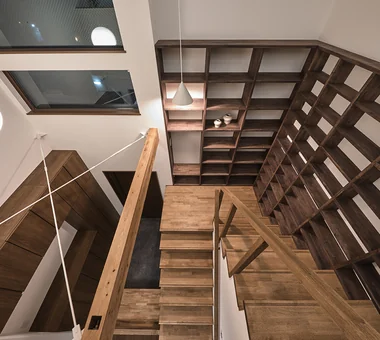 A House to Live with Books|Introduction to Examples by Floor Plan & Room Type
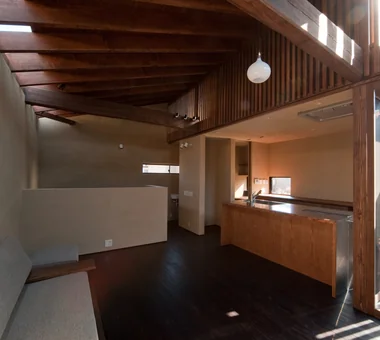 A Home for the Joy of Cooking|Custom Home Examples by Architectural Offices
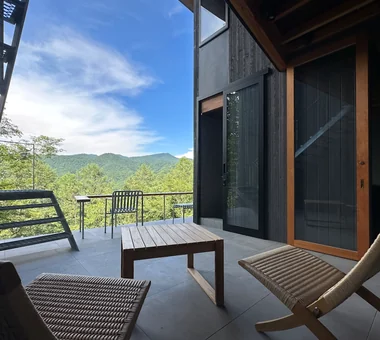 Homes with Scenic Views|Key Points for Home Building