Kumi Inoue Architects
House with Brick Finish|Home Building Q&A
Author: Qurasuki Editorial Department
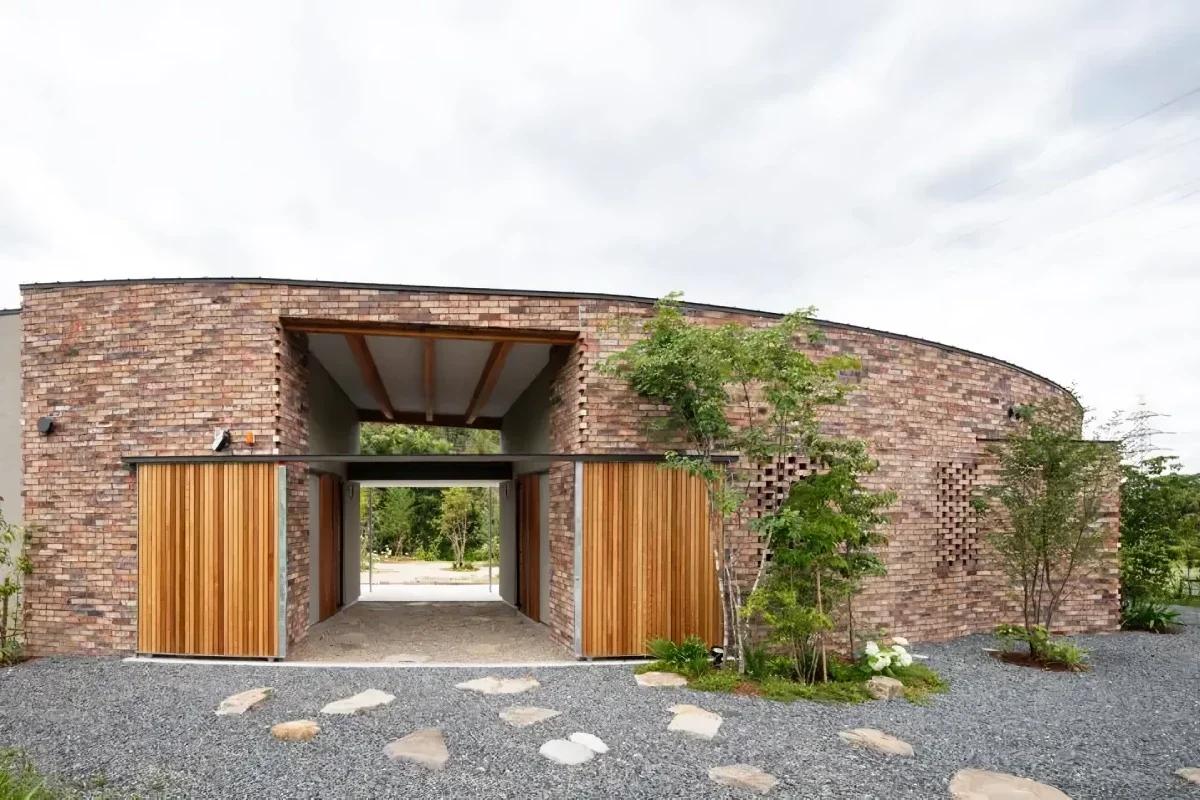
In brick-finished homes, thick material textures are imparted to wall surfaces, evolving in expression as years pass. Exterior impressions vary significantly with brick color, shape, and mortar joints, ranging from classic aesthetics to accentuated material presence within contemporary exteriors. On the other hand, whether bricks are used across expansive exterior areas or as partial accents alters material presence and streetscape harmony. Regional climates, site locations, and combinations with other exterior materials also influence the finished result. We organize questions concerning material expressions, aging, and exterior balance that easily arise in brick-finished homes.
What kind of exterior wall is brick finish?
Exterior walls called "brick finish" in Japanese housing include not only methods of stacking bricks as structural bodies, but also finishes where thin brick tiles or the like are affixed to exterior walls. While incorporating brick-like colors and textures, building structures can be separate structures such as wood frame or steel frame. Because appearance as well as weight and detailing change depending on material thickness and construction methods, checking specifications is important.
Why are genuine stacked-brick structures rare in Japanese housing?
Masonry construction, which stacks bricks to serve as structural bodies, requires special consideration in structural planning in earthquake-prone Japan. In modern housing, combining brick tiles or the like with structural bodies of wood frame, steel frame, or reinforced concrete is common. Required structures and construction methods vary greatly depending on whether bricks themselves are used as structural materials or finishing materials.
What kinds of colors and texture types exist for brick tiles?
A wide variety exists, from traditional reddish-brown color tones to modern colors such as white, gray, and black. Surfaces also range from smooth ones to those retaining unevenness and firing irregularities. Because impressions change with joint colors and widths even for identical colors, choosing while imagining states affixed across the entire exterior wall, not just standalone tiles, is important.
How should joints for brick tiles be finished?
Brick tile appearance changes significantly depending on joint color and width. Joints with colors close to tiles create overall unity, while high-contrast colors like white make each tile stand out. Because joint depth and finishing methods also influence exteriors, examining while viewing actual construction examples in addition to samples makes imaging easier.
How much maintenance do brick tiles require?
While brick tiles themselves are relatively durable materials, periodically checking joints, substrates, and tile lifting/cracking is important. Phenomena like "efflorescence," where white crystalline stains appear on tile surfaces or joints, may also occur. Because appropriate repair methods vary depending on exterior wall conditions, consulting professional contractors if concerning changes arise provides peace of mind.
Are brick tile exterior walls prone to moss and mold?
Not limited to brick tiles, moss, algae, and the like can occur on exterior walls with poor sunlight and where moisture tends to remain. Conditions where drying is difficult can overlap, especially on north-facing walls or locations close to plantings. Planning including distances from plantings, ventilation, and rainwater flow, in addition to exterior wall cleaning, makes it easier to suppress stains.
How does brick finish affect insulation performance?
When using brick tiles as finishing materials, overall house insulation performance is mainly determined by insulation materials, openings, airtightness, and overall exterior wall configurations. Although bricks and tiles possess heat-retaining properties, thin exterior tiles are not expected to yield large insulation effects. Material textures and insulation performance should be considered separately and planned as overall exterior wall specifications.
Can brick finishes be combined with other exterior wall materials?
Combining brick tiles with rendered walls, mortar, wood, metal, etc., allows the creation of exteriors leveraging material contrasts. Rather than using bricks everywhere, methods of adopting them selectively around entryways or first-floor portions also exist. Planning including boundaries of different materials and joint detailing allows material textures to be displayed more cleanly.
What construction methods exist for brick tile installation?
Brick tile installation includes wet methods of affixing to substrates with mortar and dry methods of fixing using dedicated metal fittings. Which method to adopt is determined by tile types, building structures, substrates, and required performances. Because earthquake behavior and detachment countermeasures differ by construction method, checking overall exterior wall specifications without judging solely by construction methods is important.
How does brick finish affect the cost of a house?
Brick tile costs vary depending on tile types, construction methods, substrates, and application ranges. Because materials and construction can involve more labor compared to general exterior materials, comparing total costs is important. Adjusting overall costs while incorporating brick textures by using them selectively around entryways or on partial wall surfaces is also possible.
Do brick finishes suit residences other than Western styles?
Although bricks are materials with strong Western architectural impressions, selecting colors, surface textures, and installation methods allows them to be incorporated into modern residences. Choosing calm colors like gray or white and combining them with linear buildings, metals, or woods can create expressions different from classical impressions. Seeing beyond material imagery to balance with overall building configurations is important.
How can aging changes of brick tiles be enjoyed?
Color and surface changes of brick tiles vary by product. Products possessing color irregularities and textures unique to fired goods can generate calm expressions on exterior walls over time. On the other hand, because moss, stains, efflorescence, etc., may adhere, not all changes are accepted as "tastes." Choosing after checking states after aging is advisable.
Are brick tile exterior walls safe during earthquakes?
Brick tile safety is determined by substrates, fixing methods, followability to building swaying, and construction quality, not just tiles alone. Even when constructed with appropriate methods, falling can occur due to aging deterioration, lifting, or detachment. Periodically checking exterior wall conditions and consulting specialists early when abnormalities are found is important.
How does brick finish adapt to future renovations?
Damaged tiles can sometimes be partially replaced. However, if products are discontinued or tiles of the same lot are unobtainable, color and texture differences can emerge with surroundings. When considering future repairs, recording product names and model numbers at construction, and keeping spare tiles in storage if possible, provides peace of mind.
What points are good to communicate to the designer when building a home with brick finishes?
It is important to specifically communicate not just preferred colors and textures, but also ranges where brick tiles are desired to be used and joint presentation. Sharing budgets and labor that can be spent on maintenance also facilitates examining specifications. Because tiles change appearance depending on lighting and weather, confirming actual samples under natural light is also advisable.



 House with Outdoor Living Space|Home Building Q&A
 House with Skip Floors|Home Building Q&A
 A Home for Living with Antiques|Key Points for Home Building
 A Home for Enjoying Movies|Introduction to Architecture Firms
 Stylish Residential Approaches|Home Building Q&A
 Stylish Dining Spaces|Home Building Q&A